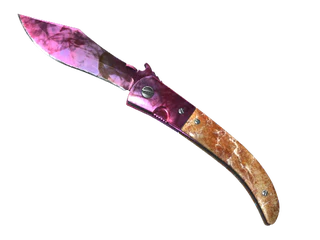
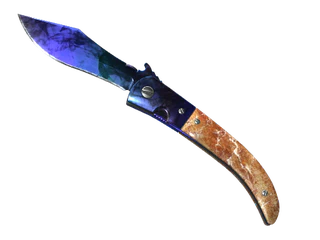
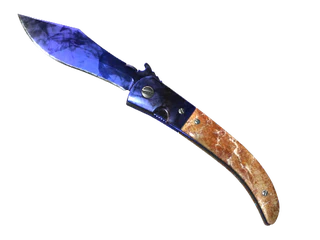
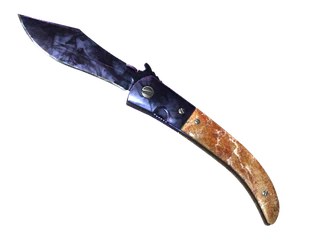
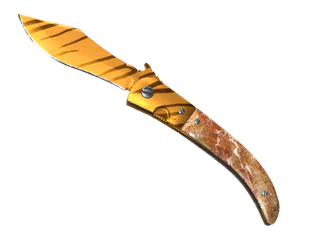
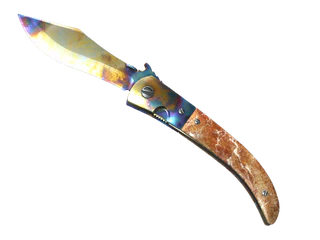
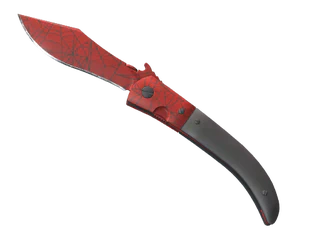
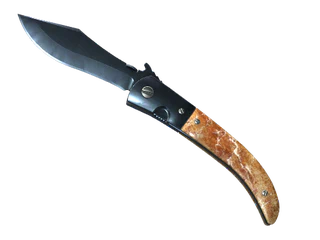
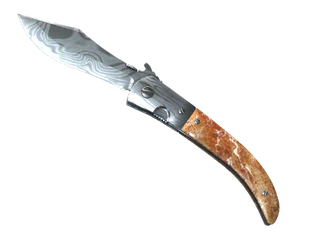
Mid-tier demand with a soft floor and a big wear story. Clean-condition copies carry a measurable premium while the worn end trades like a typical covert with weak base support; sellers should watch float and short-term momentum before they move a piece.
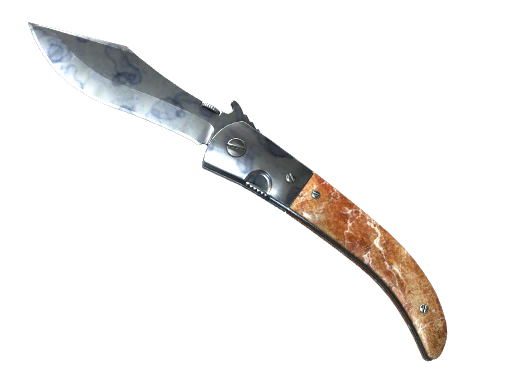
Mid-tier demand with a soft floor and a big wear story. Clean-condition copies carry a measurable premium while the worn end trades like a typical covert with weak base support; sellers should watch float and short-term momentum before they move a piece.
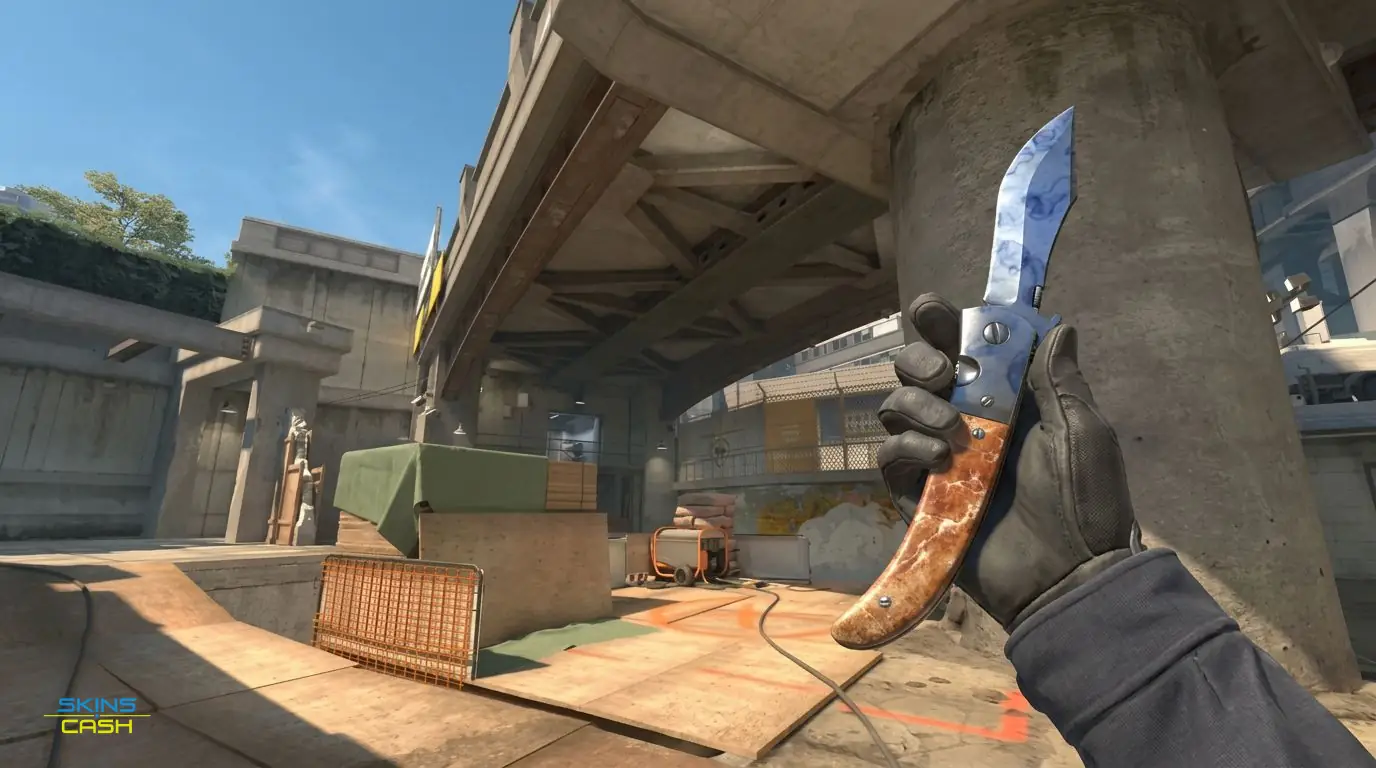


This sits squarely in the mid bracket for value and attention: not grail money, not budget fodder. The market behaves like a mainstream covert where buyers are selective and listings linger unless the float is right; as a seller you get more pickup on deliberate buys than impulse clicks.
The ladder is a clear full-range profile with the payout tilted toward the clean end; there is a noticeable premium for near-flawless patina. Beyond that premium the drop smooths into a compressed band across low-to-mid wears, then the worn copies live close to the weak floor.
Sticker prices often look optimistic because buyer asks cluster at the clean end while net cashout sits back toward the mid band; you will see a gap between what a listing advertises and what you actually collect. Factor in the premium for flawless patina when you set a take-if-offer, and expect a wider haircut if you want immediate liquidity.
The best skin-for-money lives in the cleaner patina range where the finish still reads crisp on gray and white. Once float drifts past that cleaner window, the incremental payout diminishes quickly and the reward for hunting cleaner copies evaporates.
Float runs the full spectrum here, so two copies can look completely different in hand. That spread means float discipline matters at listing time; pick the cleaner float if you want to bank the premium, or accept the weaker base if you need speed.
There is no pattern noise to lean on here; pricing is driven by float and finish alone, not by seed quirks. That keeps valuation straightforward: check the patina, check the float, then price without worrying about odd pattern premiums.
Being a covert underpins the worn end and prevents absolute collapse in offers despite the weak floor label. Even the less attractive copies inherit support from rarity, so the bottom of the ladder doesn't trade like a commons dump.
This knife comes out of the Horizon Case, and that origin is familiar to traders who track supply turns from that container. Case origin explains why good-condition copies exist in steady trickles and why clean ones command more attention when supply tightens.
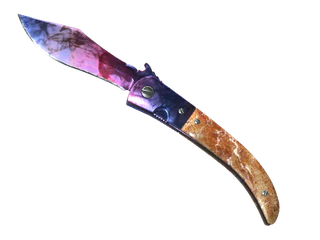
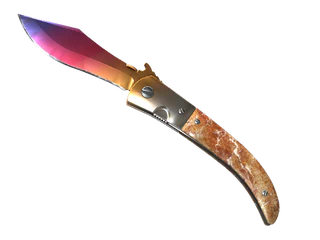
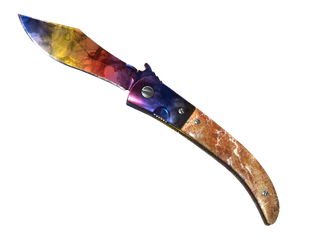
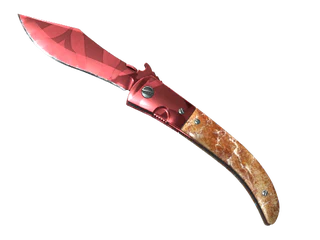
The gray and white palette with a patina finish reads utilitarian and subtle in round play; it favors players who want a low-key blade that still shows texture. Valve's designer touch keeps the surface interesting under different lighting without shouting for attention.
Short-term momentum has swung decisively higher while the year window sits down hard, a split that points to renewed buyer appetite against a longer-term re-rating. If you need out now, the short-term bid helps; if you can hold, watch whether the yearly downtrend reasserts itself.
Sellers often list to the clean asks and forget the net spread, or they ignore float and price worn copies like their cleaner siblings. Avoid both traps: match the listing to the actual float band and set expectations for net versus sticker depending on urgency.
Zeus is the named pro tied to this knife, and that single association keeps occasional interest from collectors who follow his inventory preferences. It doesn't turn this into a grail, but it nudges demand on the cleaner end when collectors rotate through Horizon Case offerings.