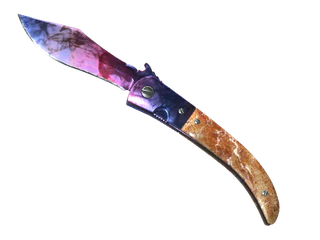
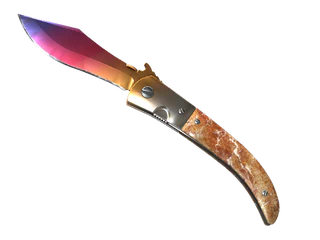
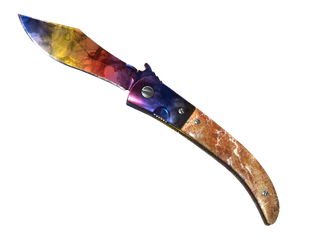
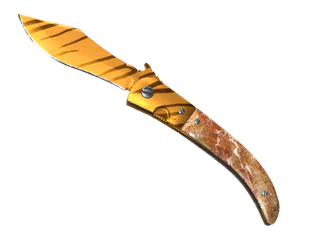
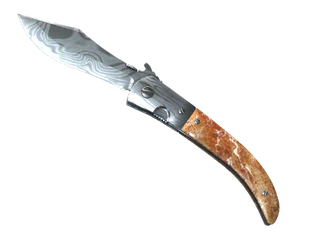
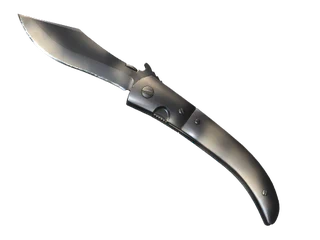
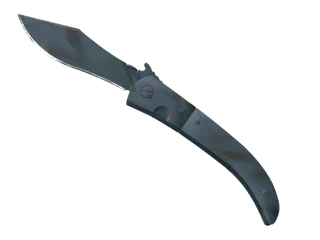
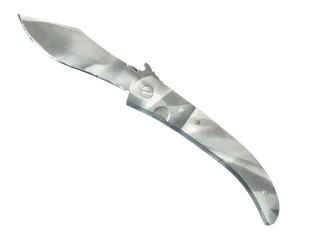
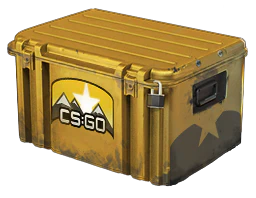
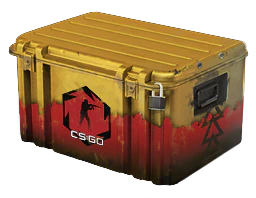
This Navaja Knife sits squarely in the mid bracket where demand is real but selective. Clean copies carry the attention; the bulk of listings trade under pressure from a soft floor and a wide historical band, so time and float selection matter more than haste.
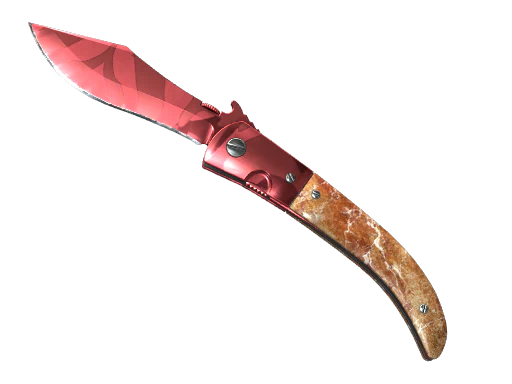
This Navaja Knife sits squarely in the mid bracket where demand is real but selective. Clean copies carry the attention; the bulk of listings trade under pressure from a soft floor and a wide historical band, so time and float selection matter more than haste.
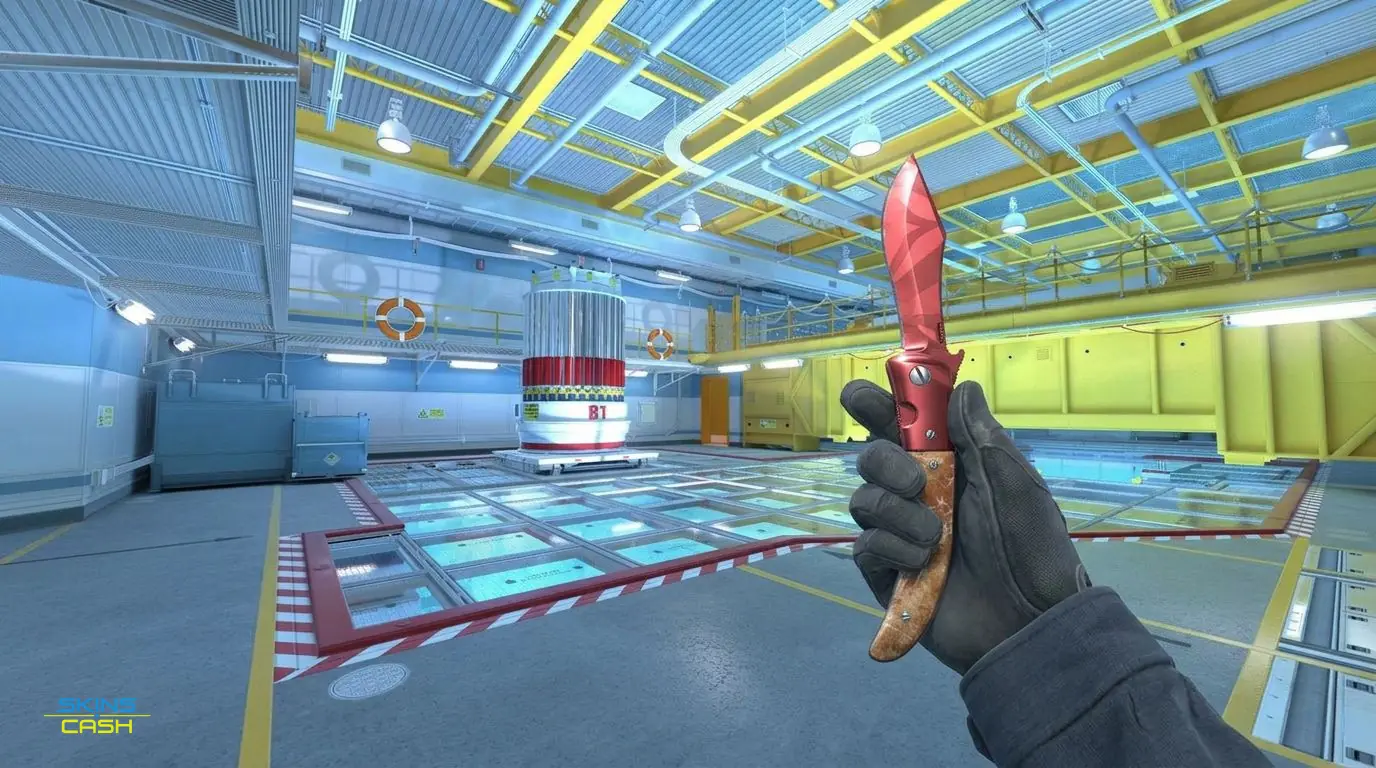
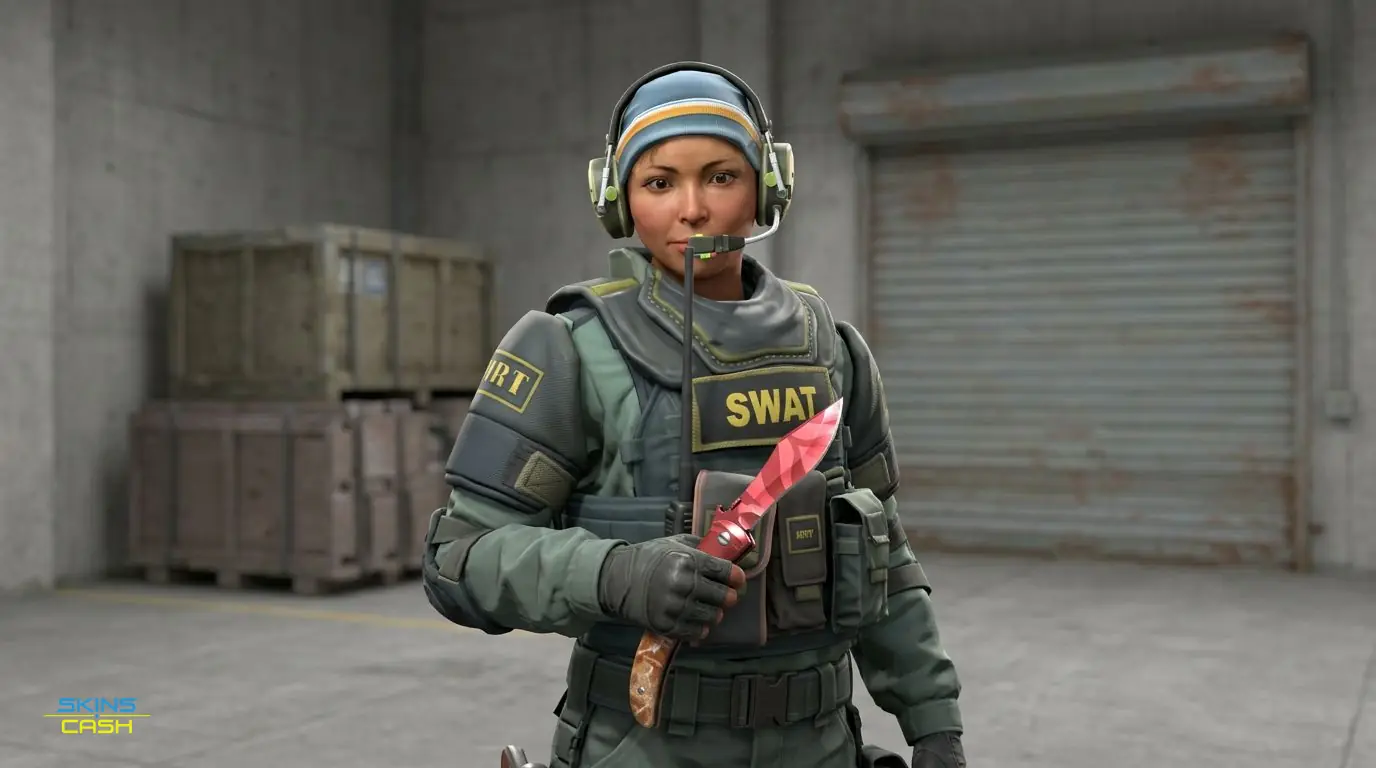
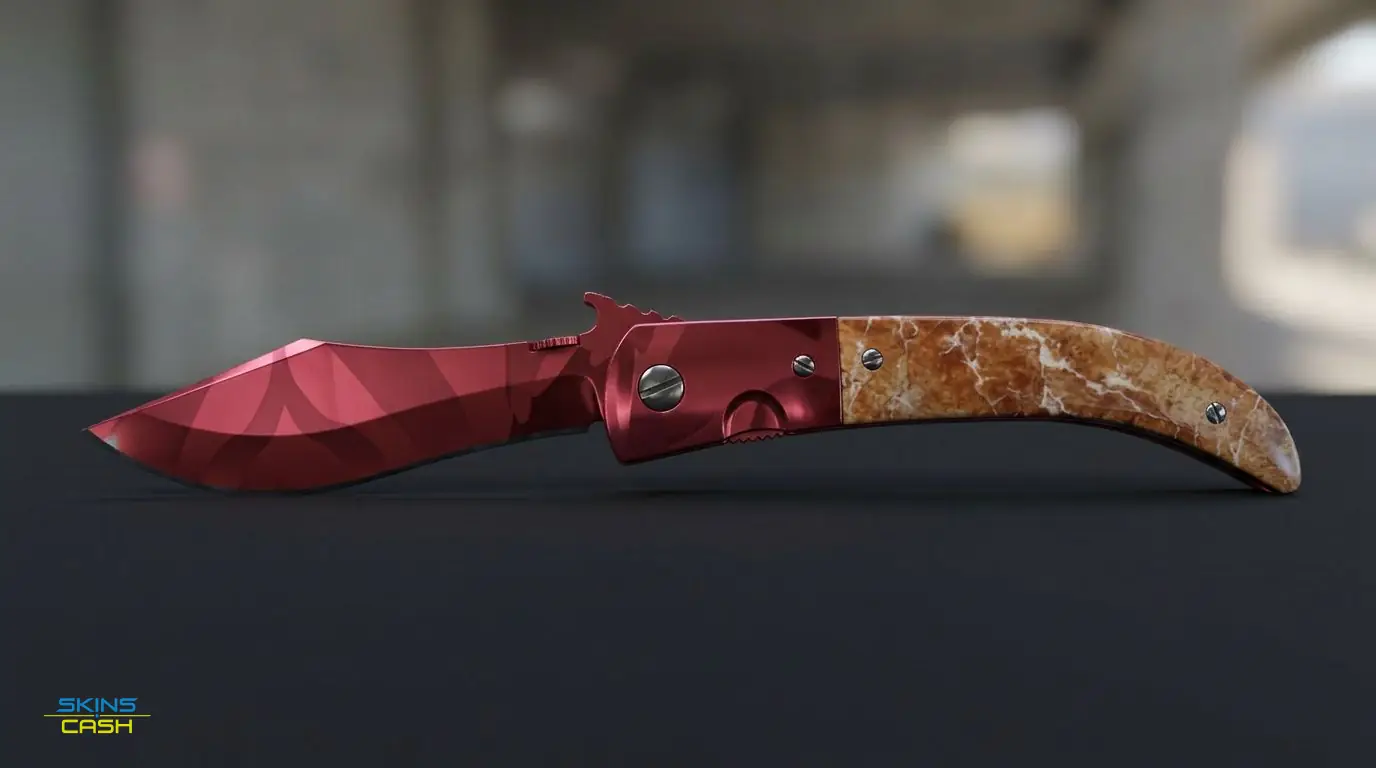
Mid-tier value and mainstream profile - buyers know what they want and they pay more for the right float. For a seller that means movement is possible without needing grail liquidity: list smart, expect patient takers rather than a feeding frenzy.
The ladder shows a steep break toward the cleaner end with a much gentler slope through the worn section. Expect the payout shape to concentrate at the top wears while the rest of the ladder slides together.
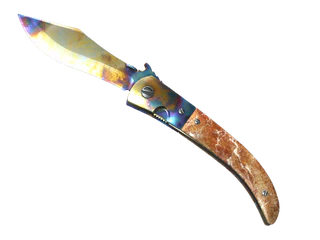
Mid-wear copies often represent the best skin-for-money because they dodge the top-wear premium while still flashing the anodized multicolored finish. Once you climb into the clean segment the payout ramps up and stops rewarding incremental improvements as quickly.
The lower wears live in a tight band so differences between those copies are subtle for buyers who care more about overall look than float. If you sit on a worn example you won't lose much by listing it slightly wide; buyers aren't discriminating much there.
This finish does not reach the true worst floats, so the so-called bottom end reads cleaner than on unrestricted knives. That cap keeps the lowest listings from collapsing into a true dirt floor and changes how the worn tier trades against mid-wears.
Being a Covert blade underpins a baseline even when the market is soft; rarity props up the worn listings more than visual alone would. That support is the reason the low end doesn't trade like common gear.
StatTrak copies hold their own demand curve and attract a different buyer set; expect them to clear slower but for a distinct premium. If you run StatTrak, treat its listings as a parallel market with fewer but more committed bidders.
It comes out of the Horizon Case, which keeps supply steady but not infinite; that origin feeds a regular trickle of copies into the market. Cases like that mean you won't see sudden scarcity spikes, just a steady background flow.
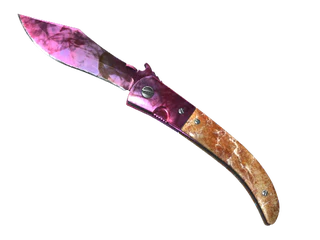
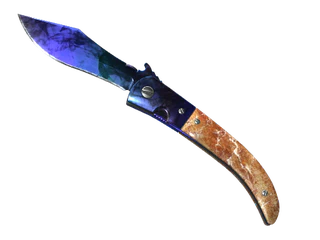
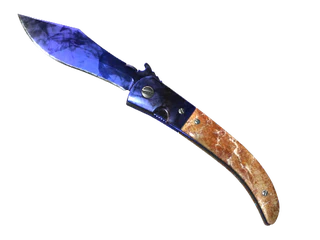
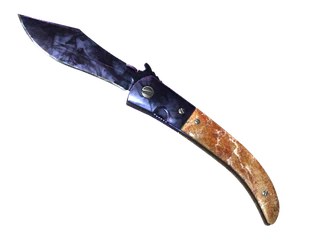
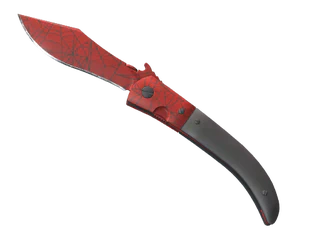
Red dominates the blade and the anodized multicolored finish gives shifting accents under light, so it reads aggressively in play. The palette works on the Navaja profile: compact, sharp, and visually impactful from quick peeks.
Pricing has been moving down hard over the recent short window, with a similar down direction across the longer stretch. That drift raises the premium on well-timed sells and lowers appetite for speculative holds.
A typical error is pricing as if all floats trade the same - they don't; the clean end demands a separate stance. Another misstep is ignoring StatTrak as its own line; list the variant correctly and check float before you set a take.
Players respect the design and the finish, but sentiment is cautious because interest has cooled; collectors still chase the clean copies. That mix creates selective demand: few serious buyers, many indifferent ones.