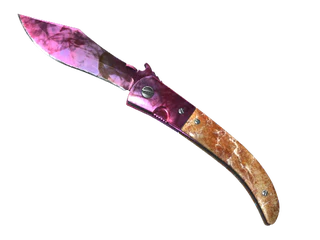
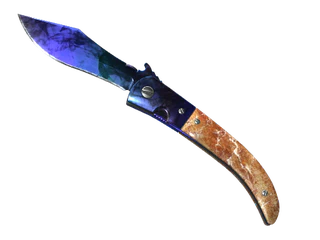
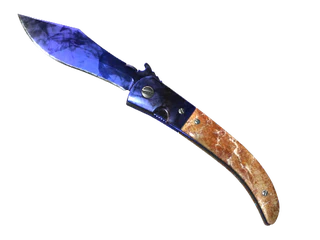
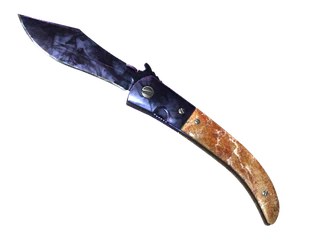
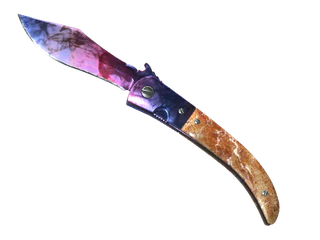
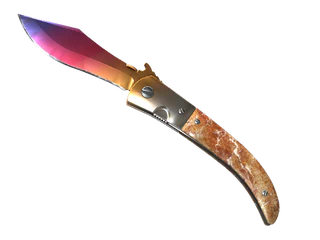
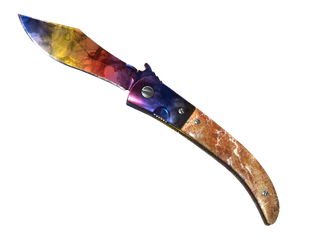
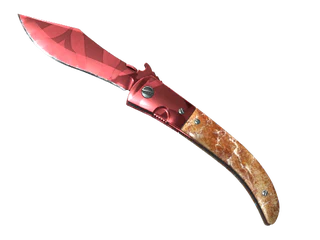
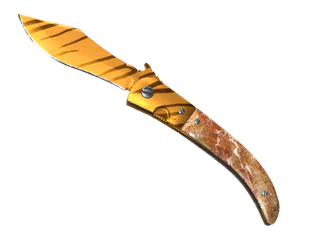
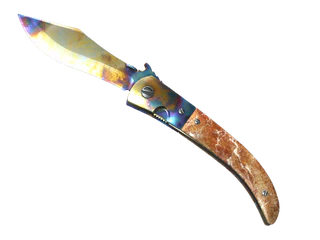
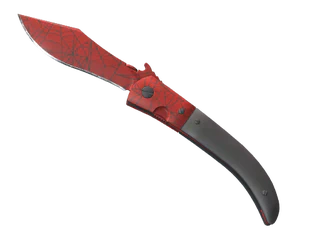
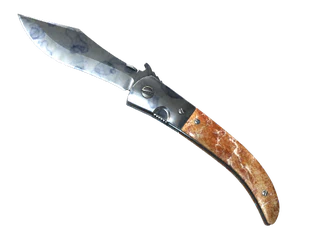
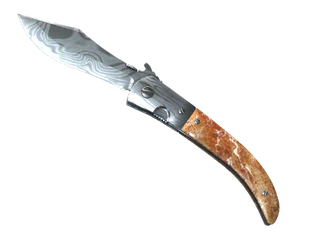
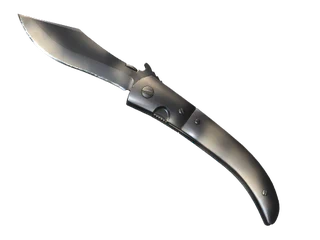
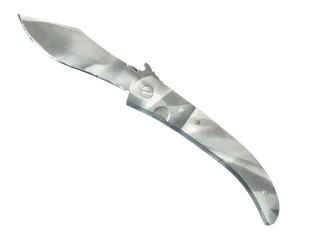
Mid-tier Covert with a clear sell story: demand is mainstream but floors are soft, so float selection and StatTrak status drive what you actually get at payout. Clean, low-wear copies and StatTrak examples carry the attention; if you hold a worn patina blade, expect compressed returns near the low end.
Mid-tier Covert with a clear sell story: demand is mainstream but floors are soft, so float selection and StatTrak status drive what you actually get at payout. Clean, low-wear copies and StatTrak examples carry the attention; if you hold a worn patina blade, expect compressed returns near the low end.
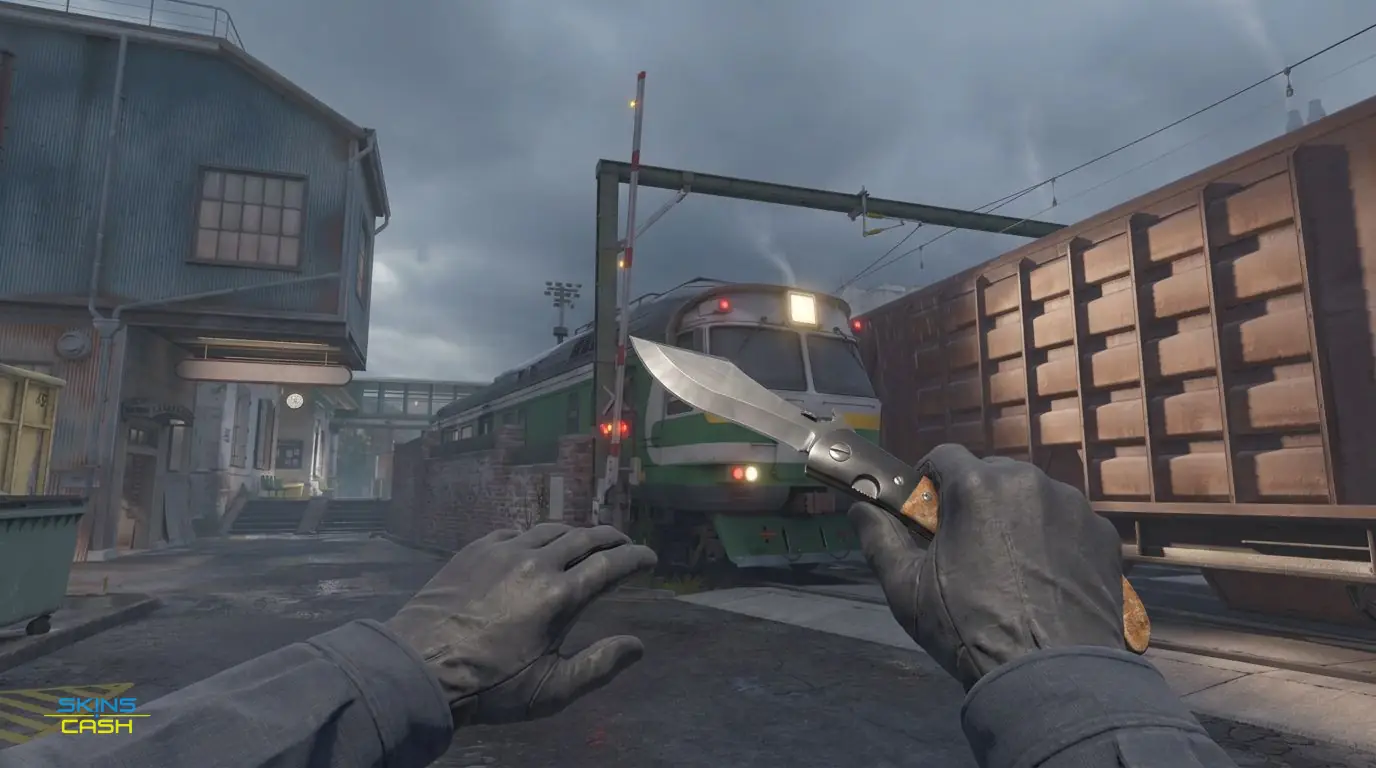
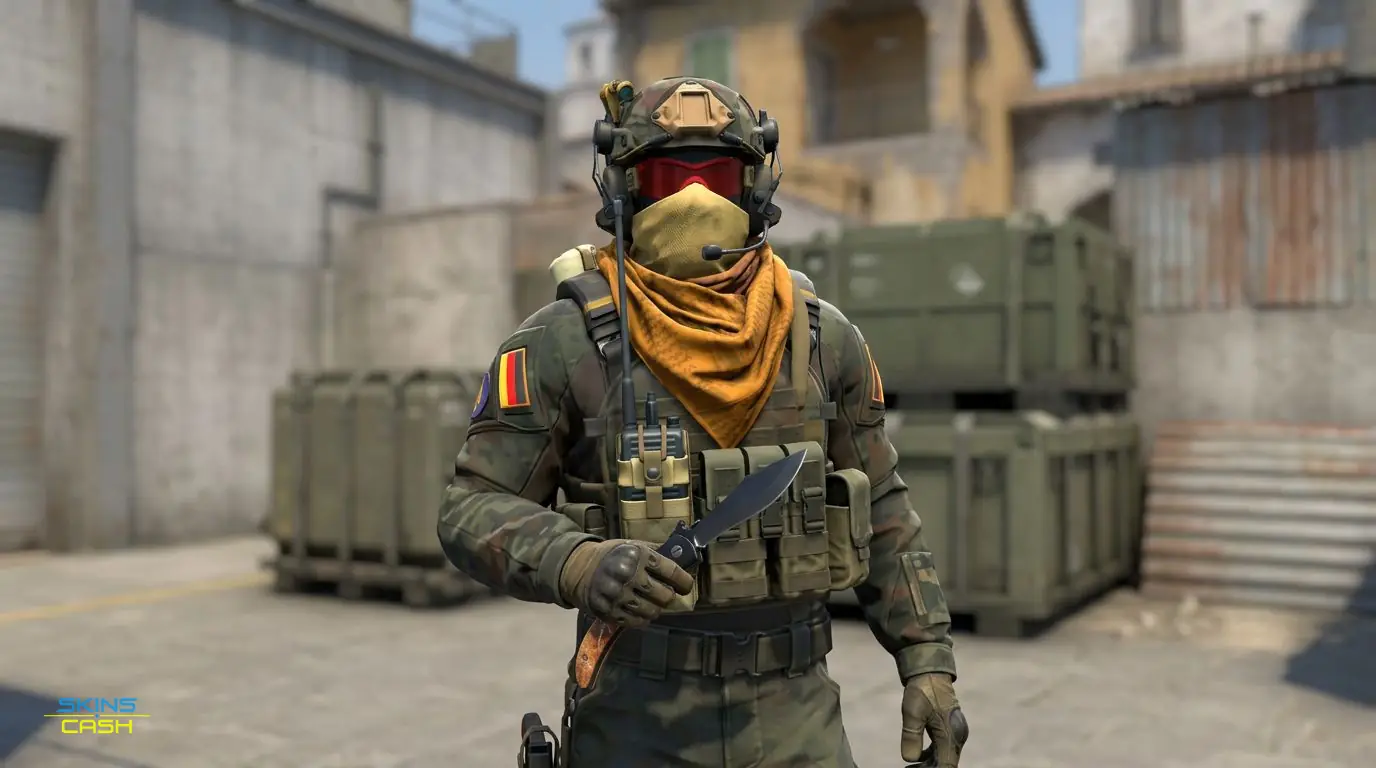
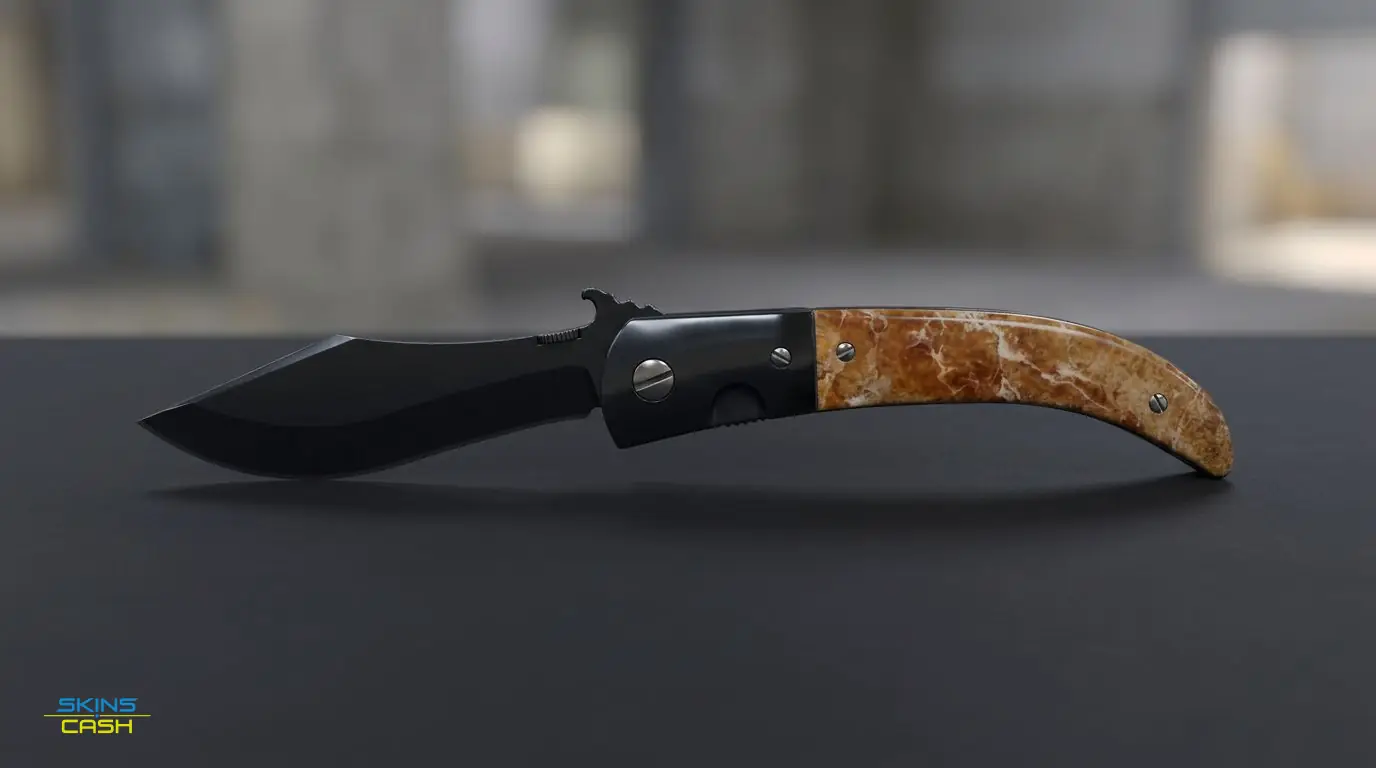
This sits squarely in the mid bracket for covert blades - desirable enough to draw steady interest but not in premium grail territory. That positioning means you can move copies without waiting forever, however the market will separate the visually clean examples from the rest, so plan listings with that split in mind.
The ladder is sharply tilted toward the clean end with a steep falloff as wear increases, creating a distinct top tier for those rare low-wear patina finishes. Sellers with the clean copies see a different payout curve than holders of average or worn knives, and the move between those bands is quick rather than gradual.
Expect a noticeable gap between sticker asks and what clears as cashout - buyer listings sit higher while realized seller receipts are trimmed by marketplace friction and liquidity. Because the floor is weak, the spread widens at the lower end; a seller must price to the net rather than the visible ask to avoid stale listings.
Lower-wear and worn patina copies cluster tightly in payout, so float differences down there rarely change realized value much. If you hold a worn Navaja Knife, its marginal float improvement will not meaningfully lift what buyers will pay, which makes bulk or quick sales reasonable at that band.
This blade spans the full spectrum of wear, so float discipline matters when selecting a copy to sell: you get materially different outcomes depending on where the knife sits on that spectrum. Treat each float bracket as a separate product when listing; sloppy grouping blurs value and slows turnover.
StatTrak examples track their own demand curve and consistently command a premium relative to normals, but that premium sits at a moderate level compared with rare grails. If you have a StatTrak patina with clean wear, it will be a different listing class and attract buyers who specifically hunt the counter variant.
There are no pattern secrets to worry about here - price moves with wear and StatTrak status rather than any seed quirks. That simplifies pricing: verify float and variant, skip pattern checks, and list to the wear band you actually have.
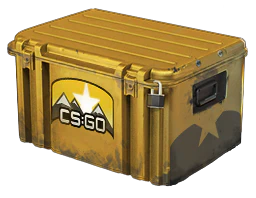
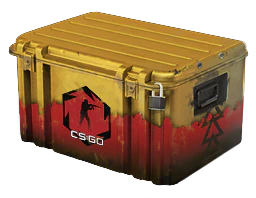
This model drops from the Horizon Case, which anchors its supply flow and availability. That origin keeps supply steady but not flooded, supporting a persistent mid-tier presence rather than extreme scarcity.
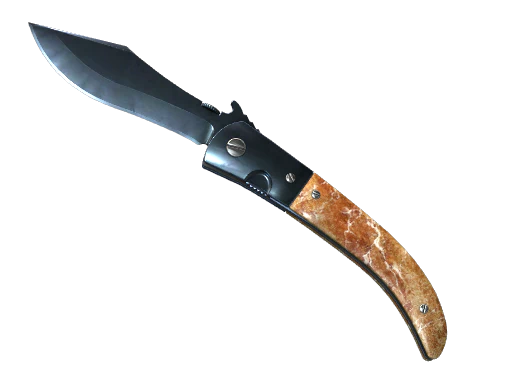
The knife reads cold and functional with a gray-based patina finish that plays well in both dark and neutral skins; Valve's design skews utilitarian rather than flashy. The muted palette helps the blade pair cleanly with many loadouts, which keeps buyer interest steady across player styles.
All-time pricing has shown a massive band, with strong separation between the rare clean end and the common worn end. Current activity sits somewhere inside that wide band, so selling strategy depends on whether you hold a standout clean copy or a commonplace worn one.
Traders often list to the visible ask instead of the cashout reality, or lump all floats together and expect buyers to discern quality. Avoid those traps by separating StatTrak from normals, sorting by float bracket, and pricing to net receipts rather than sticker numbers.
Players respect the Navaja Knife as a reliable covert blade with tasteful, understated looks, which keeps it in steady rotation among collectors and users. That steady sentiment supports consistent demand, especially for clean patina and StatTrak specimens.