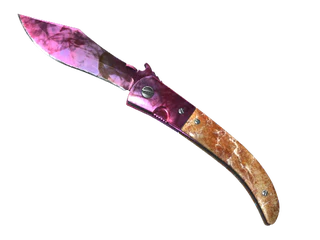
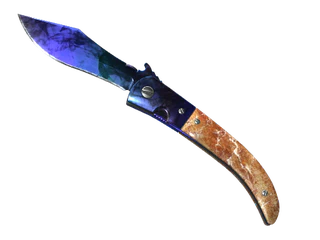
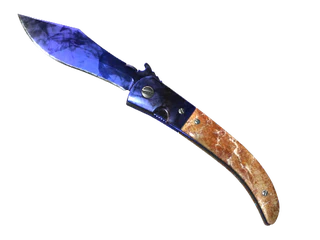
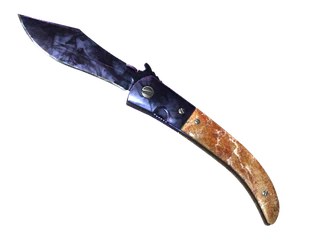
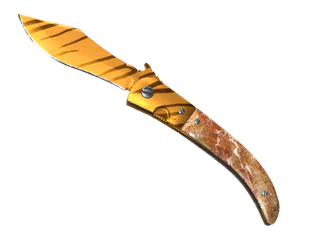
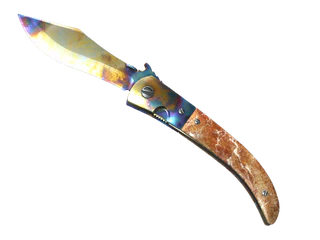
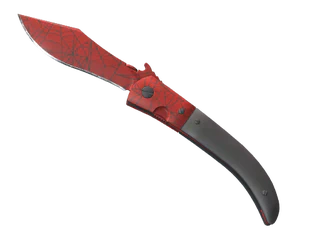
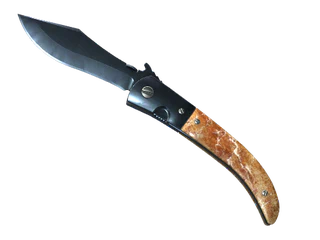
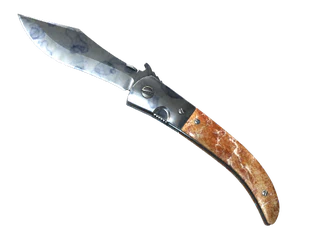
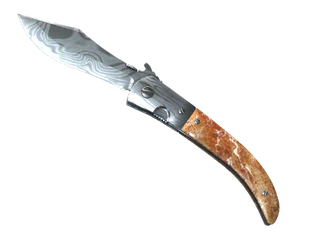
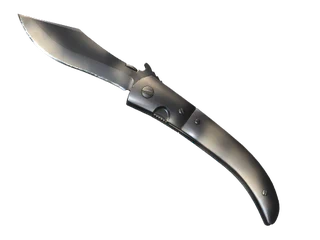
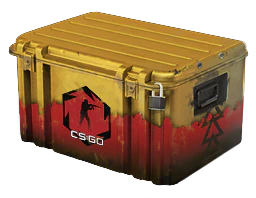
Budget-tier demand and a thin market profile make this Navaja Knife a trade for selective sellers. Floor is soft and activity is sparse, so clean copies carry the only real lift while every other wear clusters tightly. Watch float caps and the Horizon Case origin before you press sell.
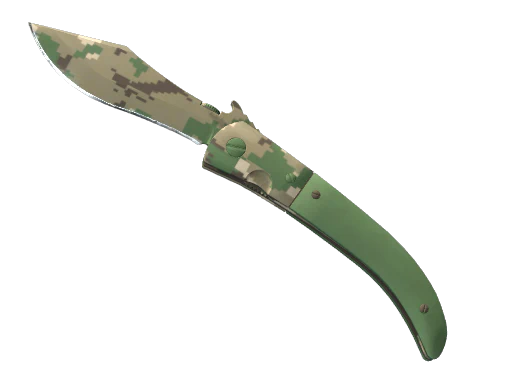
Budget-tier demand and a thin market profile make this Navaja Knife a trade for selective sellers. Floor is soft and activity is sparse, so clean copies carry the only real lift while every other wear clusters tightly. Watch float caps and the Horizon Case origin before you press sell.
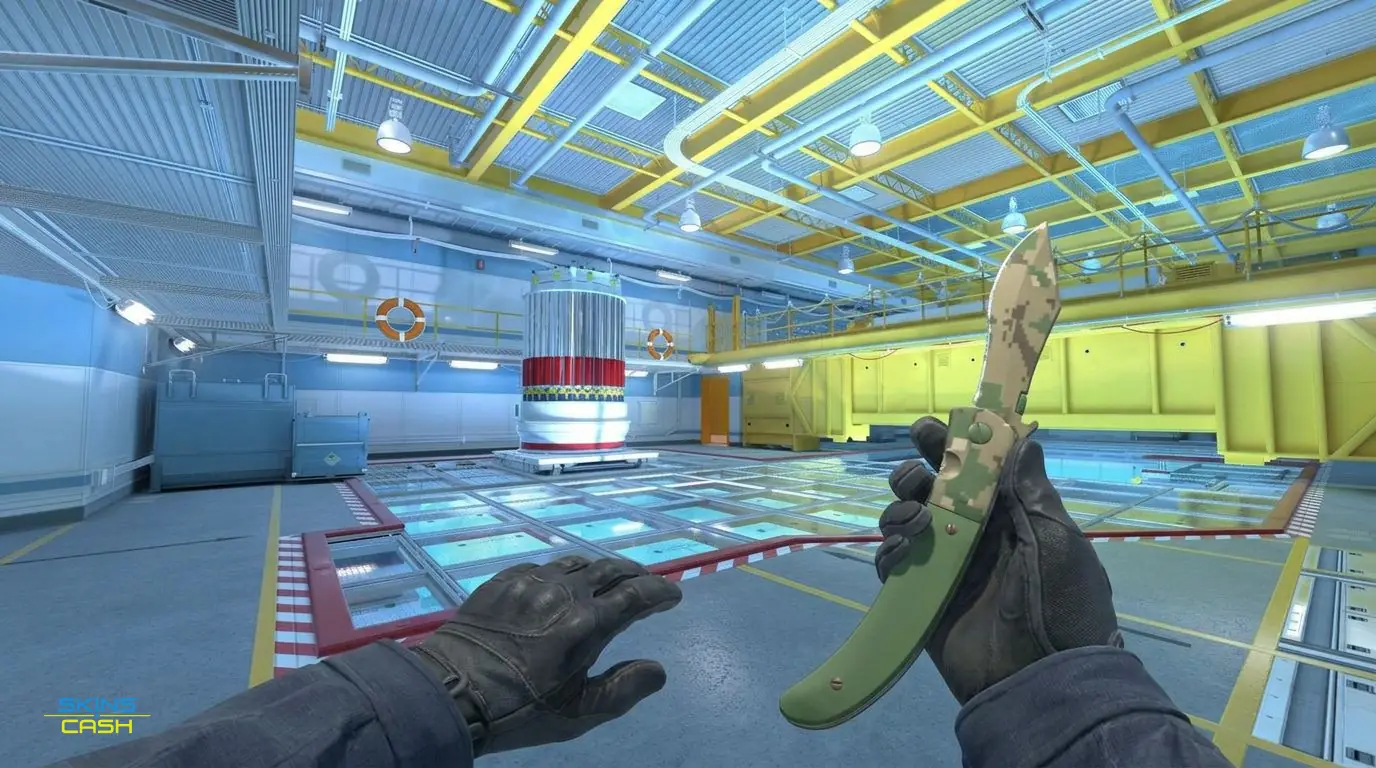
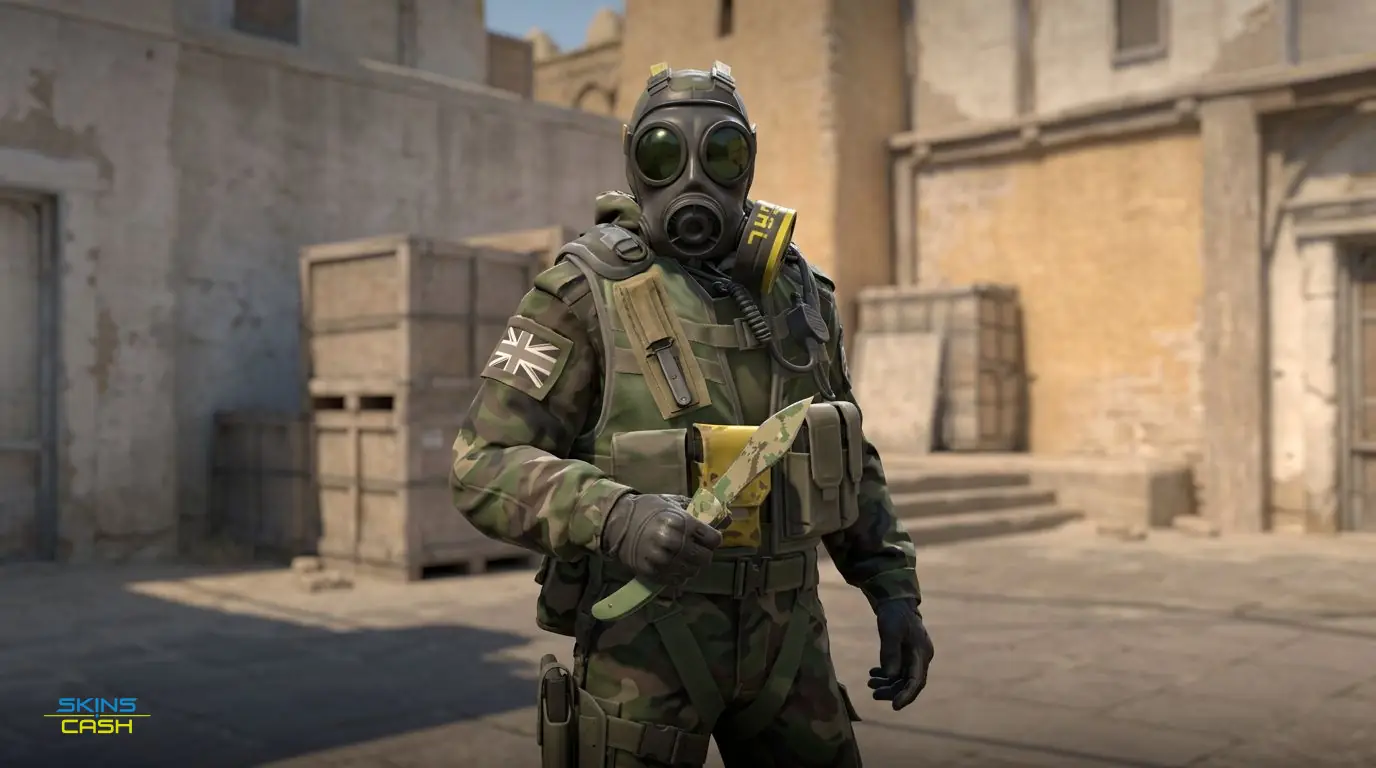
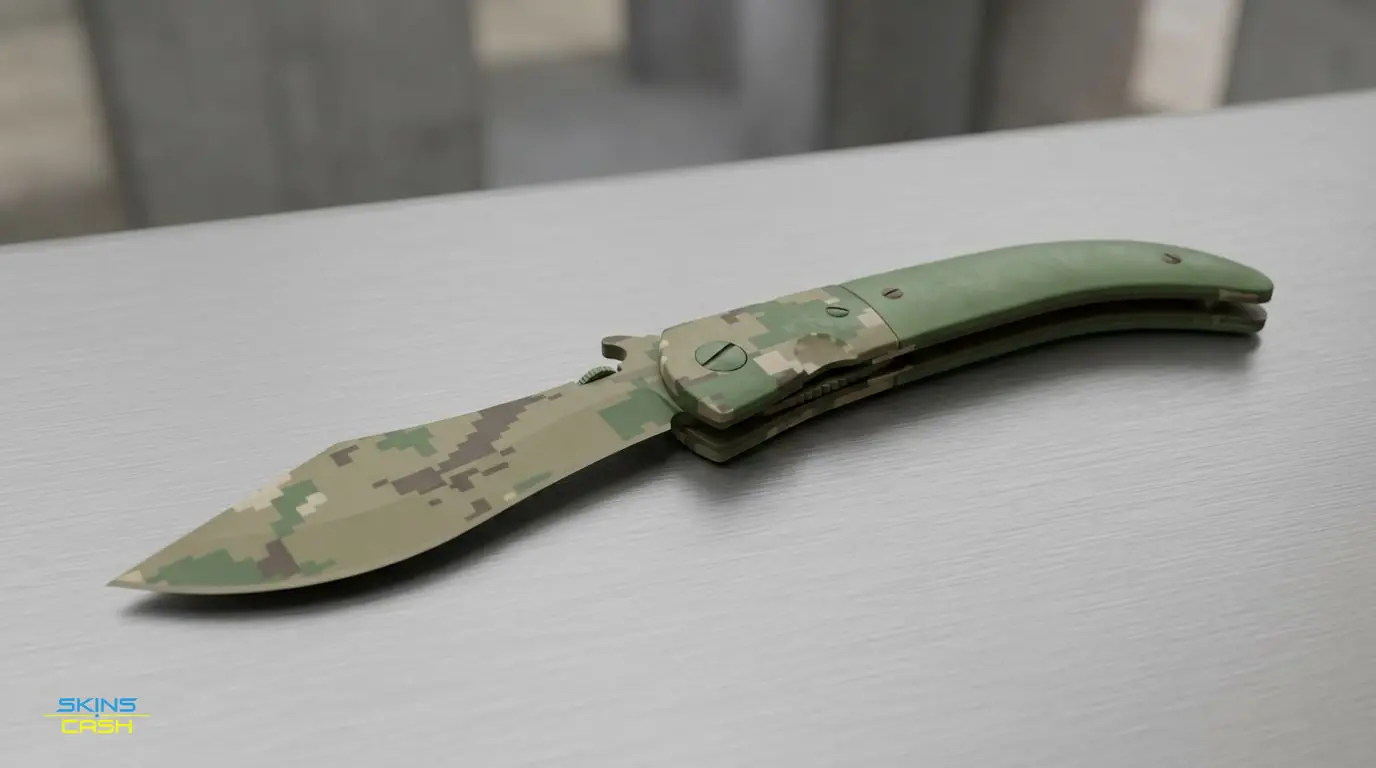
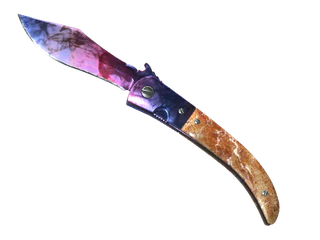
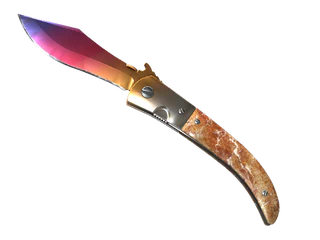
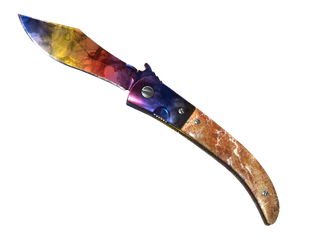
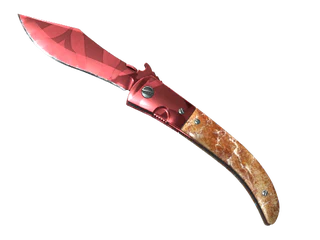
This sits solidly in the budget bracket among Covert knives; there are buyers but not many active hands. For a seller that means patience or selective timing: the market will move for the clean end, while most copies clear slowly. Valve's Hydrographic finish and the green palette give it a recognizable look, but that recognition has not translated into broad demand.
The payout curve is top-heavy with a hard break toward the cleanest floats rather than a smooth glide across wears. Expect a steep premium concentrated at the very clean end and then a long, flat shelf through the mid and lower wears. That break defines where the market cares and where it does not.
The gap between listing sticker and what you actually net is meaningful here because the market is thin; bid depth is light and buyers often sit below asking. Listings will show hopeful numbers but real cashout typically lands lower after fees and the time it takes to match a buyer. Price your net goals with that spread in mind and expect some slippage unless you target the active clean buyers.
Worn copies cluster close together in payout, so small float differences down low rarely move the tape. If you hold a worn Navaja Knife the decision is simple: it trades like a block, not a ladder, and speed matters more than tiny float gains. Use that compression to sell fast if you need liquidity rather than waiting for negligible float ticks.
This Hydrographic finish does not use the full float spectrum, so even the worst-looking copies read cleaner than many other knives. That cap compresses perceived wear and tightens expectations at the bottom of the ladder, changing how buyers assign value. In practice the capped range removes one variable from negotiations; floats stop behaving like a free-for-all.
There is no pattern index play here, so buyers and sellers do not need to hunt for lucky seeds or special faceting. Float and condition tell the whole story for this Navaja Knife, which keeps price discovery straightforward. That removes a layer of noise and makes clean-versus-not the primary conversation.
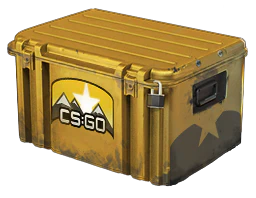
This knife originates from the Horizon Case, which determines ongoing supply and visibility in drops. Case origin also shapes who actually opens these and how often they appear in circulation. Horizon Case provenance is a standing note in wallets and listings when traders size up supply.
The all-time band for this Covert has been wide, with noticeable swings between the low-tier bulk and the clean-end premium. Current quotes sit somewhere inside that band rather than hugging a tight corridor, leaving room for either compression or expansion if demand rules change. Sellers should expect history has shown volatility, not stagnation.
The most frequent error is treating every listing as comparable without checking float caps and the thin-market spread; another is overvaluing mid wears as if the ladder were smooth. Avoid those traps by verifying clean-end availability and backing out the buyer spread before you accept a sticker. Remember Valve's Hydrographic finish and the Horizon Case when you compare listings.
This skin is respected for its look and Valve pedigree but it does not command cult status; sentiment is lukewarm and transactional. That keeps demand steady only for the clean copies and means broader interest will not rescue a worn piece. Traders who know it treat clean examples as the only ones worth longer hold times.