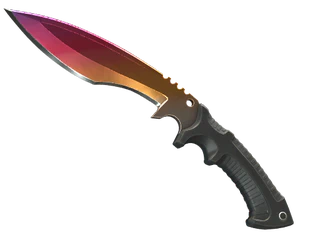
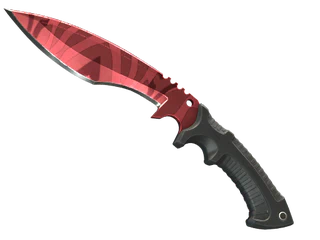
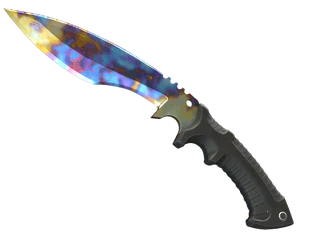
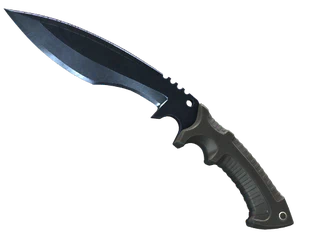
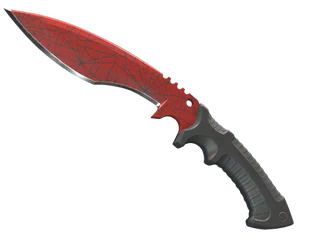
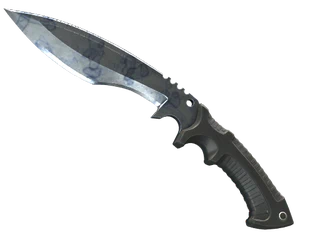
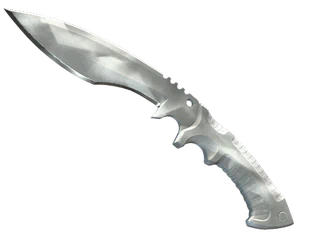
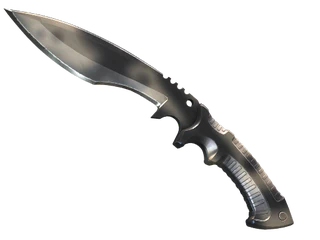
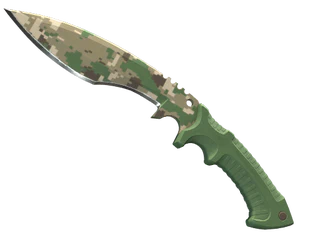
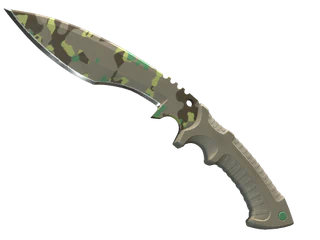
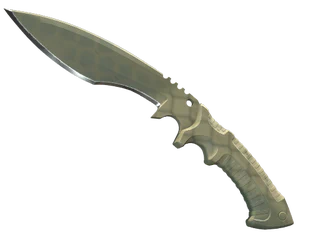
This Kukri Knife sits in the mainstream market with a very wide historical range and demand that has softened recently. Sellers should treat float discipline as primary: the full float span matters, and the market has been drifting down across recent windows.
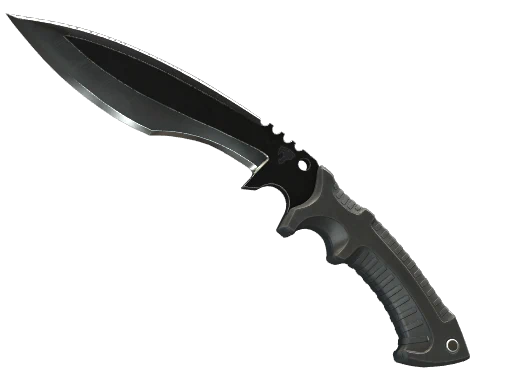
This Kukri Knife sits in the mainstream market with a very wide historical range and demand that has softened recently. Sellers should treat float discipline as primary: the full float span matters, and the market has been drifting down across recent windows.
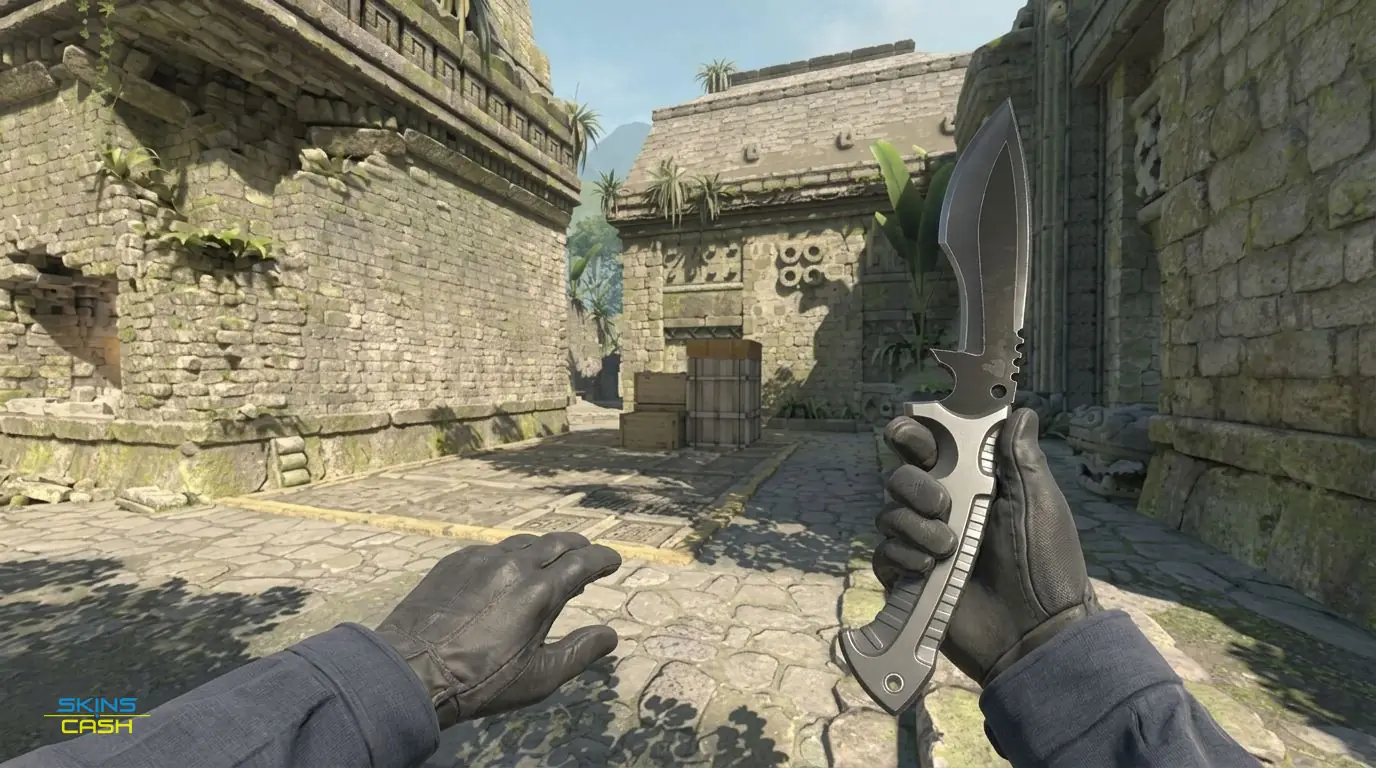
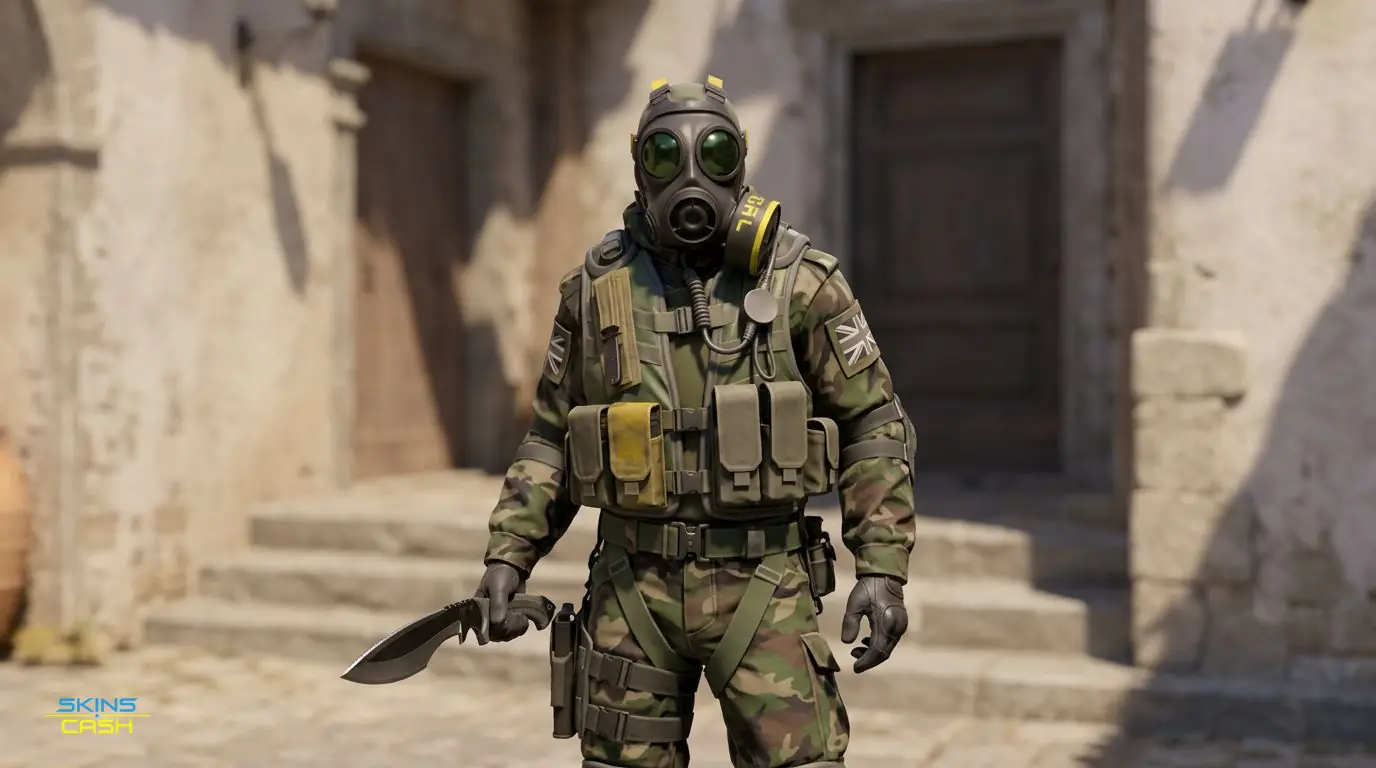
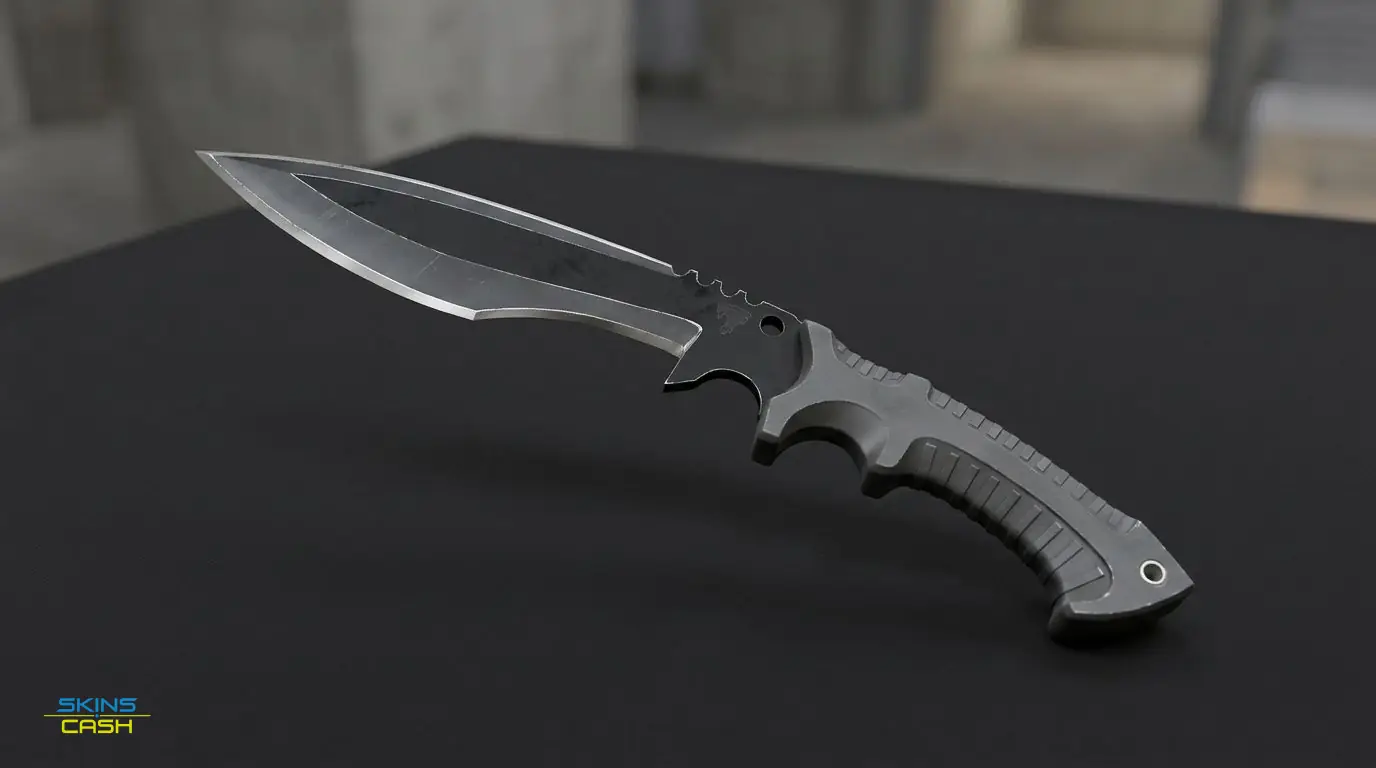
Covert rarity and a knife slot push this Kukri into the premium-to-mid neighbourhood of attention rather than the bargain bin; it attracts players who want a low-profile, black blade rather than flashy rares. For a seller that translates to fewer but more deliberate buyers - listings sit longer, but sales happen when the float and visuals line up.
The ladder here has a full-range profile with a clear shape: values compress through the mid-wears and then change sharply toward the clean end. Expect most of the meaningful uplift to be concentrated at the very clean floats, while the rest of the ladder trades in a much wider band.
The gap between a live sticker and the cash a seller nets is wider than for quick-turn budget items because liquidity is thinner on the higher end. Market takers price in float certainty and listing friction; you will often see asks that anticipate the buyer searching for a specific clean copy rather than an immediate payout.
If you want skin-for-money, the mid-tier wears give the most practical value: decent in-game look without demanding the premium for the cleanest floats. Clean copies reward you, but only up to a point where the incremental payout starts to flatten compared with the jump in buyer patience required.
This Kukri runs the full float span, so float discipline is not optional - every decimal shift can change perceived quality and buyer interest. When picking a copy to sell, be strict: the same listing language will attract completely different buyers depending on where the float lives.
There are no pattern or seed quirks to price around here, so price signals come from float and condition alone. That removes a layer of noise; you price the finish and the float, not hopes of a rare pattern variant.
There is a single market line to read - no StatTrak nor Souvenir detours to complicate comparables. That simplicity makes it easier to set expectations: comparable listings are apples-to-apples on wear and finish.
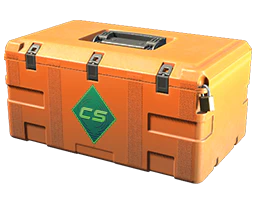
The Kukri originates from the Kilowatt Case, which keeps supply tied to that container's circulation rather than broader crate families. That origin matters for how many fresh copies appear and how quickly the market can reprice after demand shifts.
A restrained black palette and Raw finish give the blade a utility look that reads well in-game: stealth over flash. The designer credit aligns with a minimalist aesthetic rather than loud, saturated themes, so buyers wanting subtlety prefer these copies.
Volume and price momentum have eased down over the last month, showing a soft drift rather than violent swings. Over the longer span the read is harder - the historical range is vast and the one-year direction has been moving decisively down.
Traders often misprice by ignoring float spread and assuming broad demand for any covert knife; that costs you when a buyer is hunting a clean Kukri specifically. Also watch phrasing: list the exact float and finish; vague listings invite lowballers and slow the sale.
Names like koala and oSee give the Kukri some scene recognition without turning it into a hype collectible. That kind of visibility nudges a steady trickle of interest rather than sudden spikes, useful if you prefer predictable exits.