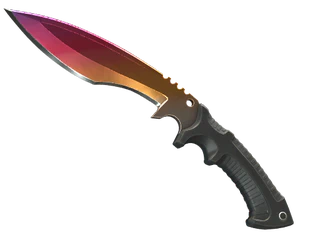
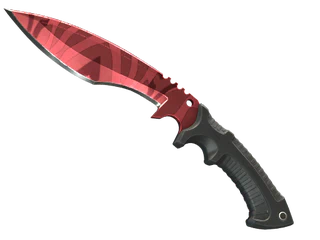
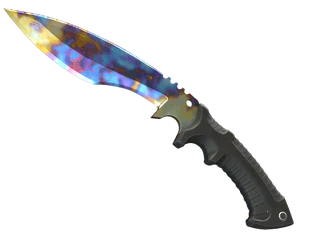
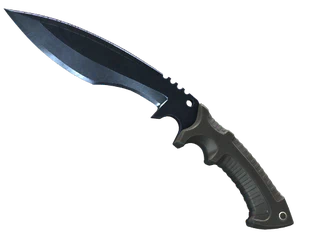
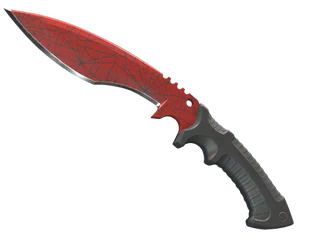
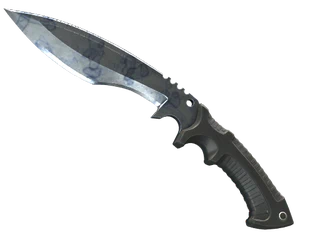
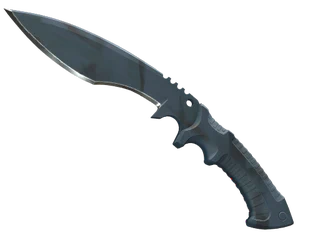
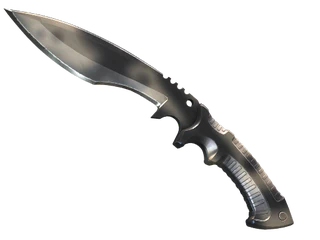
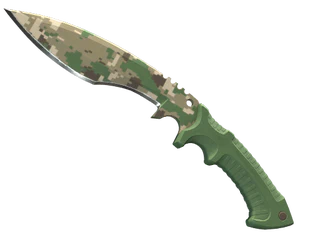
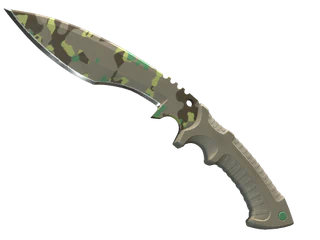
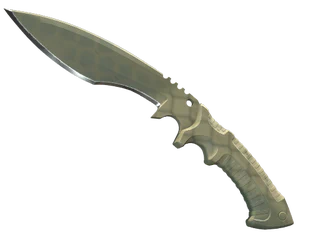
This Kukri sits squarely in the mid tier and behaves like a trade knife with a weak floor and a tight top end that buyers prize. Float is capped and the clean finishes carry a large premium, while StatTrak copies invert the usual spread and trade on a slightly different curve.
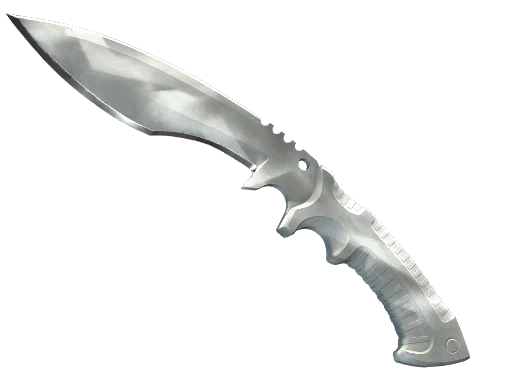
This Kukri sits squarely in the mid tier and behaves like a trade knife with a weak floor and a tight top end that buyers prize. Float is capped and the clean finishes carry a large premium, while StatTrak copies invert the usual spread and trade on a slightly different curve.
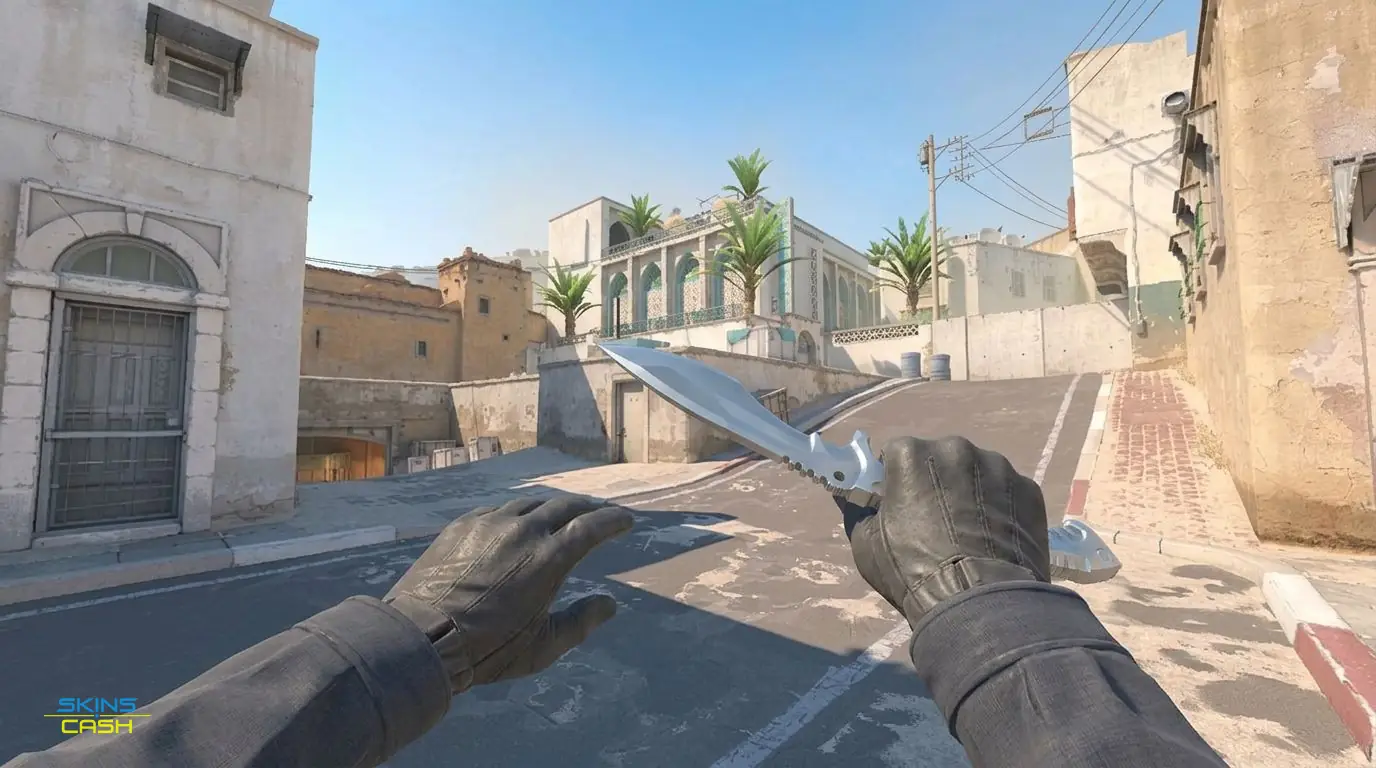
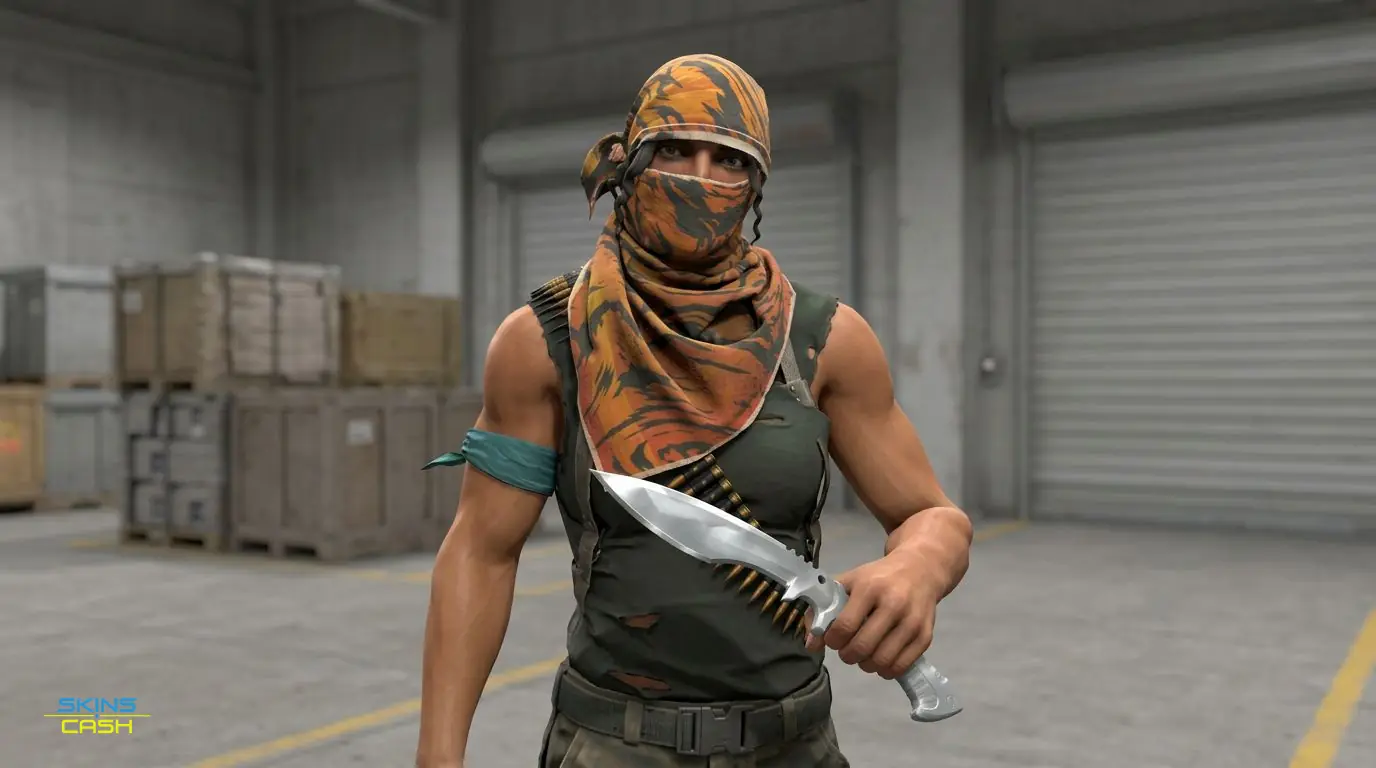
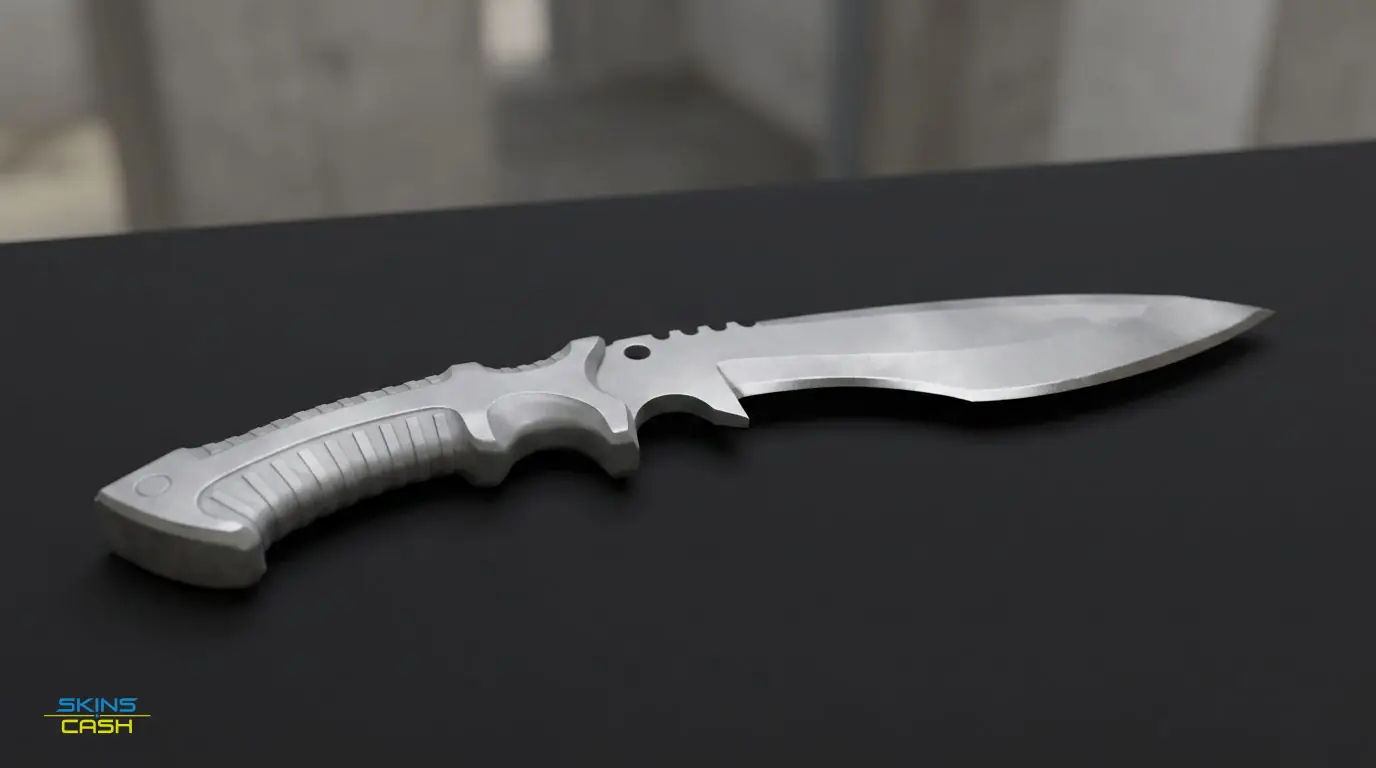
Mid-tier value and covert rarity give this Kukri a practical place in inventories: not grail money, but not casual budget either. For a seller that means steady interest from collectors who want a clean clean finish from a recognized Valve designer, rather than impulse buys from the widest audience.
The ladder is steep from the best wears and then flattens out into a compressed lower band; payouts cluster heavily at the top of the curve while the bottom end moves in a narrow range. That shape makes small differences near the clean end matter more than similar float swings deeper down.
Top-wear Kukris command multiples above the rest because the finish style and gray palette read exceptionally tight in near-pristine condition; buyers pay extra for that near-uniform spray-paint look. Expect most of the tradable value to concentrate in those clean copies rather than across the whole run.
Sticker prices for listings often overstate what you net because the market shows a meaningful gap between ask and cashout. Part of that spread is liquidity friction-clean pieces sell to serious buyers only-so your realized cash will generally be lower than headline asks until a buyer is in the right mindset.
The capped float forces the worst copies to remain cleaner than most knives, which compresses movement on the low end and shifts attention upward. That behavior makes middle-wear Kukris feel like functional backups rather than discounted stand-ins for the top tier.
StatTrak Kukris run on their own demand curve and demonstrate inversion behavior: the ST tag pulls value differently across wears, and buyers treat those copies as discrete even if the visual is similar. For a seller, StatTrak usually clears at a different level than normals and requires separate pricing consideration.
There is no pattern index trickery here; finish is spray-paint and pattern variance does not affect price, so you price by float and StatTrak alone. That removes a common pricing headache and keeps valuation clean and repeatable.
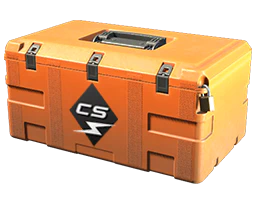
This Kukri is tied to the Kilowatt Case, which places supply firmly in the case pool rather than a special crate or campaign. That origin means availability comes in steady flows tied to case circulation rather than narrow seasonal scarcity.
The gray spray-paint finish and understated palette read muted and utilitarian in-game, making the blade versatile under many lighting conditions. Valve's design keeps contrasts subtle, which is why collectors who like a low-profile look target the clean examples.
Short-term direction has bent upward softly after a longer downtrend, signaling tentative buyer interest after a protracted reset. That recent lift is fragile; it looks like buyers are nibbling rather than charging in.
Buyers looking to flip should prefer asking near the lower band unless they are hunting the clean-end premium; patience pays because the spread compresses if you time a listing into demand. Avoid paying for near-clean copies if your plan is a quick turnover into the mass lower range.
Among traders this Kukri is respected for practicality rather than hype-clean copies are admired, normals are utilitarian. That steady, matter-of-fact sentiment keeps demand predictable and means extremes are rare.