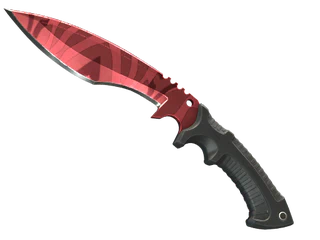
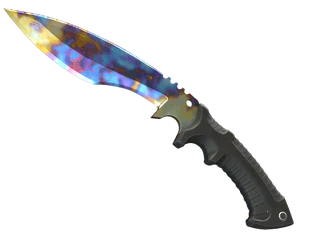
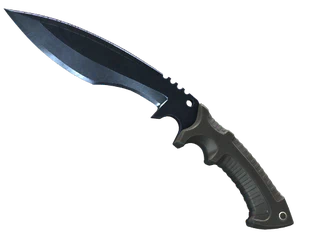
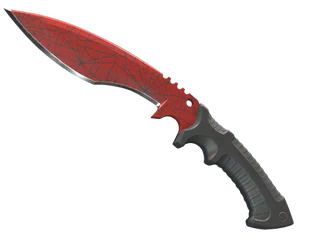
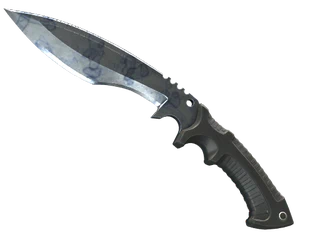
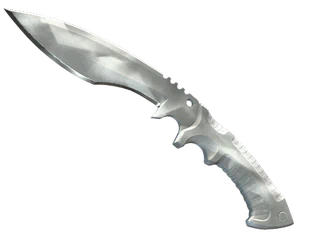
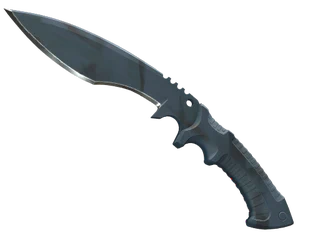
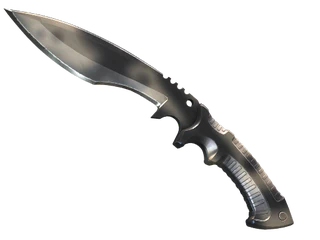
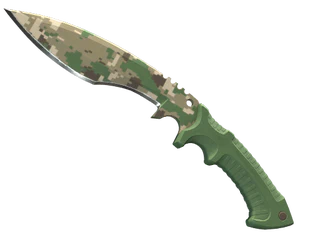
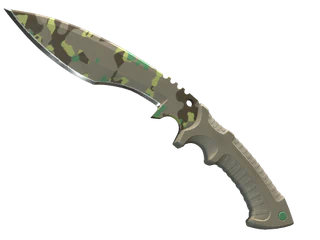
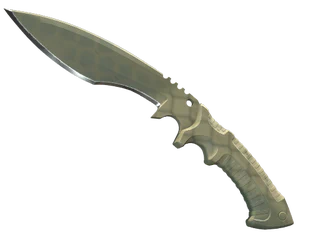
This kukri sits squarely in the mid bracket with a firm floor thanks to its covert rarity and a designer finish that still moves with collectors. Interest is steady at the top clean copies, but the broader band has been trimming back after a long softening - expect patient bids rather than instant lifts.
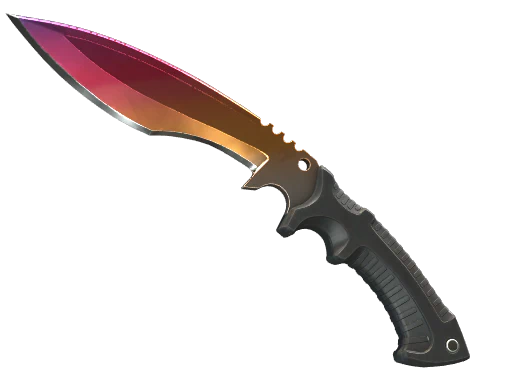
This kukri sits squarely in the mid bracket with a firm floor thanks to its covert rarity and a designer finish that still moves with collectors. Interest is steady at the top clean copies, but the broader band has been trimming back after a long softening - expect patient bids rather than instant lifts.
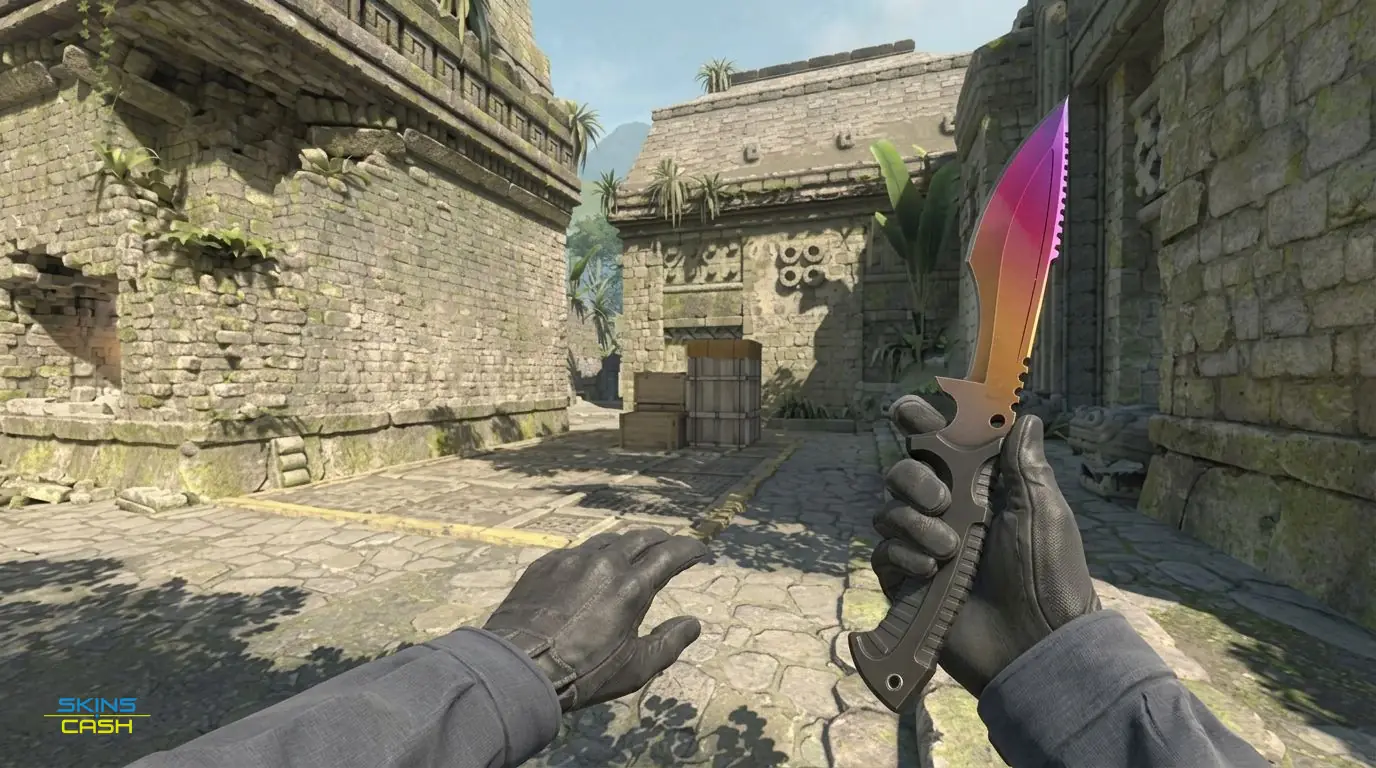
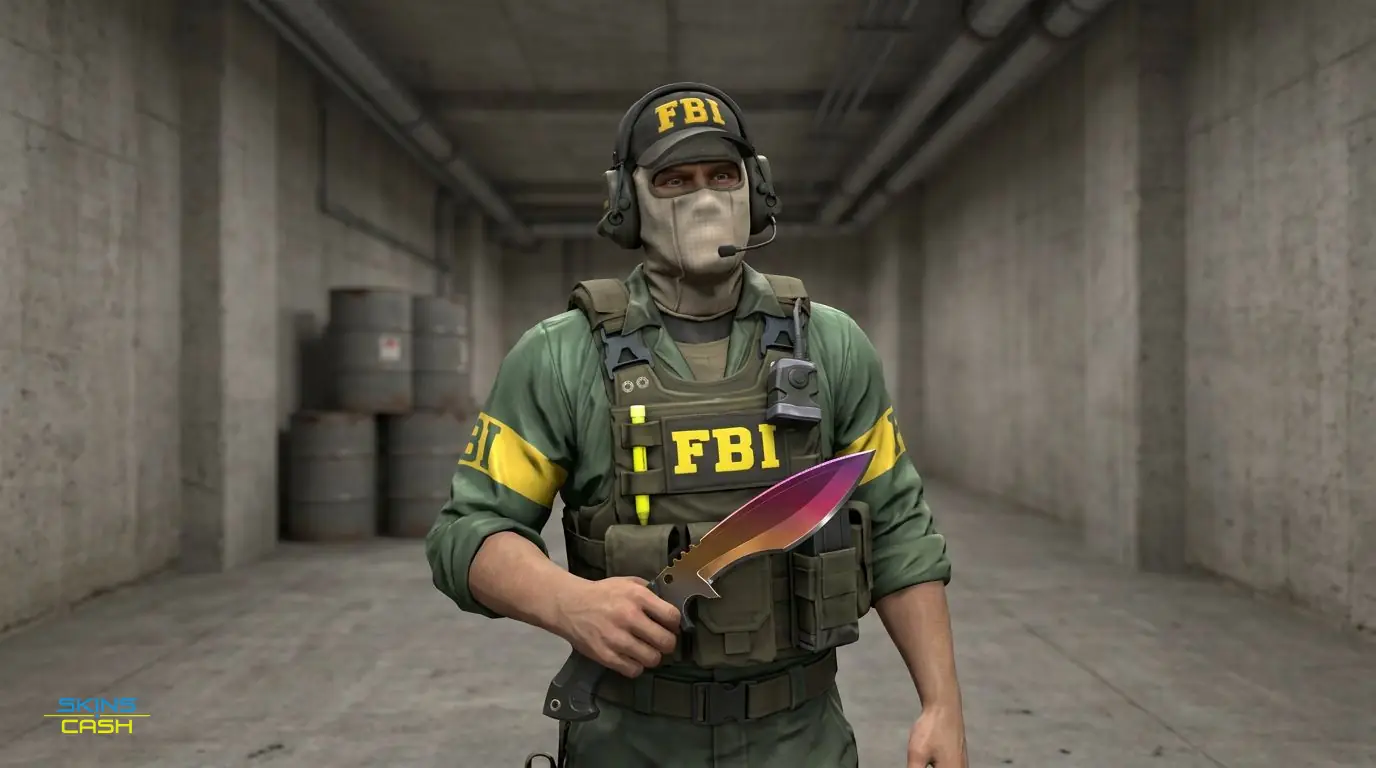
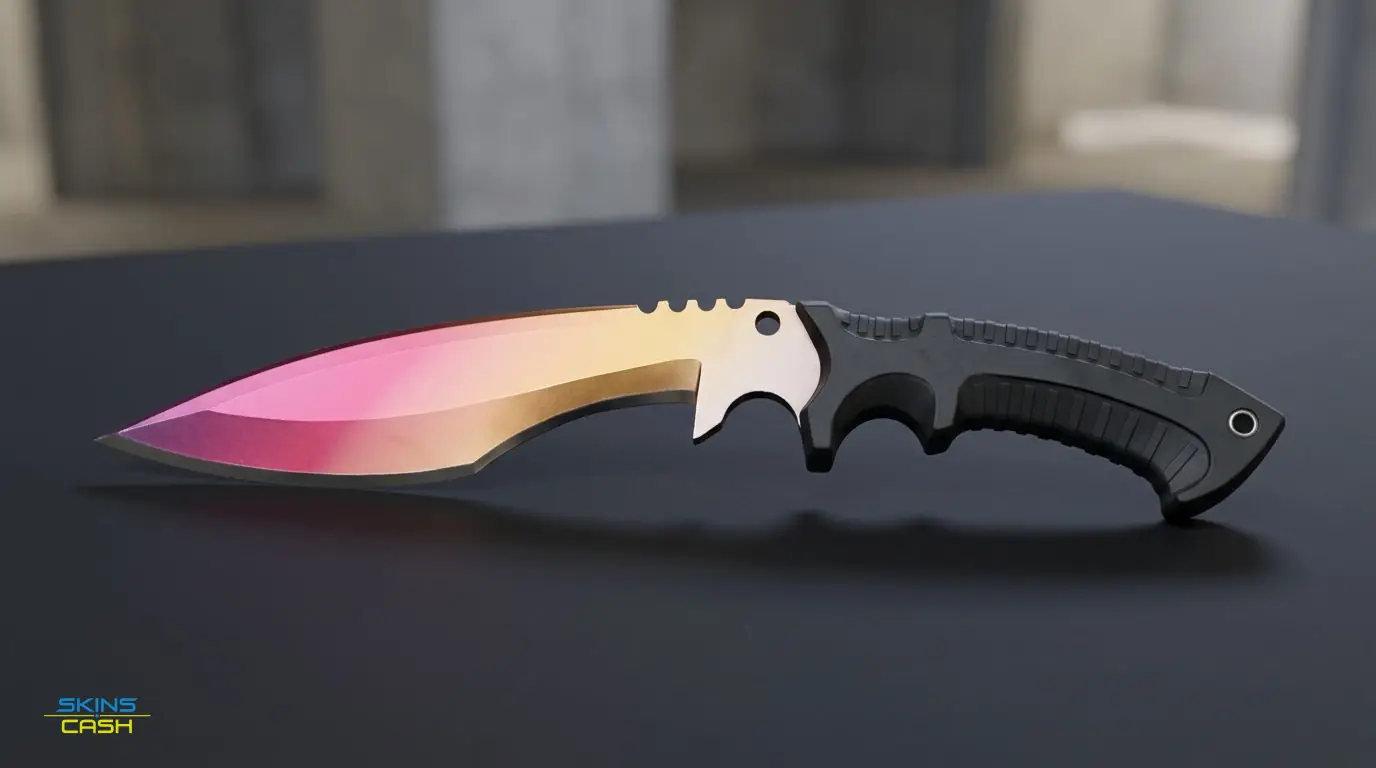
The Kukri Knife | Fade trades as a mid-tier covert rather than grail money, so activity comes from players who want a statement knife without chasing insane premiums. As a Valve-designed, anodized airbrushed finish from the Kilowatt Case it attracts both collectors and mains, which keeps demand functional rather than speculative; sellers get regular interest but not frenzied bids.
The ladder is capped toward cleaner wears, producing a clear premium at the clean end and a gentler slope through the middle wears. Expect a distinct step rather than a smooth glide from clean to worn, with the very top copies commanding the attention and the rest trading on a tighter gradient.
Mid-to-clean floats are where you extract the most skin-for-money because the palette reads best before heavy edge fade softens the effect. If you want the biggest visual return for added premium, target those cleaner-to-mid steps and stop paying up once the anodized sheen begins to wash.
The worn copies live in a tight payout band, so wear differences down low barely move the needle for buyers who just want a kukri that looks used. That makes holding a worn copy less risky; listings cluster and sales happen without deep negotiation when the seller prices to that narrow bottom band.
This finish does not span the full float spectrum, so the supposed 'worst' copies still show cleaner surfaces than other knife finishes. The cap lifts the effective low-end appearance, compresses perceived wear, and subtly supports values at the bottom relative to other finishes with wider float ranges.
Seed sensitivity is real here: certain seeds produce a cleaner Fade spread across the blade and that commands meaningful extra across the ladder. Check the seed for how the anodized fade lands; clean, centered spreads outperform awkward banding and are the first thing buyers call out in trades.
Being covert gives this kukri a dependable base that keeps the low end from collapsing entirely, even when broader trends are weak. Sellers can lean on rarity when pricing worn copies; that tier underwrites interest from collectors who buy for the vault as much as for play.
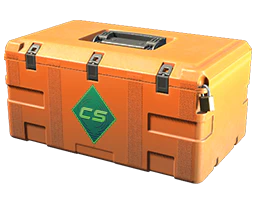
Coming from the Kilowatt Case, supply is steady but not endless, which helps keep the mid-tier market functional. That origin means most active copies are already in circulation rather than newly raked from a fresh, hot container release.
The finish is anodized airbrushed Fade across a kukri profile, so the warm-to-cool fade reads aggressive on the curved blade and holds up in-game at most lighting angles. The designer treatment keeps colors vivid without looking pasted on, which is why mains and collectors both notice it.
This skin has moved across a massive historical band, so current listings sit somewhere inside a long swing rather than at a fixed peg. That amplitude rewards timing: sellers who match the market pulse get appreciably more than those who list to stale midpoints.
Traders often ignore seed and list as if float alone decides value; that flattens interest and slows sales. Another common slip is folding the capped float into expectations for worst-case wear; treat the bottom as cleaner than comparable knives to avoid underpricing.
xKacpersky has been linked with this kukri, which nudges demand among fans who track pro inventories and display choices. That single pro tie keeps occasional attention and can tilt collectors toward cleaner, eye-catching seeds.