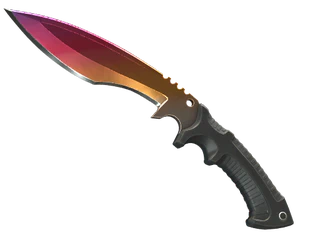
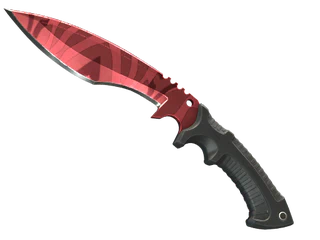
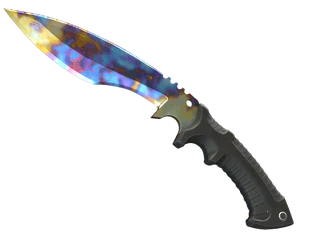
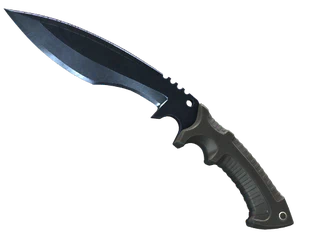
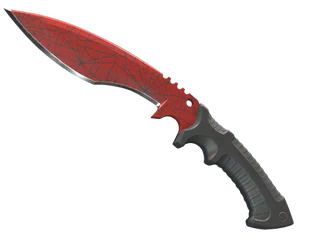
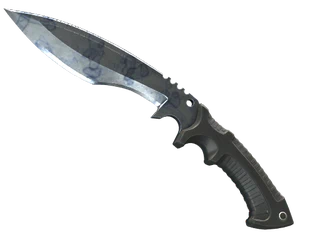
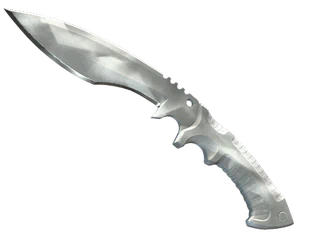
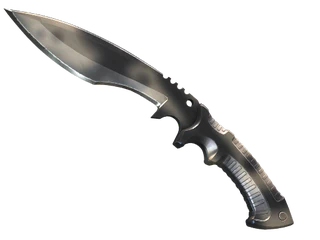
Mid-tier covert with a capped float profile and a compressed low end; steady buyer interest but weak floor pressure after a long downtrend. StatTrak copies trade on a separate curve and carry a noticeable finishing premium, so pick your exit around the clean end or accept a flatter payout across worn examples.
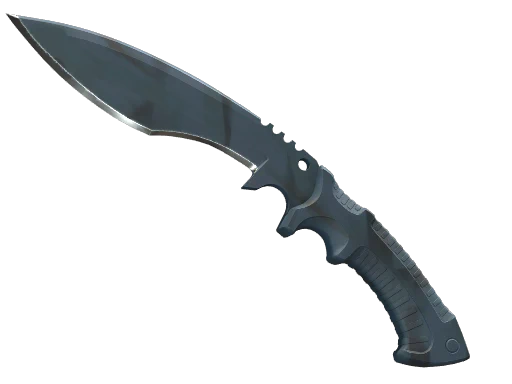
Mid-tier covert with a capped float profile and a compressed low end; steady buyer interest but weak floor pressure after a long downtrend. StatTrak copies trade on a separate curve and carry a noticeable finishing premium, so pick your exit around the clean end or accept a flatter payout across worn examples.
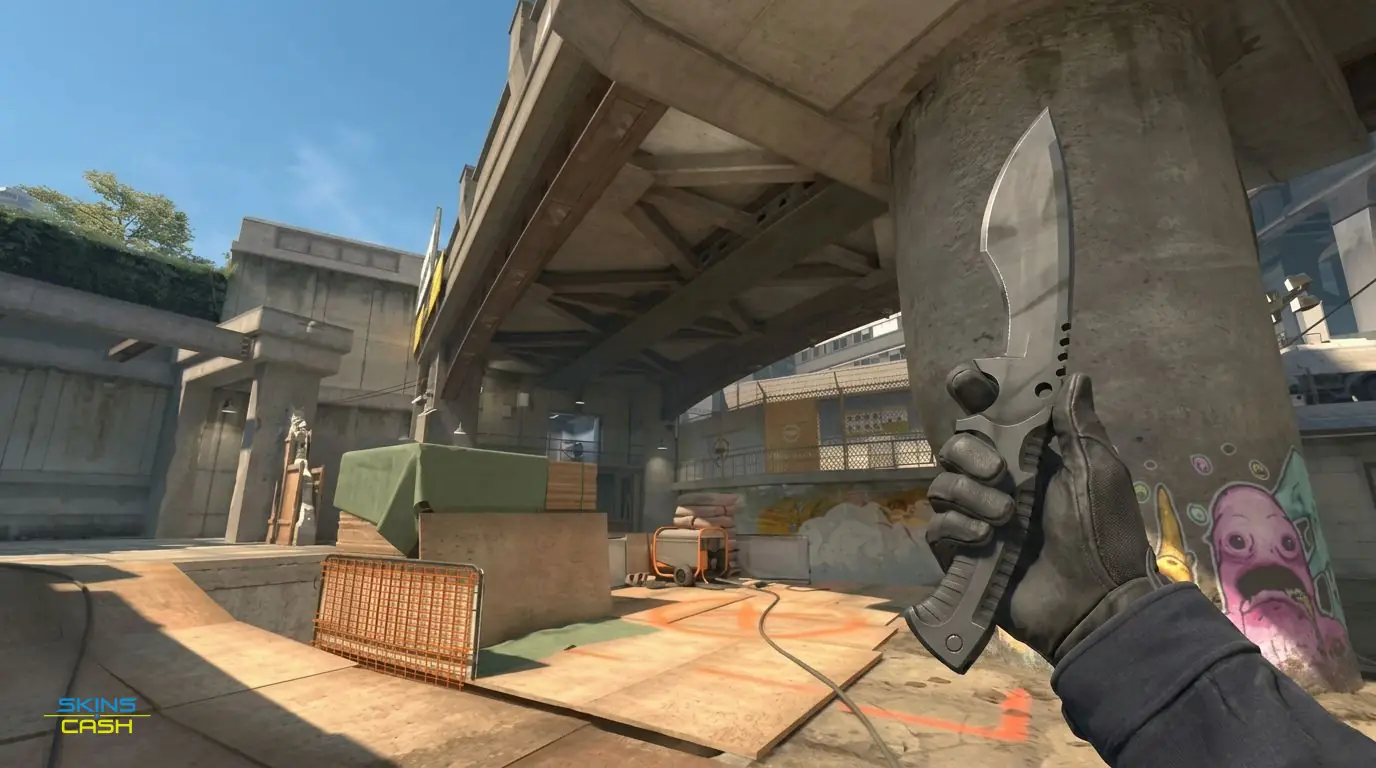
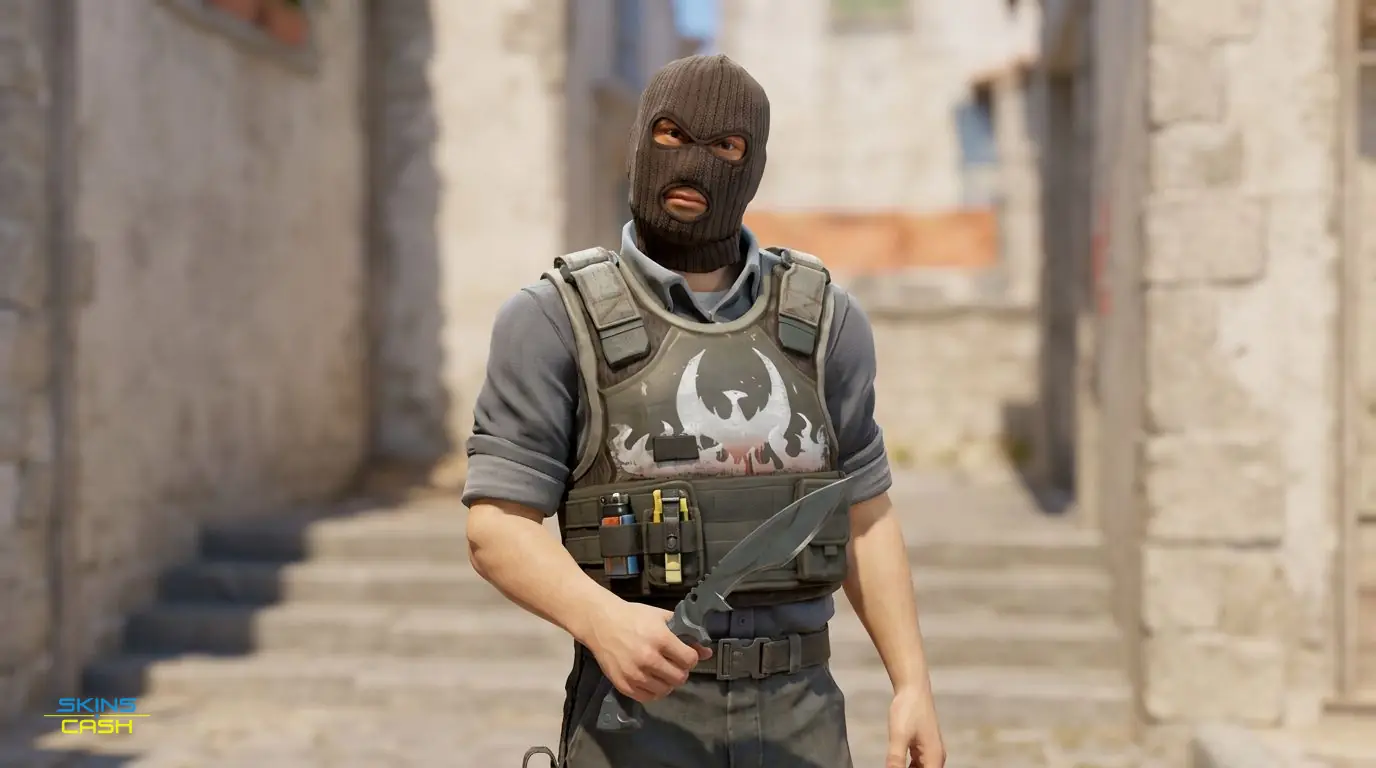
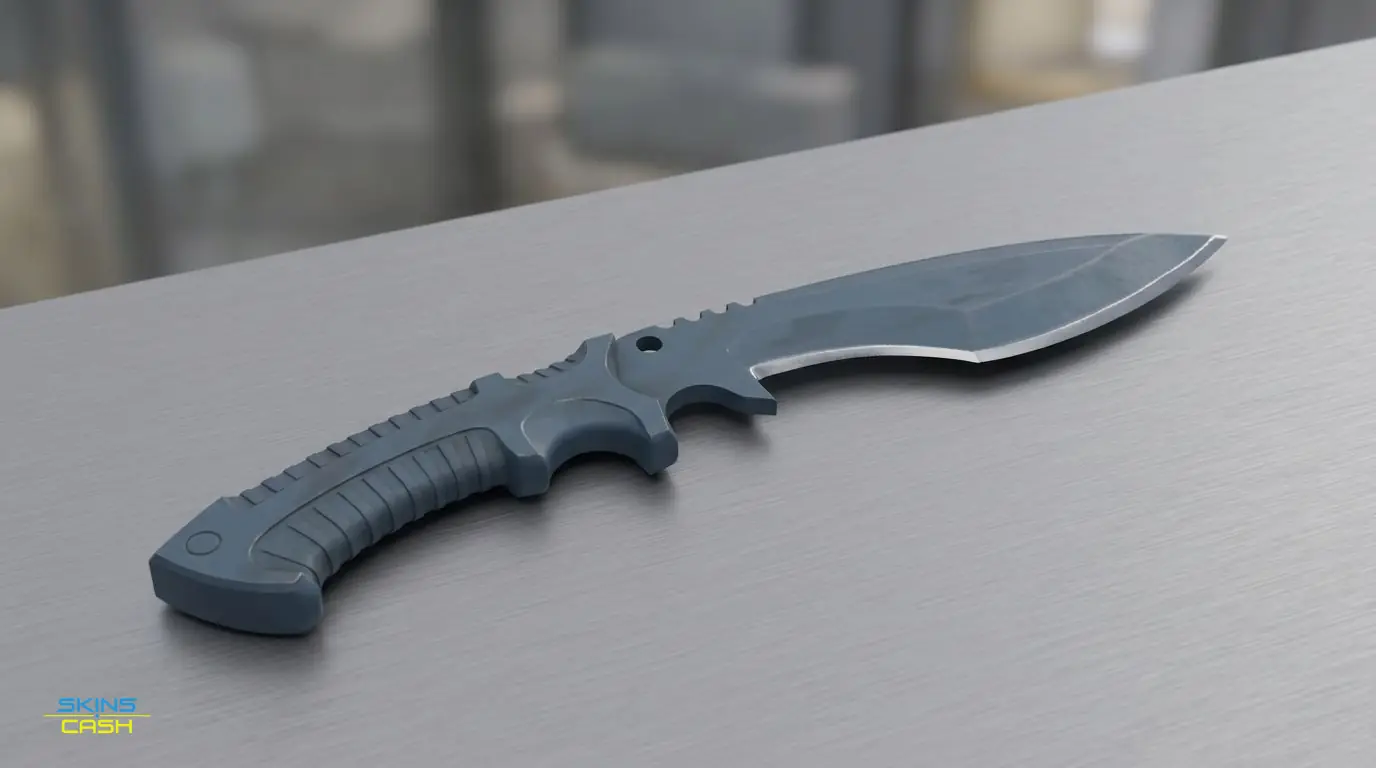
This sits squarely in the mid bracket among fixed-blade covets: not grail money, not budget churn. Buyers are mainstream and deliberate - the Valve pedigree and the kukri silhouette keep it liquid enough to move, but weak floor strength means you do not lean on ongoing upward momentum when timing a sale.
The ladder is frontloaded: value concentrates toward the clean end with a clear step down as wear increases. Because the float range is capped the drop is sharper from the top than the rest of the band, so the clean tier commands most of the attention while middle and low wears grade out more gradually.
Expect a visible spread between listing stickers and what a seller nets. Market asks sit higher while takers chase cleaner floats; with a mid-tier item like this you will often see a band of listed prices above the cashout level, and that delta is where negotiation and timing matter.
Worn copies live in a tight payout band thanks to the compressed lower-tier spread, so differences between mid and worst wears are minimal. If you hold a worn Night Stripe, realize wear itself will not unlock much extra value - liquidity settles around that grouped low end rather than rewarding marginal scratches.
The finish does not reach the absolute worst floats, so the 'bottom' copies are cleaner than comparable knife finishes that span the full range. That changes buyer psychology: the apparent worst still looks mid-clean, which keeps buyer interest steadier but also shortens the ladder's backyard for deep discounts.
StatTrak exists and acts like its own mini-market here, with a persistent premium over non-StatTrak examples and occasional inversion quirks. Because an ST line can re-rate independently you will see different momentum on those listings; for sellers that means separate pricing rather than tacking ST onto the same asking band.
There is no pattern play to chase on this spray-paint finish; pattern index does not drive premium here. That strips out seed noise - you price by float and finish alone, which simplifies valuation but also concentrates demand into obvious wear bands.
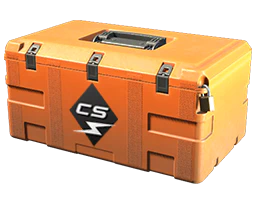
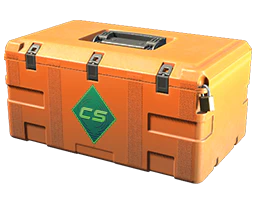
It drops from the Kilowatt Case, so supply logic follows that container flow rather than a special event. That origin keeps new additions steady when case activity is normal, and supply shocks from elsewhere are rare.
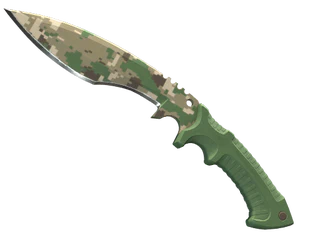
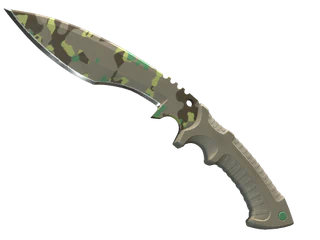
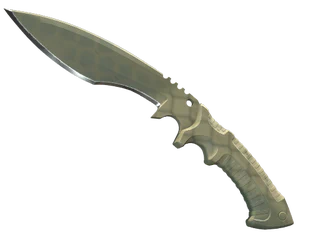
A utilitarian gray spray-paint read with stark contrast; the palette plays clean on most maps and the spray style gives a raw, tactical feel. Valve's designer touch shows in the balanced wear reads: scratches age predictably and the knife keeps a coherent look even at higher wear.
The historical band is massive, with long swings between top and bottom over the skin's life. Current placement sits well within that wide band, reflecting a market that has compressed after a longer downtrend but still leaves room for sharp moves on cleaner examples.
The usual errors are treating StatTrak and non-StatTrak as identical and ignoring the capped float when pricing worse copies. Check float first, separate ST listings, and do not anchor to sticker highs - the real cashout is governed by where buyers concentrate on the ladder.
The community regards it as a solid, mainstream kukri - respected, not culted. That results in steady, practical demand rather than speculative spikes; sellers trade into real need, not hype.