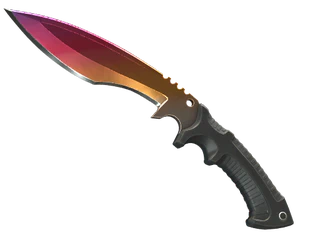
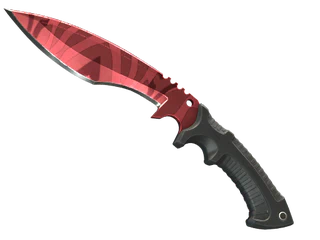
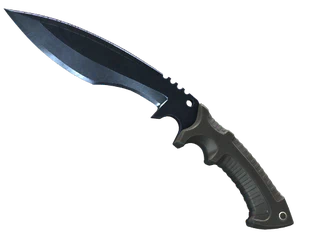
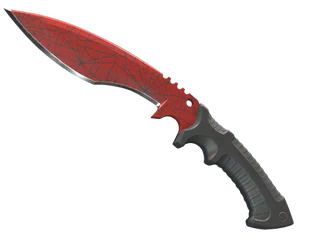
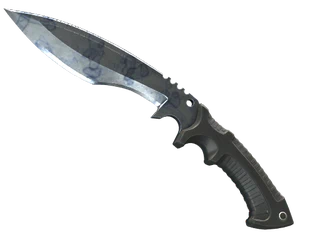
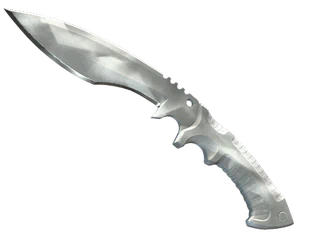
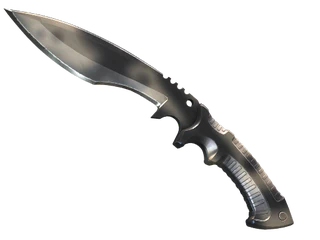
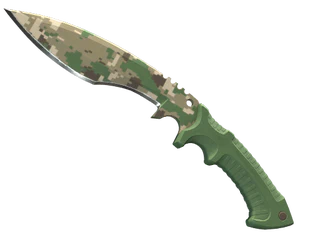
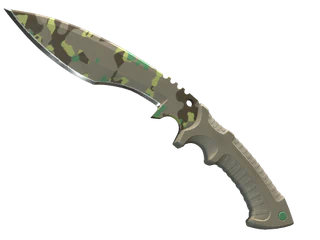
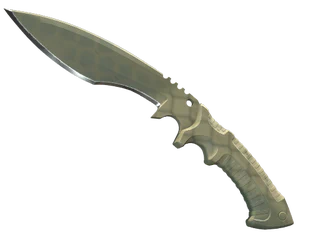
Mid-tier value with a clear split between clean and worn copies. The kukri's patina finish and full-range float profile mean buyers pay a premium for top wear while the rest of the ladder sits closer together; Stattrak examples add an additional buyer pool to consider.
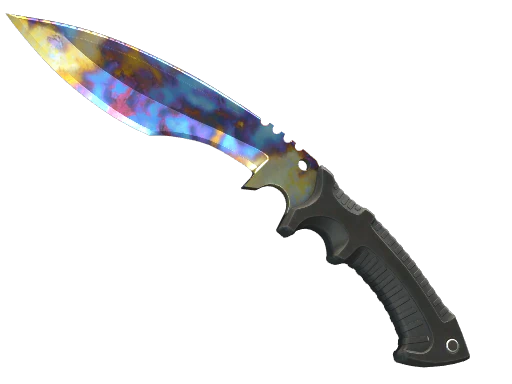
Mid-tier value with a clear split between clean and worn copies. The kukri's patina finish and full-range float profile mean buyers pay a premium for top wear while the rest of the ladder sits closer together; Stattrak examples add an additional buyer pool to consider.
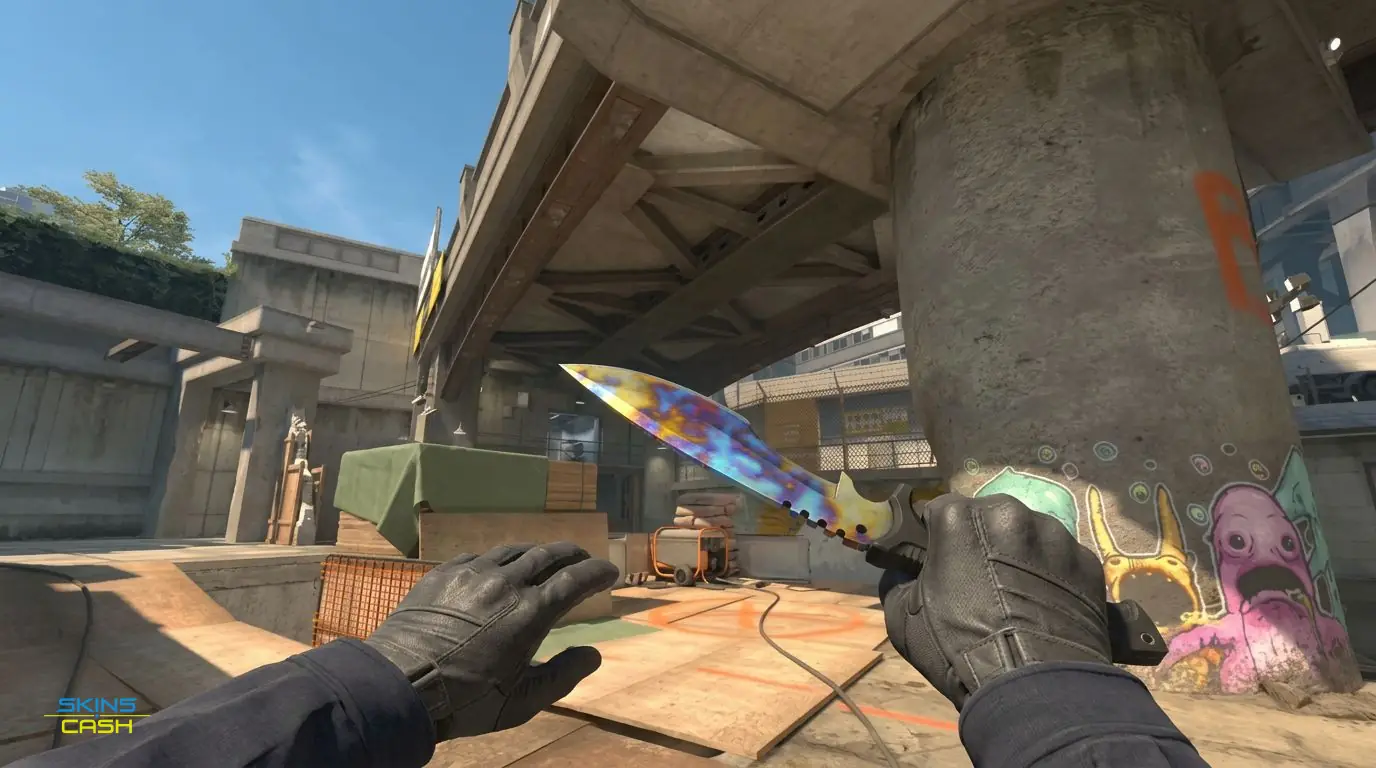

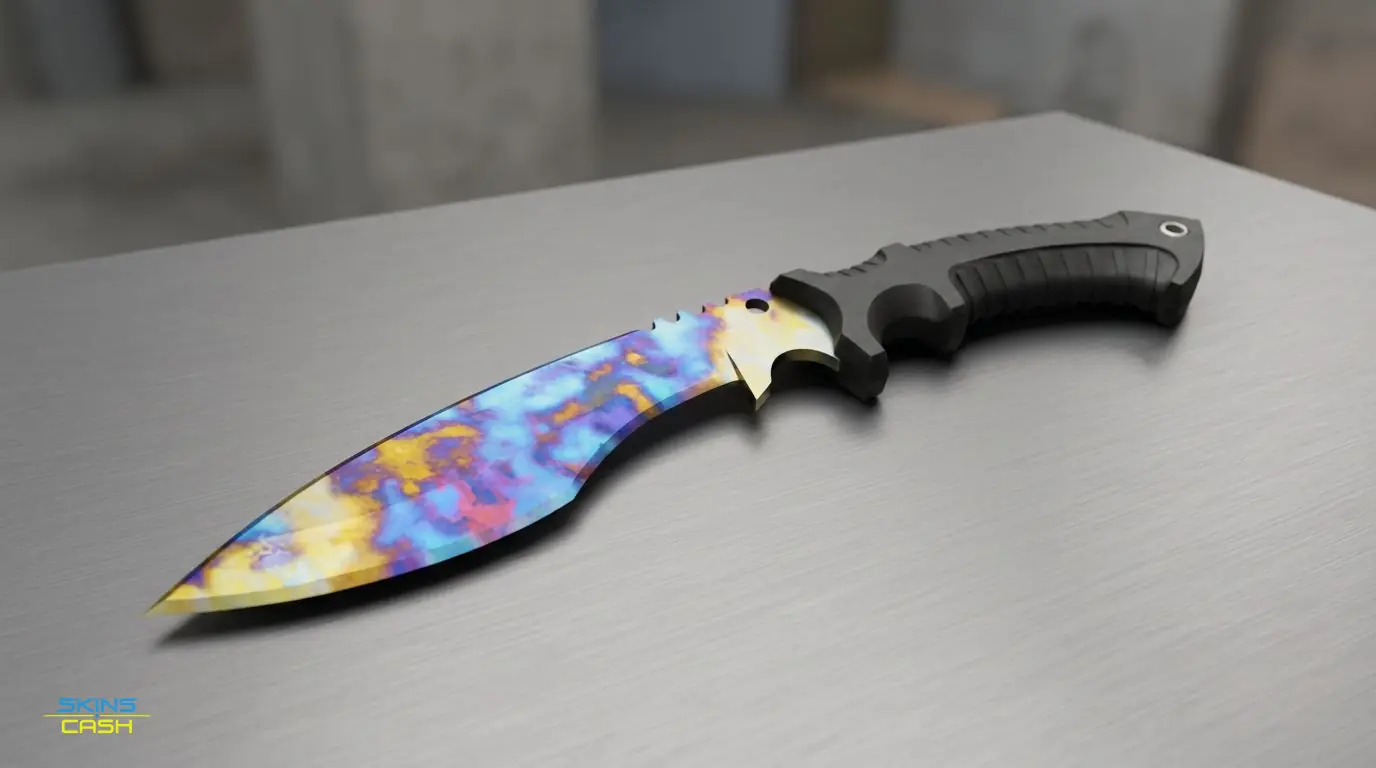
This sits squarely in the mid bracket for covert knives - not grail money, but not budget either. That positioning attracts buyers who want something rare without chasing trophy pieces; as a seller you can expect steady interest from collectors and players who favor the patina look, rather than speculative flippers.
The payout curve is front-loaded: clean faces command noticeably higher returns while the rest of the range tails off more gently. Factory-new and near-clean copies form the top of the ladder, with a distinct gap separating those from the main body of the float band.
At the worn end the payouts compress into a tight band, so small float differences rarely move the needle there. If you hold a clearly worn Kukri, you're competing on the same price plane as other worn copies more than on marginal float advantages.
Expect a buyer-seller gap that widens at the top of the ladder and tightens toward the low end. Listings will show a sticker above what you cash out; factor in that friction when you line up a sale so you don't get caught accepting the visible ask as the amount that hits your account.
The patina finish is seed-sensitive and shows notable character shifts with changing float, so visible face cleanliness matters. Buyers will pay up for a clean, well-centered pattern more than they will for incremental improvements inside the worn cluster.
Being covert lifts the bottom. Even the most beat copies keep a base level of demand because the rarity tier underwrites resaleability, preventing the low end from collapsing into pure junk.
Seed sensitivity is the key spec here: certain seeds produce sought-after case-hardening blazes on the blade that outstrip float alone. Before you price, check the seed closely - pattern premiums can exceed what float differences buy you across the mid-range.
The patina finish gives the kukri an aged-metal look with subtle mottling and reflected highlights that read well in-game on both static and moving models. It's a practical aesthetic; it photographs clean on market shots and keeps the blade legible in action.
This one drops from the Kilowatt Case, which keeps it in rotation with other mid-case covert drops rather than in a limited-offer run. That origin shapes supply: steady but not ubiquitous, which supports the mid-tier positioning.
The longer-term direction has been down hard, re-rating the top of the ladder lower than older highs. Recent short-term pricing has been flat, so the market feels like it found a new normal after that slide.
Price to the spread and hold the clean ones a little longer; since the top wears earn a premium, a timed patience on the right copy recovers friction. Use live blocks and set expectations for the gap between listing and net payout rather than chasing the headline ask.
Among players and collectors this kukri is respected for its patina look and the case-hardening novelty. It isn't a cult grail, but conversation around attractive seeds and Stattrak variants keeps demand consistent and informed rather than casual.