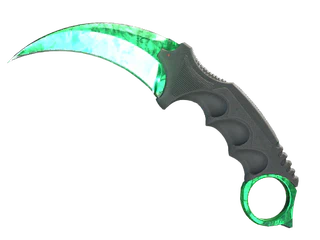
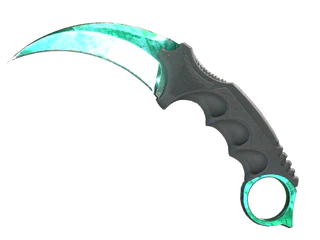
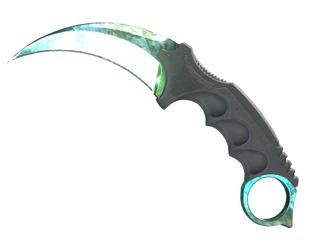
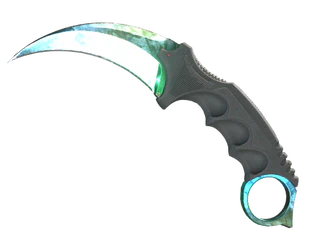
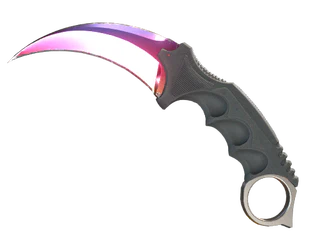
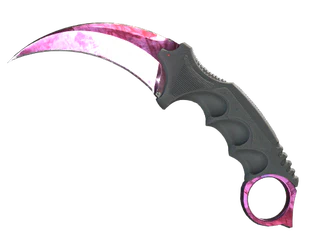
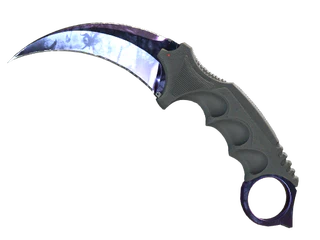
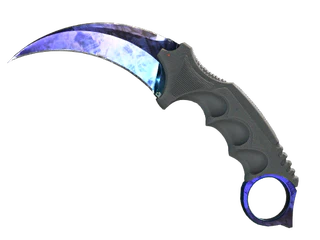
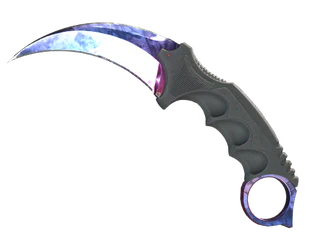
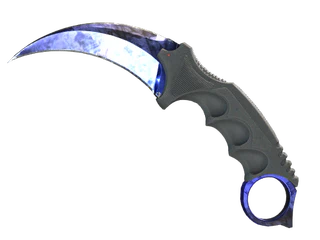
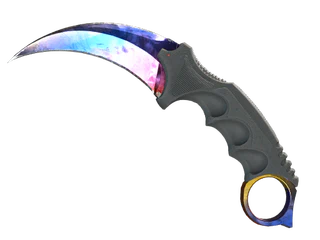
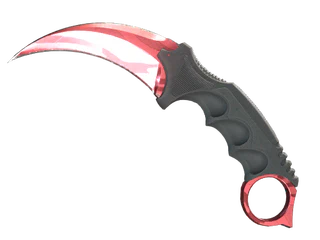
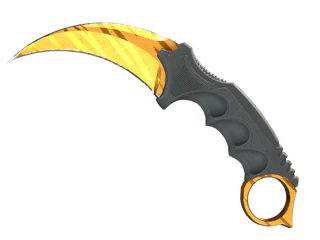
A grail-tier karambit that trades like high-value hardware: demand is narrow but deep and the floor sits firm. Liquidity can be picky; the recent short-term bounce gives sellers a moment to consider trimming exposure.
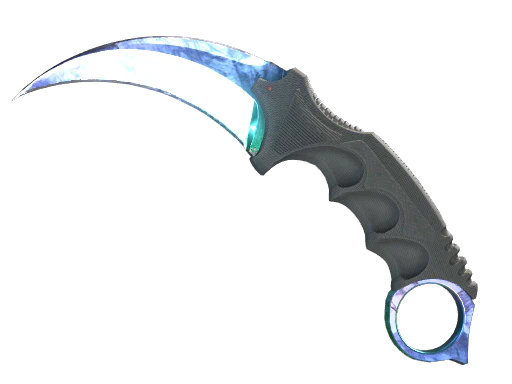
A grail-tier karambit that trades like high-value hardware: demand is narrow but deep and the floor sits firm. Liquidity can be picky; the recent short-term bounce gives sellers a moment to consider trimming exposure.
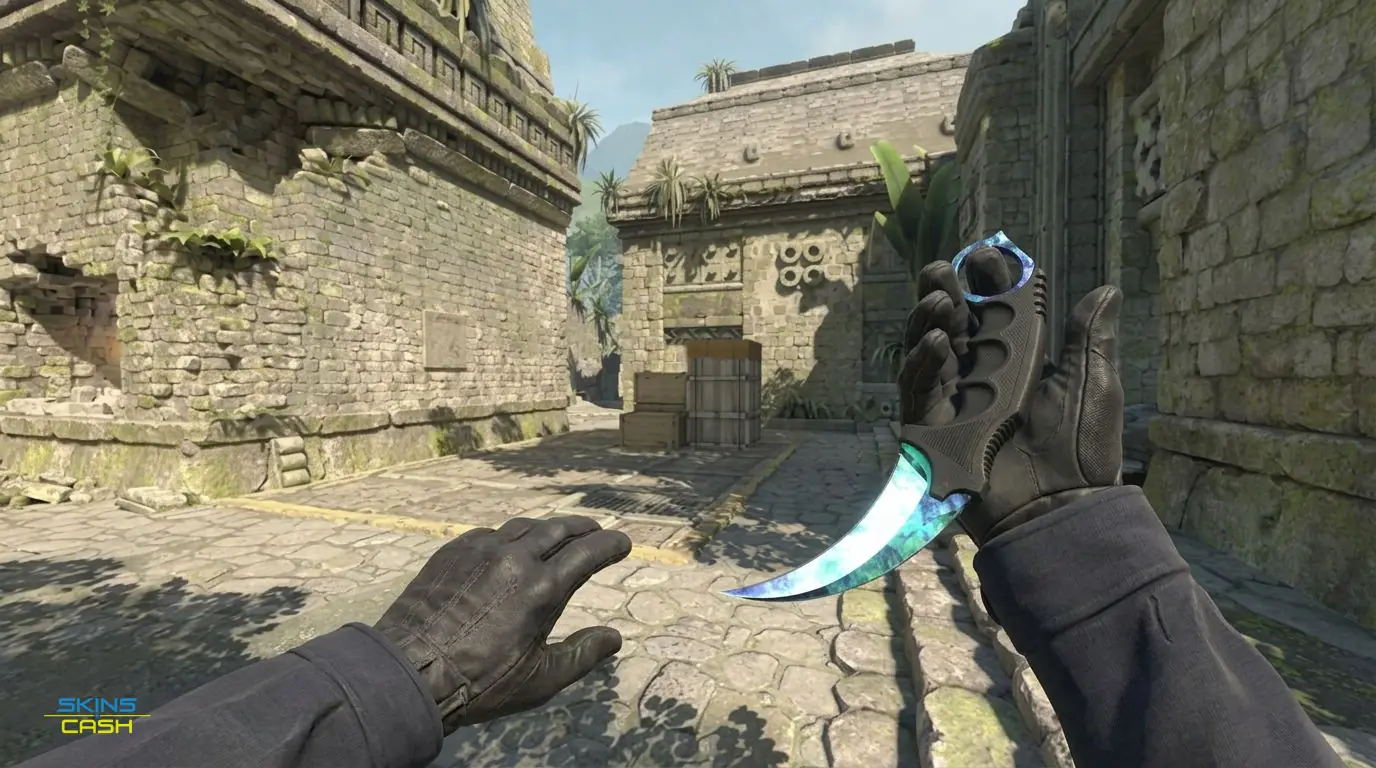

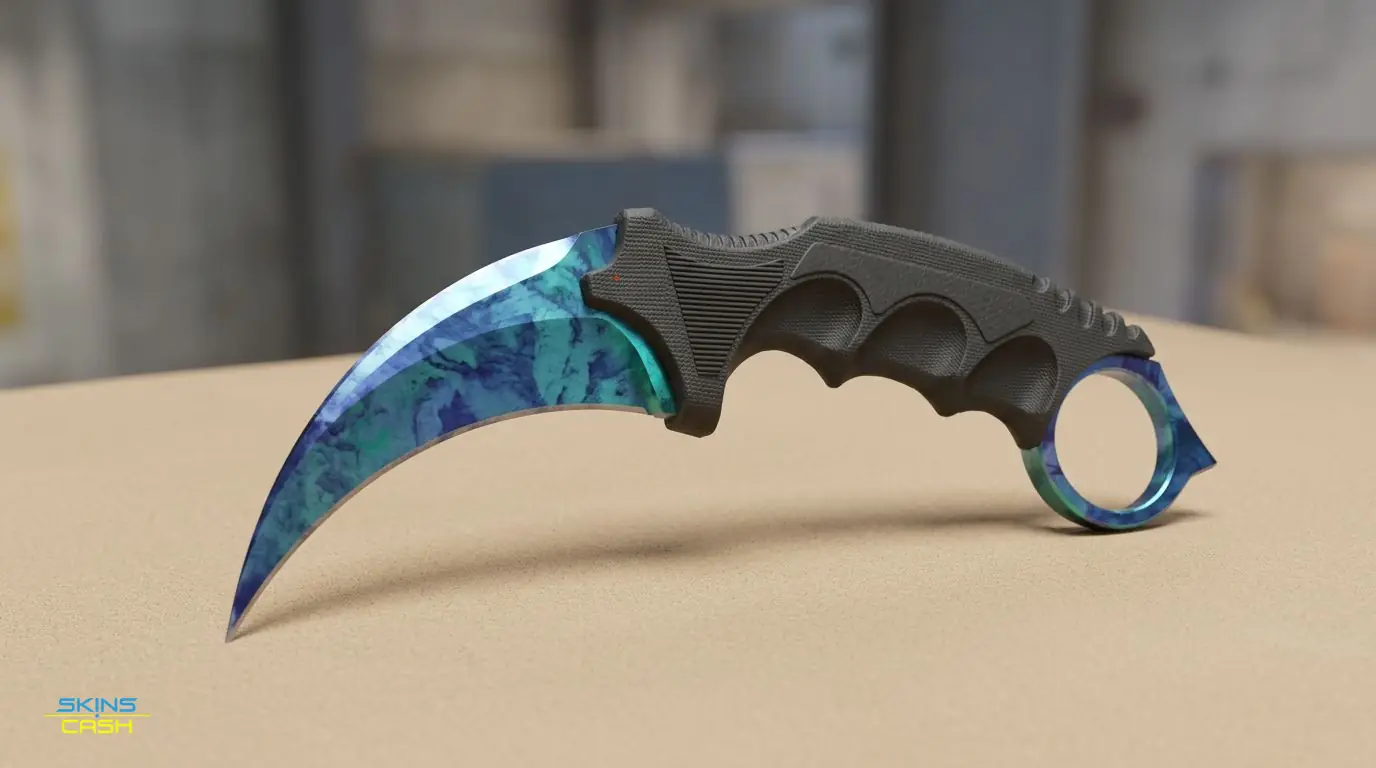
This is a grail-level Karambit, not a mid or budget play, and it behaves like one - buyers are selective and listings take time to clear unless the piece hits the right specs. For a seller that means fewer ticks but meaningful moves when matches appear; patience rewards, and straight listings often sit against the stronger floor.
The ladder is capped towards the clean end with a recognizable plateau at the top and a stepped descent through the lower tiers; payouts do not climb endlessly as float improves. Expect clear separations between the major wear bands rather than a smooth gradient.
The best skin-for-money sits below the absolute clean cap, where the anodized multicolored finish still reads vivid without demanding the rarest floats. Sellers often find the sensible cut-off is before the ladder flattens at its top, because the extra spend to chase the cleanest copies narrows buyer depth.
Listings frequently show a wider gap than what you will net; the grail status and high floor push buyers to post conservative bids while sellers anchor to the nearest strong comparable. That spread is the reason advertised tags and actual cashouts diverge and why quick sales tend to take slightly less than the listing noise suggests.
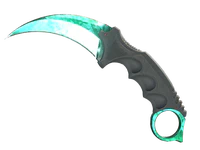
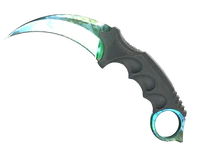
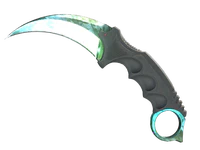
The Gamma Doppler Phase 1 finish keeps its character across float but small increases in wear visibly soften the blue-cyan contrast on the anodized surface. Buyers react to that change: cleaner faces draw the attentive collectors, while higher-wear copies trade more like utility pieces.
Being a Covert karambit underwrites a resilient low end; even worn copies carry value that standard non-rarity blades do not. That rarity cushion supports listings when demand softens and limits how deeply the bottom of the ladder can fall.
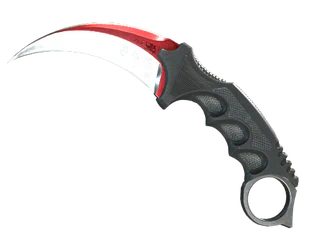
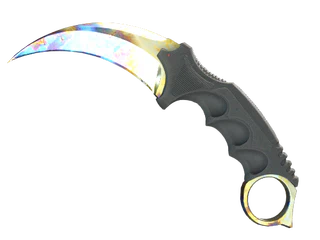
Phases matter here: Phase 1 brings a distinct look that collectors recognise and will pay extra to own when the seed lines up. Before pricing, verify the Phase and the seed pattern, because certain seeds make the blue and cyan pop in a way that outsized buyers will seek.
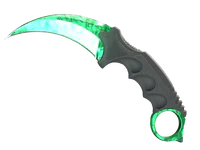
The blue and cyan interplay on an anodized multicolored finish reads cold and sharp on this karambit, especially under in-game lighting where the edge catches a different hue. Valve's designer touch keeps it visually coherent; the palette favours players who want a high-contrast, non-garish blade.
This blade comes from the Gamma Case, and that origin constrains supply compared with open seasonal drops. The case provenance is part of why the profile sits at high value: it limits fresh influx and keeps the circulation tighter.
The one-year trend shows sustained pressure while the recent thirty-day window has ticked up hard, creating a divergence that signals short-term appetite without reversing the longer slide. For sellers that split picture means there are buying pockets now even though the long-run momentum remains softer.
Price action is jumpy within a very wide historic range: expect sharp moves on news or a single high-profile trade and quieter stretches otherwise. That volatility suits staged exits and selective listings rather than blunt, immediate cashouts.
Most errors come from treating this like a common high-float blade: mislabeling phase or ignoring the capped profile produces listings that sit, and pricing to the noisy top without checking the current spread costs time. Confirm the phase, watch the live bids, and set expectations to the strong floor rather than the headline asking price.