Top-end Karambit demand sits at the grail level - buyers are few but decisive, and clean copies command attention. The market has a strong floor and a capped float profile, so cashing out is about picking your spot on a steep clean-end ladder and avoiding the soft tail.
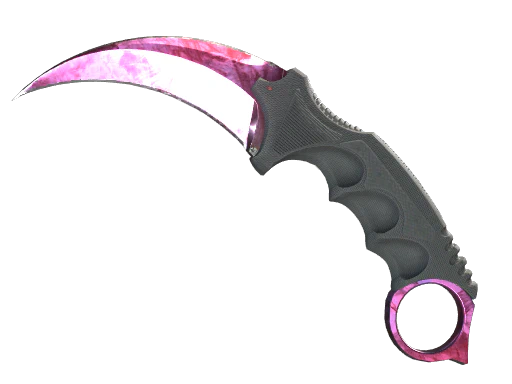
Top-end Karambit demand sits at the grail level - buyers are few but decisive, and clean copies command attention. The market has a strong floor and a capped float profile, so cashing out is about picking your spot on a steep clean-end ladder and avoiding the soft tail.
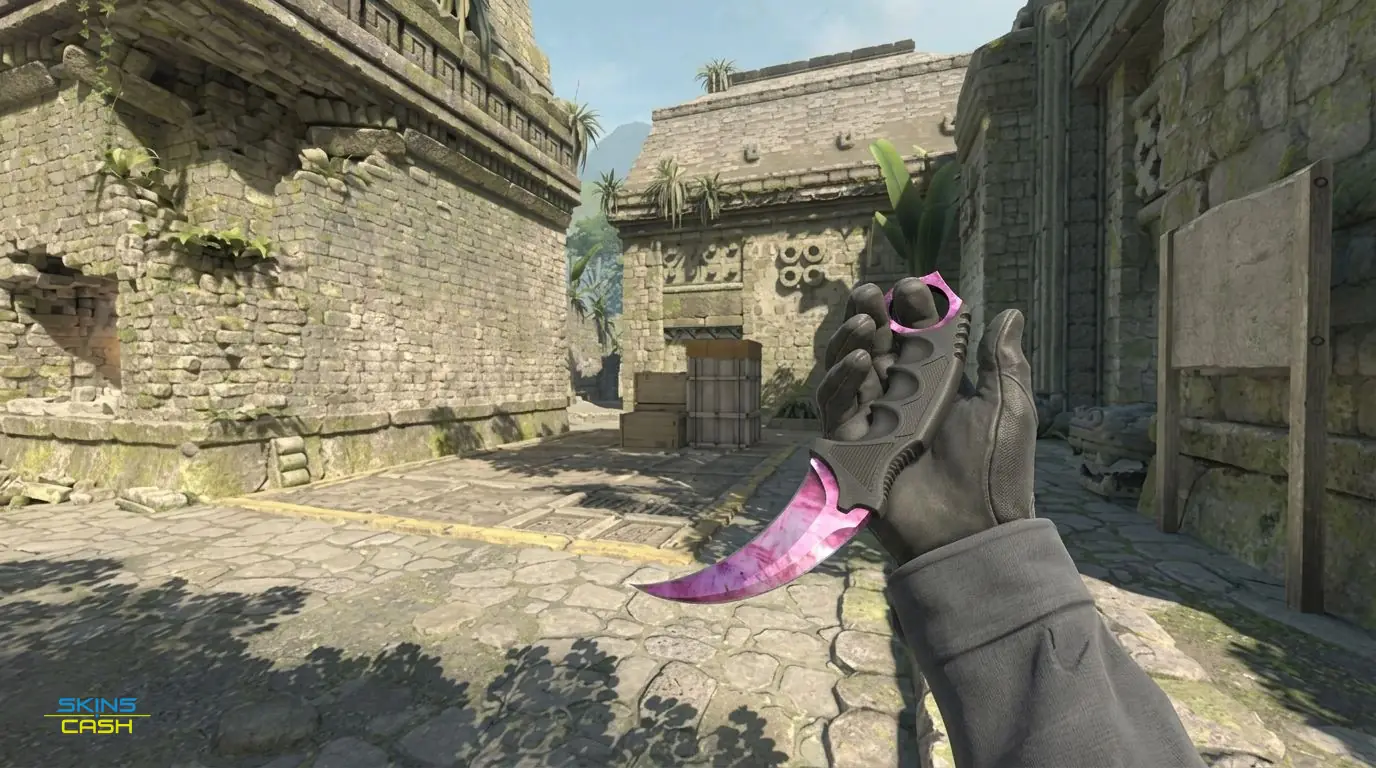
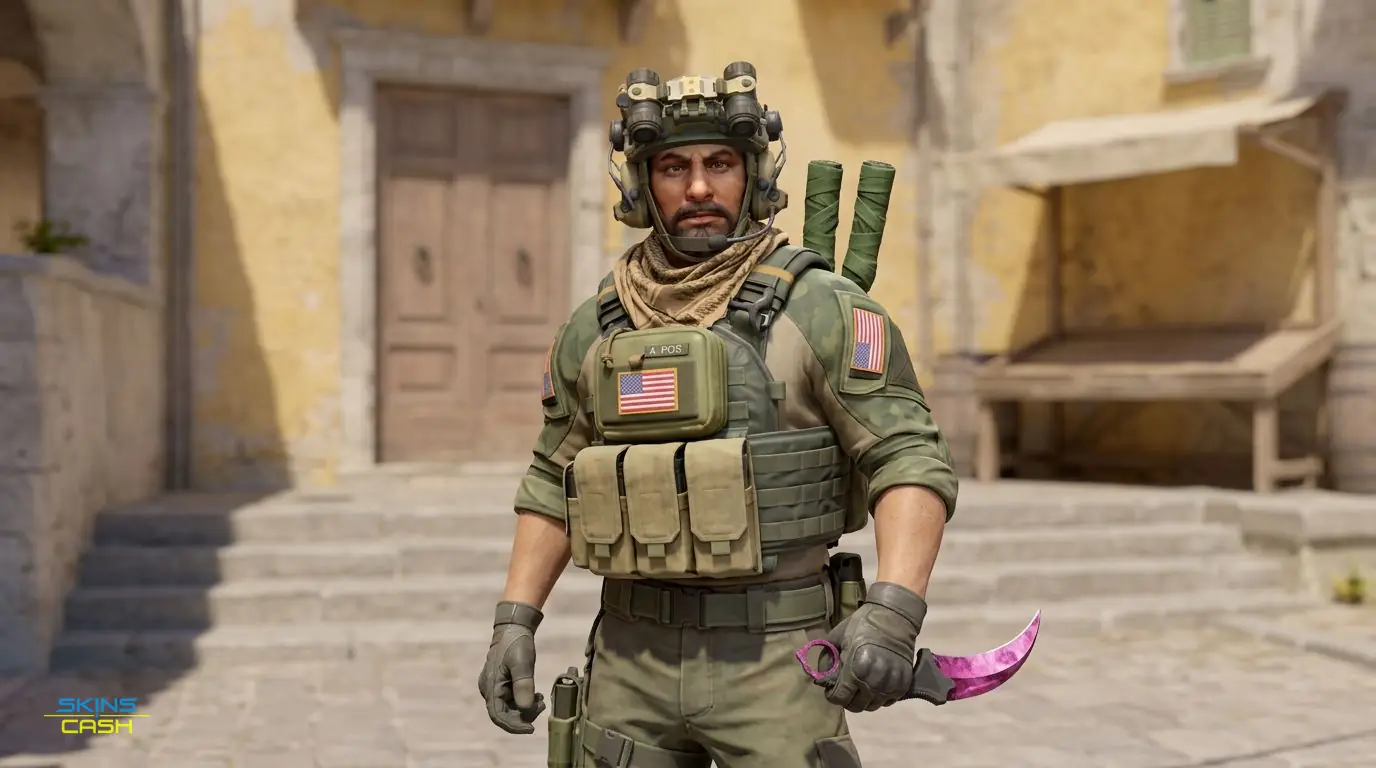
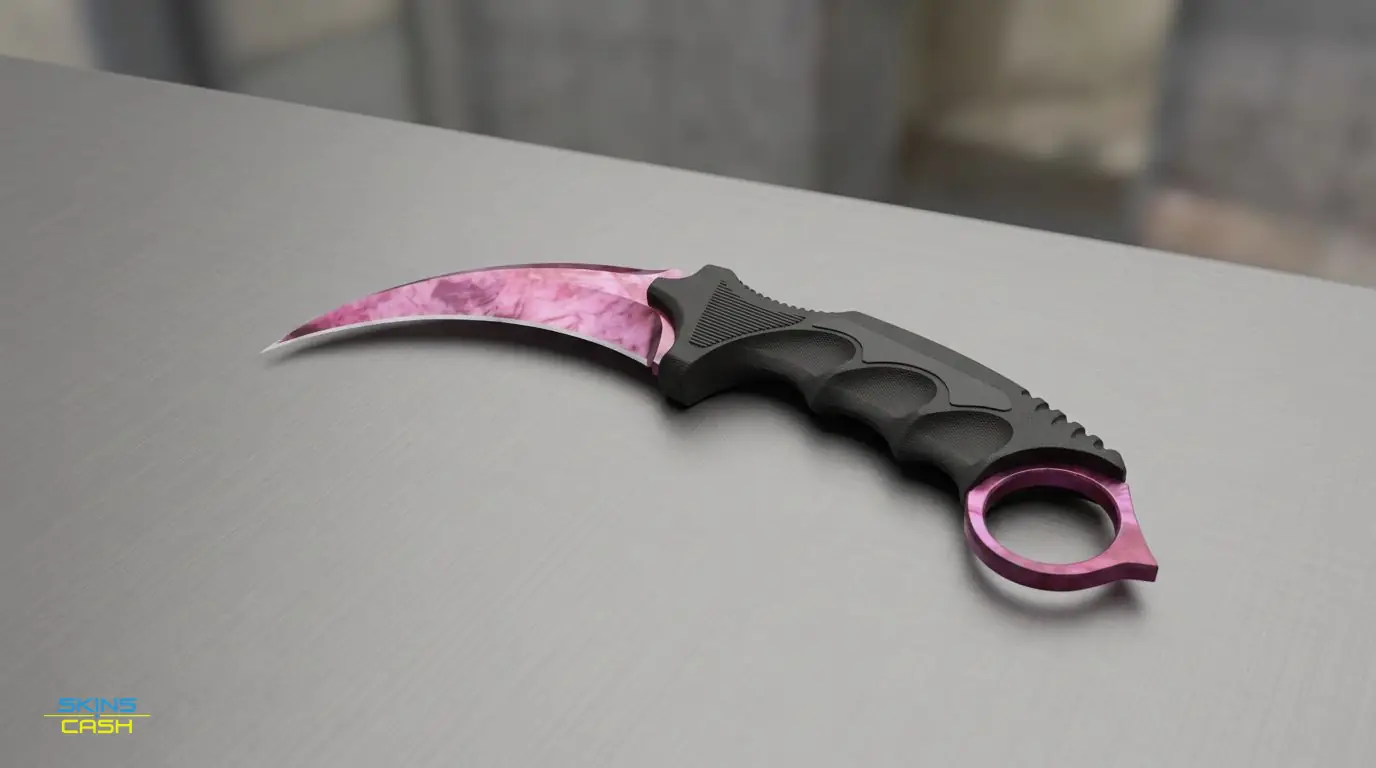
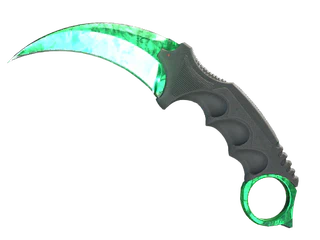
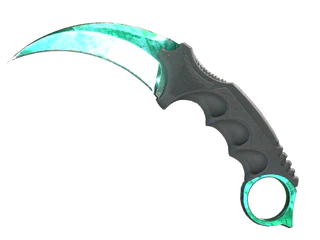
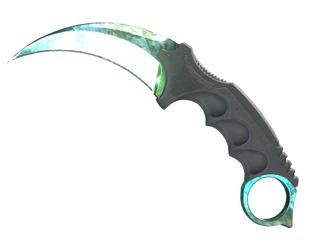
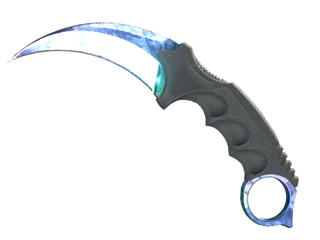
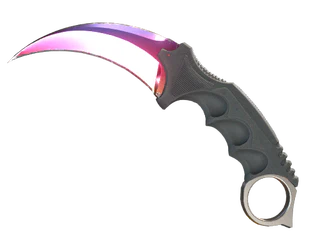
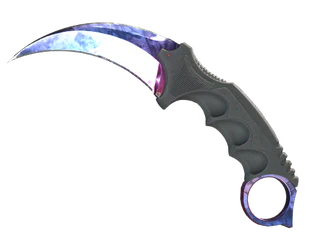
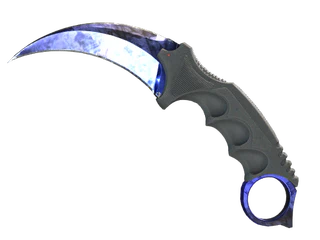
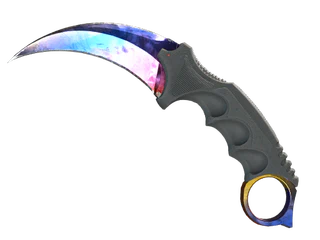
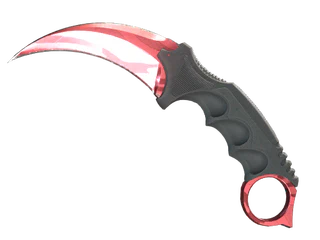
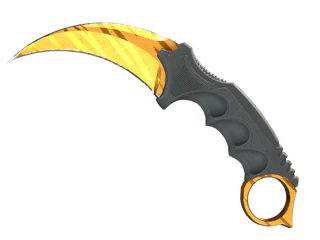
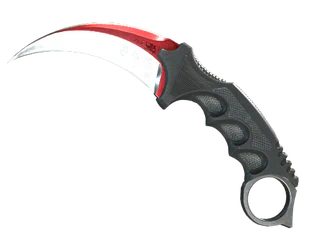
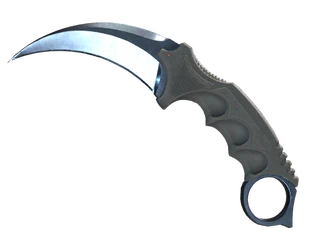
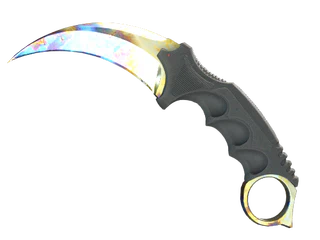
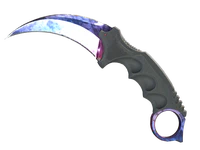
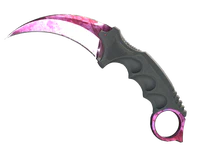
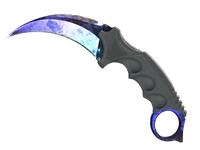
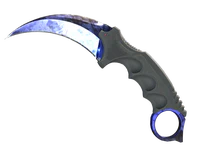
The Karambit | Doppler Phase 2 lives in the grail bracket: scarce, high-value, and traded by serious collectors more than by volume hunters. For a seller that means listings need patience; a single buyer will move the market, so time and placement matter more than velocity.
Expect a sharp payout cliff near the clean end with a long, much shallower tail thereafter; most of the dollar mass sits in the very best looks. That ladder shape rewards targeting the top wear band while the mid and lower bands trade within a tight corridor.
The spread is where a seller loses the most if they rush - buyers' offers sit noticeably below public ask prices because of fees, market friction, and the small pool of matched bidders. On Skins.Cash you need to account for that gap up front and set listings so you don't accept the bid that would feel like a haircut.
Worn copies cluster tightly in payout, so being at the worn end doesn't penalize you heavily compared with slightly cleaner low-float copies. If you're holding a scuffed Phase 2, it trades more like a category than an outlier, which helps exit velocity when you need it.
The Doppler finish here is capped, so even the reddest/worst floats retain cleaner characteristics than a full-range skin would. That cap lifts the apparent baseline of appearance and compresses the bottom of the ladder compared with open-range knives.
Covert rarity underpins a strong base even when wear and float aren't ideal; buyers still pay for the tier, and that sustains the low end. The karambit shape plus Valve's designer credit keeps interest steady regardless of superficial wear.
StatTrak copies form a parallel market with their own demand curve and quieter liquidity; the ST premium exists but behaves in fits - buyers show up less often and for deliberate reasons. If you're selling ST, expect to list differently and tolerate a longer hold time compared with the regular line.
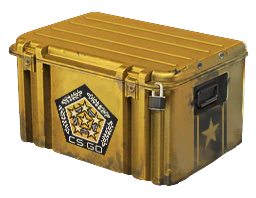
It originates from the Chroma Case, so supply is tied to that container's remaining circulation rather than a broad re-release. That provenance keeps fresh supply limited and supports higher-tier pricing dynamics.
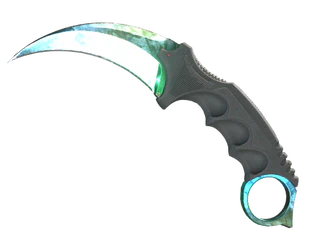
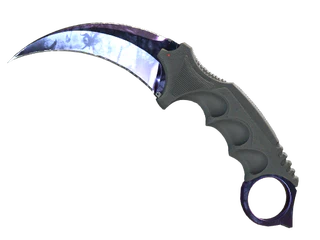
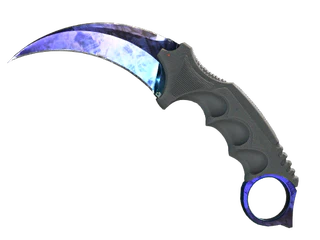
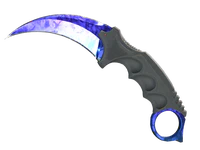
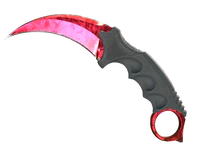
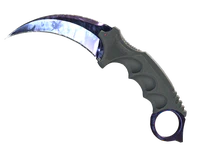
The pink tones and anodized multicolored finish read striking in-game, especially on the karambit's curved edge where highlights catch the light. Valve's finish work makes Phase 2 pop in spectated rounds and clips, which helps desirability among highlight-conscious buyers like the pros linked to the skin.
Short-term action has been gently upward, a modest recovery inside an otherwise weaker longer-term trend. It's the kind of soft lift that gives sellers room to test higher asks without scaring off the core bidders.
This skin trades inside a massive all-time band; price swings have been wide and cyclical, so listed values can sit anywhere across that span depending on market appetite. Right now it feels closer to the stronger end than the bottom, but the long history allows for big moves back in either direction.
Place listings to capture the clean-end bidders and don't accept the tempting quick bid unless you meant to sell at that net. Use the live Skins.Cash bid block to size your take, resist undercutting into a crowded band, and let patient buyers climb to you rather than sprinting to the spread's center.