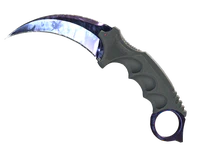
Top-tier grail demand meets a capped float profile, so value piles into the clean copies and serious buyers move the market. Liquidity is thin and selective; if you hold a clean Phase 3 or a Stattrak, you already own the parts buyers chase. Plan exits around the clean end, not the worn band.

Top-tier grail demand meets a capped float profile, so value piles into the clean copies and serious buyers move the market. Liquidity is thin and selective; if you hold a clean Phase 3 or a Stattrak, you already own the parts buyers chase. Plan exits around the clean end, not the worn band.
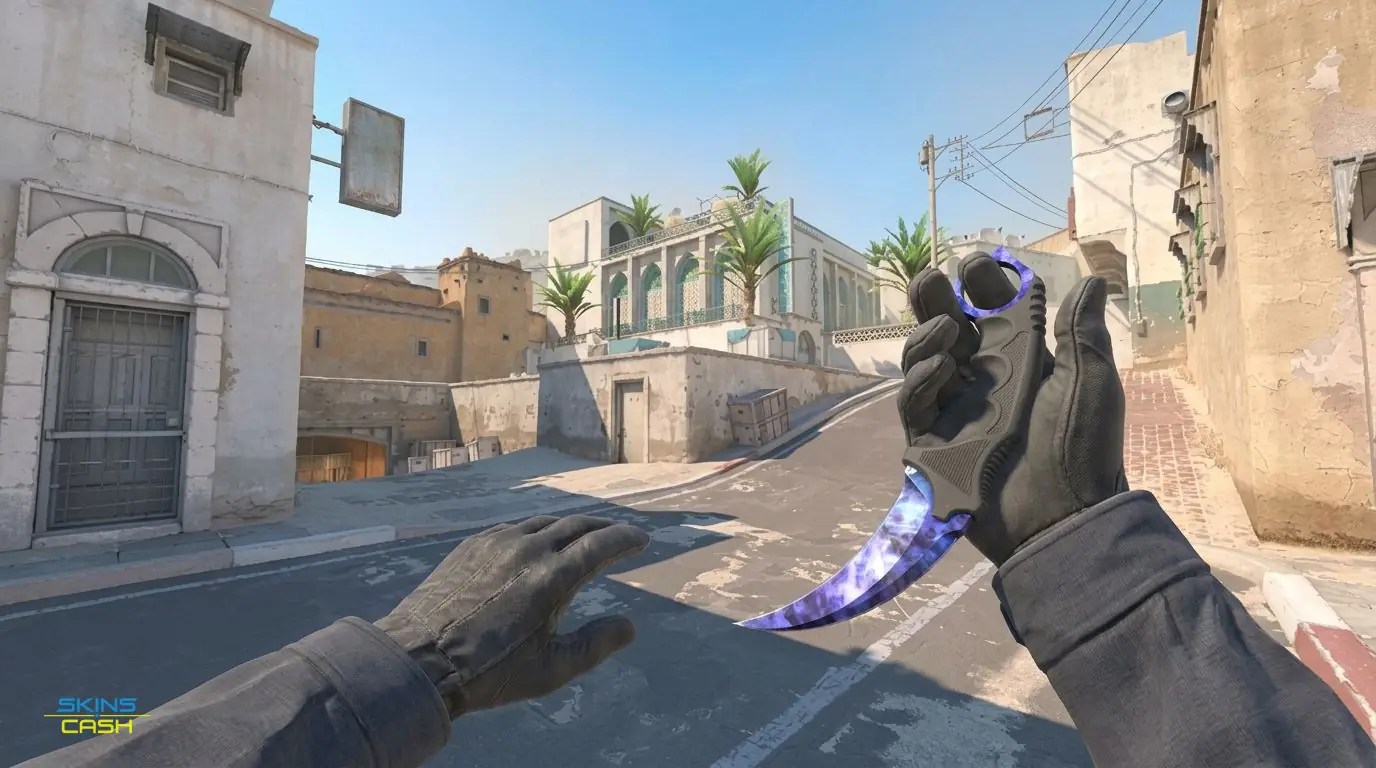

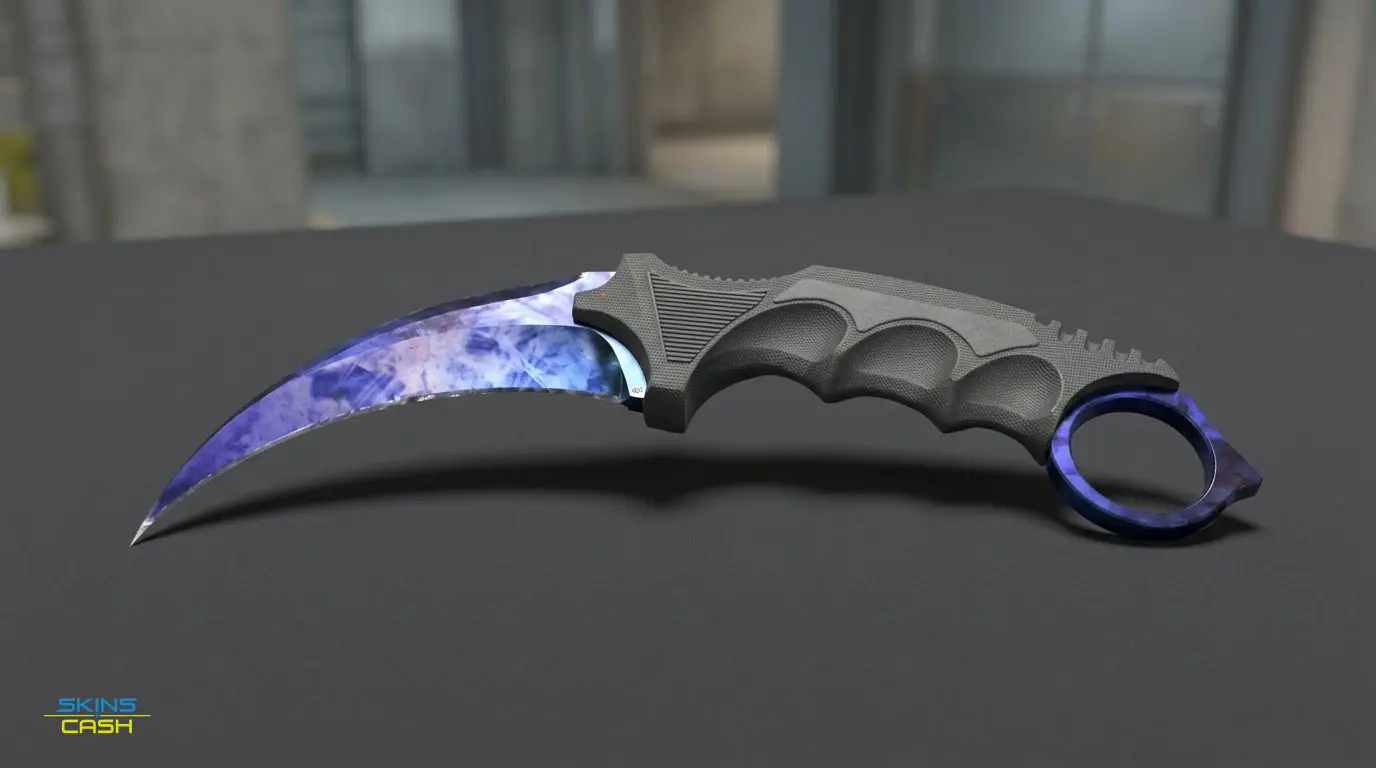
Grail territory by every practical measure: this is a high-value Karambit that trades among the rarest offerings on the market and behaves like a collector piece rather than a commonplace utility skin. Sellers can expect selective demand from buyers who prioritize condition and version over broad market turnover, so list with patience and the right photos.
The ladder is sharply tilted toward the very clean end because of the capped float profile; the payout curve takes a steep fall away from flawless copies and then flattens out across the mid and high wear bands. That concentrated top-end premium defines where the real money sits.
For buyers chasing skin-for-money the mid-clean band is the most efficient spot before the price premium for a pristine Phase 3 becomes punitive. As a seller, that tells you where demand switches from bargain hunting to condition hunting and where the uplift for a cleaner float peters out.
Expect a meaningful gap between asking tags and what a seller actually nets because listings attract aspirational asks on grail items while real bids stay conservative. The spread is amplified by the rarity and the narrow pool of buyers; list aggressively if you want speed, price tightly if you want full capture.
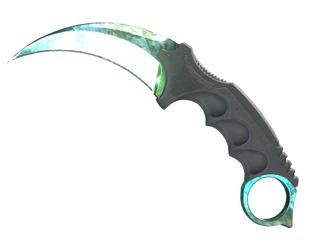
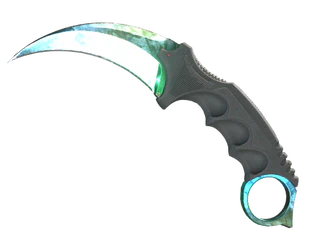
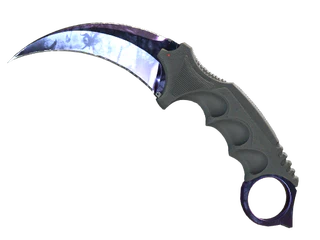
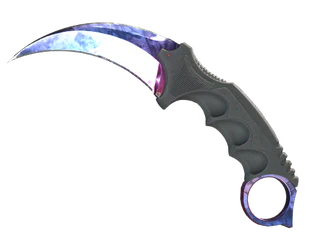
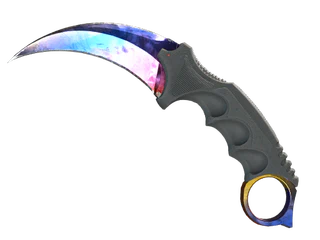
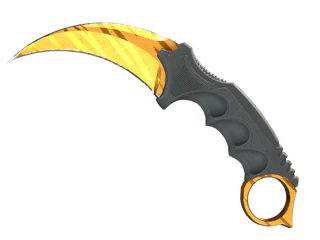
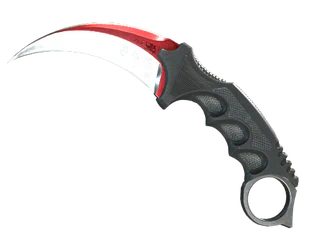
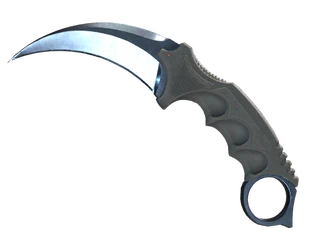
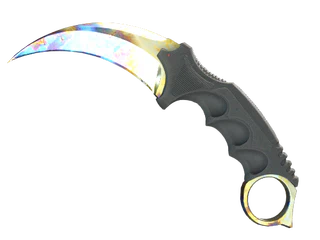
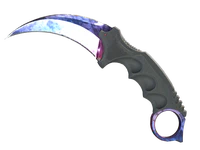
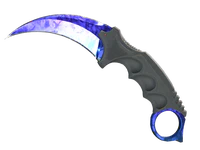
This Anodized Multicolored finish shows wear in obvious ways on the blade and plays against the Blue palette, so buyers pay noticeably more for a clean face. Small float improvements around the capped region move perception sharply; below that, wear becomes progressively less visible.
Covert rarity and the karambit form together create a resilient low end: even worn copies maintain a meaningful baseline because collectors prize the model and rarity regardless of finish degradation. That support keeps the bottom of the ladder from collapsing the way lesser-tier blades do.
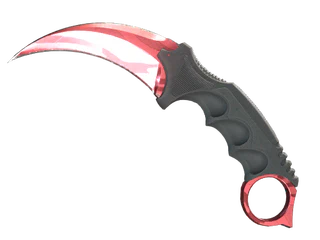
Phase 3 status isn't the whole story: specific phase markings and seeds can swing price beyond where float alone would place a copy. Check the phase pattern and seed for deep blue or mirror flashes before you price; odd seeds often sell for multiples versus generic looks.
The Blue-dominant Anodized Multicolored treatment reads cold and highly legible in play, with mirror highlights that pop on movement and angles. Valve's design plays to both in-hand screenshots and clutch clips, which is why certain seeds and mirror regions attract collectors.
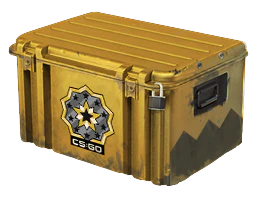
This Karambit comes from the Chroma Case, which informs supply narratives and collector interest because case-origin is a consistent referral point for bidders. That provenance tends to keep visible supply constrained relative to more common containers.
Given the massive historical range but recent downwards pressure, prices can swing sharply when a few buyers enter or exit; expect episodic jumps rather than a smooth climb. If you prefer certainty, wait for a quiet window; if you hunt spikes, watch for quick demand bursts around clean copies.
Price action over the short window has been flat, with no clear upward momentum to lift asking levels. That steadiness gives sellers a chance to test the market without immediate downside from a falling tape.
Traps I see often: listing without declaring Phase 3 or Stattrak, ignoring the capped float effect, and pricing as if the lower-tier spread mattered more than the clean-end premium. Photograph the blade face, state phase and stattrak explicitly, and use recent sale comps from the clean band as your anchor.