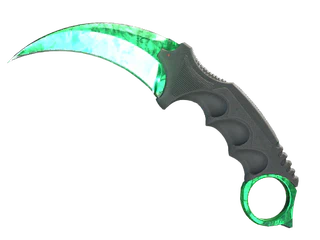
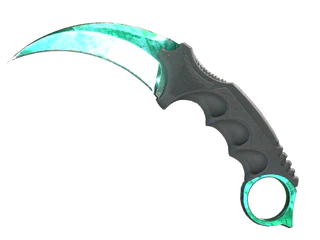
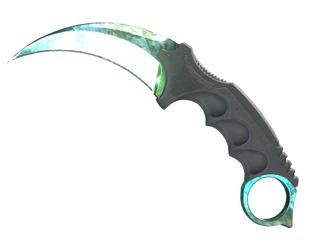
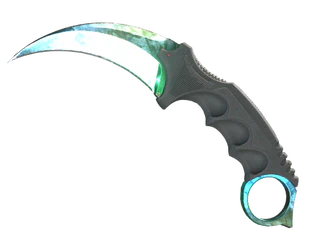
This Karambit Case Hardened lives in the premium band and trades like a collector piece rather than a quick flip. Clean, desirable copies command the market and the rest sit on a compressed mid-to-low ladder, so selling strategy must start with float and seed before you list.
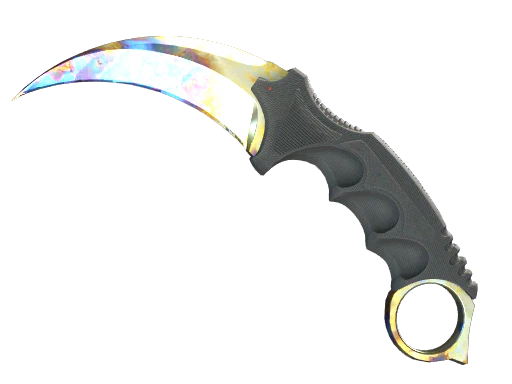
This Karambit Case Hardened lives in the premium band and trades like a collector piece rather than a quick flip. Clean, desirable copies command the market and the rest sit on a compressed mid-to-low ladder, so selling strategy must start with float and seed before you list.
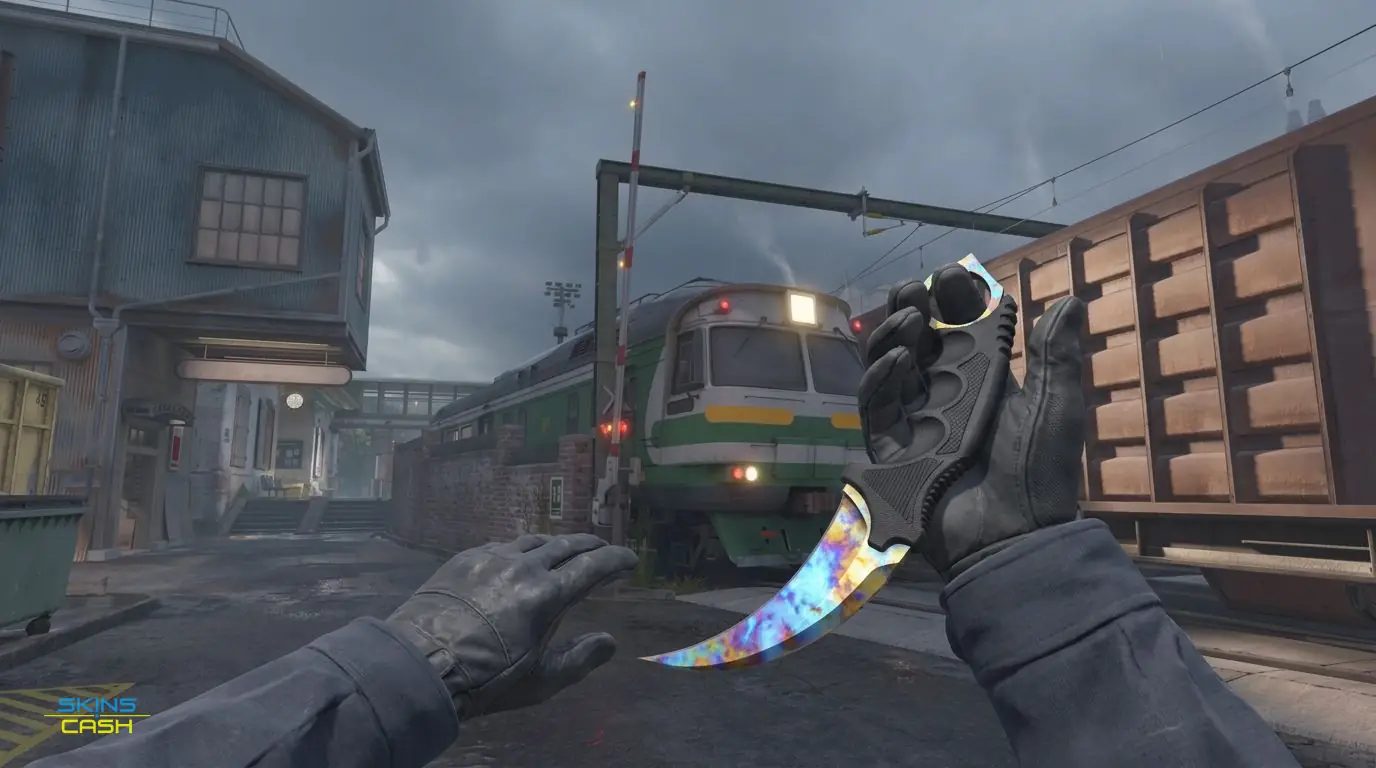

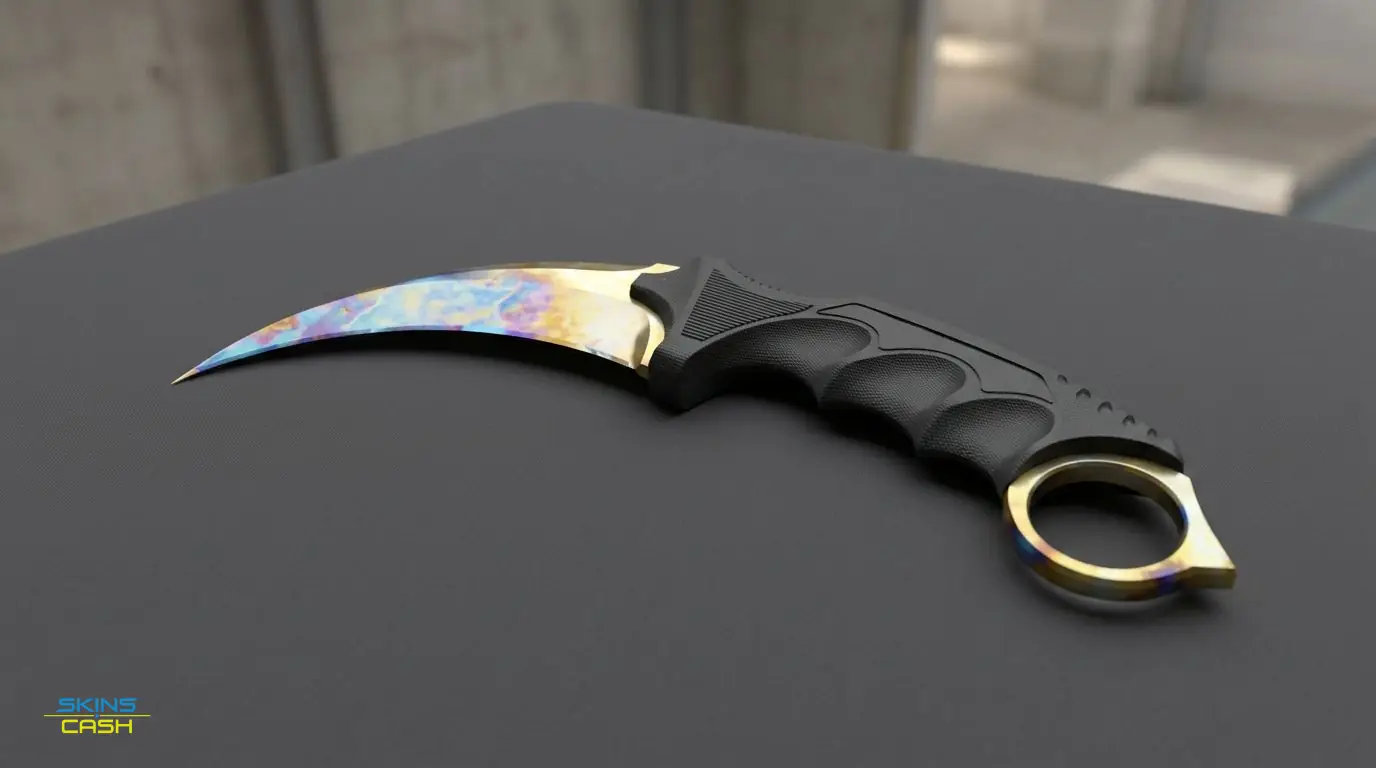
This is a premium-grade karambit that sits above typical mid market knives; think collector attention rather than casual demand. Valve design and the Case Hardened finish steer it toward buyers who want a showpiece, so sellers should treat it like a higher-ticket line rather than a mass-market turnover item.
The ladder is a full-range profile with a sharp premium at the clean end and a long tail down through higher wears. Expect a steep drop from the top wear into a much flatter middle and lower band.
The ask you see on listings is often lofty relative to what will land in your payout because buyers price the clean end aggressively while liquidity concentrates below it. Sellers will usually find a gap between sticker and cashout that widens when a knife is unusually clean or has a prize seed.
For skin-for-money the sweet spot is a cleaner float that still avoids the tiny slice of grail copies; that zone gives the most return per float improvement before diminishing returns kick in. Lower wears move slowly and rarely justify chasing small float gains for sellers aiming to maximize net cash.
This finish spans the entire float spectrum so float discipline matters when selecting a copy to sell. Because any float is possible you have to price each listing on its own merits rather than rely on a single band.
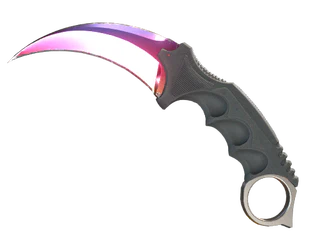
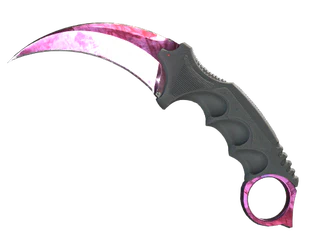
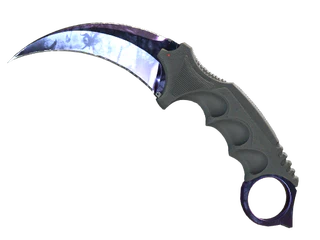
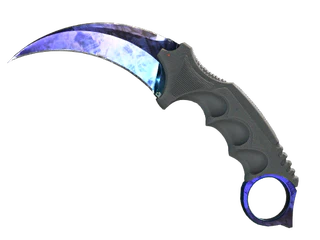
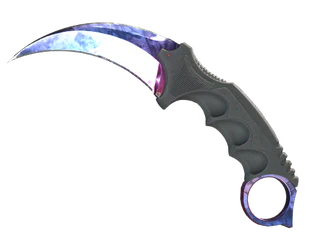
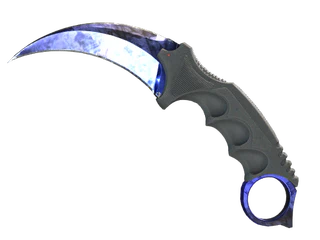
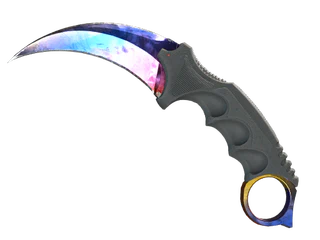
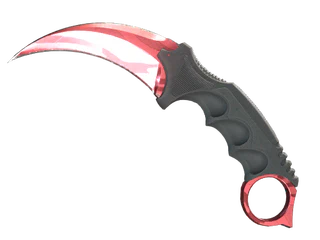
Case Hardened is seed-sensitive and certain patterns or blue/blotch placements will lift a copy beyond its float grade. Check the seed and the visible case-hardened pattern, especially on the blade and tip, before committing a price tag.
StatTrak exists on this knife and follows its own buyer curve; some buyers will pay specifically for the counter while others ignore it. StatTrak copies trade separately and generally require separate pricing thought when you cash out.
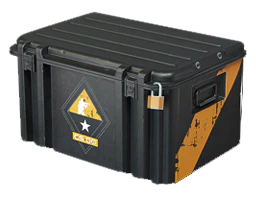
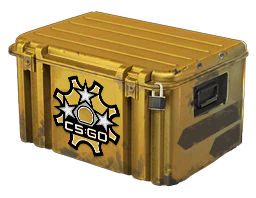
This blade originates from the CS:GO Weapon Case which keeps supply tied to the case population rather than a broader container. That origin matters because the supply cadence of that case affects how often clean or special-seed copies surface.
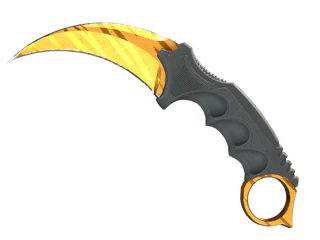
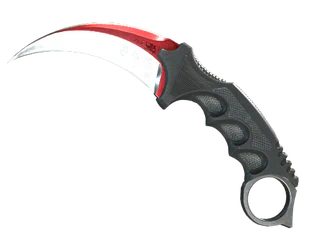
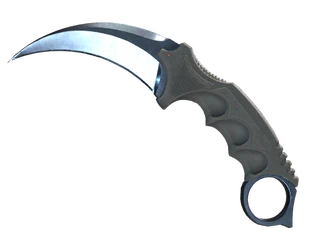
The Patina finish gives the karambit a muted metallic base with cool case-hardened blues and iridescent patches that catch light on swings and stabs. The palette reads crisply in-game and the blade contrasts well against darker maps, which helps sellability to collectors and players alike.
All-time movement for this skin has been massive, with a very wide band between the bottom of the ladder and the rare top end. That spectrum creates big differences between average copies and the prized ones.
Given the massive historical range and a down-hard long trend, prices can jump around when a rare clean copy changes hands but otherwise sit flat short term. Sellers who time listings around fresh buys can often capture better fills.
List with float and seed visible, anchor toward the lower side of the clean band, and be prepared to sit for the right taker rather than bleed into the bid. On Skins.Cash use the live block to compare recent fills and let that inform your ask while avoiding impulse undercuts.