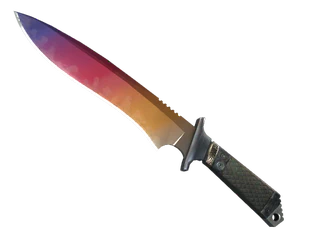
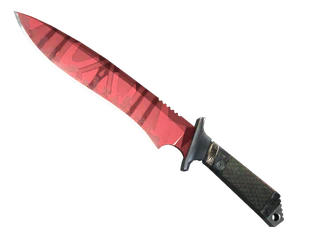
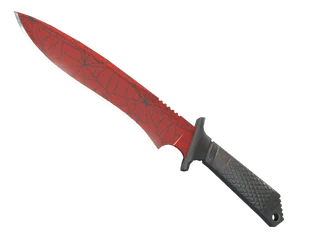
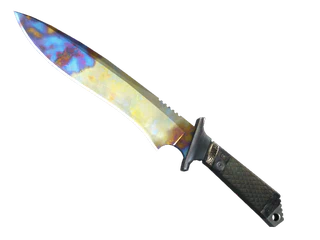
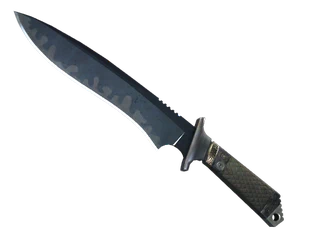
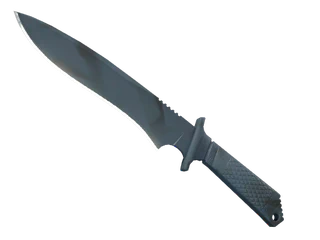
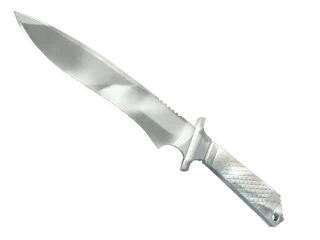
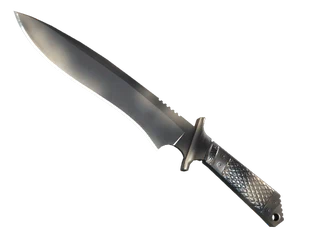
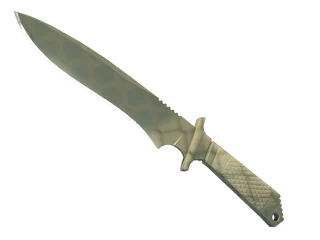
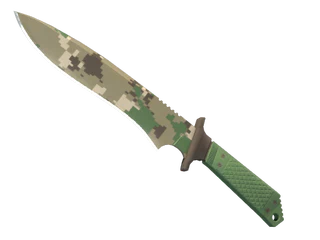
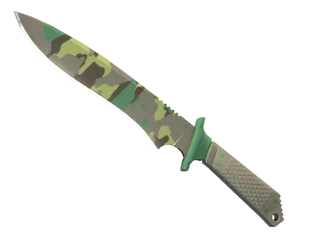
A mid-tier Covert knife that trades with modest interest and a soft floor; expect buyers but not a crowd. The Gray and White patina keeps it versatile in-game, and StatTrak examples behave on a distinct line - useful if you care about quick lifts when the right buyer shows up.
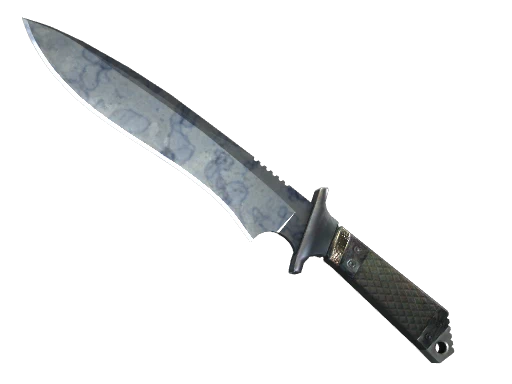
A mid-tier Covert knife that trades with modest interest and a soft floor; expect buyers but not a crowd. The Gray and White patina keeps it versatile in-game, and StatTrak examples behave on a distinct line - useful if you care about quick lifts when the right buyer shows up.
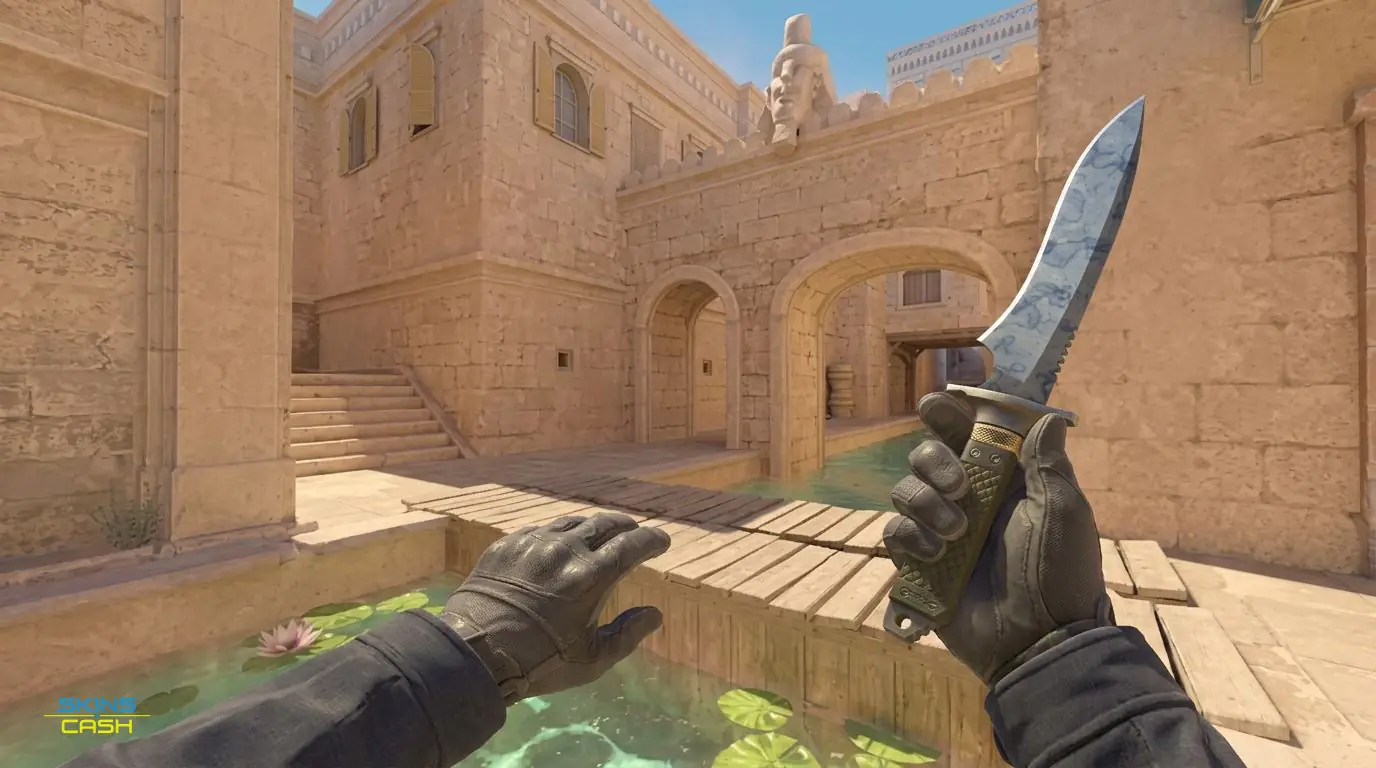
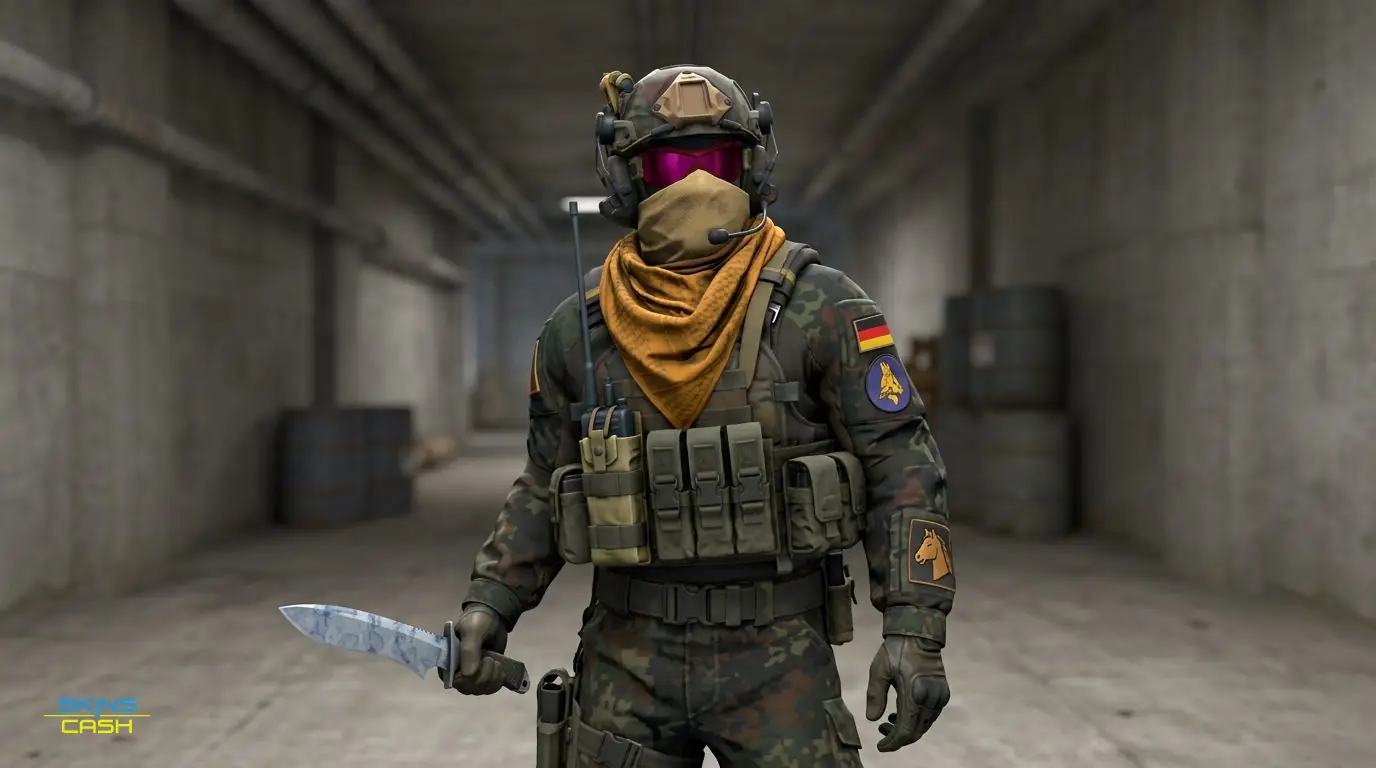
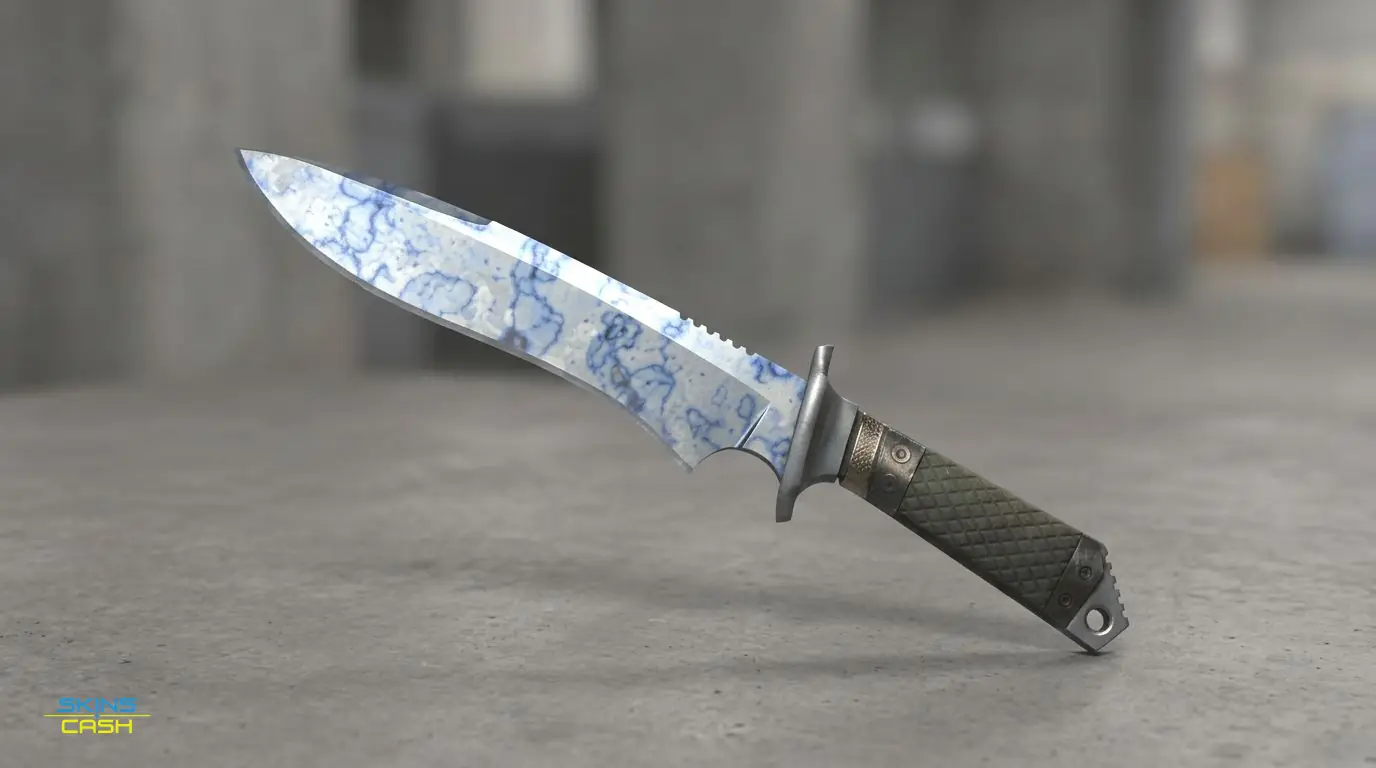
This sits squarely in the mid bracket among knives: collectible enough to attract attention, but not a grail that demands patient listing. For sellers that means healthy rotation when priced competitively, and few stealth premiums reserved for the clean StatTrak copies.
The payout curve favors the cleaner end but is not a cliff: values ease down through the mid-wears and compress toward the dirty end. Expect a visible slope from pristine to worn rather than a one-step collapse.
Mid-wears usually deliver the most skin-for-money because they keep the patina appeal without chasing the last clean float tick. If you want turnover, list a mid-wear first and only hold the very clean ones for selective buyers.
At the worn side the ladder tightens and differences in payout become marginal, so a dirty copy rarely needs deep discounting to move. That makes holding a worn Classic Knife | Stained less risky; it trades with similar buyers and sells more predictably.
This skin spans the entire float spectrum, so float discipline matters when choosing which copy to offer. Clean floats behave differently than dirty ones, and the full spread means selection pays off when you pick a sale copy.
StatTrak examples carry their own demand curve and typical buyers care more about the counter than tiny visual changes. They trade on a separate tier and tend to clear faster when listed against non-StatTrak comps.
On the StatTrak side you can see dirtier copies sometimes out-price cleaner ones because the counter and rarity of particular floats eclipse minor aesthetic loss. Watch listings where the StatTrak tally and float align oddly; that is where inversion shows up and sellers can extract a premium.
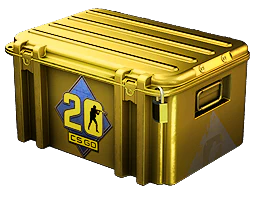
This blade is from the CS20 Case, which keeps supply steady compared with ephemeral releases. That origin means copies appear regularly, so urgency comes from float and StatTrak status rather than scarcity of the case.
Gray and White in a Patina finish give it a subdued, workmanlike look that reads well on screen and in kill cams; it does not scream for attention but fits any loadout. The Valve design language here keeps the silhouette clean and recognizably knife-first.
Historically the band has been wide, with plenty of movement between clean and worn extremes. Current placement sits well within that broad band rather than at an outlier, so expect swings but no structural break.
The biggest missteps are ignoring float spread and lumping StatTrak with non-StatTrak listings, or pricing by rarity alone. Correct the error: sort by StatTrak and float before you set a listing and lean on live market checks.
Names like s1mple and TaZ put a bit of spotlight on the model; it nudges casual buyers to look but does not create sustained hype. Use those associations when listing to catch buyers scanning for recognizable signatures.