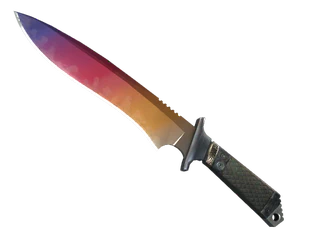
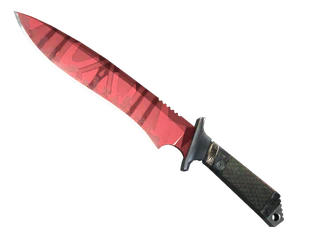
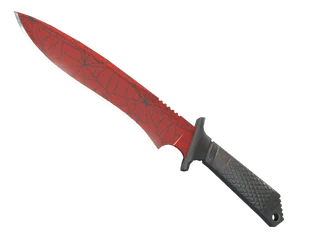
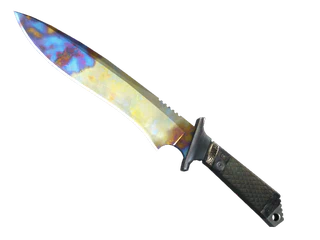
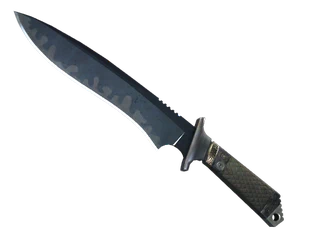
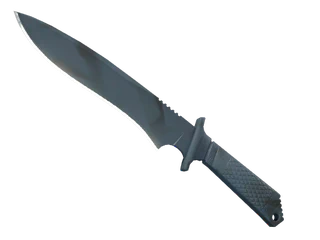
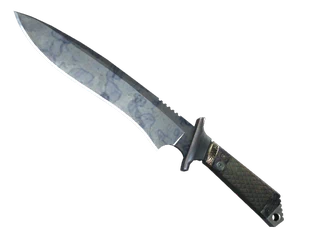
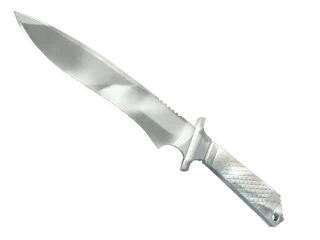
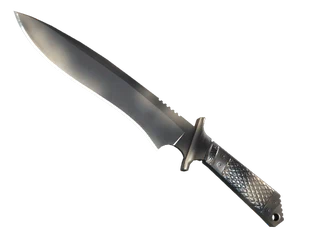
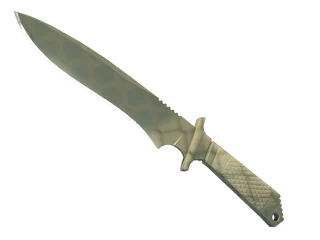
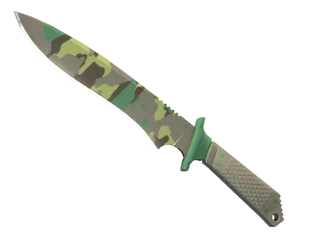
Mid-tier demand with a capped float profile makes this Classic Knife a trader's play for tight spreads rather than quick flips. The green hydrographic reads clean in match play and the StatTrak line behaves differently at the dirty end - know which copy you hold before you list.
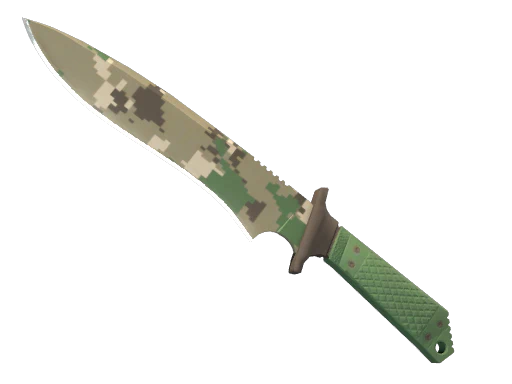
Mid-tier demand with a capped float profile makes this Classic Knife a trader's play for tight spreads rather than quick flips. The green hydrographic reads clean in match play and the StatTrak line behaves differently at the dirty end - know which copy you hold before you list.
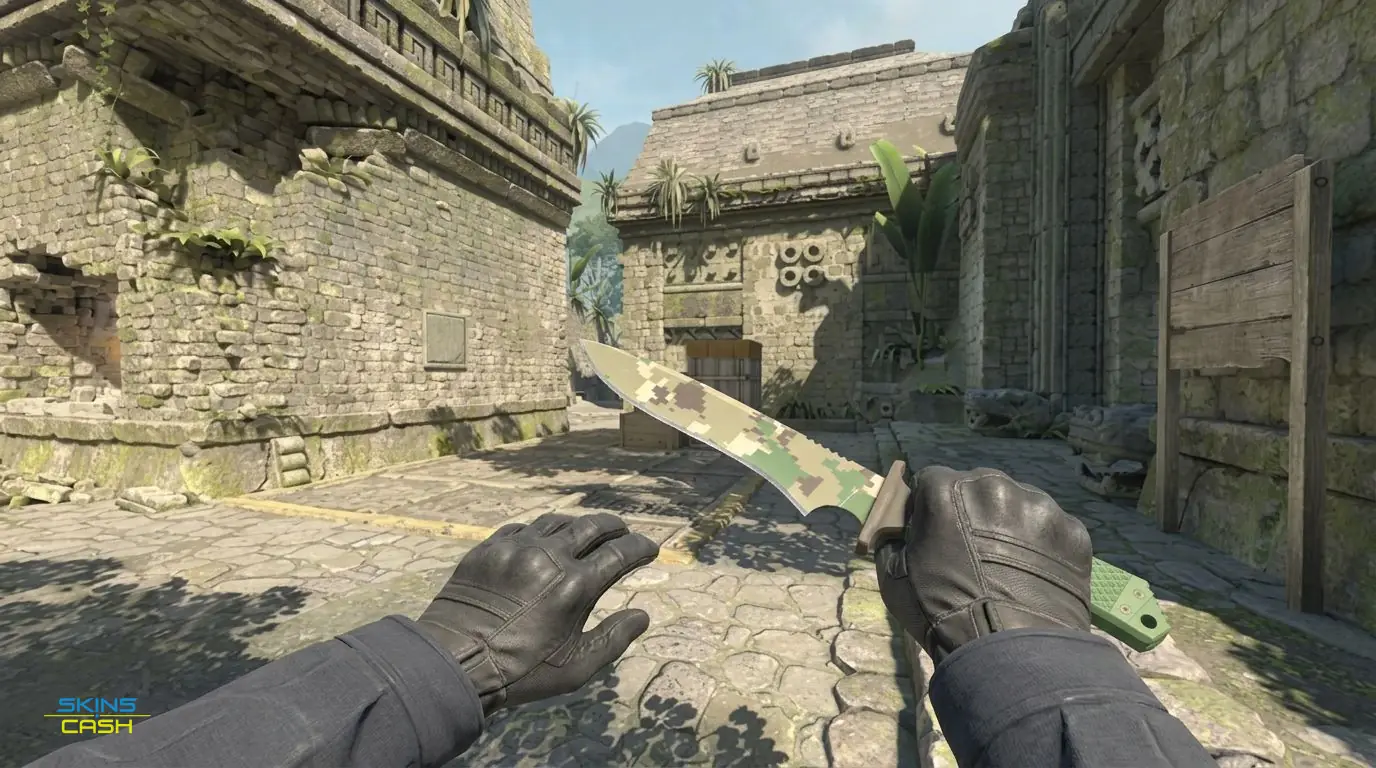
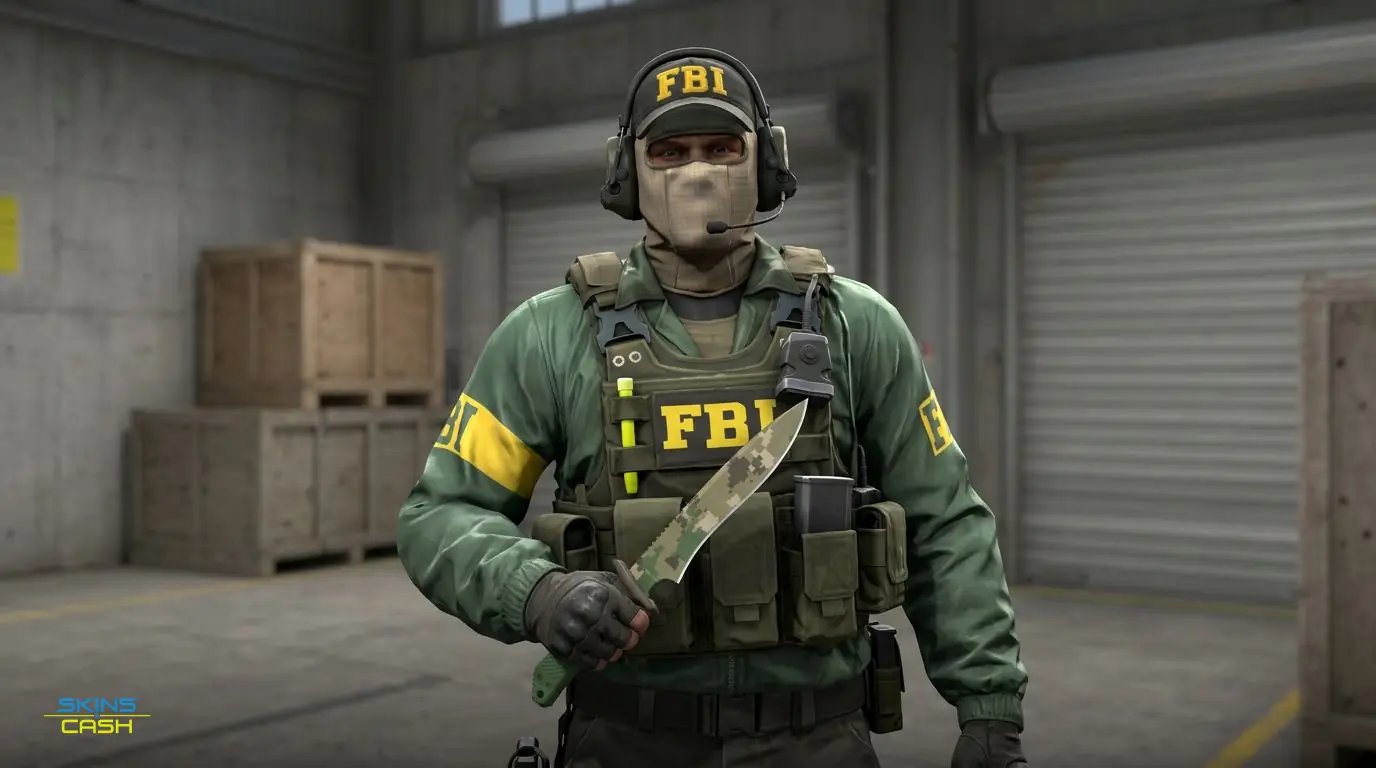
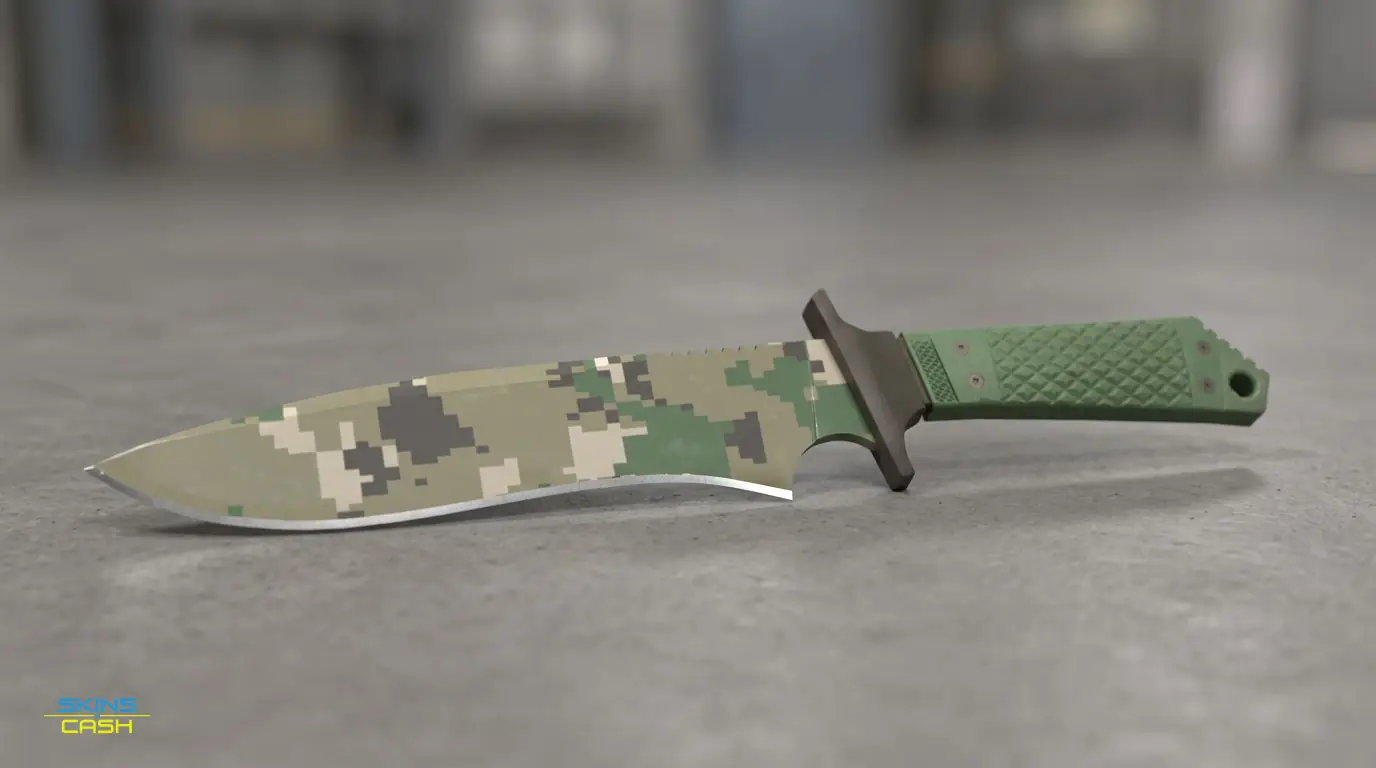
This sits squarely in the mid bracket among knives, not a grail but not a budget throwaway either. For a seller that means interest from serious collectors and players rather than impulse buyers; expect a steady trickle of takers rather than a feeding frenzy.
The ladder is a capped profile with a clear kink near the clean end and a smoother body afterwards, so the cleanest floats sit apart from the rest while the bulk of copies trade in a tight band. That creates a split market where rare clean examples command attention and the rest move in a compressed range.
If you want skin for money, the mid-to-clean tiers deliver the best ratio; the tiny premium for reaching the absolute clean stop rarely justifies chasing micro improvements. Sellers should aim to book the mid-clean zone unless they have a truly impeccable face that actually catches buyer eyeballs.
The bid-ask gap is the reality that separates sticker price from cashout. Listings sit higher because buyers factor in fees and risk, and you should expect to see a chunk sliced off the top when you hit the sell button; list with that margin in mind, not the headline.
Green hydrographic surfaces hold up visually across wear but the edge between neat and beat becomes noticeable on close inspection. Buyers will pay a premium for a face that still reads crisp under the map lights; beyond that, wear becomes cosmetic noise for most players.
StatTrak copies invert the ladder here: a dirtier StatTrak can out-price a cleaner normal due to collector demand and scarce listings. Watch the StatTrak asks closely; sometimes the instrumented line trades independently of the standard float progression and you should price accordingly when you have a tracked unit.
Being Covert underpins the lowest rung even for worn copies, so the bottom never collapses into budget territory. That rarity buffer matters when liquidity softens: even tired blades keep a base level of interest from case hunters and completionist buyers.
This is an unapologetic green blade with a hydrographic finish that plays subtle at range and sharper in close combat. The Valve-designed pattern favors foliage maps and darker midtones, so it reads natural in play and photographs well on inspection screens.
This knife comes from the CS20 Case, which means supply is tied to that container rather than live operations. Case origin keeps the flow limited to whoever chests those drops and to the market rotations that follow.
The longer trend has been an upward re-rating, with recent movement continuing that climb but at a gentler pace than earlier spikes. Momentum favours the skin rather than a slow bleed, so sellers can be selective about timing if they want extra payoff.
Work the spread by layering asks instead of slamming a market sell; the mid tier rewards patience more than panic. Place a tight but realistic ask near the lower ask band, and step down only after watching the live block - discipline keeps value from leaking unnecessarily.
Buyers treat this knife as a solid, playable Covert with collector appeal thanks to the hydrographic and green palette. Sentiment skews pragmatic rather than emotional: people want the look for use, but a handful of collectors keep the top end honest.