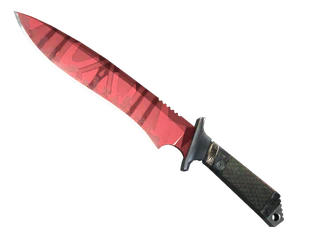
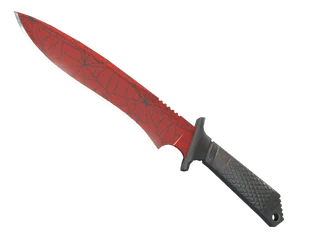
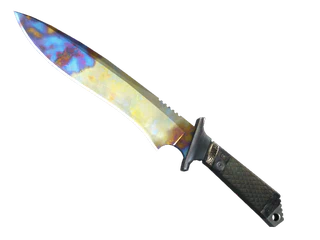
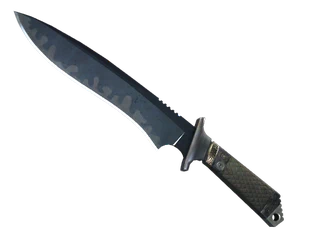
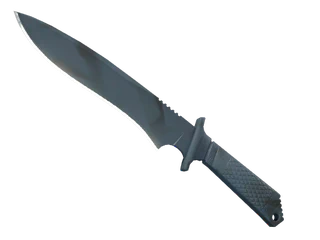
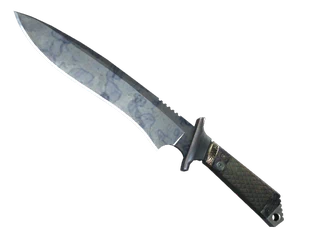
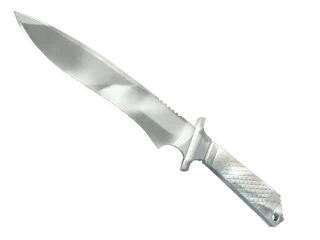
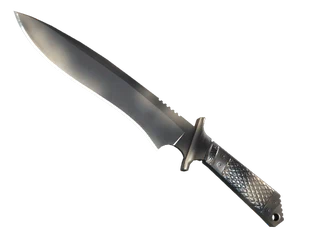
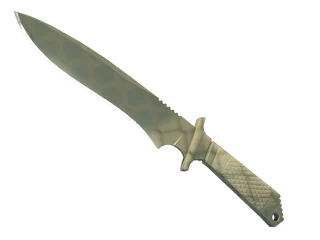
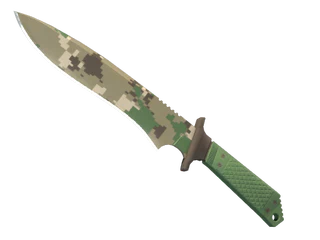
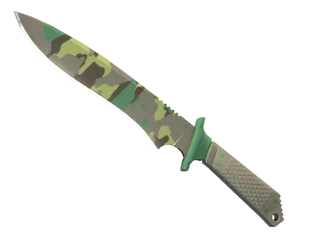
Mid-tier demand with a firm floor - this Classic Knife | Fade trades in the middle of the market but carries a surprisingly tight base thanks to strong collectability and Valve's finish. Liquidity is mainstream, and short-term movement is positive, so clean copies are tradable but not runaway winners.
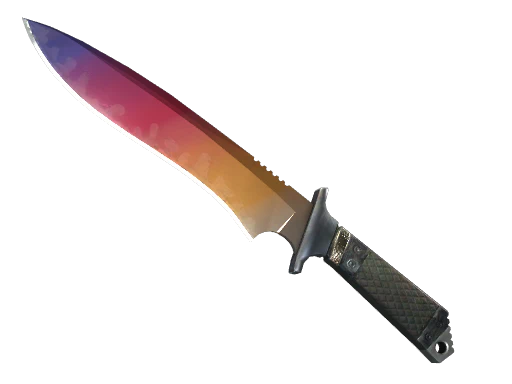
Mid-tier demand with a firm floor - this Classic Knife | Fade trades in the middle of the market but carries a surprisingly tight base thanks to strong collectability and Valve's finish. Liquidity is mainstream, and short-term movement is positive, so clean copies are tradable but not runaway winners.
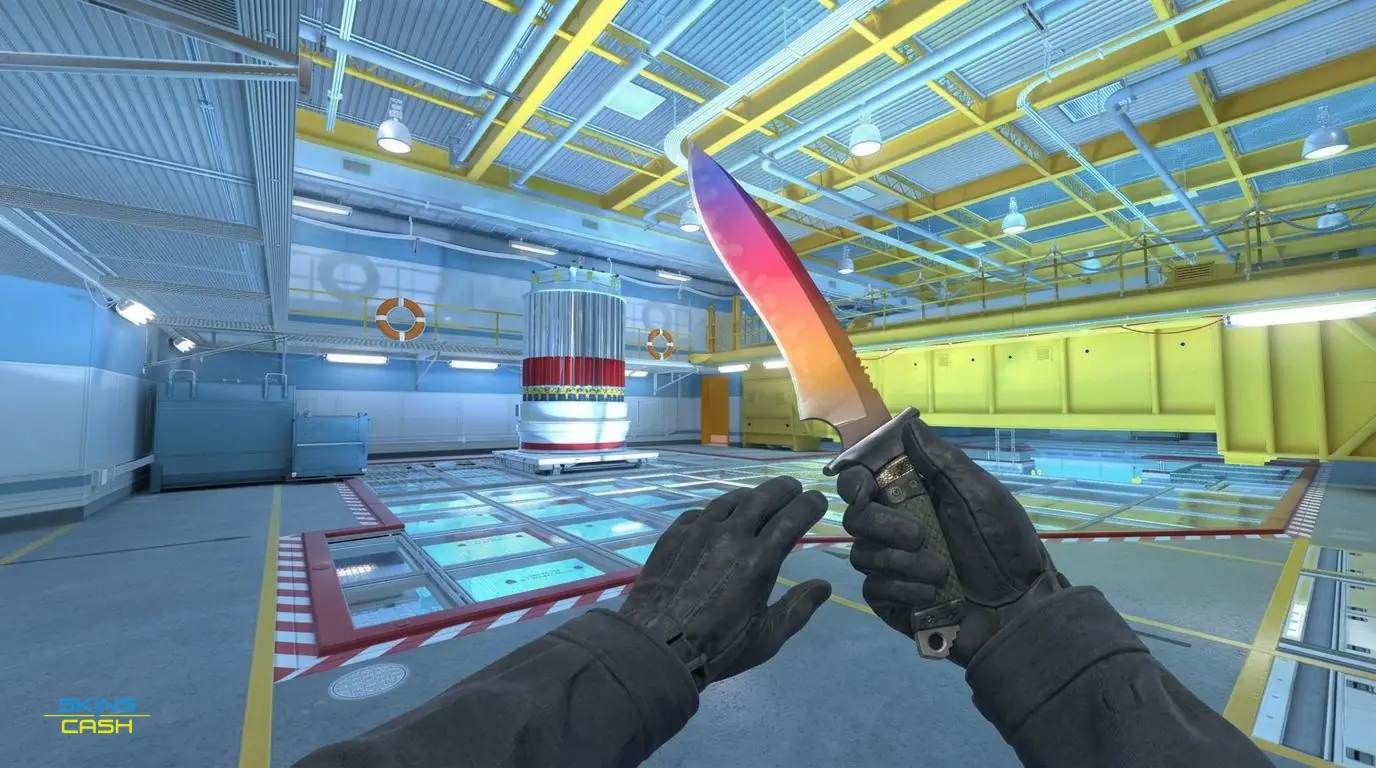

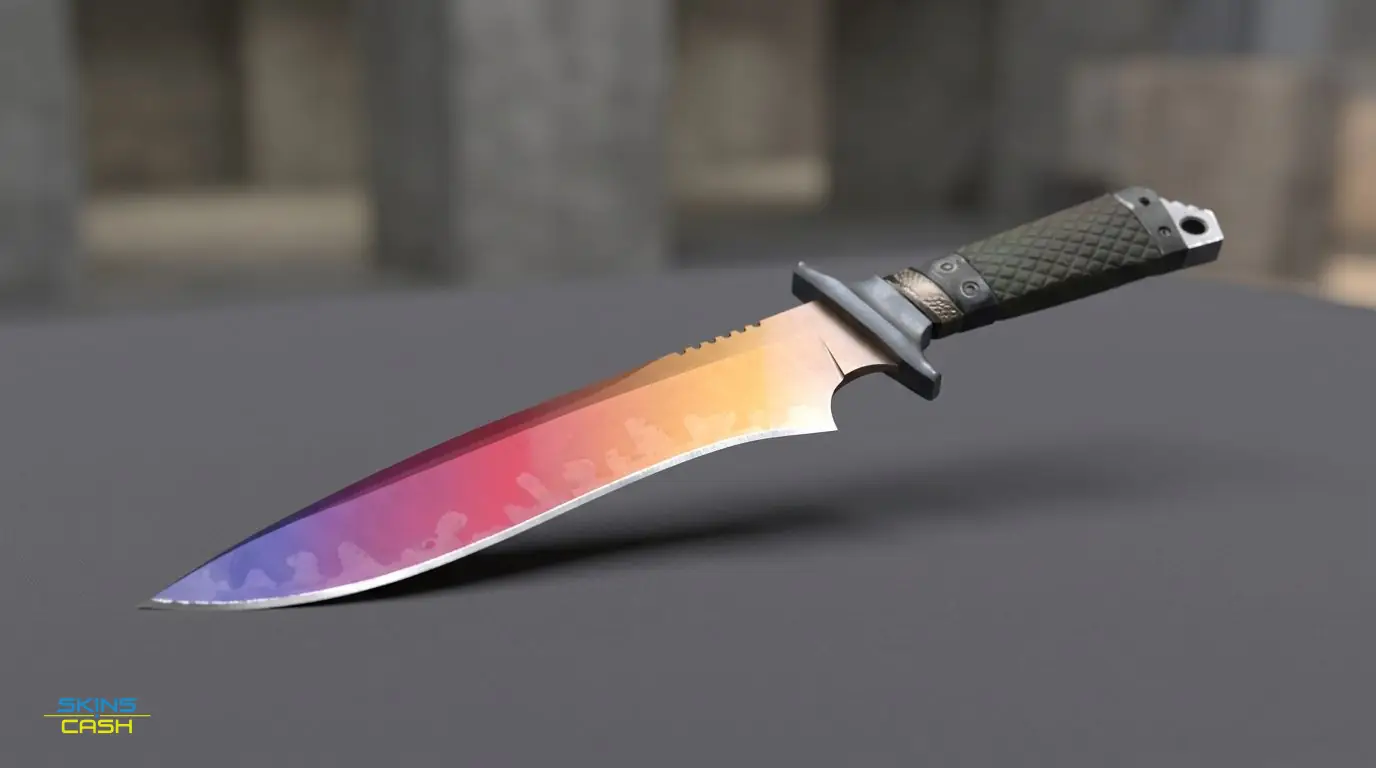
This sits squarely in the mid bracket: not a grail but not a budget play either. The Covert rarity and the Fade motif keep steady attention from buyers who want a recognizable blade without chasing extreme premiums, which makes it easier to liquidate versus the real top-shelf knives.
The payout curve has a capped profile with the clean end reachable but not runaway; values compress as you move down. Expect a defined step at the top then a gentler slope through the middle wears, with most of the dispersion contained rather than stretched out.
Lower wears live in a tight band, so a worn Classic Knife | Fade rarely sacrifices much value compared with slightly cleaner worn copies. If you hold a beaten example, you can lean on the compressed bottom to trade out without sweating a large haircut.
Mid-to-clean wears deliver the most skin-for-money here; the point where buyers stop rewarding cleanliness sits above the worn band but below the very clean tip. For sellers that means aim to hold only if you can reach that middle-clean zone, otherwise take the trade and move capital elsewhere.
The Anodized Airbrushed finish keeps the Fade look readable even as float creeps up, so visual degradation is subtle until you hit extreme wear. Buyers still prefer a clean face, but willingness to pay drops steadily rather than collapsing, so small float differences seldom flip a listing.
StatTrak copies flip the usual order here: a dirtier ST can out-price a cleaner non-ST equivalent because the counter feature attracts a different buyer pool. Watch the ST listings closely; the market often values the tracker's presence more than a tight float delta, so list ST separately and price to that buyer psychology.
This Fade is seed-sensitive - certain seeds shift the fade blend in ways that collectors notice. Before you price, check the seed for an unusual transition or face placement; those idiosyncrasies are the only times you can reasonably ask above the ladder's norm.
The classic Fade sweep remains the selling point: the warm-to-cool gradient reads well in motion and pairs cleanly with darker gloves or skins. Valve's treatment keeps the blade reflective without becoming garish, which is why pro names like Hyper and rallen gravitate toward it.
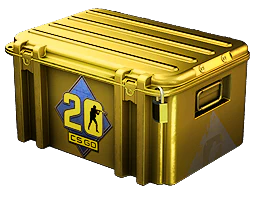
It drops from the CS20 Case, so supply is fixed to that container's circulation and the usual case-driven ebb. That origin keeps long-term availability steady rather than unpredictable, which supports the higher floor compared with newer, limited containers.
Over the year the skin bled down and was re-rated lower, but recent weeks show a modest recovery. The long arc has been soft; treat any rallies as breathing room, not a regime change.
Work the live spread and avoid crossing the band on impulse: list at the ask side of the compressed lower band for a quick fill, or sit at the middle-clean zone if you want full value. On Skins.Cash, staggered asks across the ladder work better than a single aggressive listing.
Players and collectors respect the Fade as a classic pick rather than a speculative trophy; sentiment is steady and practical. That keeps demand mainstream and transaction-ready, with serious buyers rather than hobbyists driving most moves.