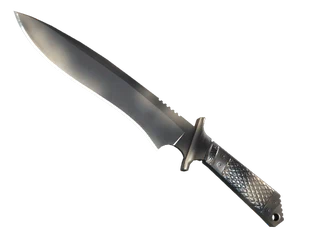
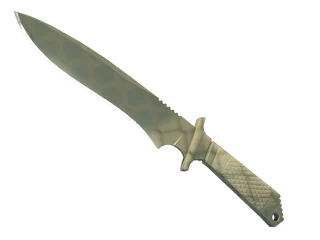
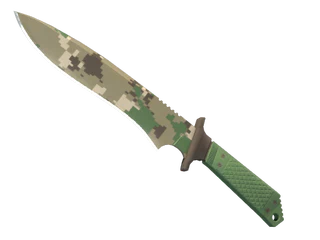
Mid-tier Covert with a wide historical range and a weak floor - this one lives in the middle of the market, not at the grail table. Clean, capped floats carry the real buyers; StatTrak copies trade on a separate axis and often outpace normals when the top wears line up.
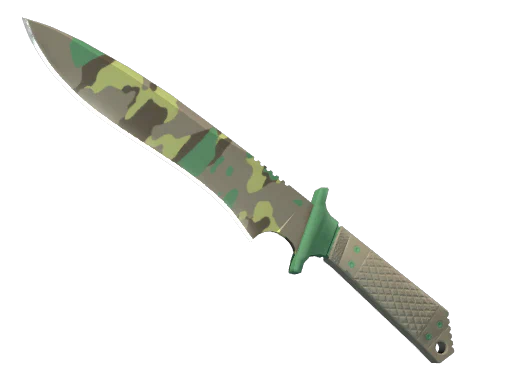
Mid-tier Covert with a wide historical range and a weak floor - this one lives in the middle of the market, not at the grail table. Clean, capped floats carry the real buyers; StatTrak copies trade on a separate axis and often outpace normals when the top wears line up.
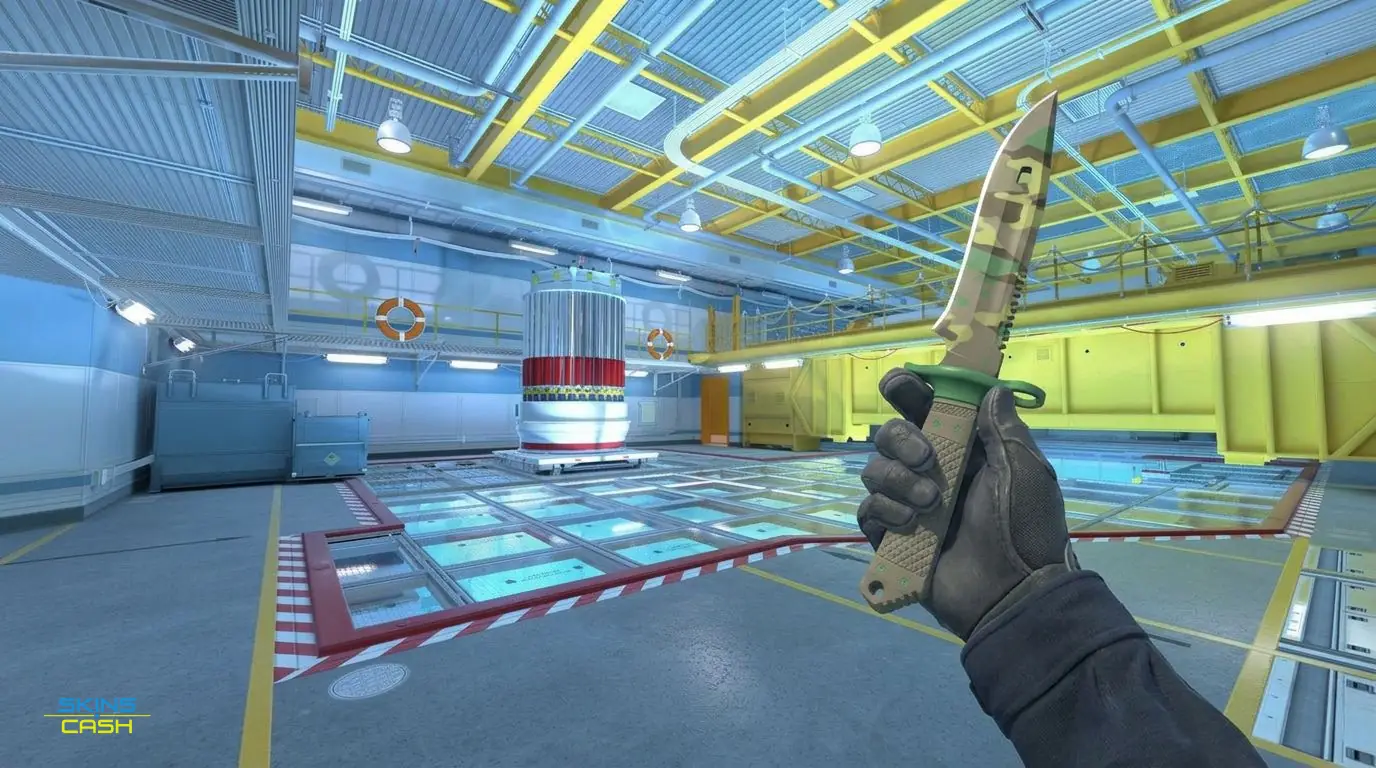

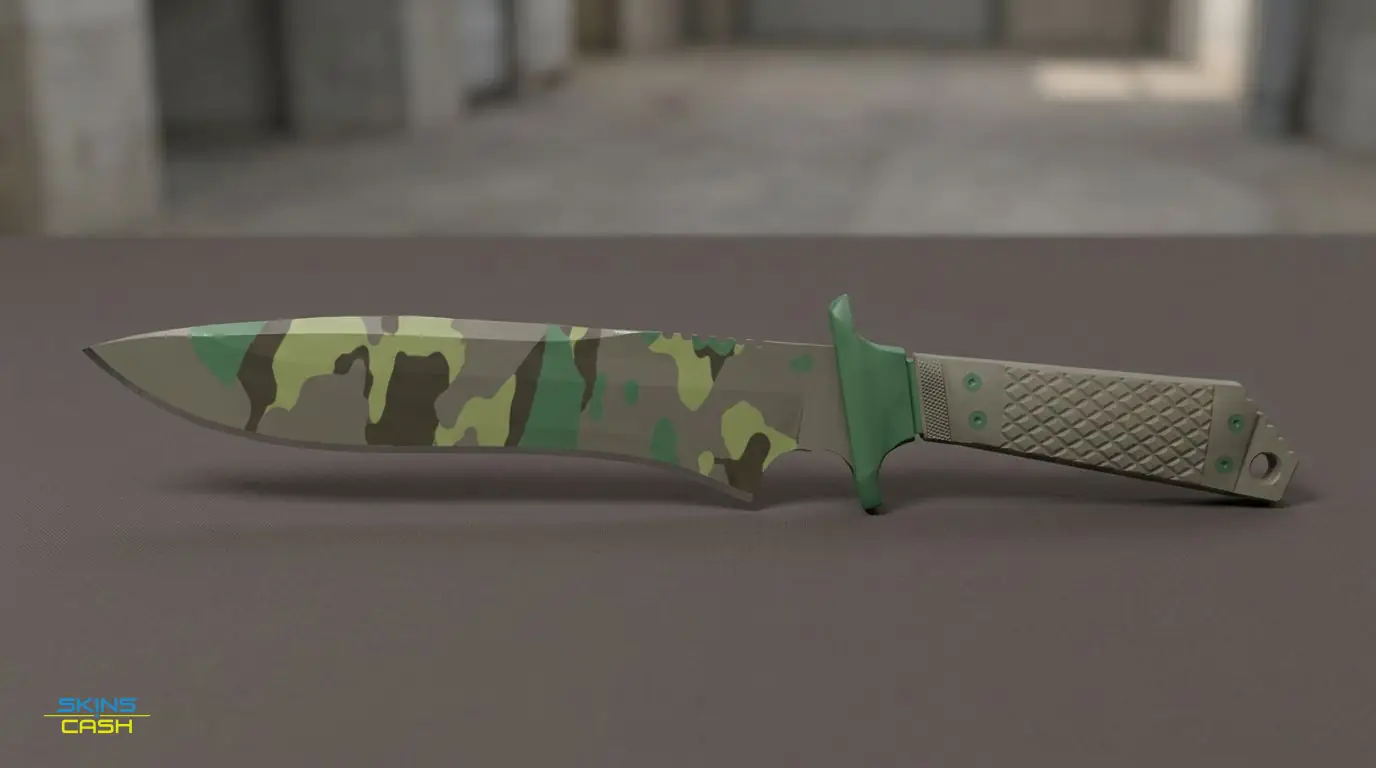
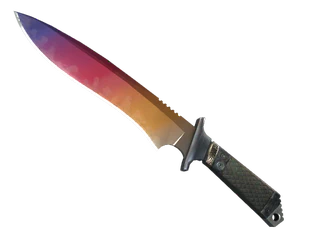
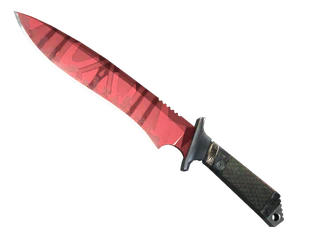
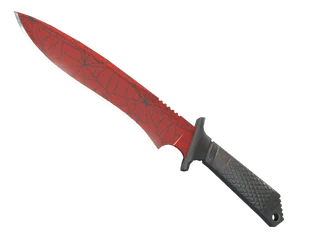
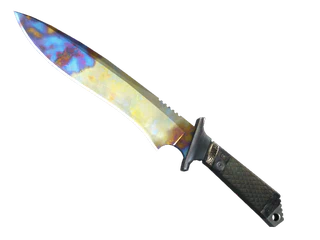
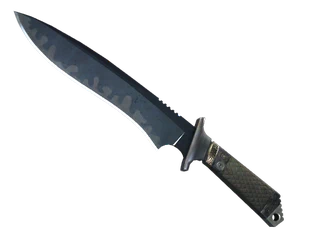
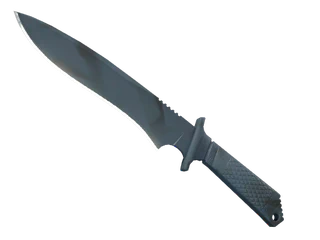
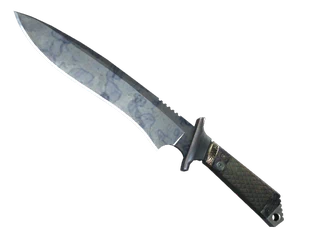
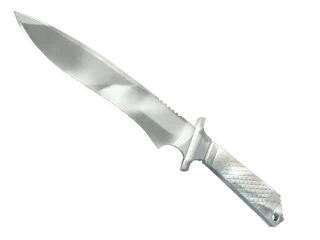
Among Covert knives this Classic Knife | Boreal Forest sits squarely in the mid bracket, a mainstream pick rather than a grail. That positioning means expect steady but selective demand: listings move if priced to the mid market, but you will not get grail bidding wars on routine copies.
The payout curve is a classic capped-profile ladder with a marked step toward cleaner floats rather than a gentle slide. Sellers see a clear separation at the top of the ladder and then a long tail of compressed payouts down the worn side.
If you want the most skin-for-money, aim just below the top of the capped range where the Hydrographic finish still reads clean but without paying premium for the absolute cleanest fractions. Beyond that point the payout stops rewarding marginally cleaner wear and the extra cost no longer buys much more visual return.
Worn copies live in a tight band; the lower-tier spread is compressed so small float differences do not change payout much. Holders of clearly worn Boreal Forests should not expect float to rescue a weak listing - demand is indifferent across that grouped zone.
Because the float range is capped the worst-looking copies are cleaner than typical uncapped knives, and that changes where value concentrates. The capped ceiling pulls buyers toward the mid-clean range and reduces the deep-wear panic that can depress other knife lines.
StatTrak variants exist and form their own demand curve that partially inverts against normals when market appetite spikes for tracker effects. StatTrak Boreal Forests usually trade separately and can outperform normals in short windows; treat them as a parallel line when estimating receipts.
There is no pattern noise to price around here - the finish is Hydrographic and pattern is none, so pattern index does not move value. That keeps the pricing job simple: float and StatTrak are the only levers that matter.
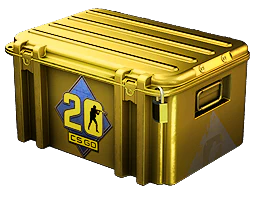
This knife comes from the CS20 Case, so supply behavior follows that container's cadence rather than event-only scarcity. Listings will reflect the case origin; plan for steady entry of copies rather than sudden short supply shocks.
Green and gray in a Hydrographic finish give the Boreal Forest a subtle, utility-first palette that reads well at range and in close. The Valve-designed aesthetic keeps the skin visually coherent in motion - useful when buyers care more about tone than flash.
Over the longer run the line has bled from higher levels and only recently shown a short uptick, producing a wide historical range. That arc makes pricing fragile: rallies can be sharp, but so can drops when the market re-rates down.
The frequent errors are twofold: treating every clean float the same and ignoring the capped profile, and muddling StatTrak and normal pricing as if they share a single curve. Check float bands and separate lines before you list; price for the mid market if you want a quick clear.
Among players this knife is well known but not culted - solid mainstream respect rather than collector mania. That signals patient liquidity: buyers exist, but they are selective and respond to clear float and StatTrak cues rather than hype.