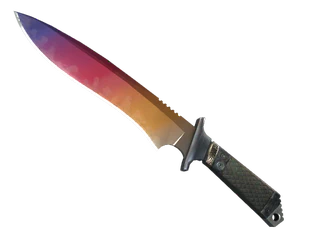
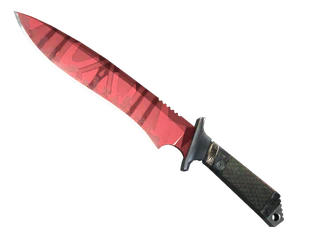
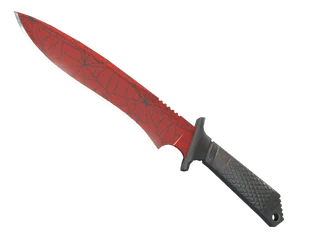
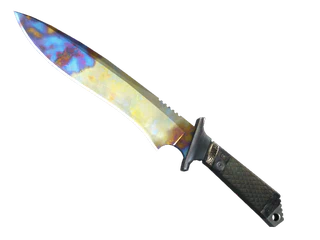
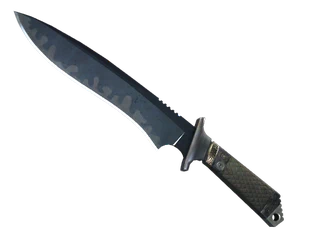
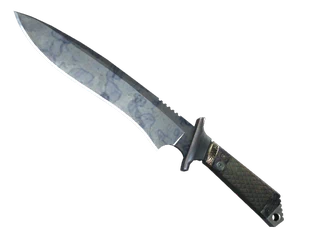
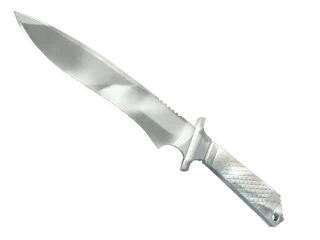
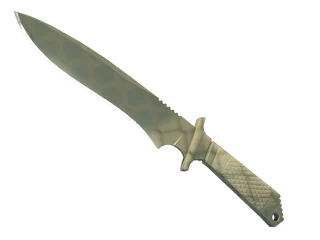
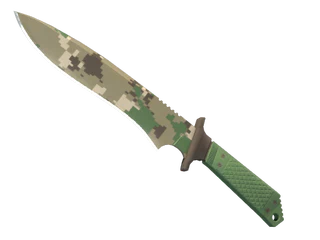
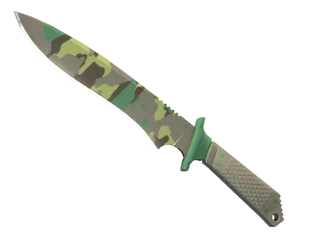
Mid-tier demand with a clear seller story: value sits in cleaner copies and StatTrak behaves unusually compared with the non-ST line. The market is mainstream but soft at the floor, so timing and float matter more than chasing listings when you cash out.
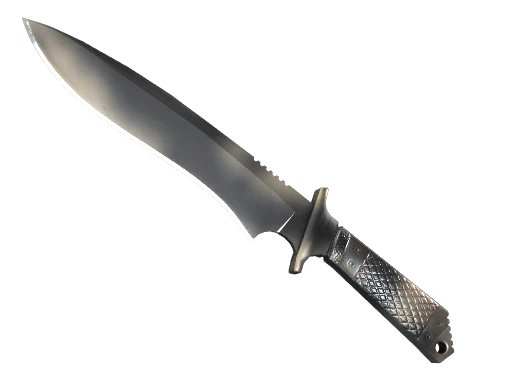
Mid-tier demand with a clear seller story: value sits in cleaner copies and StatTrak behaves unusually compared with the non-ST line. The market is mainstream but soft at the floor, so timing and float matter more than chasing listings when you cash out.



This sits squarely in the mid bracket among covert knives: respectable buyer interest but not a grail chase. For a seller that means you move units without the pressure of ultra rare premiums, yet you cannot treat it like a budget flip either - float and condition still steer real bids.
The payout curve leans toward a capped profile with a steepness concentrated near the clean end; the top wear band pulls value away from everything below it. Expect a hard delineation between the clean copies and the rest rather than a gentle, even slope across wears.
Listings will show optimistic sticker prices but the cashout you net sits lower because fees, market cut, and ladder shape eat the top. When you price to sell, start from the mid-tier reality of demand and back into a net figure that buyers will actually match, not the full ask on a hopeful listing.
Worn copies live in a tight payout band thanks to the compressed lower-tier spread, so the difference between a worn beat-up and a mid-wear is muted. If you hold a darker, well-played copy it rarely discounts heavily compared with slightly cleaner low-end examples, which keeps them liquid enough to move.
Because the float profile is capped the worst-looking copies still read cleaner than many other knives; the bottom of the ladder behaves more like a muted mid than an abyss. That reduces downside risk for sellers holding the rougher end but also narrows the upside outside the clean stratum.
StatTrak exists and inverts the usual dynamics: the ST line carries its own demand curve separate from non-ST, and the premium pattern is not a flat multiplier. For someone selling, a StatTrak copy will attract a distinct buyer subset and should be priced on that separate curve rather than patched onto normal listings.
There are no pattern quirks to chase here, so seed noise is absent and price moves on float and StatTrak status only. That simplifies valuation - check wear, check ST, and forget pattern hunting when setting a cashout target.
This knife drops from the CS20 Case, which keeps supply flowing through regular case openings rather than limited event pools. The origin keeps the listing base steady instead of creating sudden scarcity, so spikes tend to be driven by demand shifts rather than supply shocks.
A muted gray spray-paint finish reads understated in game and matches well with darker loadouts; Valve's designer language here favors a low-contrast, workmanlike aesthetic. That visual restraint makes it appealing to buyers who want a covert blade that does not shout.
The all-time band is massive, so this skin has seen broad swings between quiet patches and active stretches. Current placement sits comfortably in the mid arc of that band rather than at either extreme, which is where most practical sellers will trade.
The usual errors are listing to sticker without accounting for the capped float behavior, and lumping StatTrak and non-StatTrak together when valuing. Avoid both by separating ST from non-ST and by weighting listings by float band rather than headline asks.
Svyat is the named pro tied to the piece, and that modest visibility nudges demand among his followers but does not create a perennial premium. It helps turnover among mid buyers and occasionally triggers interest spikes when he appears in coverage.