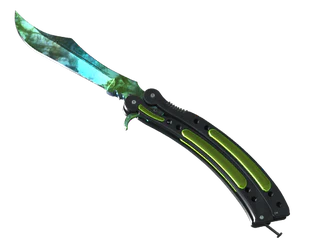
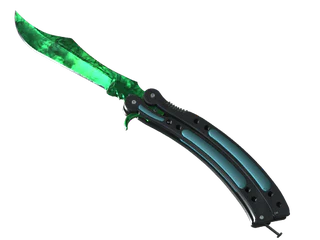
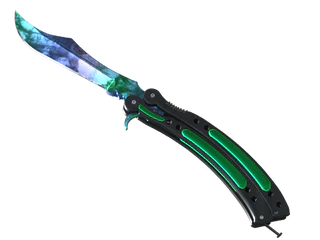
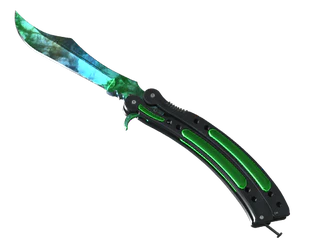
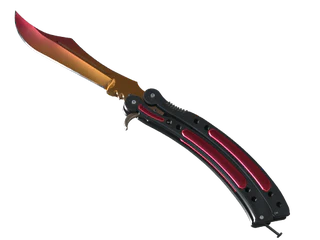
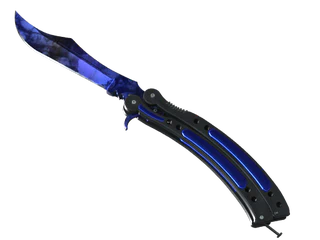
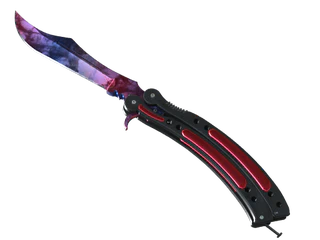
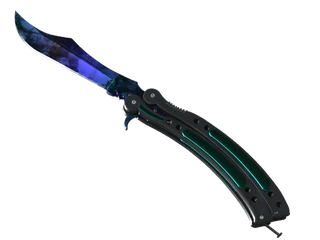
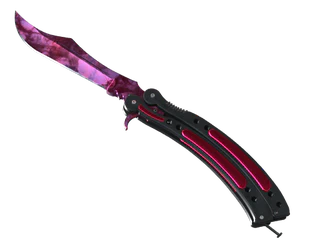
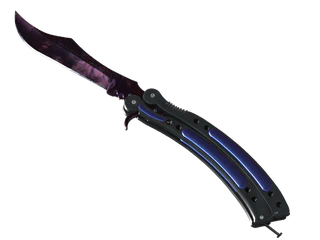
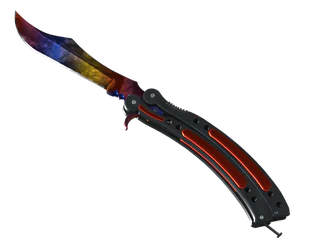
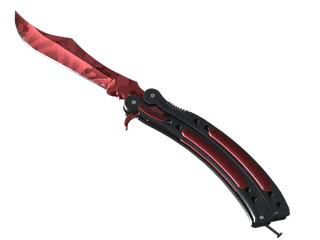
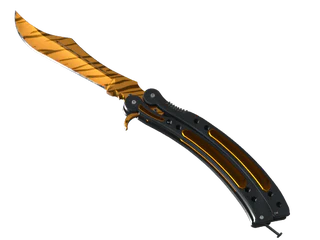
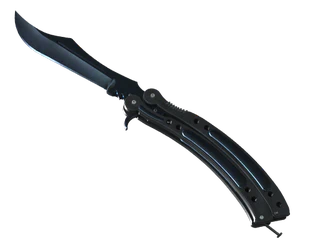
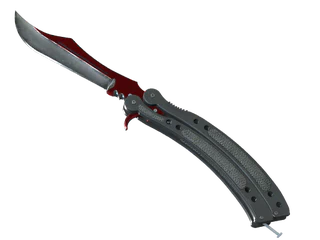
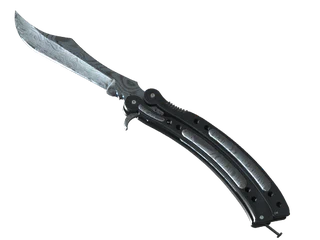
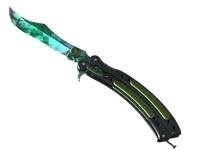
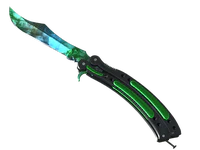
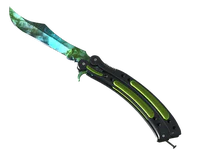
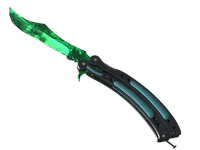
Top-tier demand and a high structural floor make the Butterfly Knife | Gamma Doppler Phase 2 a grail-level holding that moves with intent rather than volume. Clean, capped floats and a phase pattern concentrate value at the rarer end; a seller times listings around tight spreads and attention spikes, not steady churn.
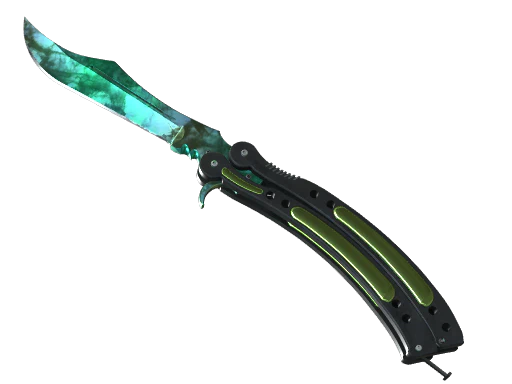
Top-tier demand and a high structural floor make the Butterfly Knife | Gamma Doppler Phase 2 a grail-level holding that moves with intent rather than volume. Clean, capped floats and a phase pattern concentrate value at the rarer end; a seller times listings around tight spreads and attention spikes, not steady churn.
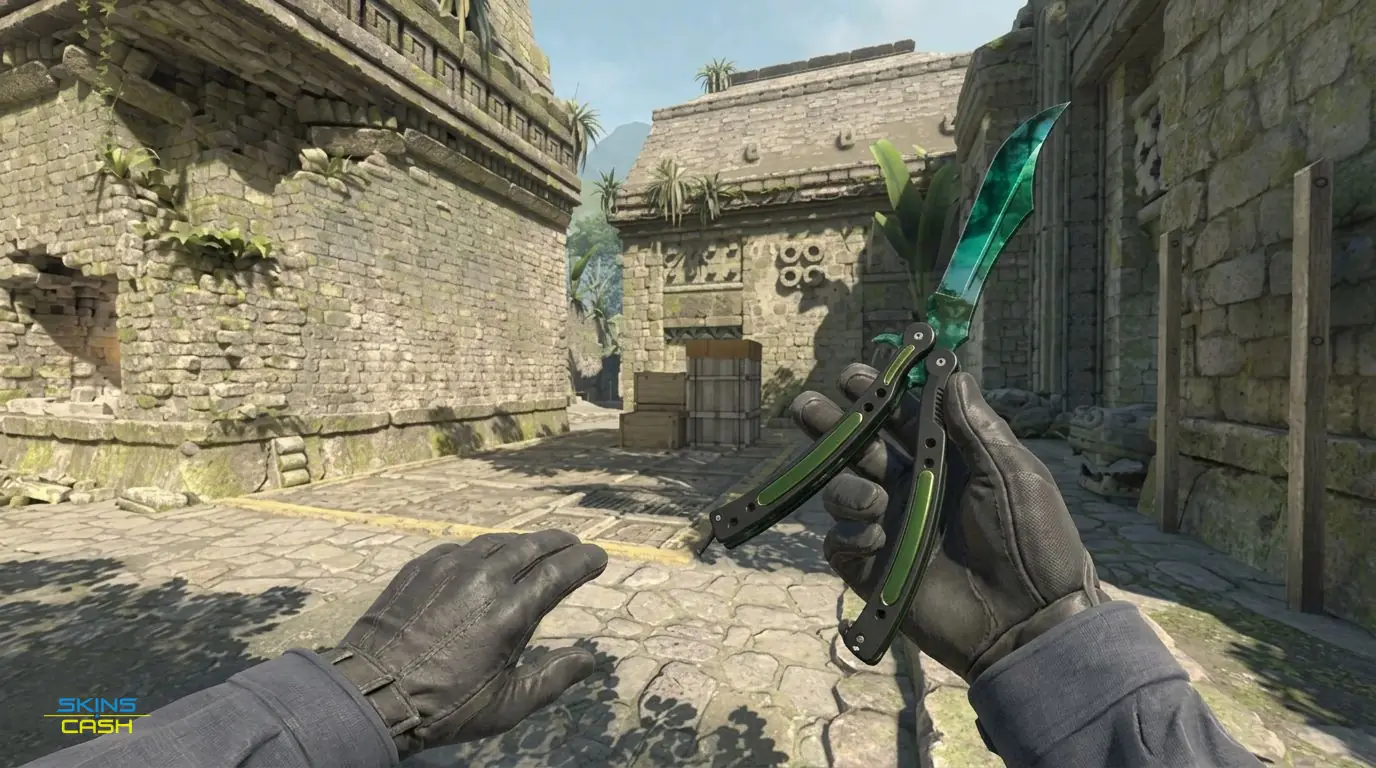

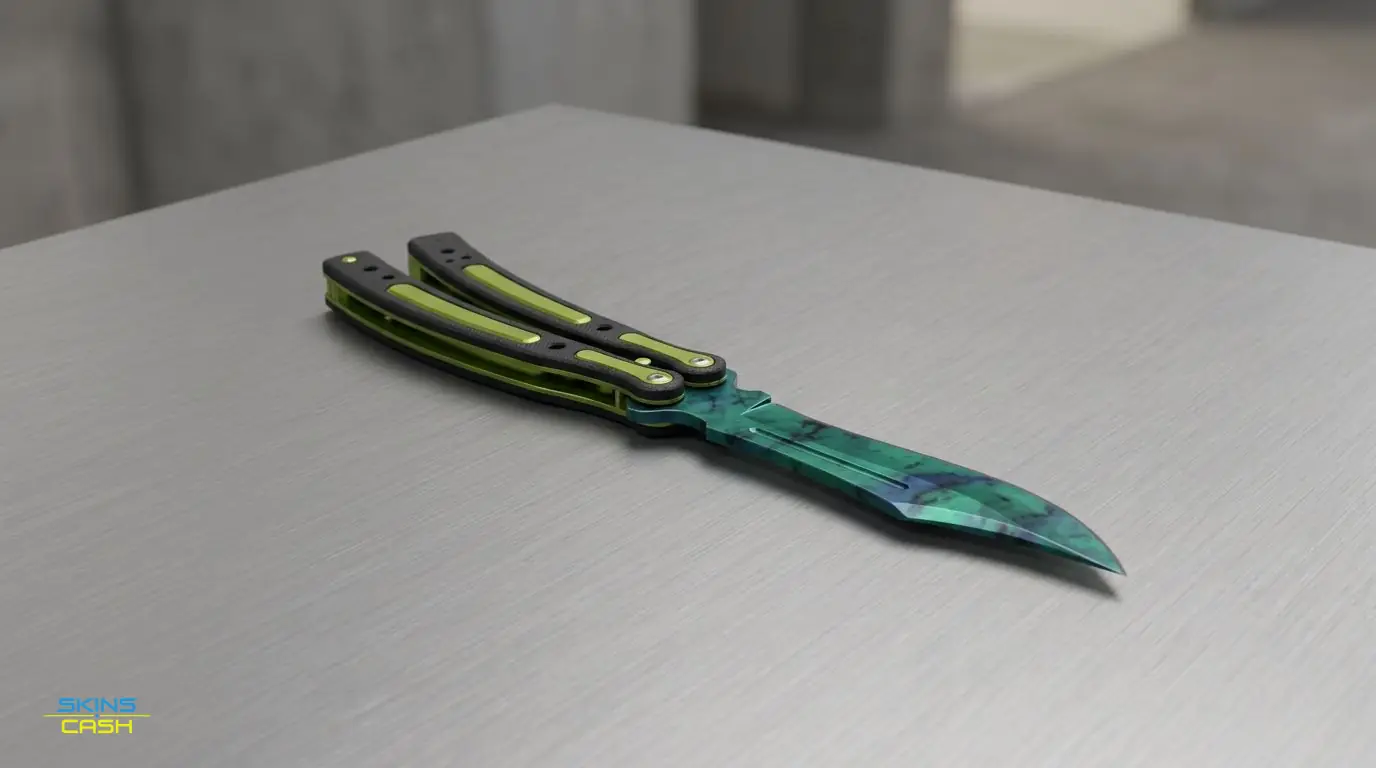
This is a grail piece among knives: thin buyer pool, serious bids, and a structural floor that keeps worn copies tradeable. For a seller that means listings sit until the right buyer appears rather than clearing on sight; you trade patience for premium.
The ladder has a sharp taper from the clean end and then flattens out toward the lower wears, so most value compresses into the top tiers. Expect a steep change in payout as you cross into the cleanest bracket, with a long, gentle tail after that point.
Mid-to-clean floats are where skin-for-money is most sensible; you get much of the visual appeal for a fraction of the premium that the absolute clean end commands. Selling just below that premium cut often nets the best matchup between quick sale and retained value.
The lower wears are bunched together so individual float differences matter little down there, especially on a finish that reads well even when worn. If you hold a worn copy, listings shouldn't chase marginal float bumps; buyers treat those copies as a cluster.
This finish does not run the full float spectrum, so the 'worst' copies look cleaner than typical worst-case examples and do not drag the bottom of the ladder as far down. That cap reduces the downside spread and keeps the lower rung firm compared with other knives.
Covert rarity underwrites the floor on even worn examples, so the worst-condition pieces still clear a baseline level of demand. The rarity layer prevents a hard crash at the tail and steadies the low end for sellers who need liquidity.
StatTrak versions exist and carry a consistent premium that mirrors the non-StatTrak ladder but elevated; demand for StatTrak is thinner and more selective. If you hold an ST copy, position it separately and expect buyers willing to wait for the right float and pattern.
Being an Operation Riptide Case drop ties supply to that container's lifecycle rather than steady shop churn. That origin concentrates incoming supply into discernible waves tied to operations and case drops, not continuous trickle.
The green-dominant, anodized multicolored finish reads crisp in low and mid-light; movement brings out shifting hues that play well on foliage maps and darker interiors. Valve's treatment and the saturated greens give it presence without relying on gaudy contrasts.
Price action has been largely flat over the short window, with no clear run-up or collapse in the last cycle. The longer arc has been weaker, but recent flows show a pause in the descent.
With a massive historical range but a capped float and compressed low end, expect episodic jumps rather than steady drift. That means picking your exit around volume events will usually beat random listings posted on slow days.
On a grail-level knife, patience converts a listing into a premium sale; holding through short blips can materially improve outcomes. Time the market around demand pulses and pro usage spikes rather than chasing immediate offers.