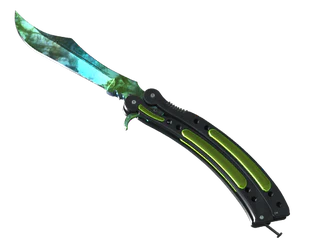
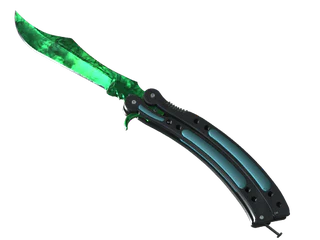
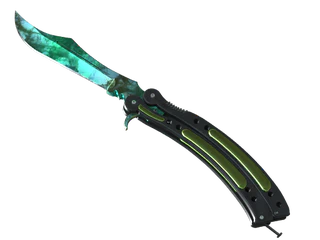
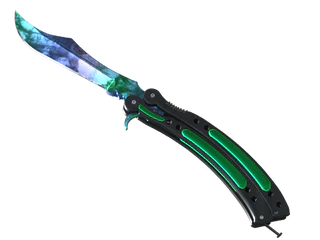
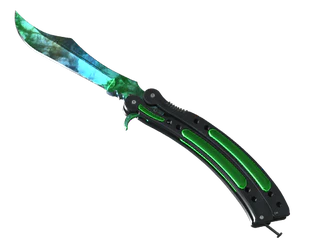
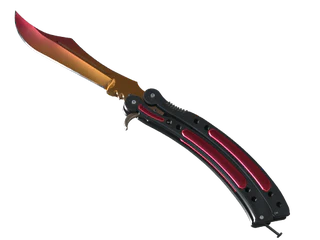
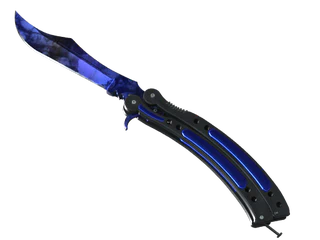
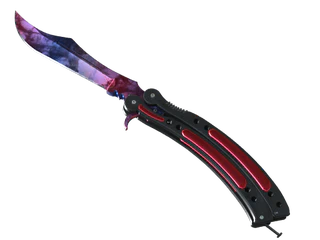
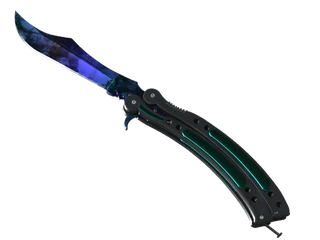
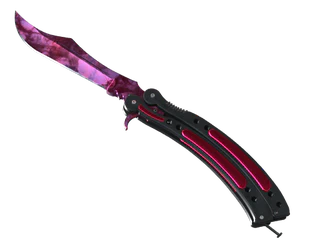
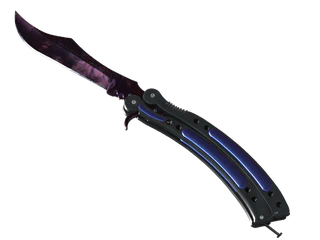
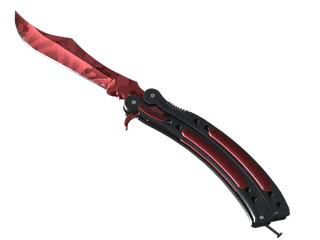
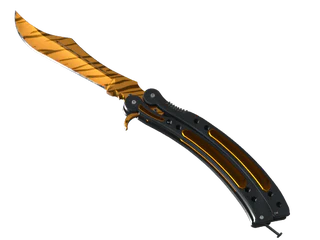
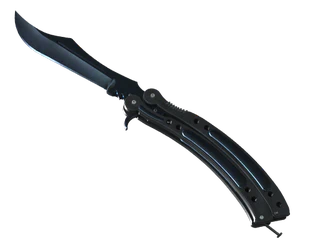
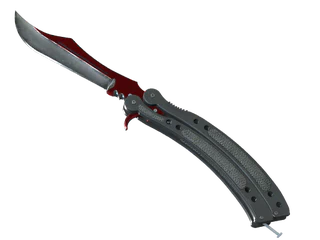
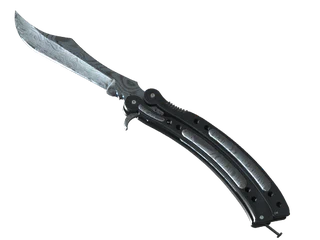
A true premium knife with a tough market footprint: demand concentrates at the clean, flashy end while most copies trade significantly lower. High floor behavior keeps downside limited, but the one to watch is the capped float profile and StatTrak quirks before you hit sell.
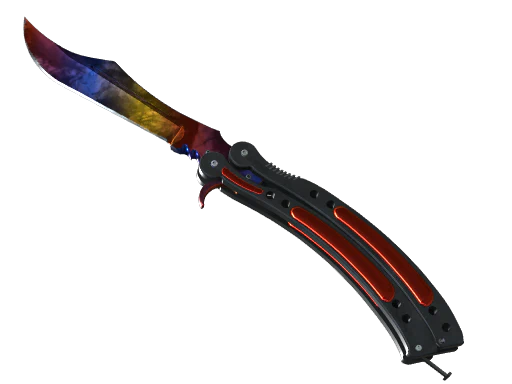
A true premium knife with a tough market footprint: demand concentrates at the clean, flashy end while most copies trade significantly lower. High floor behavior keeps downside limited, but the one to watch is the capped float profile and StatTrak quirks before you hit sell.
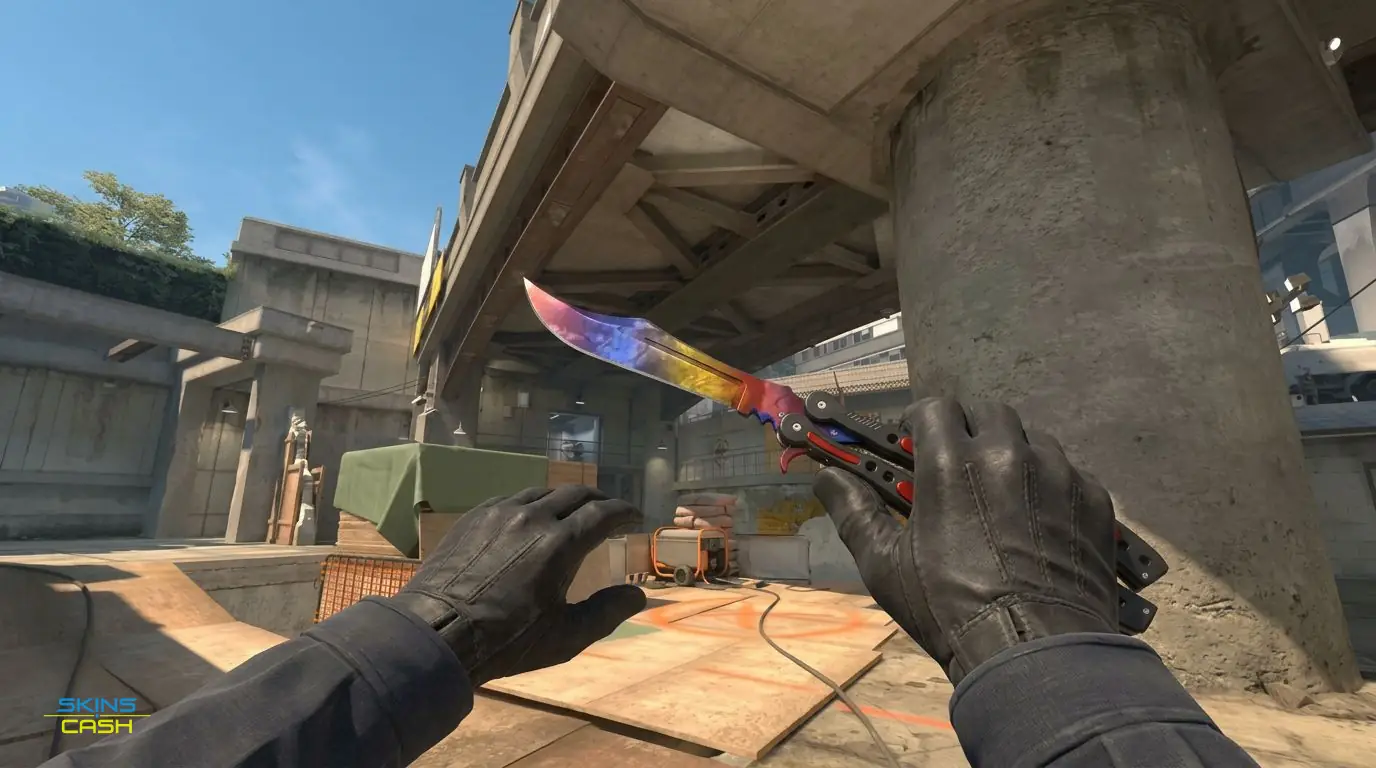
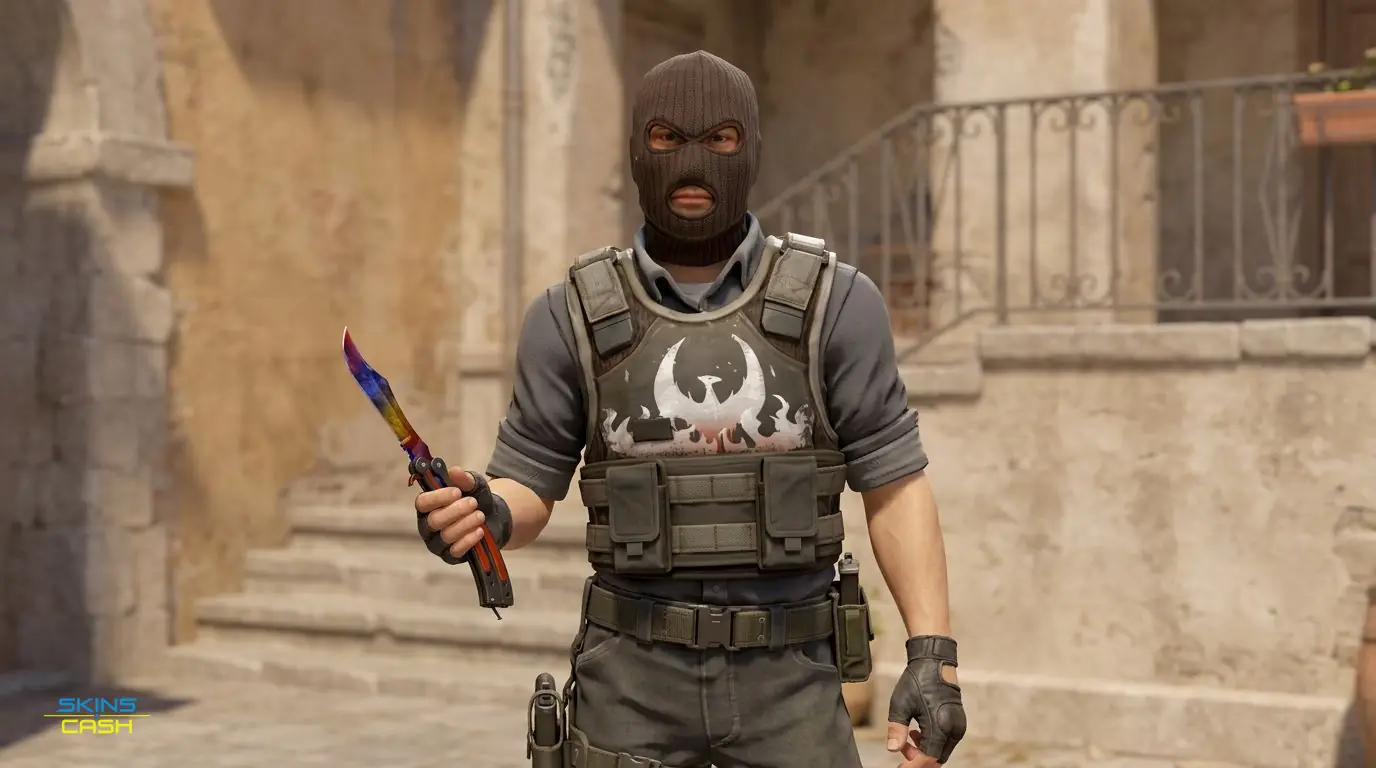
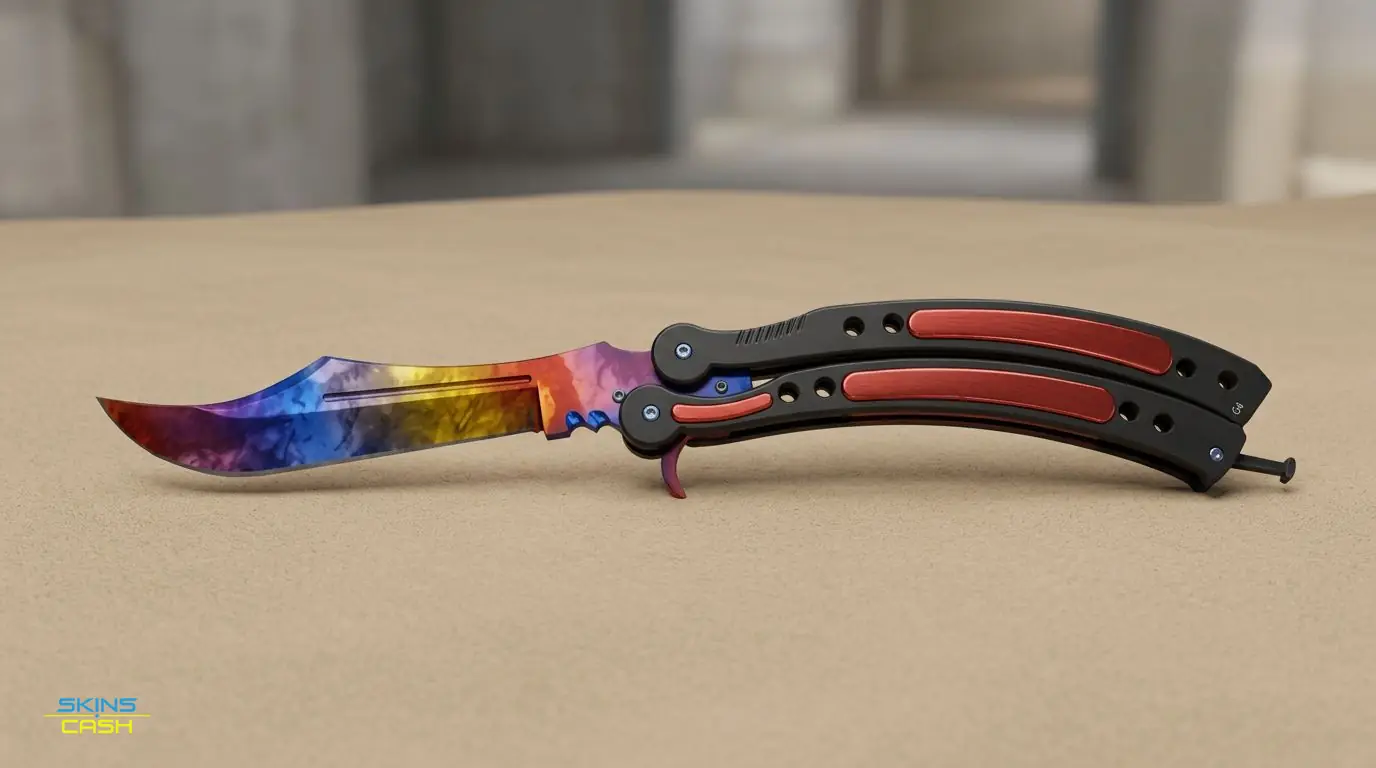
This Butterfly Knife sits in the premium bracket among knives and commands attention from collectors and serious traders rather than casual buyers. Rarity and the Anodized Multicolored finish push it into a market where listings move by individual copy quality and pro-player provenance, so sellers should treat each unit as a bespoke lot instead of a stackable asset.
The ladder is heavily top-loaded with a sharp separation at the clean end, then flattens quickly through the rest of the range. Because floats are capped, the payout curve has a clear cliff where pristine blades command most of the spread and lower wears cluster into a compressed band.
Mid-clean copies give the best skin-for-money for buyers who want visible color without paying full premium for pristine faces, and the seller should expect the premium to evaporate past the upper-mid wear. Picture the payoff stopping shortly after the clean segment: beyond that the market treats pieces as utilitarian rather than collectible.
Expect a noticeable gap between sticker prices and real cash in hand; listings often reflect aspirational asking rather than what buyers commit to, and fees plus taker discount widen that gap. When you price, peg your net expectation to the lower edge of active buys rather than the top of visible listings.
The Anodized Multicolored finish degrades visibly with higher float: clean faces pop with spectrum shifts that matter in screenshots and demos, while dirtier copies lose that crisp color separation. Buyers pay for that visible flash; small float moves near the clean end swing perception a lot, later in the ladder they barely move the needle.
In StatTrak copies a heavier-worn specimen can out-price a cleaner one because certain StatTrak buyers chase the meter and player provenance over float purity. Watch for listings where StatTrak units trade above normal copies despite wear; seed and meter desirability can override the usual float hierarchy on this model.
Phases and seed variation alter how the marble fade blends across the blade and can create a meaningful premium when a phase yields a centerpiece streak or symmetrical palette. Always check the phase on the bite and spine areas before listing; a sticky pattern detail will lift one copy out of the herd.
The finish gives a razor blade of color: saturated reds, blues, and golds that read clean under most lighting and stand out on killscreens. Valve's Anodized Multicolored approach preserves high contrast even at mid-wear, so the knife still looks aggressive in-game compared with flatter finishes.
Being a Spectrum Case drop ties supply to a high-profile container that collectors watch closely, which keeps new availability steady but gated by case circulation. That origin makes supply predictable but not abundant, supporting the premium bracket over time.
The all-time band for this Butterfly Knife has been massive, with extended excursions at the top and long stretches where prices compress. Current listings sit below the historical peaks, leaving space for selective re-rating if a clean, rare phase resurfaces in the market.
Given the massive historical band and a down hard longer trend, price action is jumpy when clean examples trade but otherwise flat in the mid and low ladder. For a seller, cashing into momentum around a neat StatTrak or sought phase usually outperforms waiting for steady appreciation.
Sellers commonly overvalue mid-wear copies as if the marble pattern alone carries the clean-end premium, or they ignore StatTrak inversion and list by float only. Avoid both by checking phase, StatTrak status, and current buy-side activity before setting an ask.