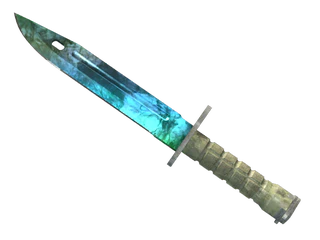
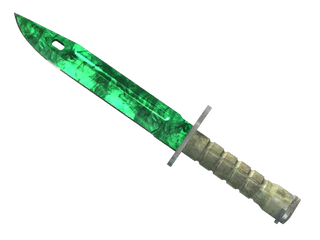
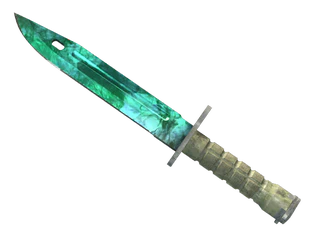
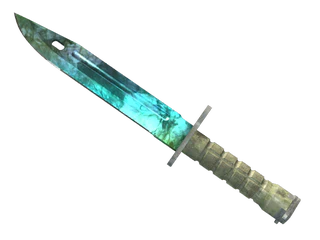
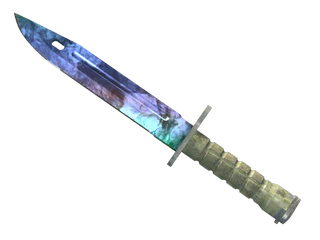
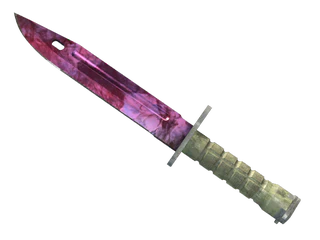
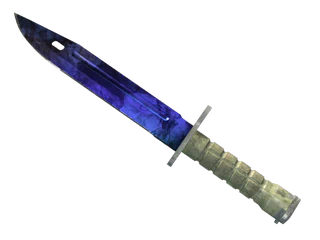
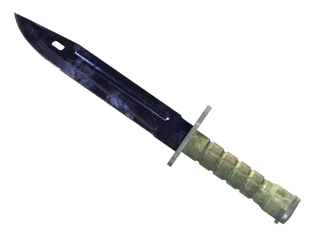
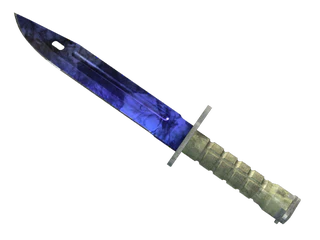
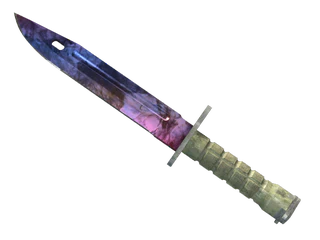
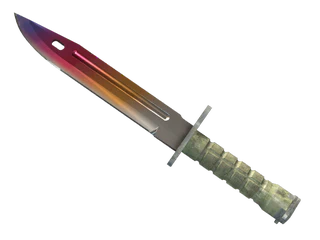
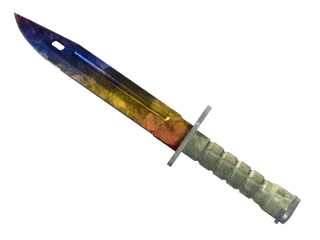
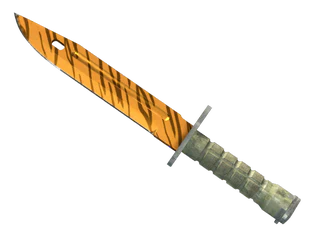
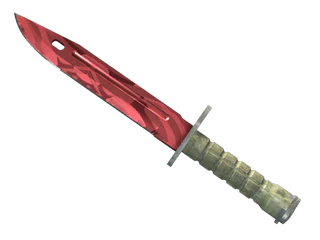
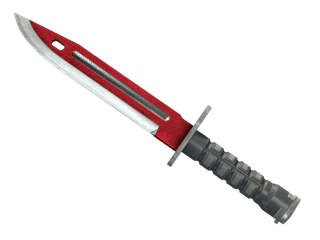
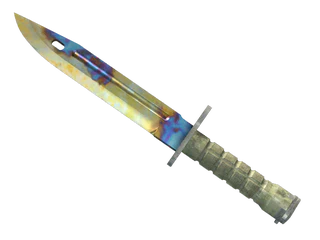
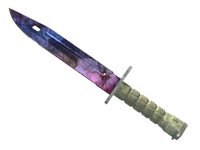
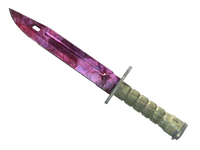
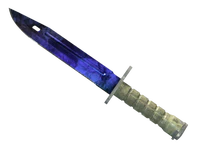
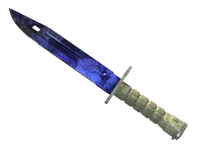
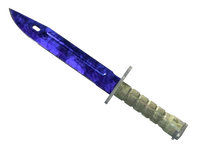
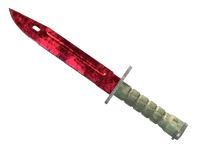
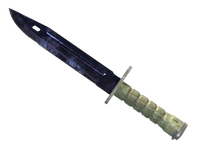
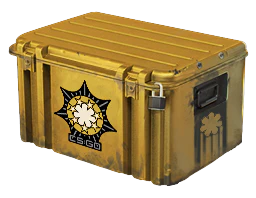
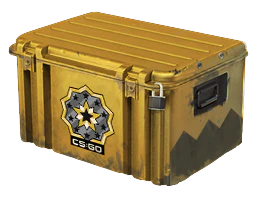
This Bayonet Doppler Sapphire sits in the premium bracket for bayonets - demand comes from collectors chasing the blue sapphire phase and from players who want that deep blue in game. Supply behavior skews toward a small group of buyers at the clean end while most copies trade through a wider, cheaper band.
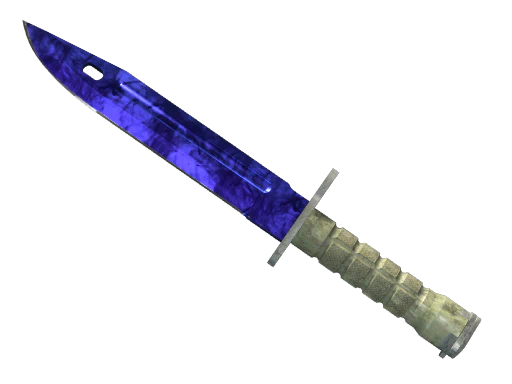
This Bayonet Doppler Sapphire sits in the premium bracket for bayonets - demand comes from collectors chasing the blue sapphire phase and from players who want that deep blue in game. Supply behavior skews toward a small group of buyers at the clean end while most copies trade through a wider, cheaper band.
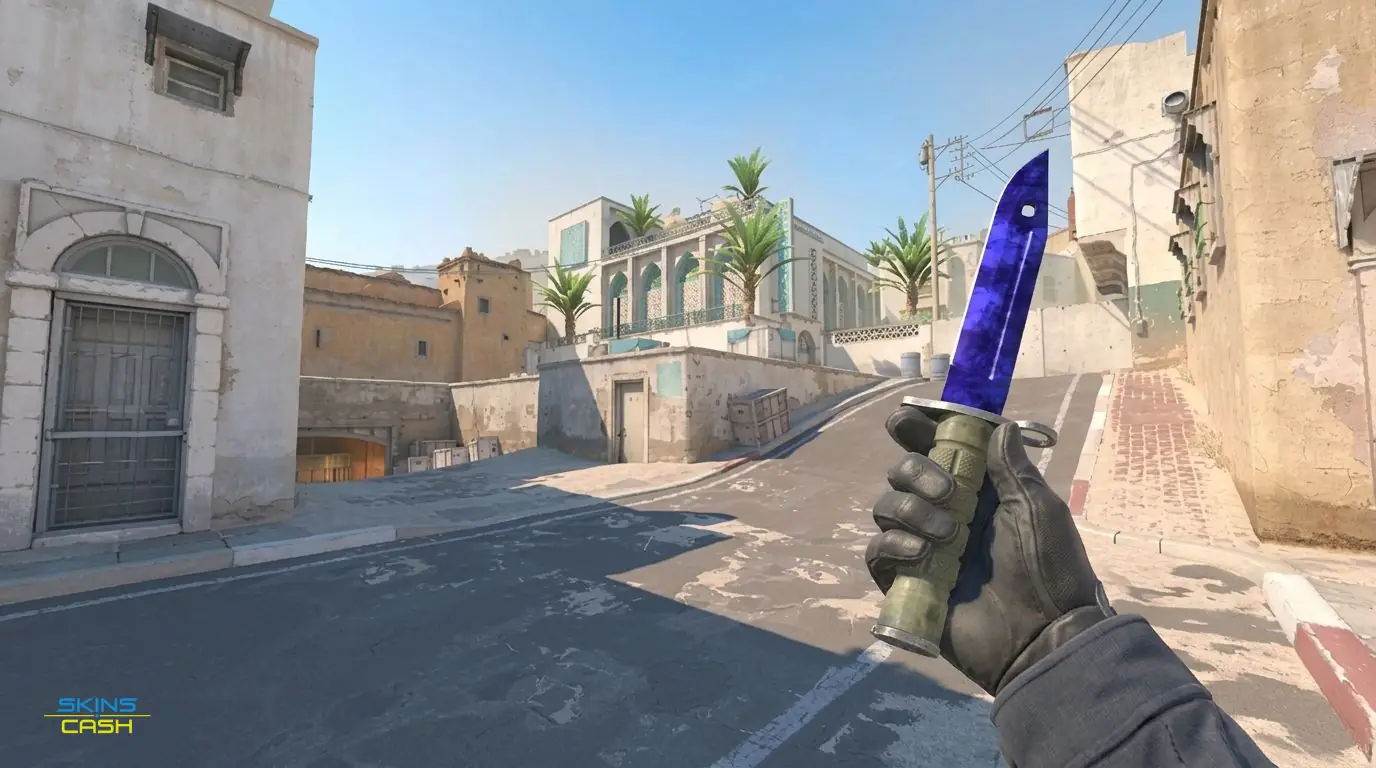
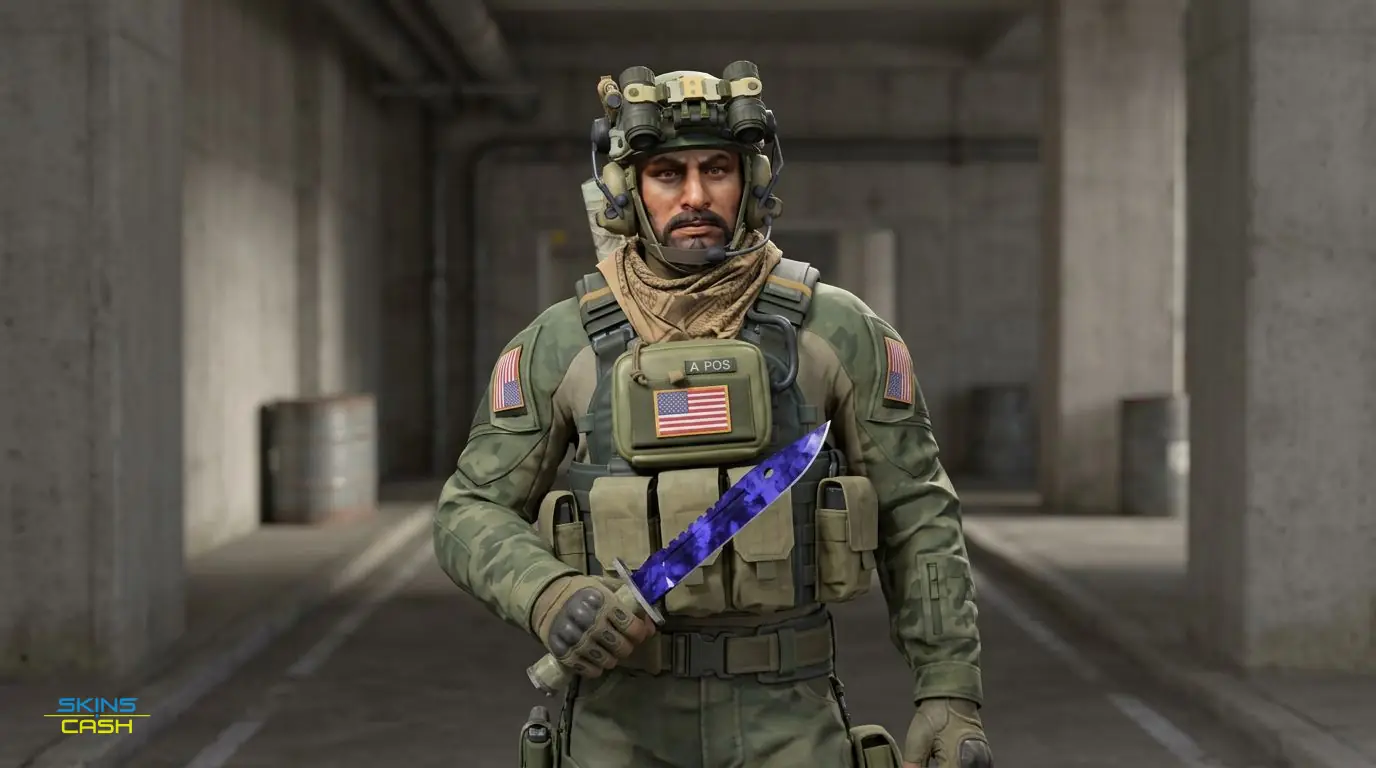
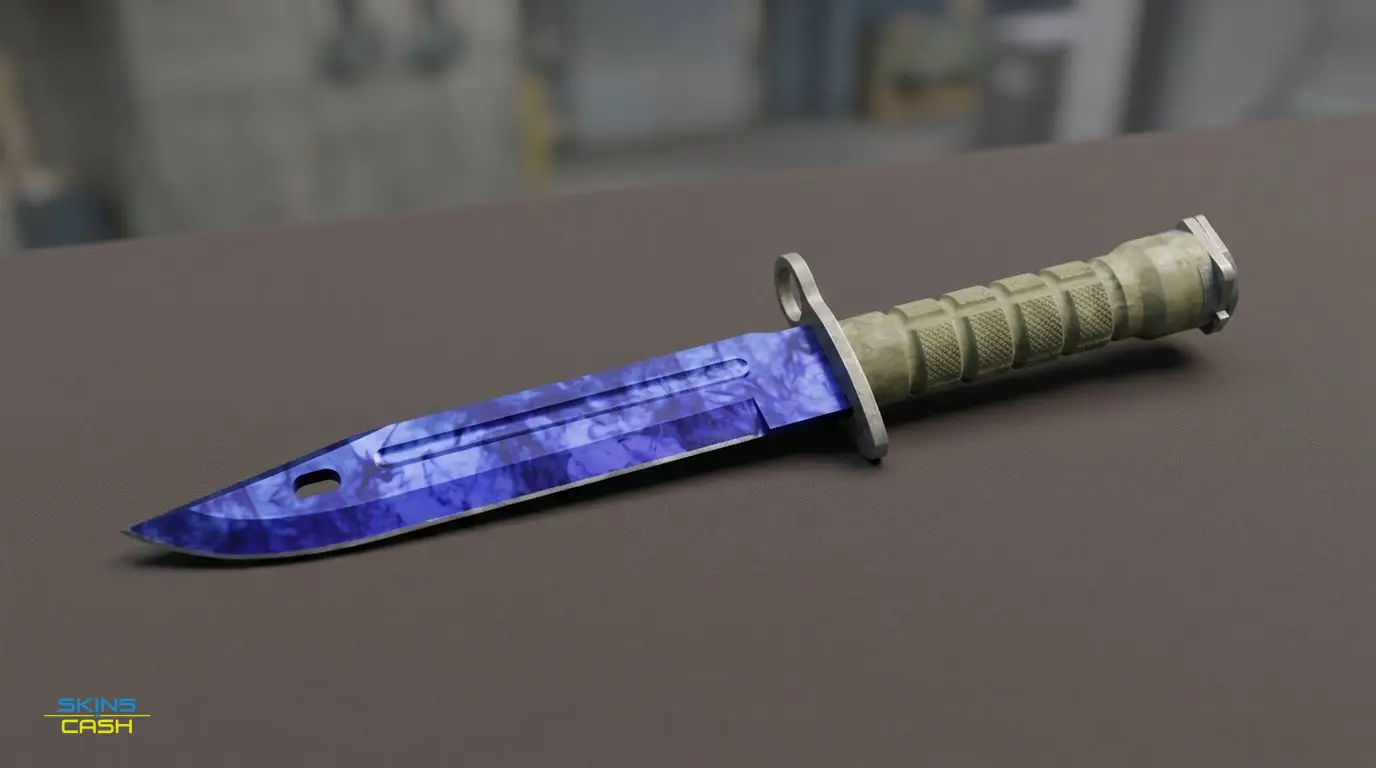
Premium territory for a bayonet; buyers treat this as a step above mid-range blades because of the Doppler Sapphire look and Covert rarity. Sellers should expect fewer, more committed buyers than for mainstream anodized finishes, so patience often wins when you want top return.
The payout curve is front-loaded with a strong premium near the clean edge and a pronounced step down after that. Because there is no extra factory-new uplift, the top end is where demand and value concentrate and the rest of the ladder slides into a broad lower band.
Listings show headlines that sit above what you actually take home; the gap widens at the clean end where buyers are choosier and fees plus market friction bite. Factor that gap into your target: sticker prices can look tempting, but the cashout line is the one that matters when you tally proceeds.
The sweet spot for skin-for-money is the high-clean region until the premium cliff; once you drop past that visual threshold the payout stops rewarding slightly cleaner floats. If you're selling for speed, aim just below the top cluster - you keep more liquidity while still capturing much of the appeal.
This Doppler finish lives inside a capped float window, so the so-called worst copies still read cleaner than most full-range knives. That compresses the bottom end and makes near-worst copies sell differently than a standard-0-to-1 blade would, especially in quick trades.
Phases matter here: the Sapphire phase stands apart and certain seeds lock in particularly vivid blue areas that buyers pay extra for. Always pull a few screenshots or list the seed if it's one of those eye-catching layouts - it can swing a listing from stale to wanted.
No StatTrak and no Souvenir variants keeps the market simple: one liquid line without cross-line arbitrage. That clarity makes it easier to read bids and set a cashout target since you aren't juggling parallel markets.
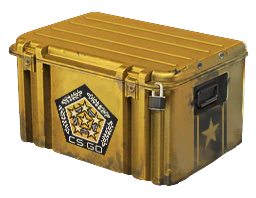
It comes from the Chroma Case, and that origin keeps supply steady but not overwhelming because the case has been a consistent source rather than a recent pump. Expect supply to be spread out rather than concentrated in sudden waves tied to a single event.
Blue dominates the blade, set against the anodized multicolored finish that makes the sapphiric tones pop in low light. Valve's design keeps the palette clean and readable in game, which is why these blades sell to both players and collectors who want that unmistakable blue.
Activity over the last month is flat, so listings and bids are sitting in place rather than drifting. That recent stillness follows a longer downtrend, which is why buyers only move decisively at the cleanest end.
The usual errors are listing top-clean expectations across the entire ladder and ignoring the capped float behavior. Check seed, call out the Sapphire phase, and price the cashout against where buyers actually land rather than the highest speculative sticker.
You have named pros associated with this blade who put it in front of viewers and matches: kioShiMa, JaCkz, and LNZ. Their usage nudges visibility and occasionally nudges demand when clips or highlights bring the skin back into the spotlight.