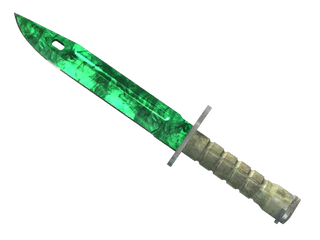
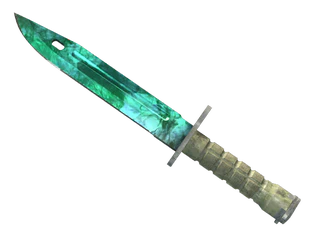
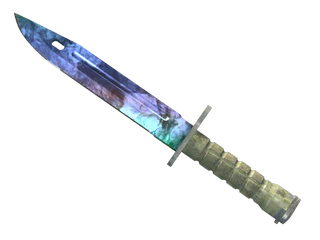
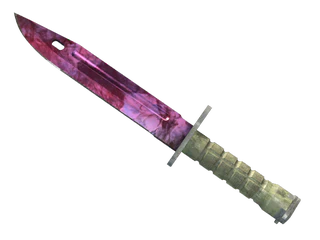
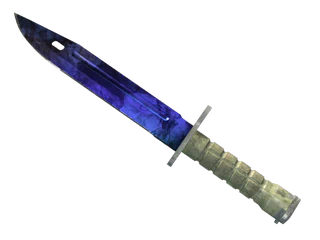
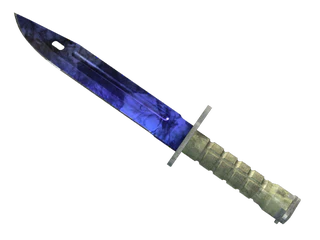
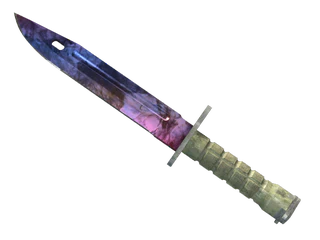
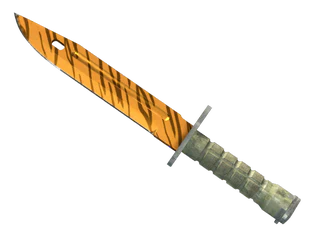
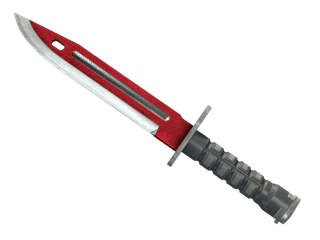
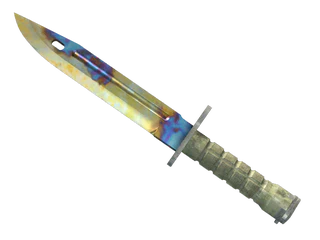
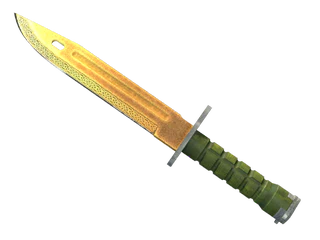
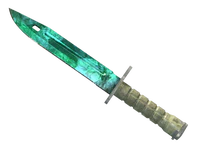
Top of its cohort and thinly traded, the Bayonet | Gamma Doppler sits in grail territory with a strong underlying floor and very narrow supply at the clean end. Sellers should price by float and phase more than by case name - clean, correct-phase copies are where the market concentrates demand.

Top of its cohort and thinly traded, the Bayonet | Gamma Doppler sits in grail territory with a strong underlying floor and very narrow supply at the clean end. Sellers should price by float and phase more than by case name - clean, correct-phase copies are where the market concentrates demand.
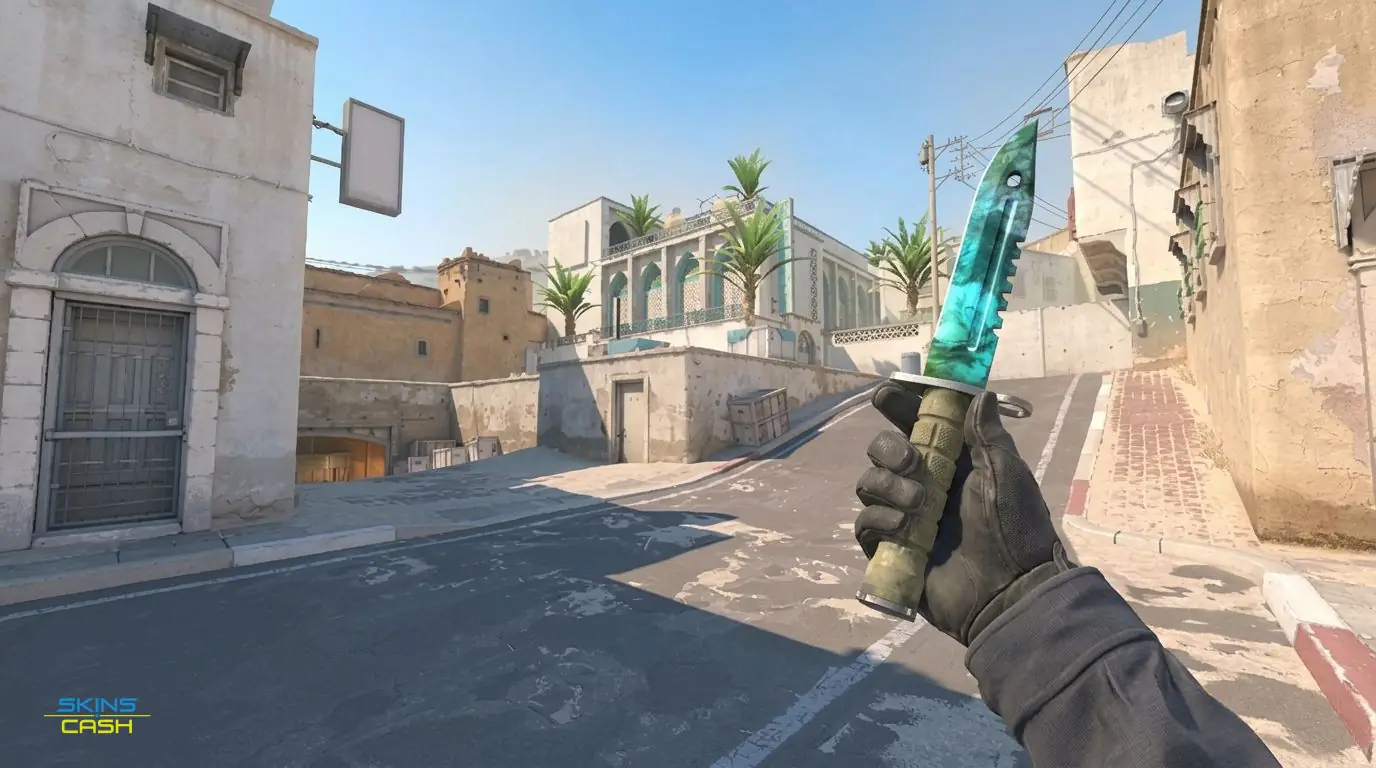


This Bayonet | Gamma Doppler occupies the grail bracket within knife markets, a high value profile that attracts collectors rather than volume buyers. That means listings sit and wait for the right hands: expect selective demand and sporadic liquidity, not fast flips. The Valve pedigree and covert rarity keep bids off the floor, so a seller gets to pick their moment rather than rush one.
Payout is sharply tilted toward the clean end, with a capped float profile that creates a hard premium for the best faces and a rapid taper as you move away from them. The ladder is front loaded; the top tier captures most of the value while the mid and lower tiers compress together. For pricing, treat the ladder as steep at the top and flat lower down.
Worn and midwear copies live in a tight band where float changes mean little to no extra payout, so worn examples trade mostly on rarity and buyer patience. That compressed lower tier makes selling a worn knife straightforward - it clears without chasing float-sensitive bidders. If you sit a worn copy, expect it to undercut nearby listings rather than leap up the ladder.
The best skin-for-money sits just below the very clean end: a spot where the finish still reads vivid but hasn't reached the collector premium. Beyond that point the payout stops rewarding cleanliness and moves into collector territory, so most traders find the strongest buy-sell utility in the near-clean range. For a seller aiming to maximize rotation, focus on that sweet spot rather than holding out for the extreme top.
This anodized multicolored finish shows wear mostly on the face and edges; buyers pay noticeably more for a pristine mirror across the main face. Small float improvements near the capped top produce visible gains in appearance and in bids, while the same float swing lower down barely registers. In short: visually obvious cleanliness commands attention, subtle wear does not.
StatTrak copies behave as a parallel market with their own demand rhythm and buyers who expect the tracking feature. The StatTrak premium is meaningful but behaves like a separate ladder: clean StatTrak variants attract collector bids first, worn StatTrak clear faster but in a compressed band. As a seller, price StatTrak independently and expect different time-to-sale dynamics than non-StatTrak.
Covert rarity underpins even the low end of the ladder, preventing the worn copies from collapsing into budget territory. That layer of scarcity keeps a baseline bid under listings and makes liquidation less painful than for lower rarities. The result is a resilient low end that supports patient exits.
The dominant green and multicolored anodized finish give the blade a sharp, in-game presence that pops on several maps. Green tones sit well with darker skins on loadouts, and the shifting anodized sheens reward angled screenshots - material sellers can use when listing. The Valve design language is familiar to collectors, which helps convert interest into offers.
This is a Gamma Case drop, and that origin keeps the supply profile constrained compared with wider distribution containers. Case origin matters here because it ties the population to a known pool of drops rather than ongoing seasonal releases. For traders that matters when you cross-check float pools and recent sale cadence.
The all-time band for this knife is wide, with large spreads between peak collector bids and the worn market. Right now the price sits nearer to the lower half of that band after a prolonged down move, so the spectrum still shows room on both sides. Wide historical range makes timing and float selection more consequential than for compact brackets.
Given the wide historical range and the downwards re-rating over the year, the market has been jumpy but calmed in the short window. Expect occasional spikes when a clean Phase shows up, followed by quiet stretches; that pattern rewards sellers who can wait for a sight-unseen bid. For cashouts, balance patience against the risk of another soft retracement.
Sellers often misprice by treating this like a regular knife case drop instead of a grail - that leads to undercutting the clean tier or overpricing worn copies. Another common error is ignoring phase and face quality when listing; a correct-phase clean face commands the market. Check float, confirm phase and StatTrak status, and price with the steep top ladder in mind rather than a flat-market assumption.