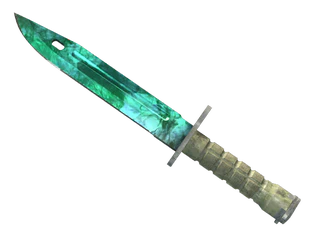
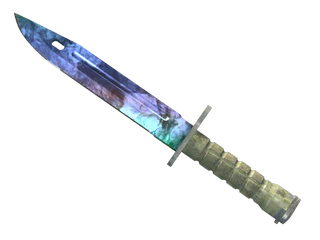
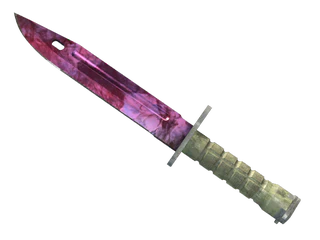
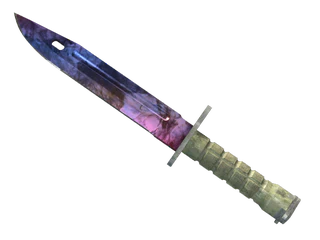
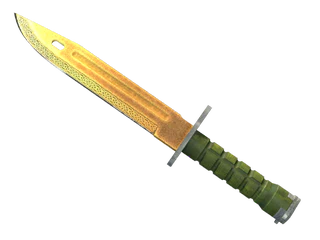
This is a grail-tier bayonet that trades on scarcity and a tight clean-end demand. Interest comes from collectors and finish hunters rather than volume players, so moves are chunky and listings sit unless they hit the right float and pattern.
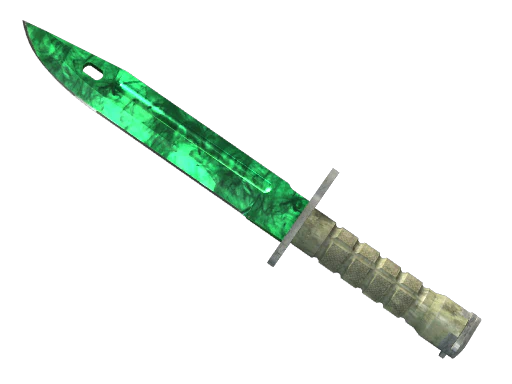
This is a grail-tier bayonet that trades on scarcity and a tight clean-end demand. Interest comes from collectors and finish hunters rather than volume players, so moves are chunky and listings sit unless they hit the right float and pattern.
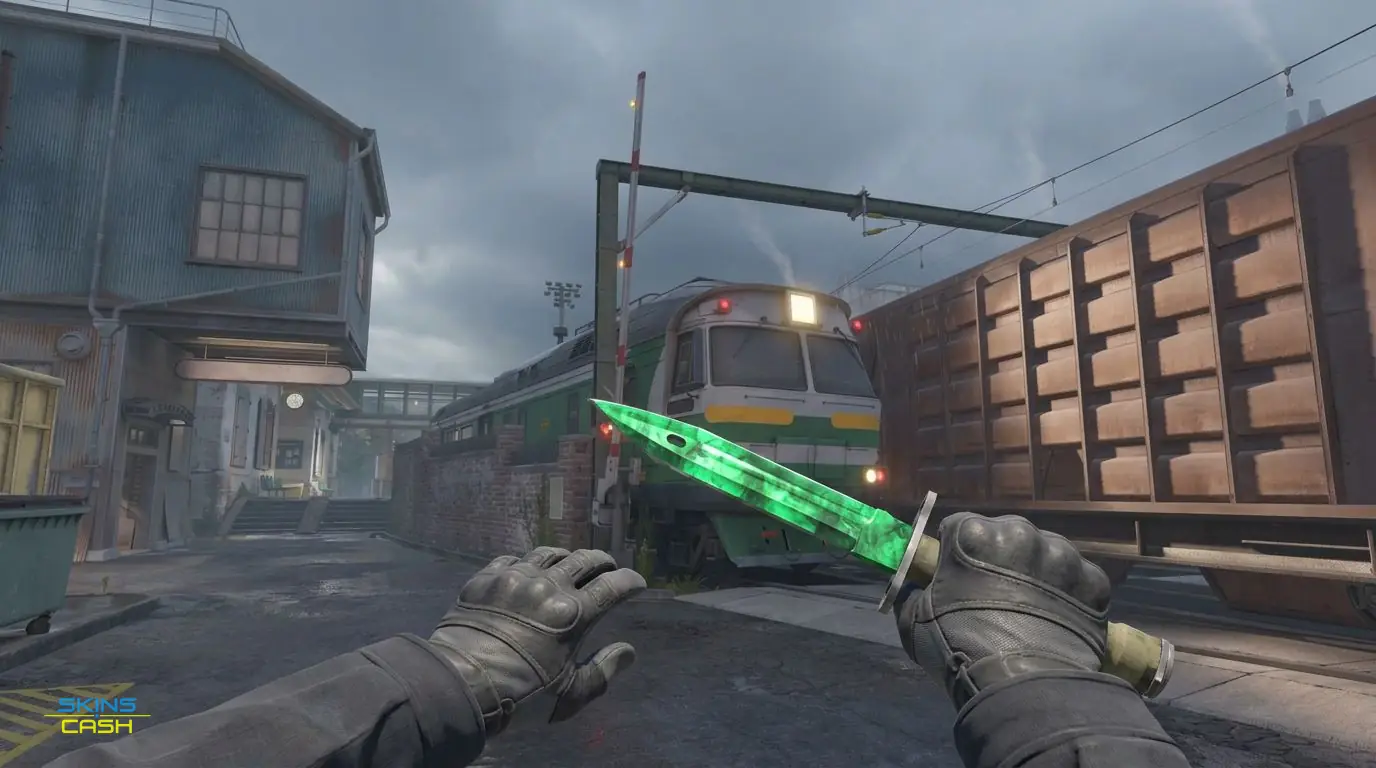


This Bayonet sits at the grail end of the market for knives: not a mass-market flip, but something buyers seek when they want a statement piece. Its covert rarity and the Valve-designed anodized multicolored finish push it into high-value territory, so sellers trade discipline for payoff and prefer patient listings over quick exits.
The ladder is capped and heavily front-loaded: the top-clean copies command the strongest bids and the payout curve falls sharply from that zone. Expect a steep slope rather than a gentle slide - the cleanest phase is where the market clusters its interest.
Worn copies live in a compressed band where float barely changes payout; the bottom of the ladder is tightly grouped. If you hold a more worn example, know that wear is not the lever here - liquidity comes from collectors hunting the top finishes, not buyers for the low end.
Mid-clean floats give the most skin-for-money before the market stops rewarding additional cleanliness; that mid-top slice is where returns per float point look healthiest. Sellers with those copies should price to capture buyers who want the visual payoff without paying the full clean premium.
The anodized multicolored face shows wear in a way buyers notice - small changes in edge and pattern visibility alter perception quickly. Buyers pay up for a pristine display, so wear sensitivity is high for anyone advertising the blade face.
StatTrak exists on this Bayonet and carries its own dynamics; the ST curve follows the same front-loaded shape but with a separate demand layer. StatTrak copies trade to a more dedicated small-buyer set, so they sit at different spreads and often need a targeted listing to clear.
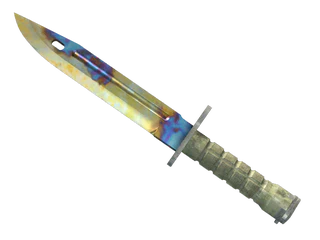
Phases matter: certain Gamma Doppler patterns and seeds catch collector demand beyond float alone, especially those with dense color transitions. Before you price, inspect the phase and seed closely - pattern quirks can outvalue a small float advantage.
The finish reads as a saturated, shifting palette where green-blue-violet blends dominate, and the anodized multicolored treatment makes each seed behave like a miniature gradient. On the server it pops on dark maps and frames well in clutch shots, which is why presentation-minded buyers care so much.
It originates from the Gamma Case, which limits new supply relative to common containers and helps keep availability tight. That origin compounds the bayonet's grail status and keeps fresh entries into the pool relatively rare.
This skin has shown a wide historical band between its lowest and highest traded levels, reflecting collector cycles and pattern premiums. Current activity sits somewhere within that spread rather than locked to the extremes, so historical swings matter when timing a sale.
Given the wide range and a down-hard longer-term trend with short-term flatness, prices can be jumpy around major buys and sales but otherwise quiet. If you need cash, sell into a moment of buyer attention; if you can wait, patience often smooths entry points.
Sellers often undercheck pattern/phase or price purely by visible float and miss the seed premium, and many list StatTrak copies on the same spread as normals. Avoid oversimplifying: tag the phase, call out StatTrak, and set a spread that reflects the grail-tier audience rather than an open-market flip crowd.