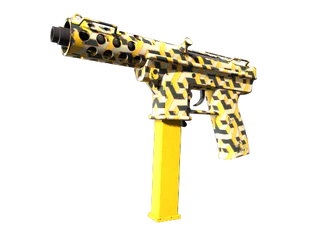
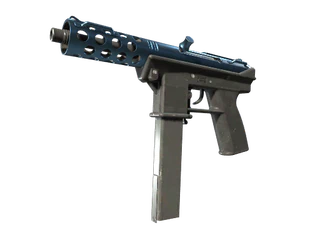
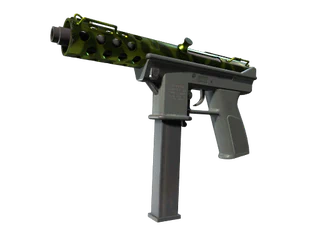
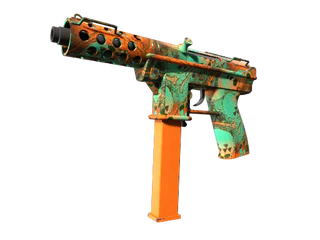
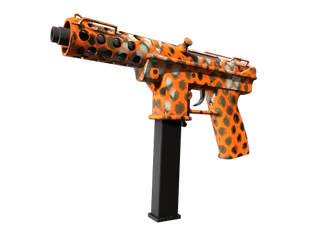
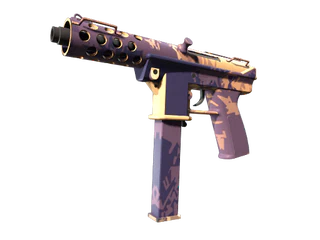
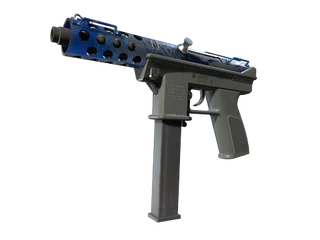
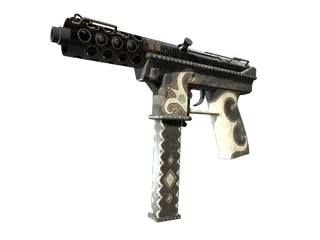
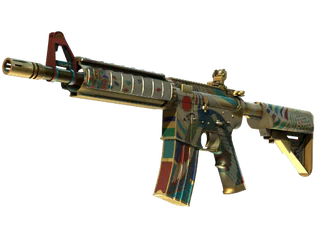
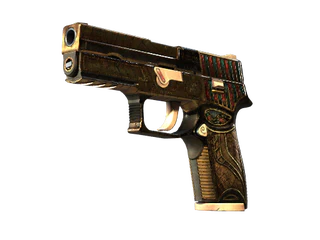
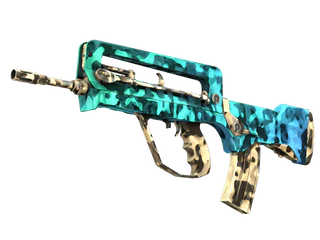
Mummy's Rot sits at the budget rung but behaves like a specialist trade: demand is narrow and buyers hunt the clean end hard. The float ladder runs the full span so top-wear copies carry an extreme premium, and the market has shown a sharp upward push recently in a thin trade window.
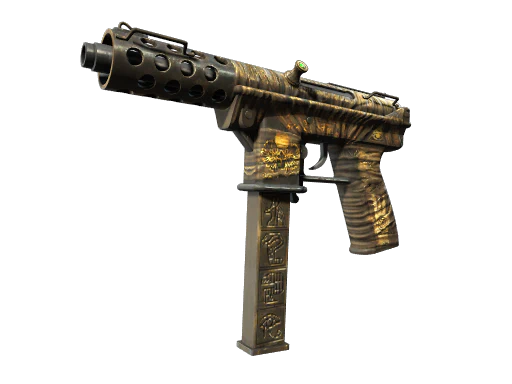

Mummy's Rot sits at the budget rung but behaves like a specialist trade: demand is narrow and buyers hunt the clean end hard. The float ladder runs the full span so top-wear copies carry an extreme premium, and the market has shown a sharp upward push recently in a thin trade window.
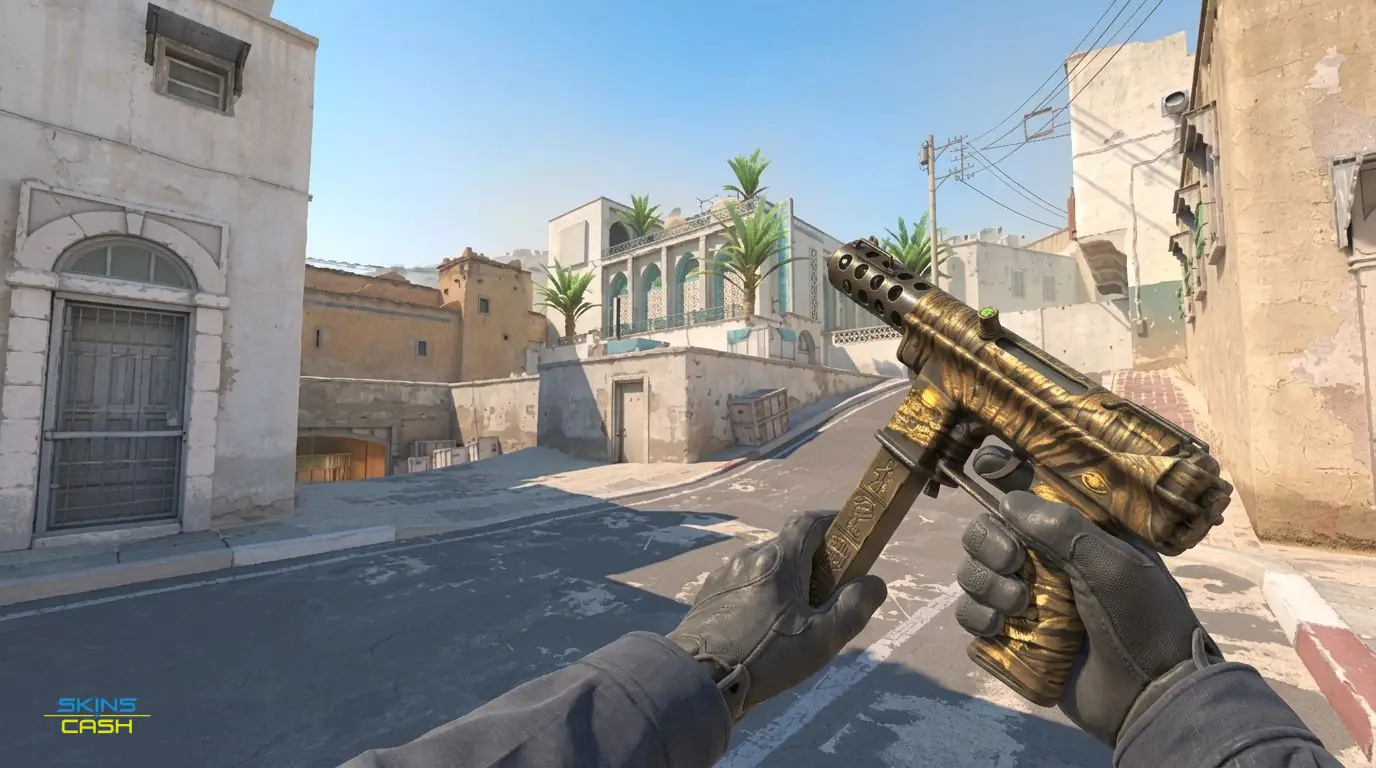

This is a budget-tier Mil-Spec that does not feel like a budget play to a seller who watches floats. Interest comes from a handful of players and collectors rather than broad churn, so turnover is slow and listings can sit until the right cleaner copy appears. For anyone cashing out, expect to move by targeting specific wear zones rather than flooding the board.
The ladder is sharply skewed toward the clean end with a pronounced climb into near-pristine copies; the lower wears sit on a stepped band below that climb. Mid and low wears trade in visible tiers rather than a smooth slope, making the payout curve jagged once you move away from the top floats. Clean copies are where the money concentrates and everything else drops into a denser, cheaper layer.
Because buyers are selective and the market is thin, the listing ask and real cashout gap can feel large on this name. Expect premium listings to hang until a clean float shows up and undercutters will set net receipts lower than advertised. If you need speed, price into the active lower tiers; if you can wait, list at the clean end and let a buyer come to you.
Most of the time the best skin-for-money sits in the mid-lower wears where visual character holds but you avoid paying the top-wear tax. The clean end pays out sharply and the reward stops quickly as you drift down the ladder, so look to the stepped lower band for the best immediate value. For selling, the mid-lower slot is usually the pragmatic sweet spot unless you have an exceptionally clean float.
Float runs the entire span here, so selection matters: a single decimal difference moves you between visual tiers and price tiers. That full-range behavior forces discipline when sourcing or listing; you are trading specific floats, not a generic pattern. Sellers who ignore float pick will leave money on the table or sit forever in a thin market.
There is no pattern index premium to chase with this paint job, which simplifies pricing: float and visual wear are the levers you use. Do not waste time hunting for seed variants because they do not alter demand or receipts. Price strictly by wear and sticker fit instead.
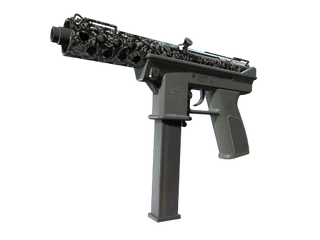
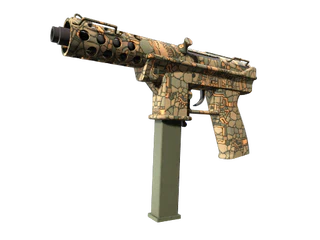
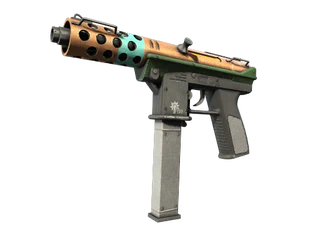
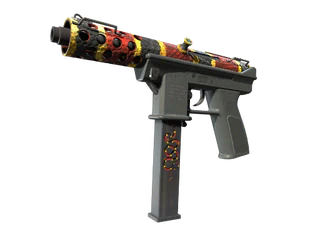
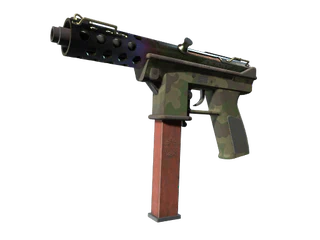
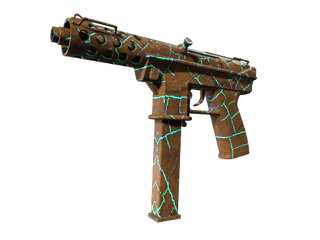
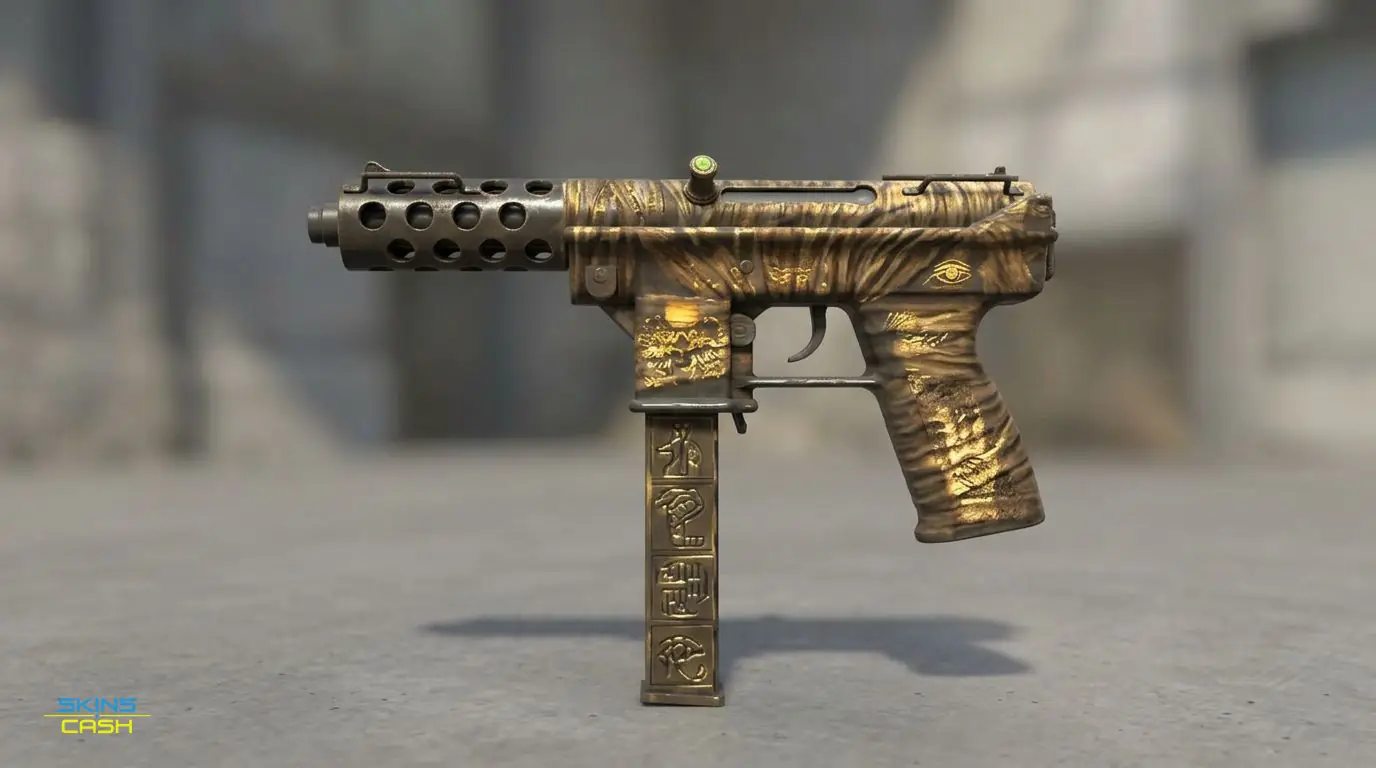
The finish leans on dusty, desaturated bandages and a muddy undercoat that reads very well on closer inspection in-game. That sandy, muted palette keeps the piece readable at distance and avoids flashy contrast, which is why certain players pair it over utility hits. The custom paint job aesthetic plays to grinders who prefer subtlety over flash.
This skin has seen a massive band historically, swinging from quiet lows to bursts when clean examples surface. Expect wide swings and occasional spikes tied to scarce clean copies rather than steady appreciation. Right now the trading band still reflects that broad historical volatility.
Sellers often list by habit at the same ask as generic Mil-Specs and forget the steep clean premium and the stepped lower spreads; that mislabels the piece to the wrong buyer. Another frequent error is ignoring full-range float discipline when pricing, then being surprised by lack of movement. Price with the ladder shape and the thin-market reality in mind and you avoid stale listings.
The community treats this like a niche favorite rather than a mass-market pick: recognition is high among traders who know floats, low among casual buyers. That standing produces sporadic demand spikes for clean copies and steady, low-velocity interest down the ladder. If you trade it, expect episodic attention from serious buyers rather than constant turnover.