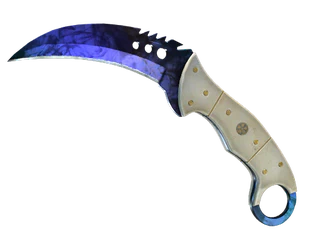
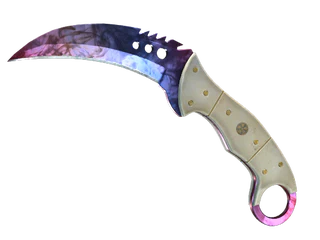
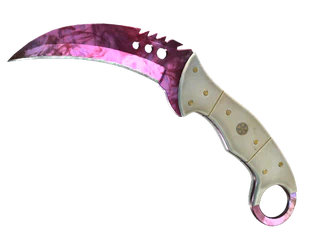
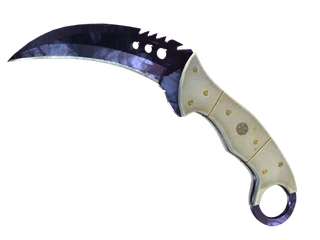
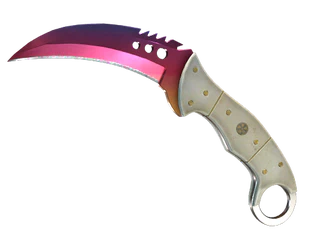
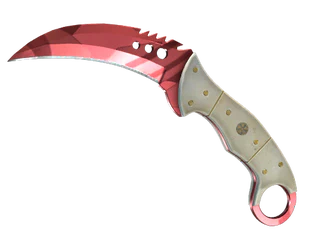
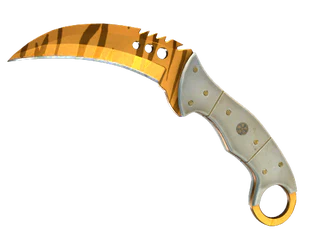
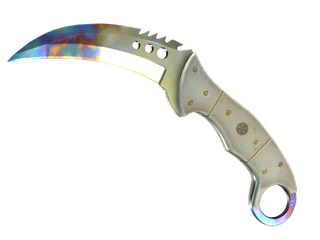
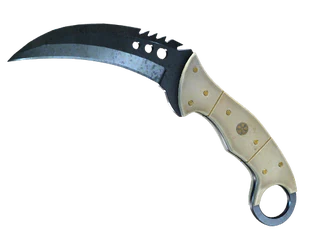
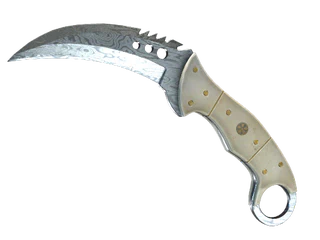
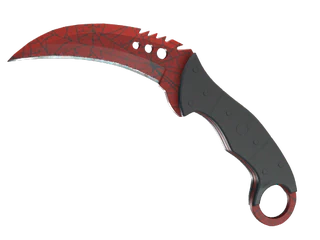
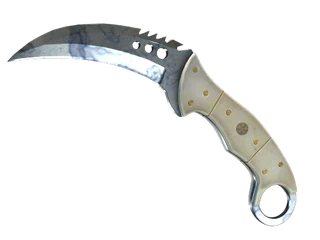
This Talon Knife sits in the premium bracket with a firm floor and a clear high-value profile - cleaners move, sellers get picky. Demand is narrow but steady; you trade fewer copies and you trade them for a higher baseline, so know which end of the ladder you hold before you list.
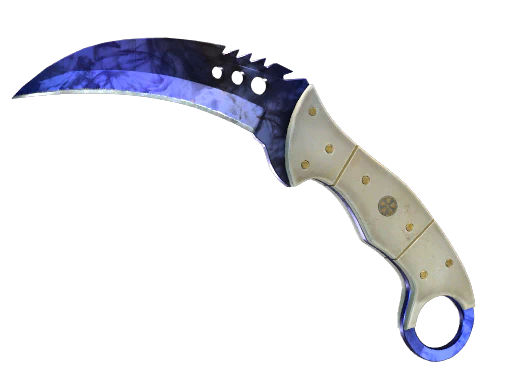
This Talon Knife sits in the premium bracket with a firm floor and a clear high-value profile - cleaners move, sellers get picky. Demand is narrow but steady; you trade fewer copies and you trade them for a higher baseline, so know which end of the ladder you hold before you list.
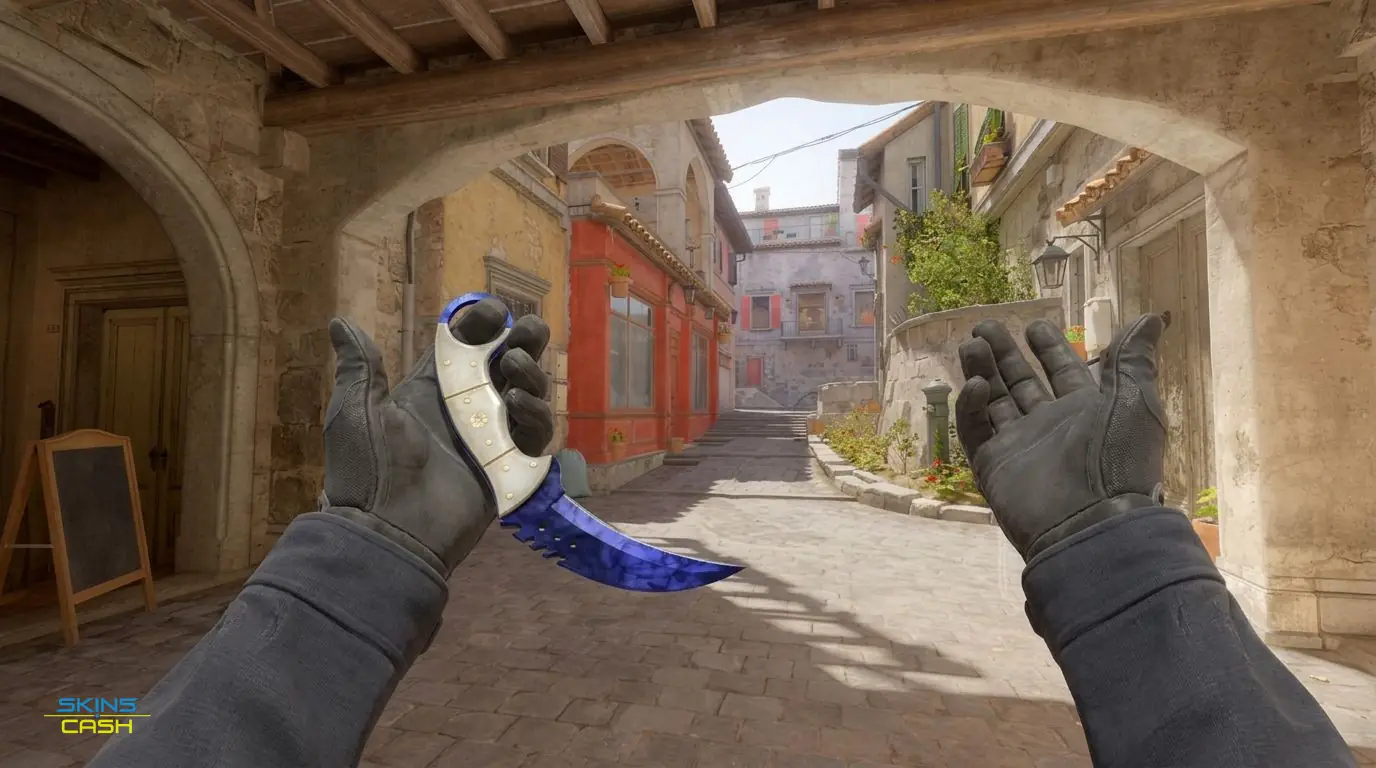

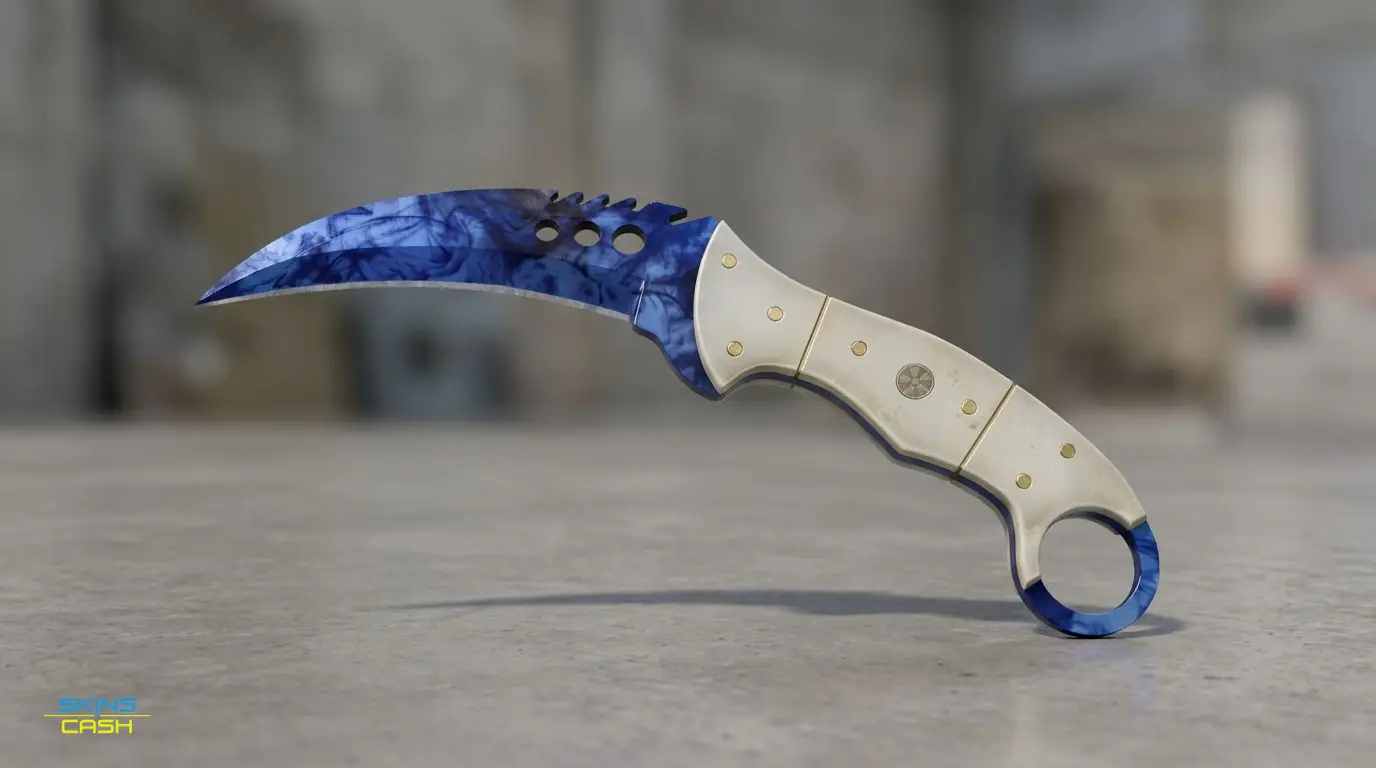
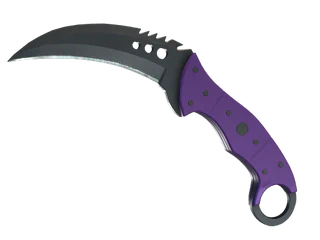
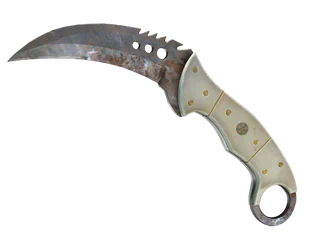
Among knives this Talon Knife | Doppler Phase 4 trades in the premium tier; not a grail but a serious step above mid items. That shows in how collectors and players approach it: selective bidding, deliberate listings, and a stronger baseline when the market wants a clean copy. Valve's finish and the Covert rarity are what let sellers ask for premium treatment.
The wear ladder has a capped profile with a sharp emphasis toward the clean end: value piles into the top wears while the rest flattens out. Expect a steep drop from the very clean copies into the main body of the ladder, then a gentler decline toward the worn side. That shape rewards finding the right float and pattern rather than hoping for marginal wear improvements.
The gap between sticker and cashout is wider here than on common knives because buyers are choosier and listings sit until a tight match appears. Fees, platform spreads, and the premium bidders demand all eat into what a seller nets, so the visible price rarely equals what lands in your account. Treat listed numbers as aspirational; your net will be the negotiated settlement after the market grinds down.
Lower-tier wears sit close together in payout, so a worn Phase 4 behaves like its immediate neighbors. If you hold a non-clean copy, float matters less and liquidity is concentrated into a compressed band. That makes moving a worn piece quicker but at a tighter margin - acceptable if you want speed over stretch.
This Doppler finish does not run the full float spectrum, so the worst copies are cleaner than typical blades and the bottom of the ladder lacks the extreme decay you see elsewhere. As a seller that changes how you market worn examples: they read cleaner in screenshots and under match light, and buyers price them accordingly. The capped range reduces tail risk on the low end.
Phase variations matter with this skin; Phase 4 carries its own eye and some seeds line up especially well on the Talon profile. Check the phase and seed before you price - a flat Phase 4 with a neat wave will pull ahead of a messy seed at the same float. Designer Valve's anodized multicolored finish exaggerates certain seeds, so visuals trump marginal float here.
StatTrak copies exist and follow a parallel demand curve that runs higher than normal pieces. The market treats StatTrak as distinct inventory: fewer buyers but more committed ones, and selling an ST often takes longer but fetches a stronger net. Price it knowing the separate lane of collectors who want count and prestige on a premium Talon Knife.
This Talon Knife comes from the Prisma Case, which shapes supply and collector attention. Case origin keeps inflows steady but not overwhelming; availability skews to a steady trickle rather than a flood. That steady supply is part of why the floor remains high despite broad historical swings.
Blue dominates the blade and the anodized multicolored finish gives it a cool, metallic sheen that reads clean in match footage. The Talon profile plus Valve's finish makes the knife look aggressive without garish contrasts, which buyers in-game prefer. Pros named on the skin list have been seen using versions that emphasize the blue tones.
Market action over the short window has been flat, with listings and sells trading in a narrow band. No fresh momentum to push the top end higher, and no sudden bleed from buyers walking away. That stability favors sellers who can wait for the right match.
Over the longer term the arc has bled down hard relative to its peak, re-rating the best copies into a tighter market for serious bidders. Historic range is wide, so while the high end was loftier before, the current profile still supports a premium floor. Sellers should recognize that past top marks are behind the current market mood.
On a higher-value knife like this, timing the cashout matters because buyers cluster around clean copies and neat seeds. Holding for the right float/seed matchup usually pays more than taking the first decent offer, but patience costs time. If you need quick liquidity, lean into the compressed low end; if you don't, let the market bring the right bidder to you.