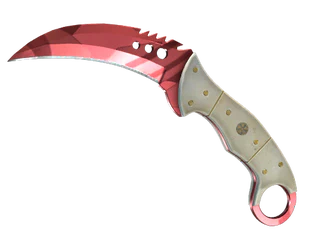
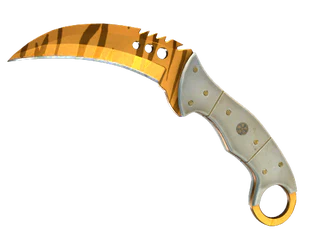
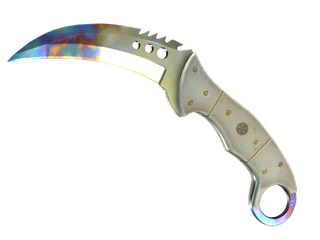
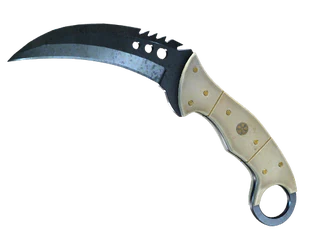
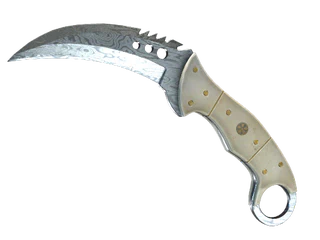
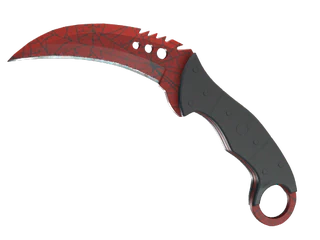
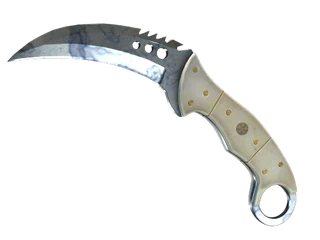
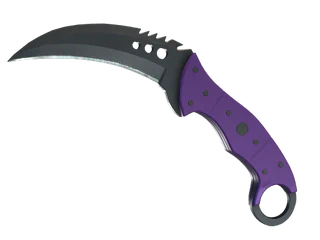
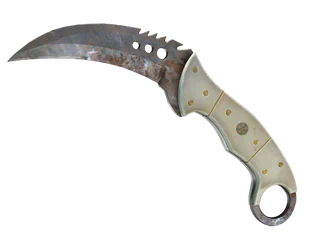
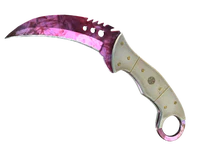
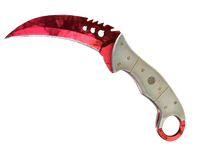
Premium Talon Knife action: clean copies carry the market, supported by a firm floor and a capped float profile that keeps the high end tight. Demand looks narrow but serious, especially for stattrak copies and desirable phase patterns - plan your cashout around the cleanest faces.

Premium Talon Knife action: clean copies carry the market, supported by a firm floor and a capped float profile that keeps the high end tight. Demand looks narrow but serious, especially for stattrak copies and desirable phase patterns - plan your cashout around the cleanest faces.
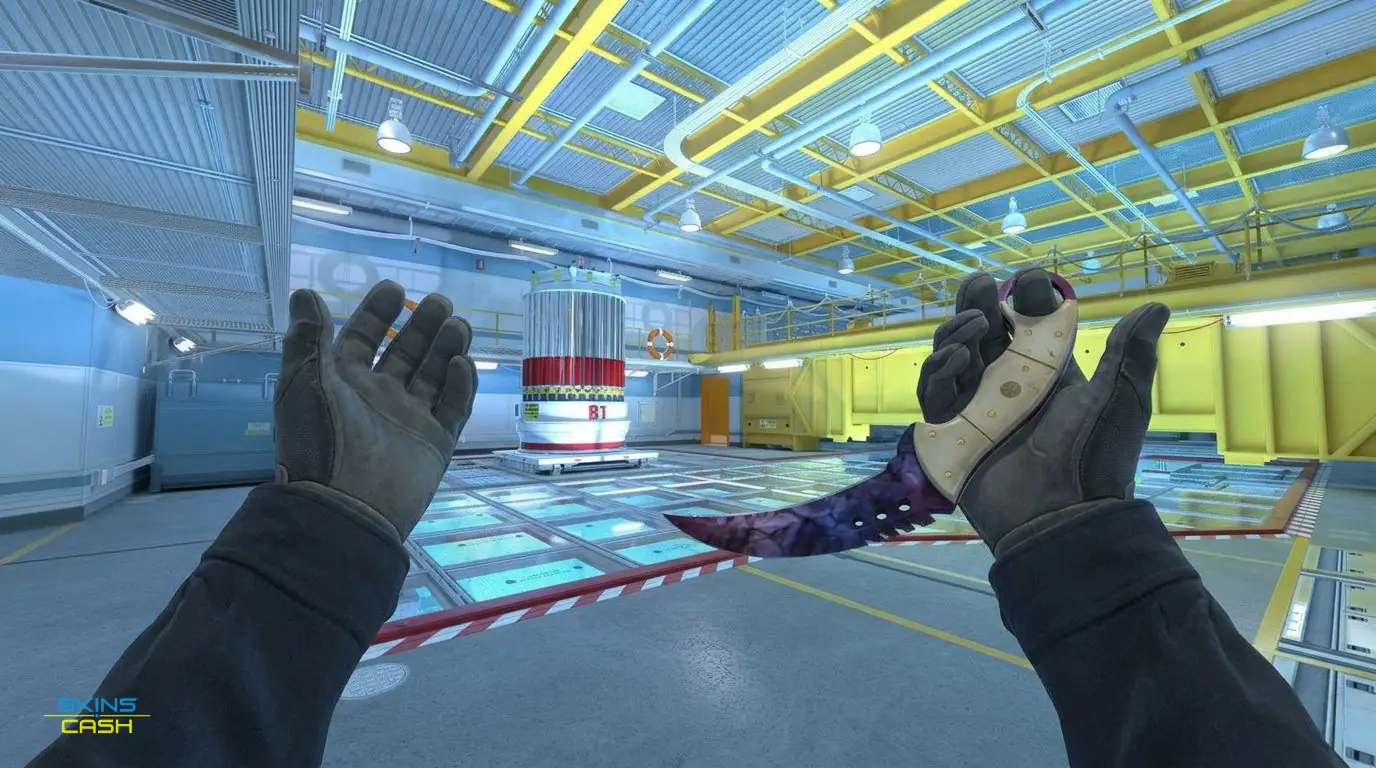

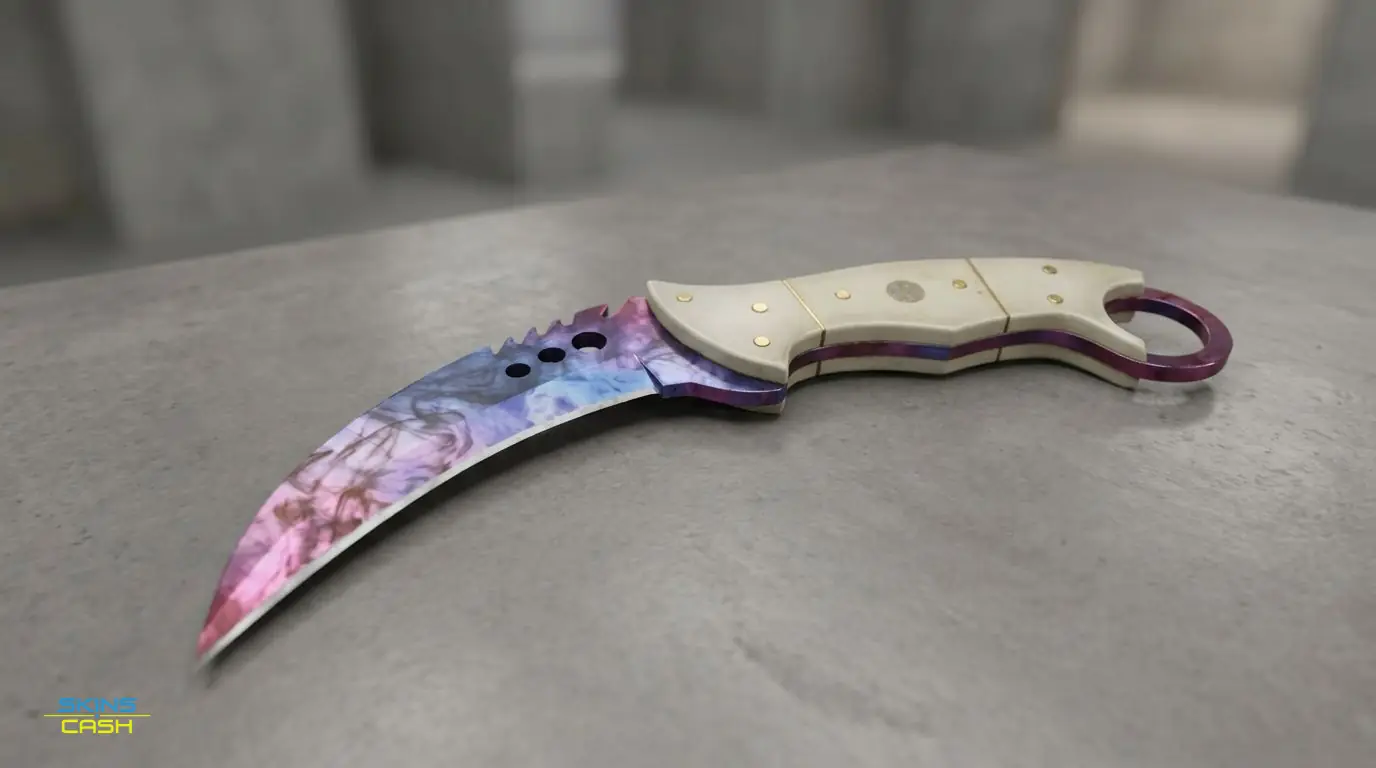
This sits at the premium end of the Talon Knife family and trades like a specialist piece rather than a staple. Sellers should expect fewer hands but more committed buyers, and that reality changes how you list: quality attracts attention, mediocre copies sit.
The ladder is concentrated at the clean end with a marked compression toward the lower tiers; the payout curve drops mostly around the high-value zone and then flattens out. A capped float profile keeps the top tier tight, so the steepest moves happen between the very clean and the next rung.
For buyers seeking skin-per-dollar, mid-clean copies give the richest look-for-price tradeoff before the premium for extreme cleanliness kicks in. As a seller, you capture meaningful uplift when a copy crosses into that cleaner bracket, but above that point premiums widen fast.
Ask stickers on listings often show the premium for pristine phases and stattrak models; what lands in your hand will be less after fees and the market spread. The gap is widest on the top-end copies because buyers expect perfect condition at the ask, so accept a tighter net on auctions or target private sells to keep more value.
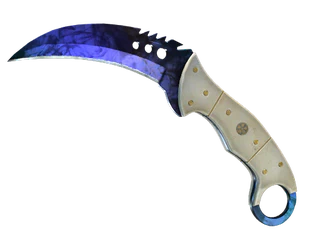
This anodized multicolored finish reads sharply until wear starts to dull the reflected blues and purples, so visible degradation matters. Buyers pay noticeably for a clean face; once scratches or edge wear appear the visual appeal and demand drop off.
Covert rarity props up the low end even for worn copies, so the bottom of the ladder doesn't collapse the way lower tier knives might. That underpinning gives you confidence to hold through short dips if you prefer to time a cleaner sale.
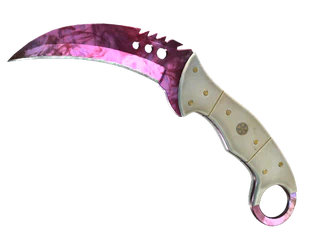
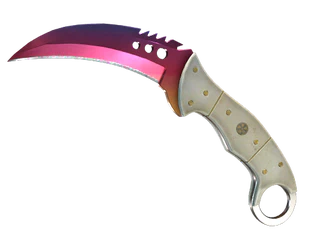
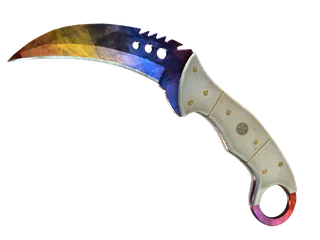
Phases command real premiums here - Phase One copies and other fortunate seeds trade above the average simply because the color placement favors the blade. Check the phase closely: two visually similar floats can price very differently if one shows the sought-after ring and color block.
Blue and Purple over an anodized multicolored finish makes the blade pop under match lighting; the Valve design balances saturation so it reads well on screen without being gaudy. That palette sells to players who want a sharp, recognisable blade rather than loud contrast.
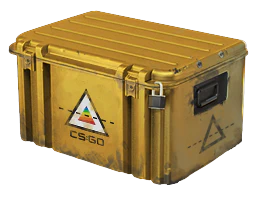
This is a Prisma Case drop, so supply is tied to that container's circulation and how often those cases are opened. Origin matters because some buyers filter by source when hunting specific phases or stattrak copies.
The skin has bled from a higher position over the longer run and now sits at a lower posture than it once did. Short-term movement is muted, but the broader direction has been downward, which complicates long holds for momentum plays.
Range is wide but recent movement is flat, so price jumps are possible yet uncommon; expect occasional spikes for rare phase/stattrak sales amid long quiet stretches. If you want to avoid whipsaws, aim for moments when demand clusters around a visible clean copy.
Mislabeling the phase or ignoring the capped float kills value quickly; listing a near-clean as if it were pristine invites long sits. Always verify stattrak status, float placement inside the capped window, and the phase before setting an ask to avoid leaving money on the table.