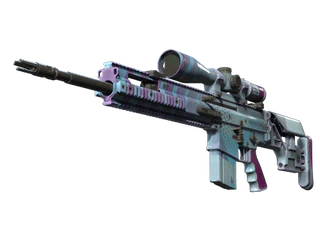
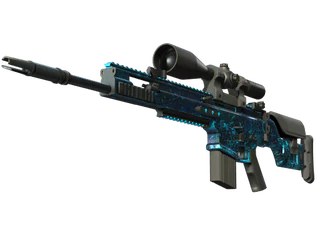
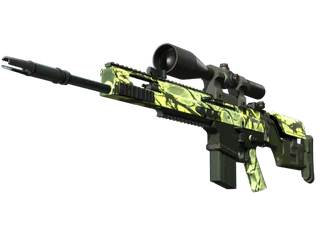
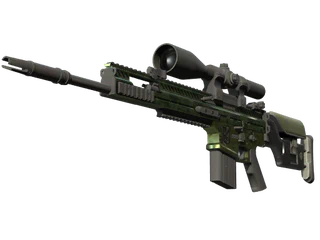
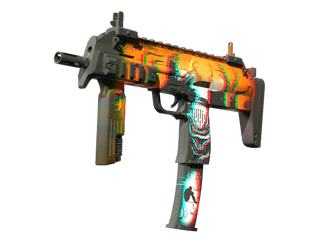
A budget-tier SCAR-20 with a shallow buyer pool and a big premium for the clean specimens. Thin-market behavior means listings sit until the right float shows; the one who times the clean end takes the disproportionate payout.
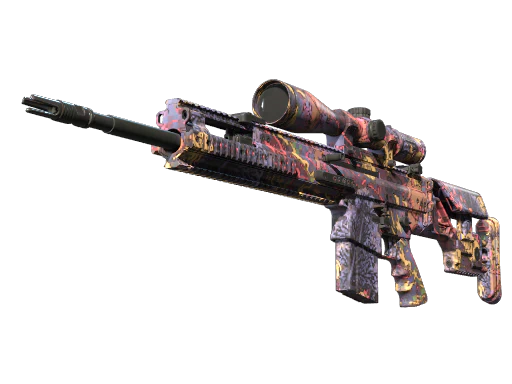

A budget-tier SCAR-20 with a shallow buyer pool and a big premium for the clean specimens. Thin-market behavior means listings sit until the right float shows; the one who times the clean end takes the disproportionate payout.
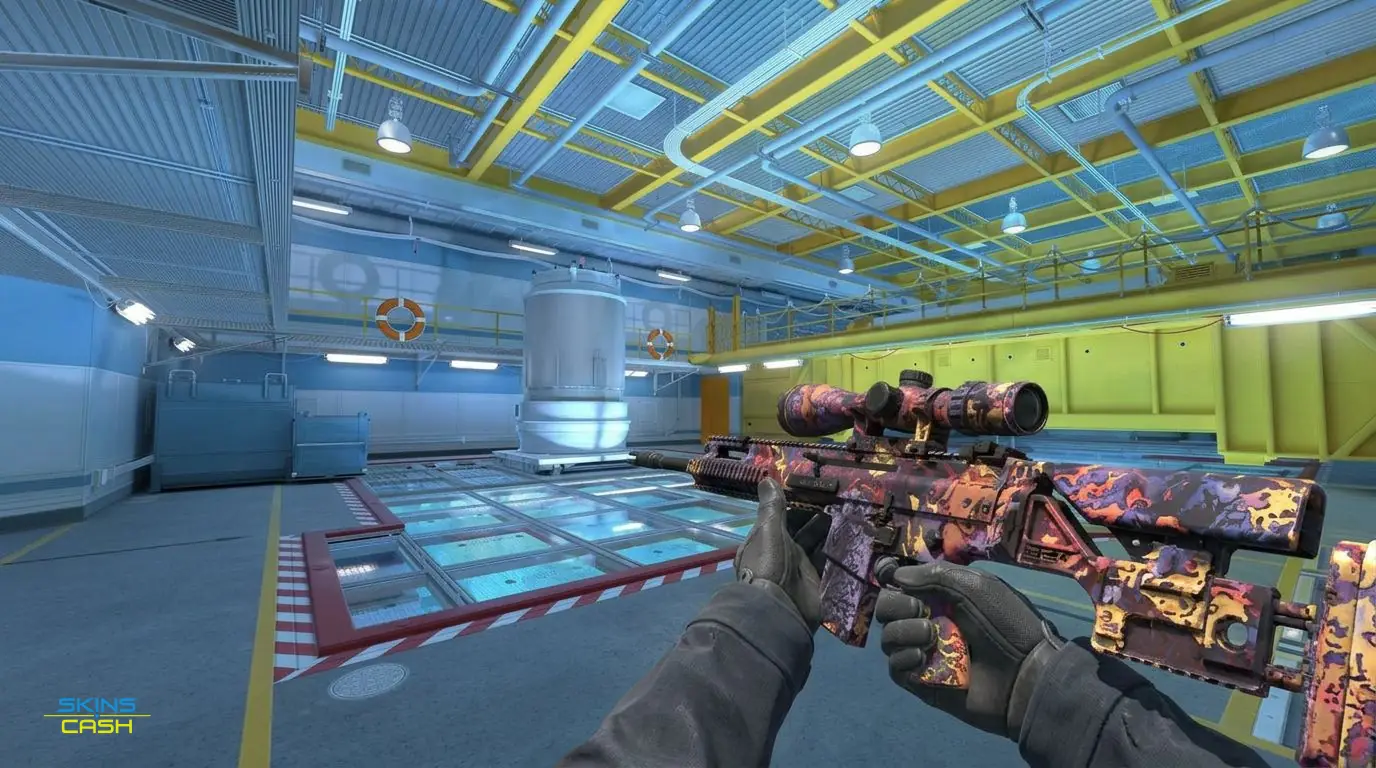


This sits squarely in the budget bracket despite a steep historic range and occasional spikes; it trades like a niche utility piece rather than a mainstream scalp. Demand is patchy and driven by collectors after the best floats and the Stattrak variant, so expect long tails on listings and a seller who must be patient to hit the top of the ladder.
The ladder is a capped-profile curve with a clear stair-step shape rather than a smooth slide, so every improvement in float buys a noticeable tick only at certain points. Pricing drops away from the clean end but does so in jumps, not a steady glide, reflecting the stepped lower-tier spread.
Mid-to-clean copies deliver the best skin-for-money trade-off; blunted wear still looks decent thanks to the spray-paint finish, but the payout stops rewarding cleaner floats once you cross into the top step. For someone buying to play, the mid rung is where utility meets value before the premium accelerates.
The top wear commands a large premium, with value concentrating in those clean copies that collectors chase hard; think multiples above the rest of the ladder rather than a gentle uplift. That split is exaggerated by the Stattrak variant pulling extra interest at the clean end, so rare spotless pieces become the only real movers when liquidity thins.
Because the finish is capped, even the worst-looking Poultrygeist copies are cleaner than many peers, which compresses the bottom of the ladder and blunts the usual cheap-worn discount. The result is a floor that behaves differently: worn copies do not tumble as far down because the float ceiling never reaches extreme deterioration.
Mil-Spec Grade underpins the low end; even the beaten copies hold a minimum value because they belong to a named collection and case. That scarcity anchor keeps the bottom from collapsing and gives sellers a defensible ask on lower-tier listings.
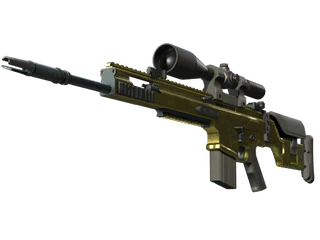
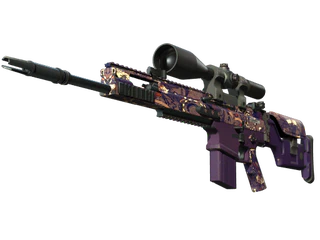
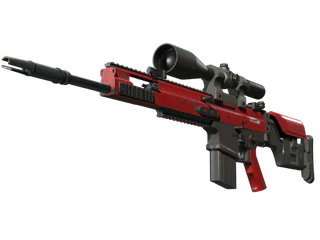
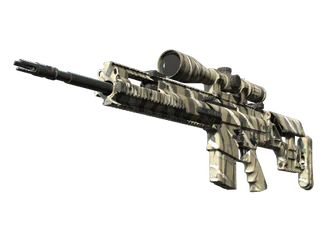
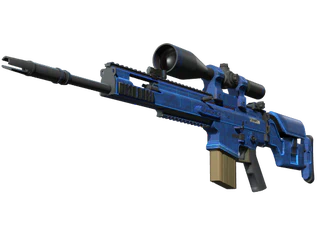
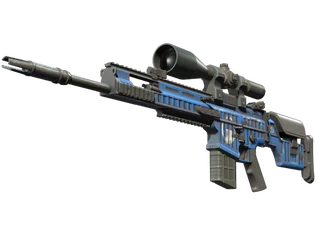
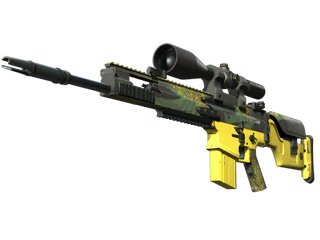
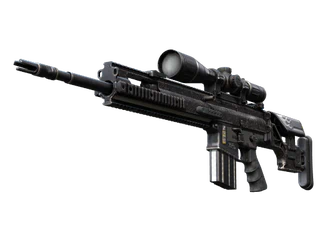
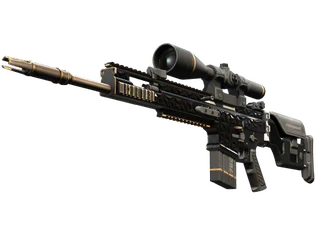
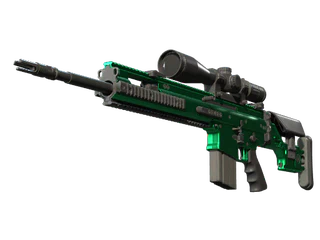
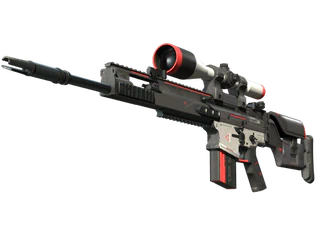
Guardian Gear's spray-paint finish reads loud on the sniper profile, with high-contrast markings that catch in game without requiring a pristine float. The treatment favors play visibility and stickers sit well on the flat real estate of the scar-20, which helps demand from collectors who like to brand their weapons.
Expect jumpy moves rather than a calm drift: a massive historical range plus a recent hard uptrend and softer short-term pullback make timing relevant. In a thin market, small buy-side interest can swing price quickly, so entries and exits should respect current momentum rather than historical peaks.
The usual errors are treating all copies as fungible and ignoring the capped float profile, and mispricing Stattrak versus standard without reflecting the clean-end multiplier. Avoid listing by a vague rarity bucket alone; tag float and variant clearly and price to the ladder steps you see in live offers.
Collectors respect the piece for its distinctive finish and the pro names attached, but it is not a mainstream must-have, so sentiment is concentrated among a few dedicated buyers. That tight enthusiasm is useful: when those buyers reappear, they move clean copies decisively, but general demand is otherwise quiet.