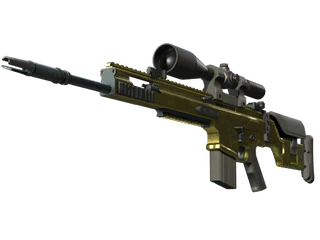
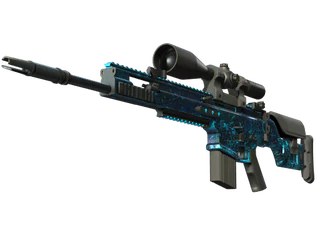
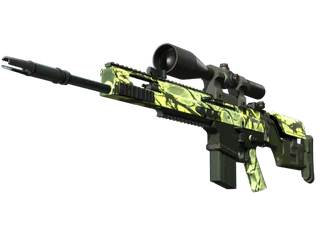
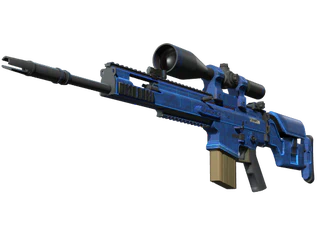
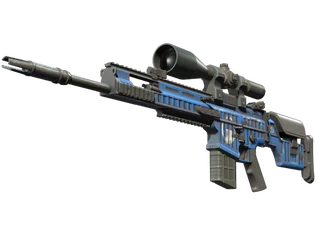
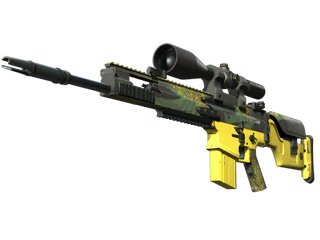
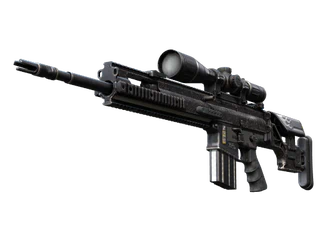
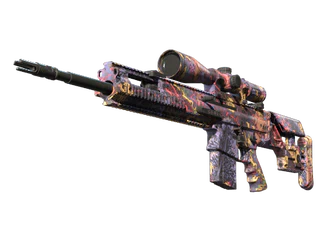
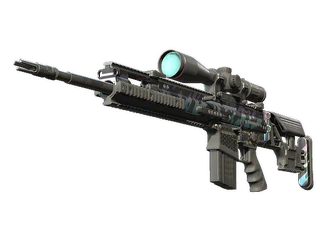
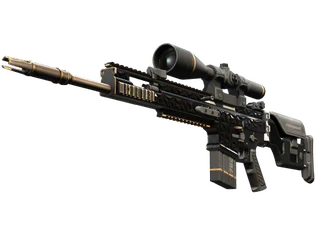
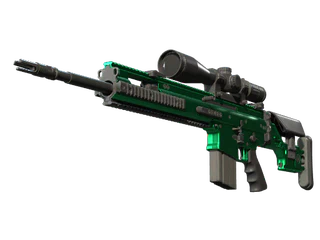
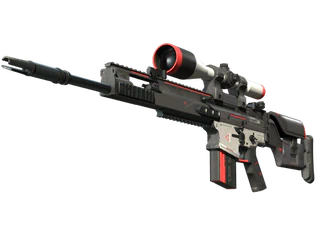
Budget-tier SCAR-20 | Green Marine moves in a thin market where clean examples command an extreme premium while most volume lives on the lower rungs. Expect a wide historical range and a choppy short-term trade window - sellers get paid for a very clean face, buyers hunt mid-wear bargains.
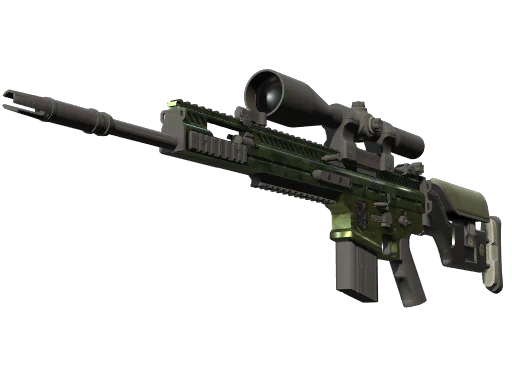

Budget-tier SCAR-20 | Green Marine moves in a thin market where clean examples command an extreme premium while most volume lives on the lower rungs. Expect a wide historical range and a choppy short-term trade window - sellers get paid for a very clean face, buyers hunt mid-wear bargains.
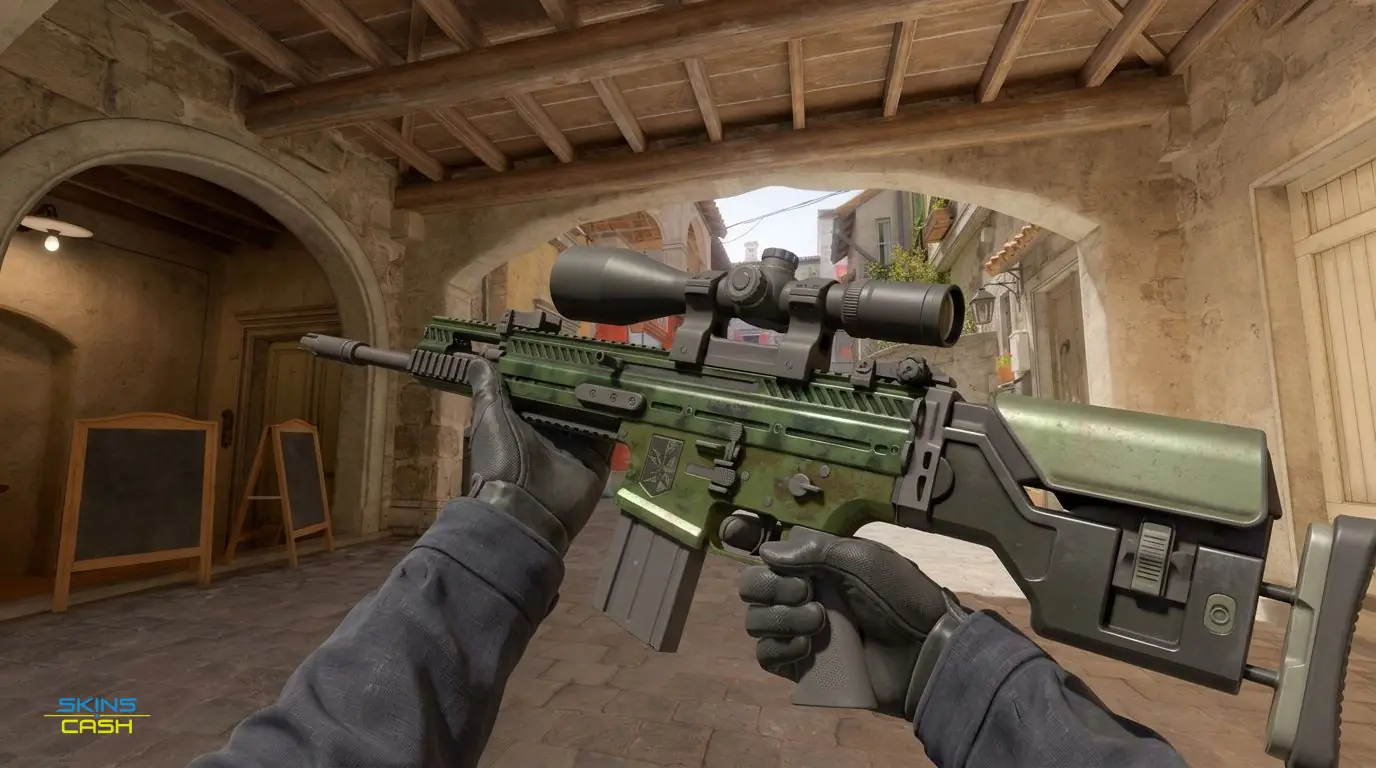

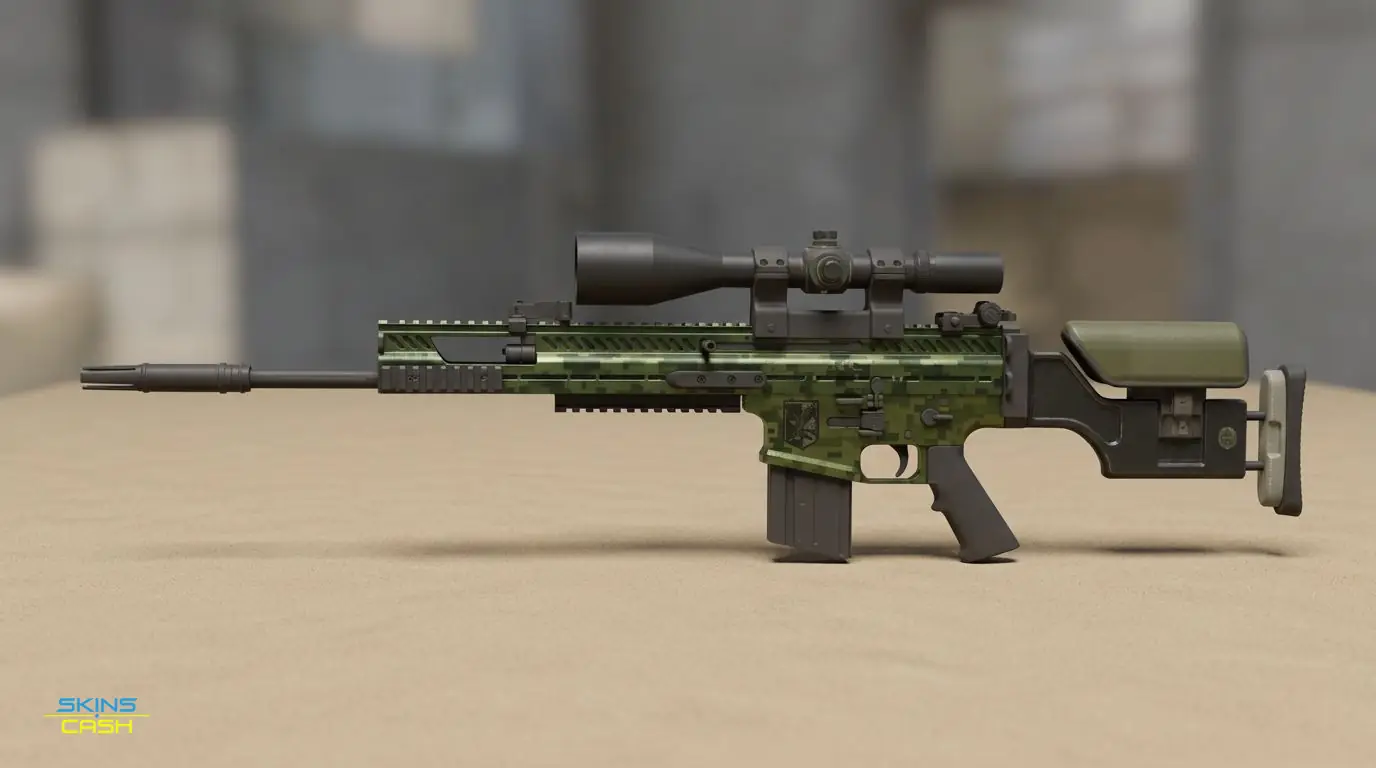
This sits squarely in the budget bracket, not a headline grail but not a throwaway either; it trades like a niche play. Demand is thin and concentrated, so when a genuinely clean SCAR-20 | Green Marine appears it draws attention from serious buyers rather than casual ones. For anyone unloading, patience pays more than volume selling.
The ladder is sharply skewed toward the clean end: the pristine copies carry an extreme premium while the rest form a stepped descent. Because float variation is capped, you rarely see a gentle slope across wears; instead there is a cliff from the top condition down into a wide band of lower tiers. That shape is the driver of listing strategies and where buyers sit on asks.
Mid-range wear gives the most skin-for-money for this finish - green tones and the Gunsmith texture still read well there without triggering the top-end premium. The payout curve stops rewarding additional cleanliness long before the absolute cleanest copies, so the sensible buy is where the green looks lively but the premium has evaporated. Sellers should hold only the very clean ones unless they need speed.
The spread is wide in practice: asks sit noticeably above what a seller can expect to net because buyers account for the market depth and slow turnover. The thin-market profile means offers come in cautiously, and that gap stubbornly persists until a dynamic listing or a season of demand narrows it. Factor the stickers and whether it's stattrak when setting a realistic cashout target.
This finish shows wear plainly; dents, edge wear and faded green cost you perception. Buyers are willing to pay a premium for a clean face because the green palette and Gunsmith finish hold up visually when little wear is present. Once scratches break the primary plane, price sensitivity ramps up and interest drops fast.
Mil-Spec Grade underpins a reliable low end even when copies are worn and unloved. That rarity keeps the base from collapsing entirely and supports steady if unspectacular bids on the worn rungs. In a soft market it's the reason there's still a trading floor to hit rather than nothing at all.
This comes from the Shadow Case, and that origin means supply is steady but not overwhelming. The case identity matters to collectors who filter by drop source, and it nudges who looks at your listing more than it changes fundamentals. Remember: stickers and designer PTP credit add collector angles on top of the base supply story.
Expect jumpiness: a massive historical range combined with a thin-market profile makes price action volatile and noisy. The long-term slope has been firm upward, but short windows can see sharp pullbacks, so timing matters. If you need liquidity, accept a price concession rather than wait out every twitch.
Buyers should demand tight clarity on float and stickers before committing; because the top end carries an extreme premium, misreading the float can kill returns. Look for asks that reflect the stepped lower-tier spread and avoid listings that try to price the mid-wear as if it were near-pristine. In this market, patience on entries beats chasing a listing that looks cheap at first glance.
Named pros like aizy, bodyy and yam give the skin modest spotlight, especially among niche fans of the weapon. Those name associations attract a specific collector subset and can tilt demand when a pro is on form or featured, but they do not transform a budget-tier Mil-Spec into a grail on their own.