Budget-tier with a thin-market profile: demand is sporadic and the real action concentrates at the very clean end. Weak baseline support makes quick exits messy unless you control float and variant; StatTrak copies trade on a noticeably different plane and deserve separate treatment.
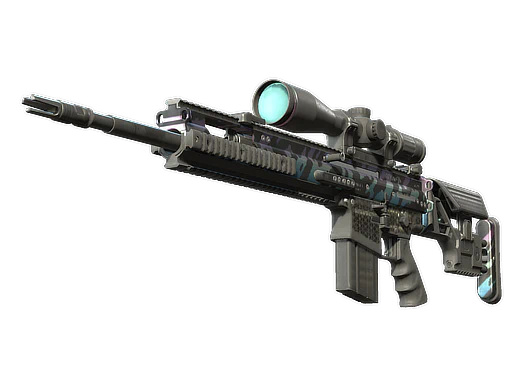

Budget-tier with a thin-market profile: demand is sporadic and the real action concentrates at the very clean end. Weak baseline support makes quick exits messy unless you control float and variant; StatTrak copies trade on a noticeably different plane and deserve separate treatment.
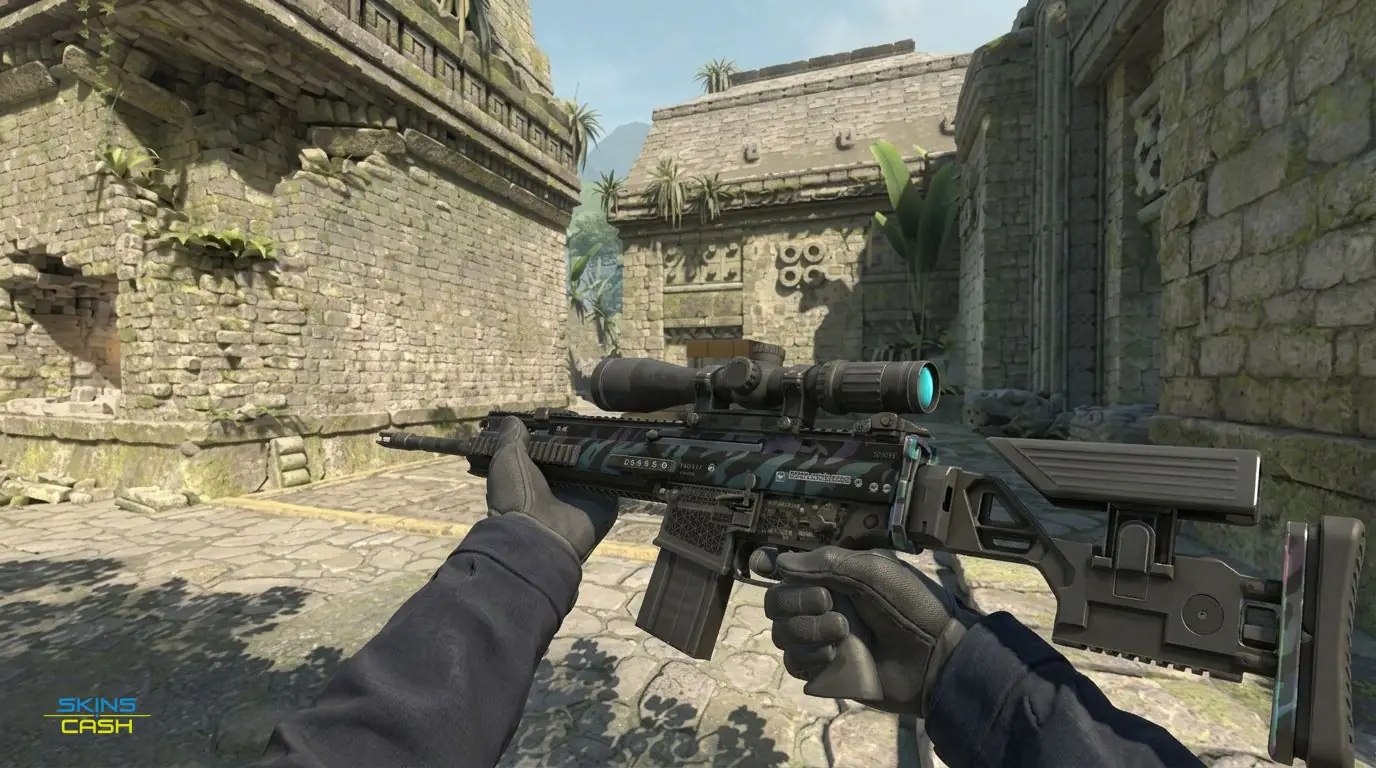
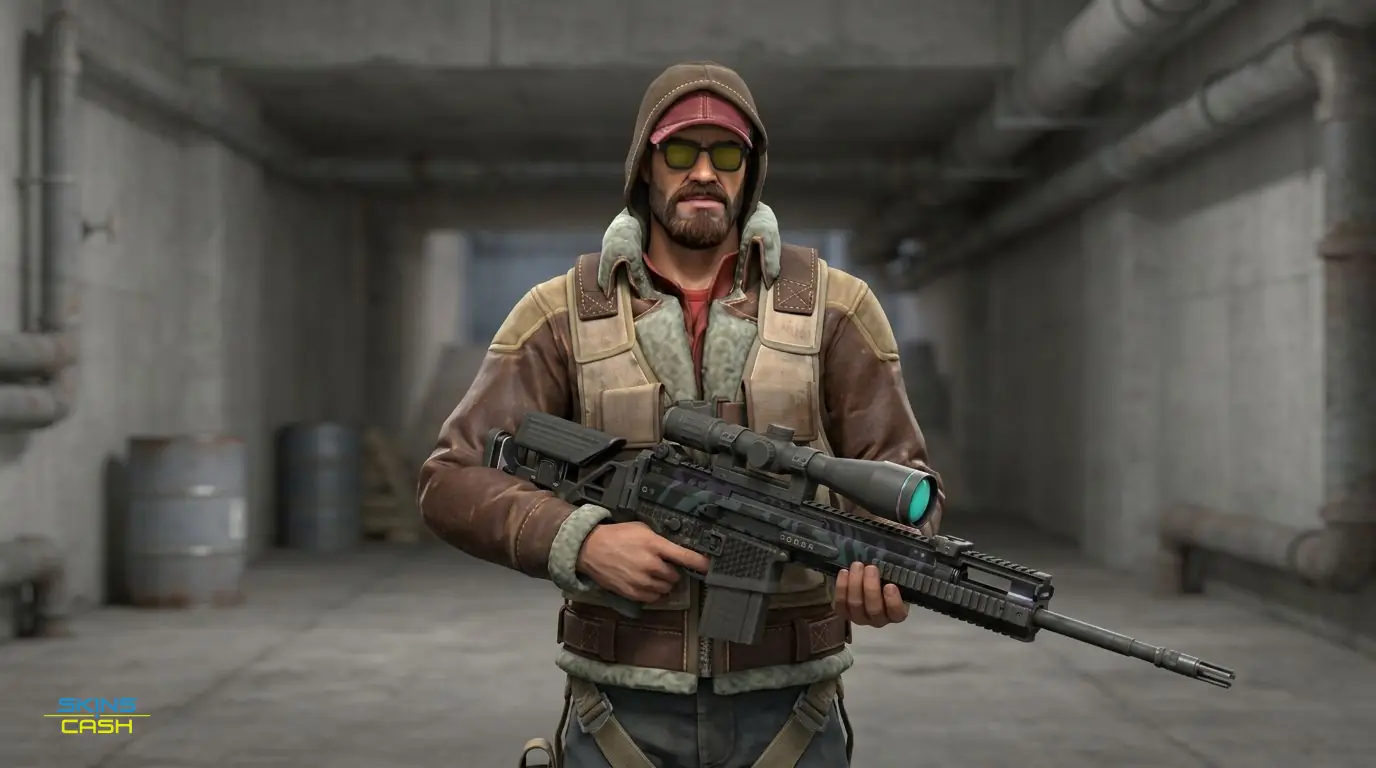
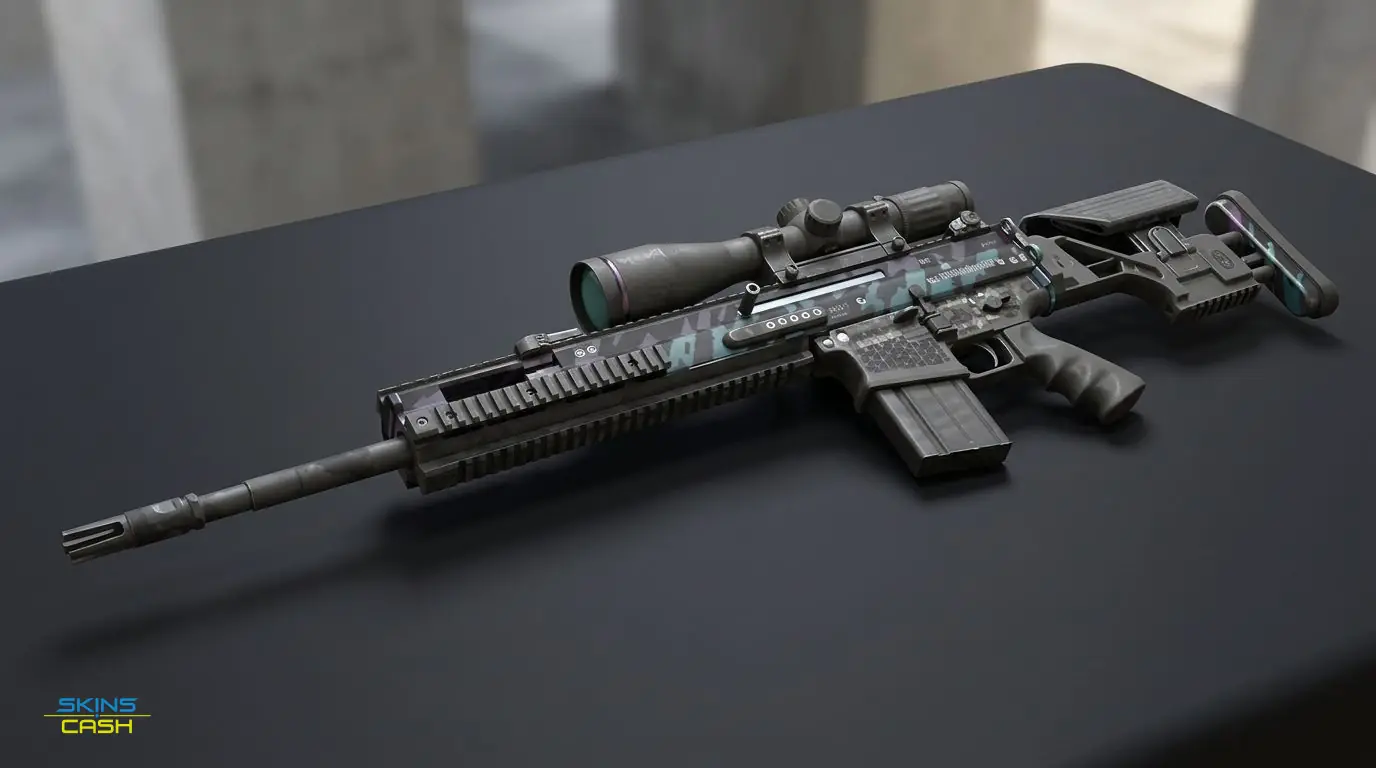
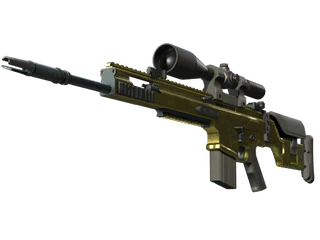
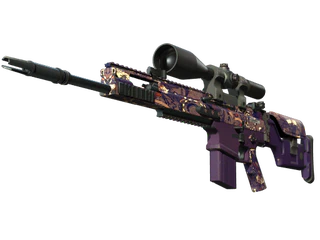
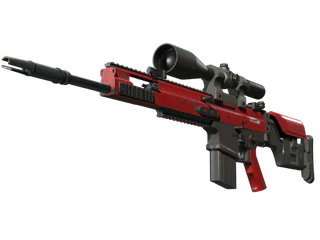
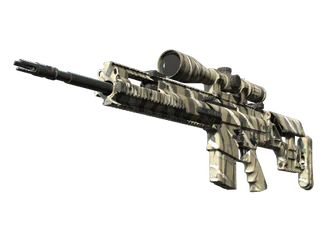
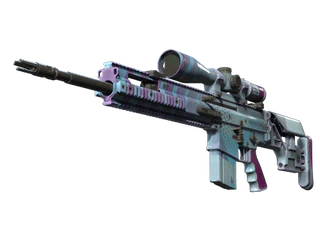
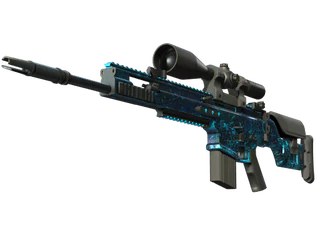
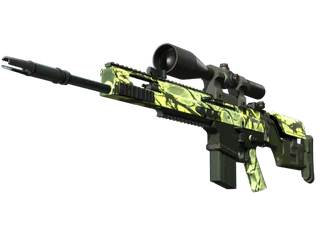
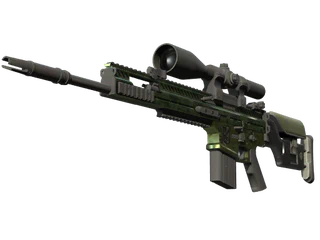
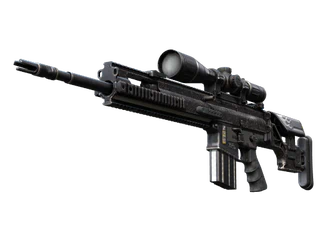
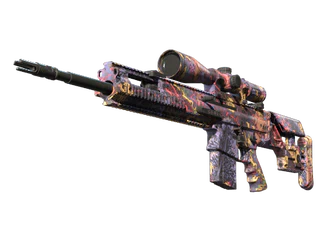
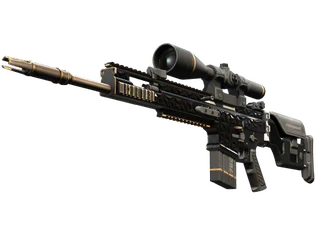
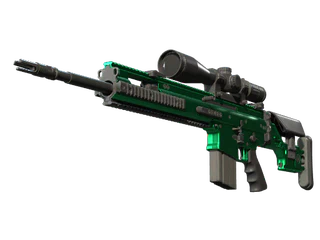
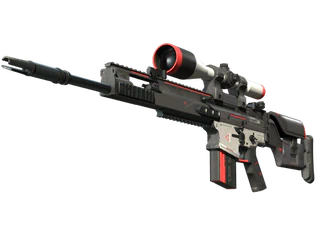
This SCAR-20 | Caged sits squarely in the budget bracket, which means low baseline interest but viable trades if you pick the right copy. Sellers face a shallow bidder pool and should expect patience or targeted listings rather than mass demand. The designer nod and the Gunsmith finish keep it visually respectable for collectors who care about muted, gray palettes.
The wear ladder runs the full range and it is not flat: value steps down through a series of tiers rather than sliding smoothly. Lower-tier copies form a broad band with modest gaps between adjacent wears, while the top wear forms a clear break that separates it from the rest. That stepped structure shows up in market listings as clustered asks and sudden jumps at the high end.
Clean copies sit multiple times above the general band; the premium is concentrated and sharp. Because the finish is a subdued gray designed by -AVR-, buyers pay for the rare pristine face that preserves the Gunsmith details. Expect serious collectors to dominate that slice of the market.
The spread is wide for sellers because bids sit back from asks in this thin market and the weak floor gives buyers leverage. Listing sticker prices are often optimistic; actual cashout will need trimming for float and for the StatTrak gap if applicable. If you want to net close to a top ask, be prepared to wait or accept targeted offers.
Wear impacts visual integrity noticeably: surface scuffs and finish wear show on the Gunsmith texture and dull the gray tones. Buyers are picky about face cleanliness; small float improvements materially change appeal. That sensitivity is why clean copies clear the broader band so much more easily.
StatTrak copies exist and trade on their own curve, with a premium that diverges from normals rather than tracking alongside. StatTrak demand is tighter but thinner, so while fewer buyers exist they pay up relative to comparable worn normals. For sellers, separating ST and normal listings is mandatory; they rarely compete directly.
This skin drops from the Sealed Genesis Terminal case and belongs to The Genesis Collection, which places it in a known container group rather than a seasonal crate. That origin feeds both supply and collector interest tied to the collection name. Availability is steady enough to keep mid-tier copies common, but the case identity doesn't help the clean end.
All-time movement has been massive and volatile, with prices swinging through a wide band over various market cycles. The current position sits below peak levels after a re-rating down through the longer term, though short-term activity has shown signs of recovery. Expect a long memory in listings because collectors remember the highs.
Buyers should enter at the low asks and only step up for specific floats or for the StatTrak line; patience filters out poor fills. Because the lower-tier spread is stepped, it pays to wait for an ask that lines up with the wear band you want rather than chasing the top of a cluster. Keep an eye on live asks and match float to the stepped bands before committing.
Names like daps, torzsi, and xfl0ud keep this pattern visible in demos and highlight clips, which nudges a handful of collectors toward it. The presence of those pros doesn't create mass demand, but it does add a narrative buyers notice when they sort by name or sticker. That faint pro glow helps the clean end more than the worn band.