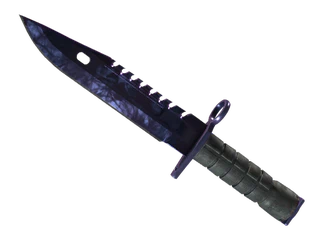
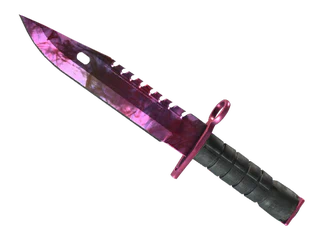
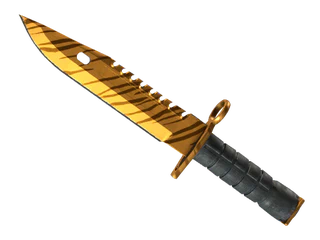
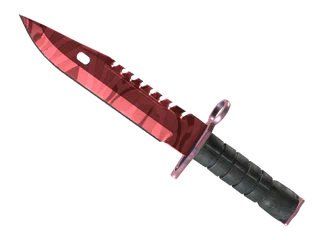
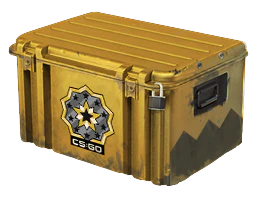
Top-tier grail money with a surprisingly firm floor and a capped float shape that keeps worst wears cleaner than most bayonets. Demand is specialist and jumpy-clean pieces draw the hardcore buyers, while steady interest at the lower end keeps sell-through reliable when the market moves up.
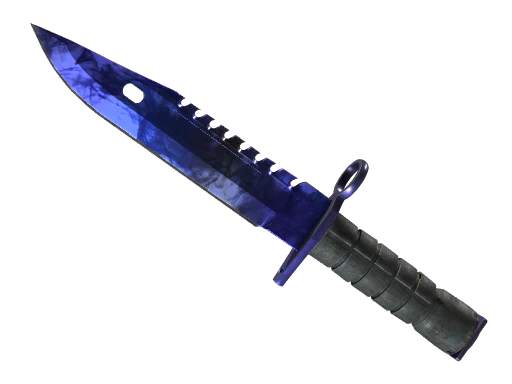
Top-tier grail money with a surprisingly firm floor and a capped float shape that keeps worst wears cleaner than most bayonets. Demand is specialist and jumpy-clean pieces draw the hardcore buyers, while steady interest at the lower end keeps sell-through reliable when the market moves up.
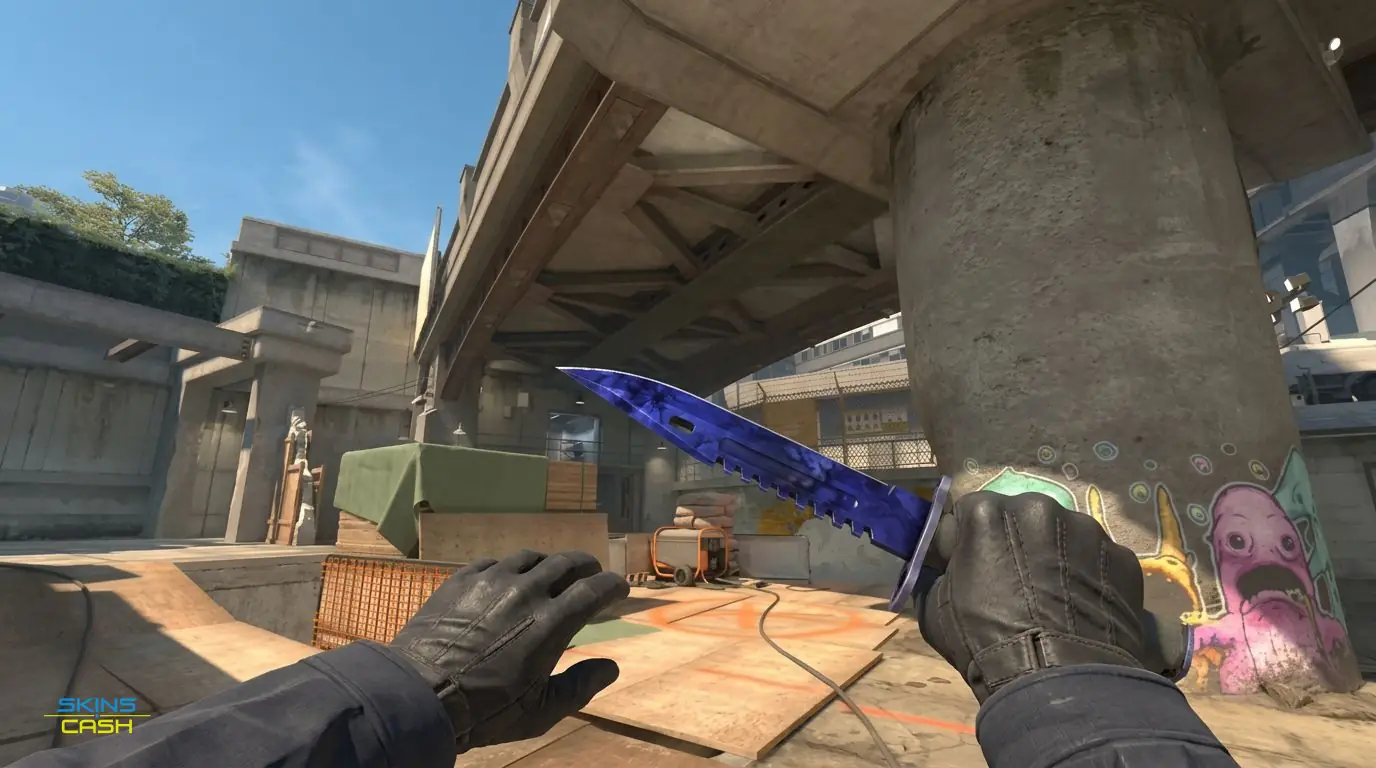

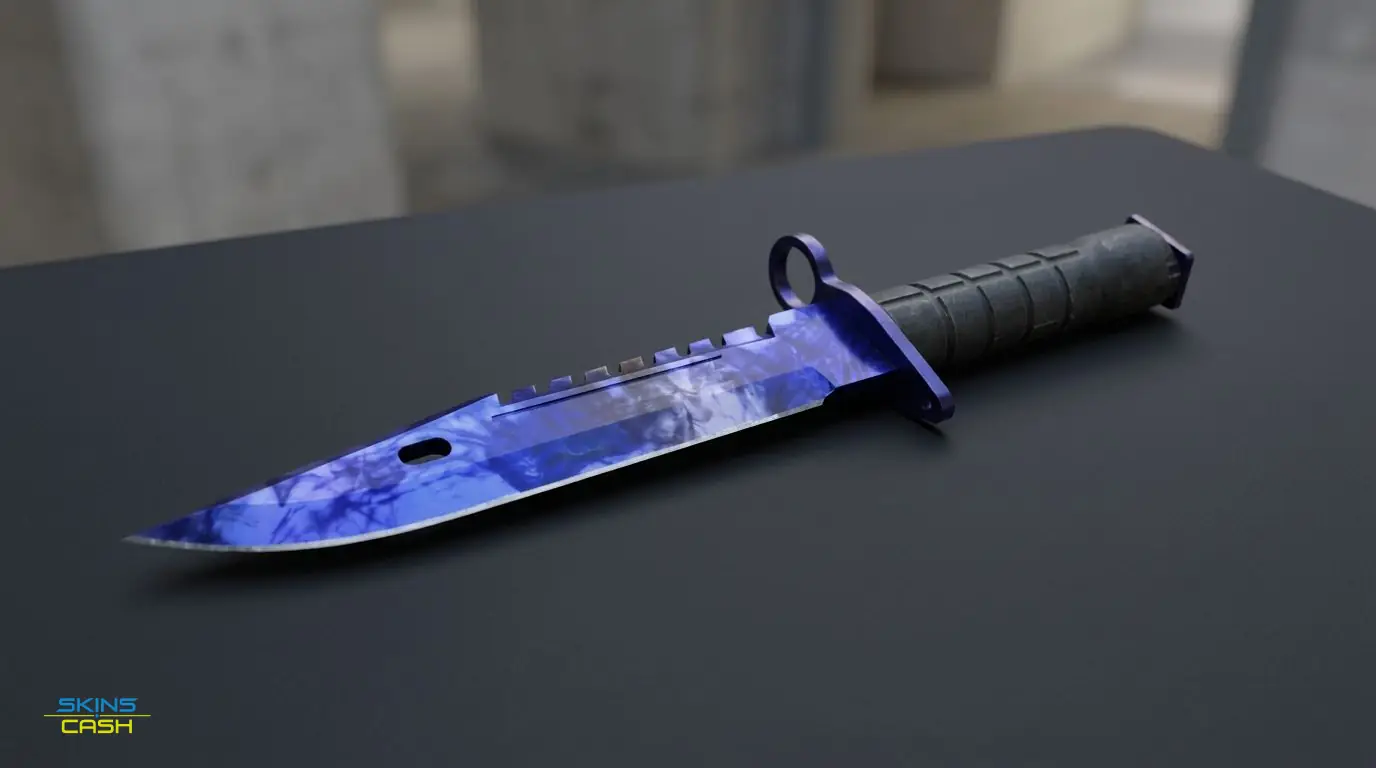
This is grail territory for a bayonet: the market treats it as a collector play rather than a volume flip. For a seller that means fewer bites but deeper pockets - list tight if you want speed, or sit and stagger asks if you prefer to harvest the rare high bids.
The ladder is front-loaded but not a cliff; premium tightens toward the clean end with a clear step rather than a smooth glide. There is not a special finish premium at the absolute best wears, so the ladder rewards cleanliness up to a point and then flattens.
Mid-clean copies are where skin-for-skin value looks best: you get much of the visual payoff without paying the full collectible premium. Sellers should stop expecting proportional gains beyond that band - cleaner copies still sell higher, but marginal upside thins fast.
Worn-to-battle copies sit in a compact payout band where float shifts matter very little, so list discipline beats tiny float tweaks at the low end. If you hold a worn piece, don't sweat marginal float moves; treat it as fungible stock that clears on momentum.
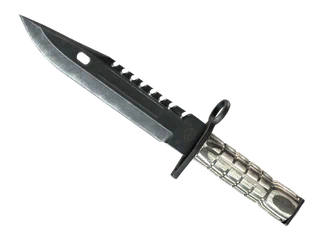
The finish does not reach the typical worst floats, so the darkest scratches everyone fears are milder here and the bottom wear behaves more like a cleaner mid than an all-out worn. That compression lifts the perceived baseline quality, which keeps lower-tier bids from collapsing.
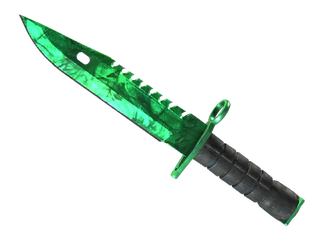
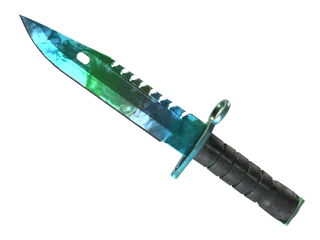
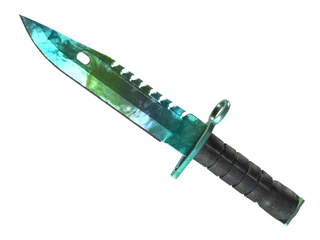
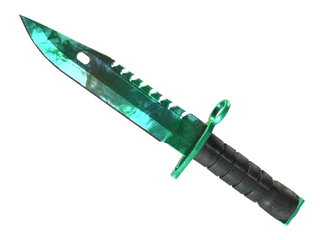
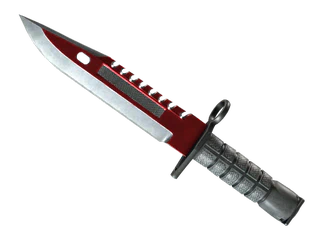
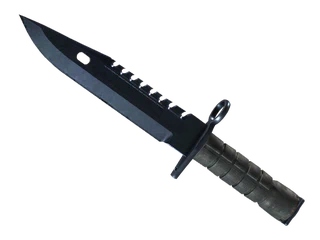
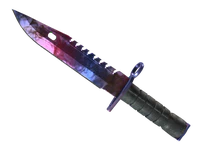
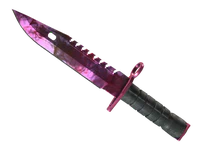
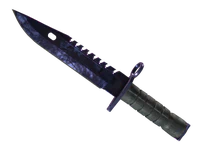
Phases matter here: Phase four carries its own personality and certain seeds make the blade read cleaner or busier under game lighting. Check the seed for weird speckling or a clean mirror edge - those handfuls of seeds swing buyer interest beyond what float alone would suggest.
In the StatTrak line you can see a dirtier copy out-price a cleaner one when the count combo and pattern line up with collector tastes. Sellers should verify both the StatTrak counter and the phase; a higher counter with a desirable phase will sometimes trump a cleaner float.
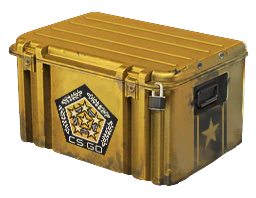
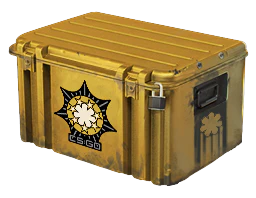
This blade drops from the Chroma Case, which means supply is constrained to that source and the case cadence shapes long supply pressure. That origin keeps new inflows predictable and ties the skin's availability to the case's lifecycle.
Valve's anodized multicolored finish leans blue here, so the knife reads cool and aggressive in-game rather than flashy. The blue bias gives it a distinct silhouette on common maps and suits aggressive hand models; buyers who like a sharp, cold blade respond well.
The year-long arc has bled down from earlier highs but has shown a soft uptick recently, so the market is not in freefall anymore. For holders that means the big re-rating is behind it, but interest can still wobble with external shocks.
Range width is wide and trend signals are mixed, so prices can spike quick and cool off just as fast; expect sudden jumps rather than steady climbs. If you need speed, accept wider spreads; if you want top bids, patience is the cleaner trade.
List with a margin above mid if you can wait, and tighten when you need speed - the market rewards sellers who respect the spread instead of undercutting to move stock. Keep your asks staggered and match listings to the phase and StatTrak state to avoid taking a structural haircut.