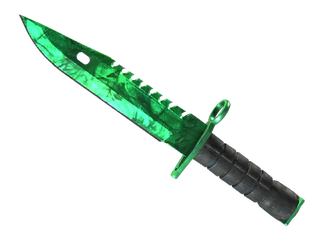
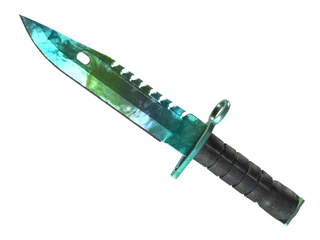
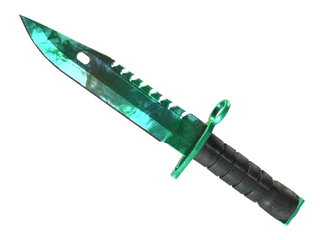
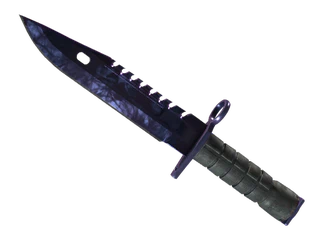
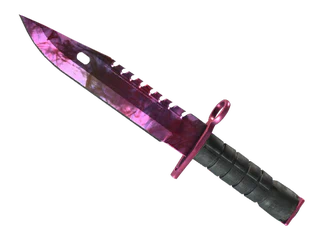
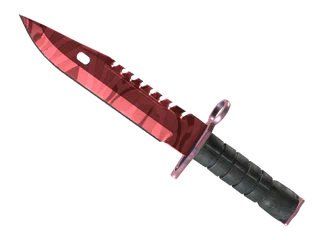
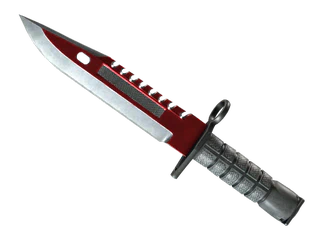
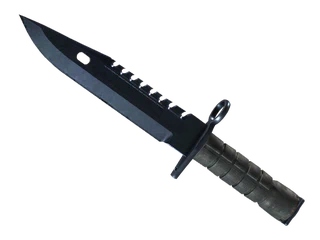
This M9 Bayonet sits at the premium end of the market with a firm floor and a compact lower ladder, so worn copies trade close together while clean examples command the attention. The Gamma Case origin and the black-gray gunsmith look keep steady specialist demand even as broader interest has softened over the year.
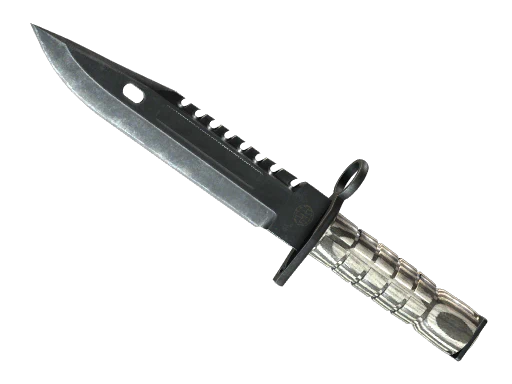
This M9 Bayonet sits at the premium end of the market with a firm floor and a compact lower ladder, so worn copies trade close together while clean examples command the attention. The Gamma Case origin and the black-gray gunsmith look keep steady specialist demand even as broader interest has softened over the year.
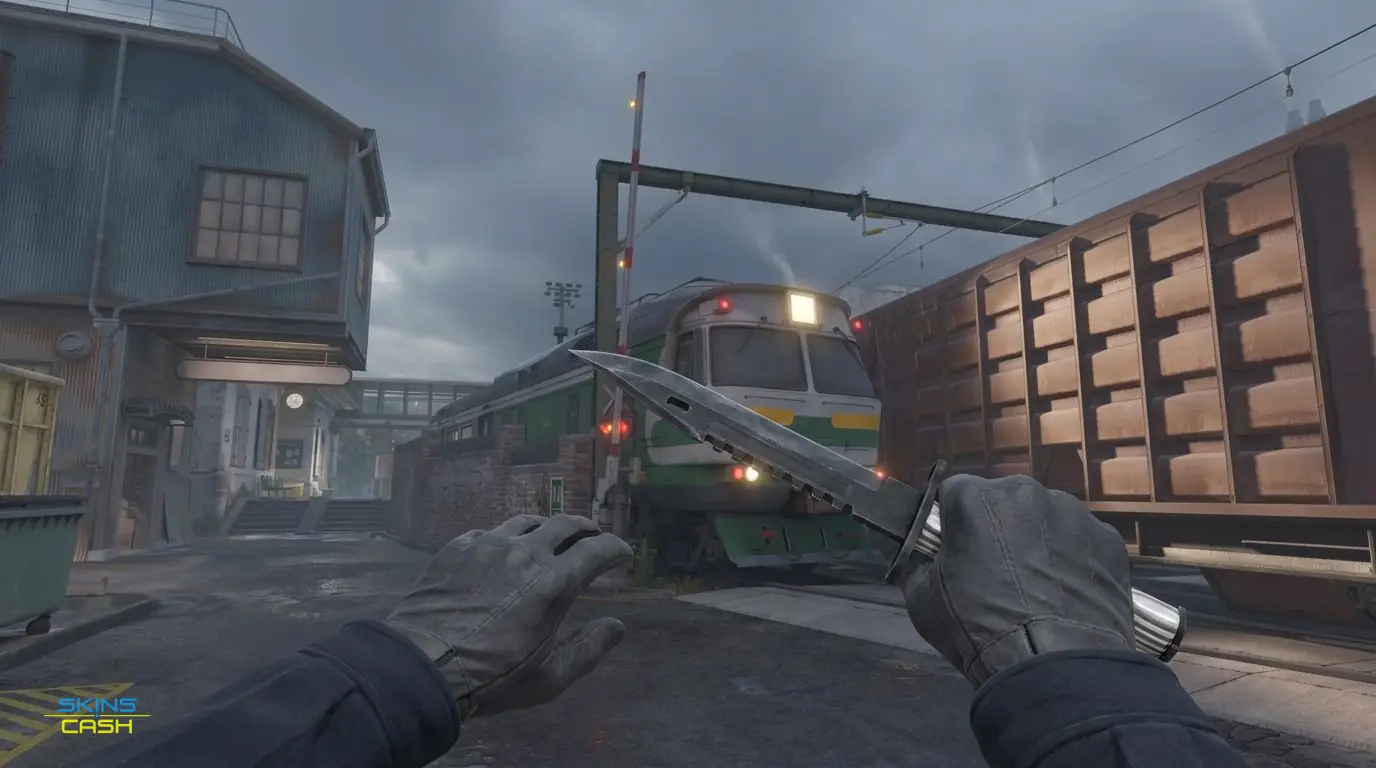

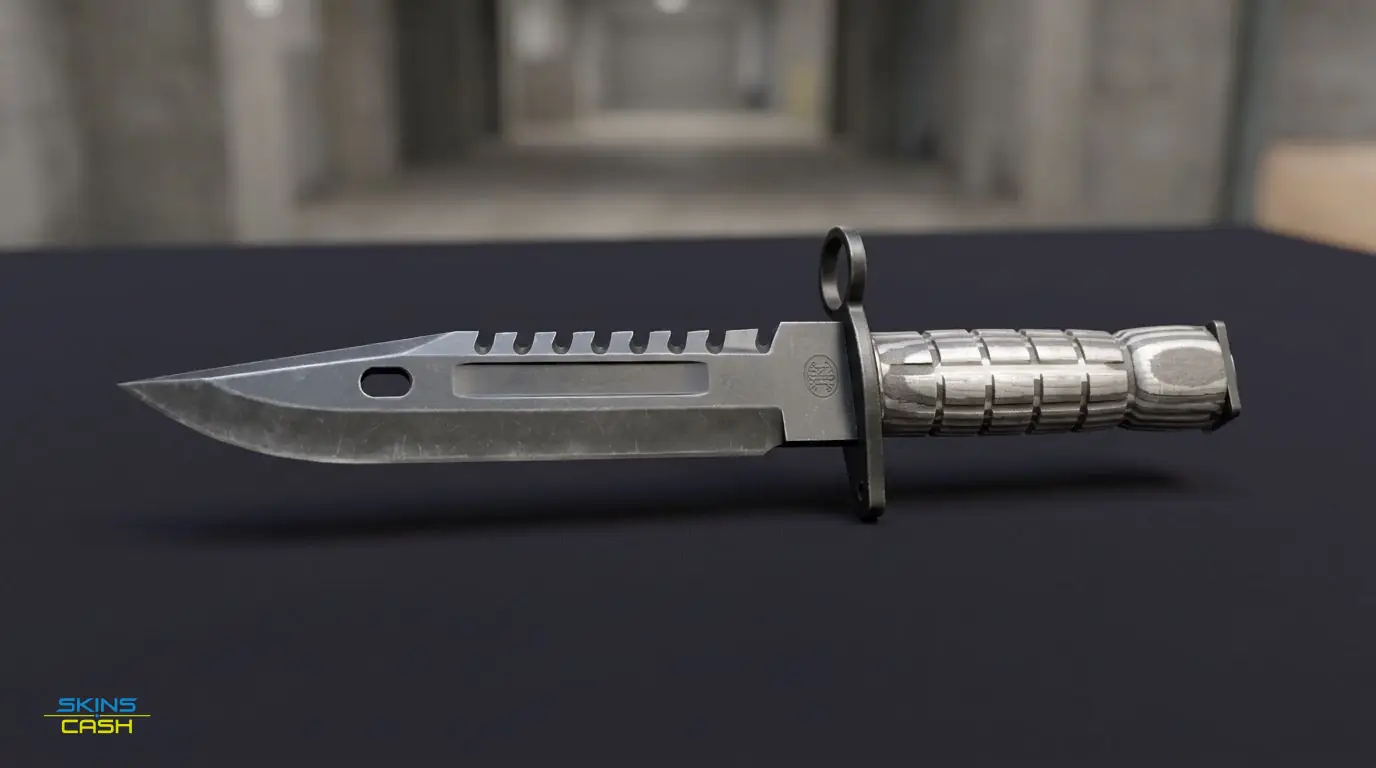
Premium bracket. This Covert M9 Bayonet is a specialist play for buyers who want a heavy-hitter blade rather than a quick flip; expect listings to attract serious collectors and case hunters first. For a seller that means patience buys value - it trades above the mid tier but below grail-level scarcity.
The payout curve shows a full-range profile with value concentrated toward the clean end, then easing through mid wears into a compressed low band. It is not a smooth gentle slope; the clean-to-mid jump is the most noticeable bend in the ladder, with smaller steps thereafter.
Worn and battle-scarred copies sit in a tight payout band, so float differences down there barely move buyers. If you hold a beaten finish, expect similar offers across a range of low wears - listing tight and competitive often works better than chasing a marginal float bump.
Mid-clean wears give the most skin-for-money before the clean premium kicks in; those copies are the balancing point where visual appeal meets cost efficiency. Sellers should flag anything visibly near the top wear band, because beyond that point buyers start paying the cleaner premium rather than incremental improvements.
The gunsmith finish and dark palette hide minor scuffs well, so the visual drop from a mid float to a slightly lower float is muted. Buyers do pay noticeably more for a near-pristine face and edge, but small float moves in the middle of the range seldom change perception.
StatTrak examples follow their own demand curve and remain distinct from normal copies; StatTrak buyers are a narrower subset but usually decisive. As a seller you will find ST listings move to their own rhythm and can outpace normals when match-ready looks matter.
Being a Covert stabilizes the floor even when float is poor; rarity underwrites baseline bids for worn blades. That support keeps the low end respectable compared to lower rarity knives and prevents the worn ladder from collapsing.
Black and gray suit the gunsmith finish perfectly, giving the blade a utilitarian, low-glare presence that reads clean in most lighting. Valve's design keeps the pattern subtle, so the knife reads as a versatile, understated option rather than a flashy statement.
The knife originates from the Gamma Case, which keeps supply tied to case openings rather than a promotional drop. That container origin matters: supply is steady from case activity rather than from periodic events.
Over the year the market has bled down hard from earlier levels, so long-term holders have seen re-rating pressure. That directional drift has re-set expectations and concentrated demand among collectors who waited out the slide.
The short window is flat, with offers and asks settling into a stable band after the longer decline. Listings shuffle but there is no renewed upward momentum yet.
Traders often ignore the StatTrak split or treat all low wears as interchangeable; mis-labeling ST versus non-ST costs you buyers. Also watch float near the clean bend - misreading a mid-clean as a top-clean produces stale listings. Always confirm variant and float before pressing the sell button.