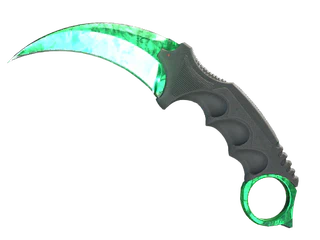
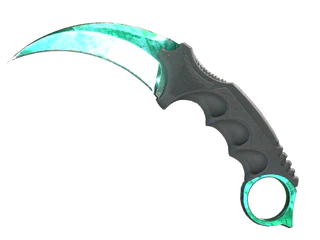
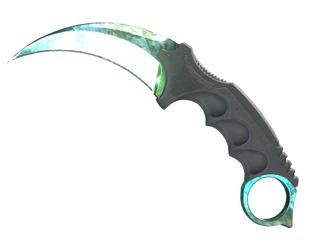
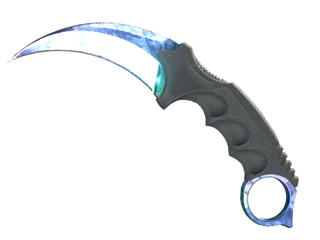
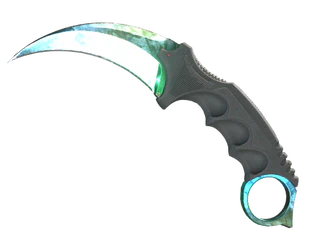
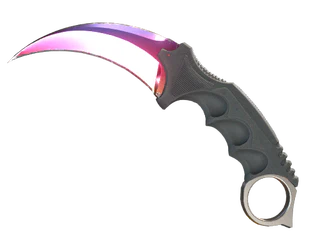
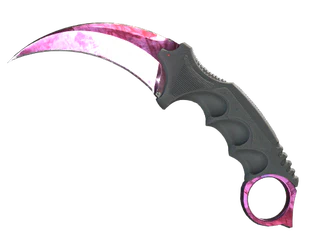
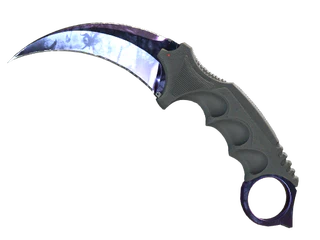
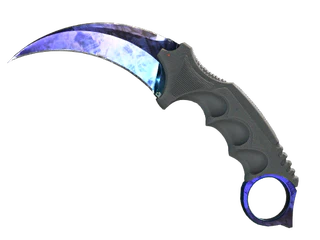
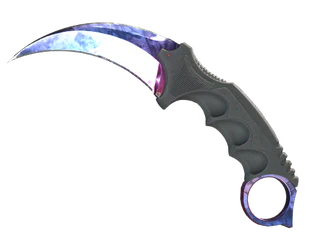
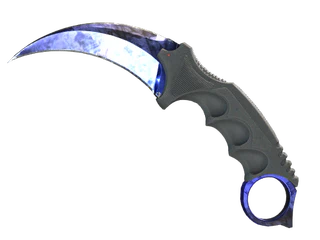
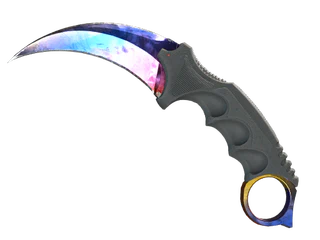
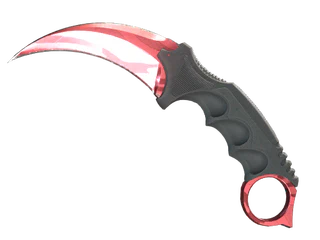
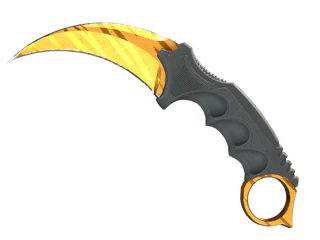
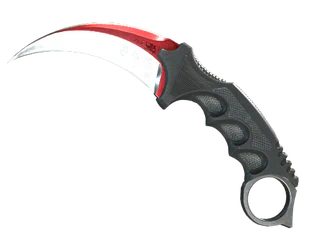
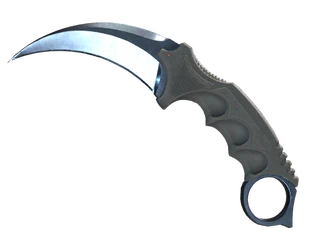
Premium-tier Karambit pricing lives where float discipline matters: the full float span makes each copy behave differently, and value concentrates toward the clean copies. Demand is mainstream but the long historical swings mean you pick your sell point by float and taste, not by blind listing.
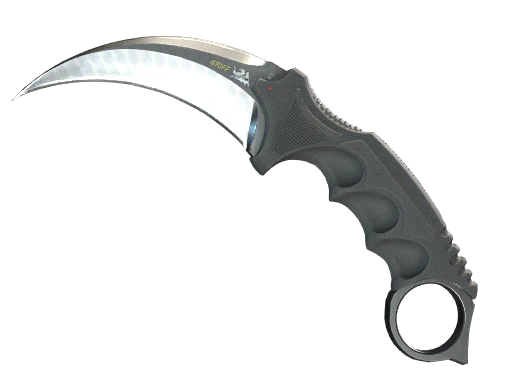
Premium-tier Karambit pricing lives where float discipline matters: the full float span makes each copy behave differently, and value concentrates toward the clean copies. Demand is mainstream but the long historical swings mean you pick your sell point by float and taste, not by blind listing.
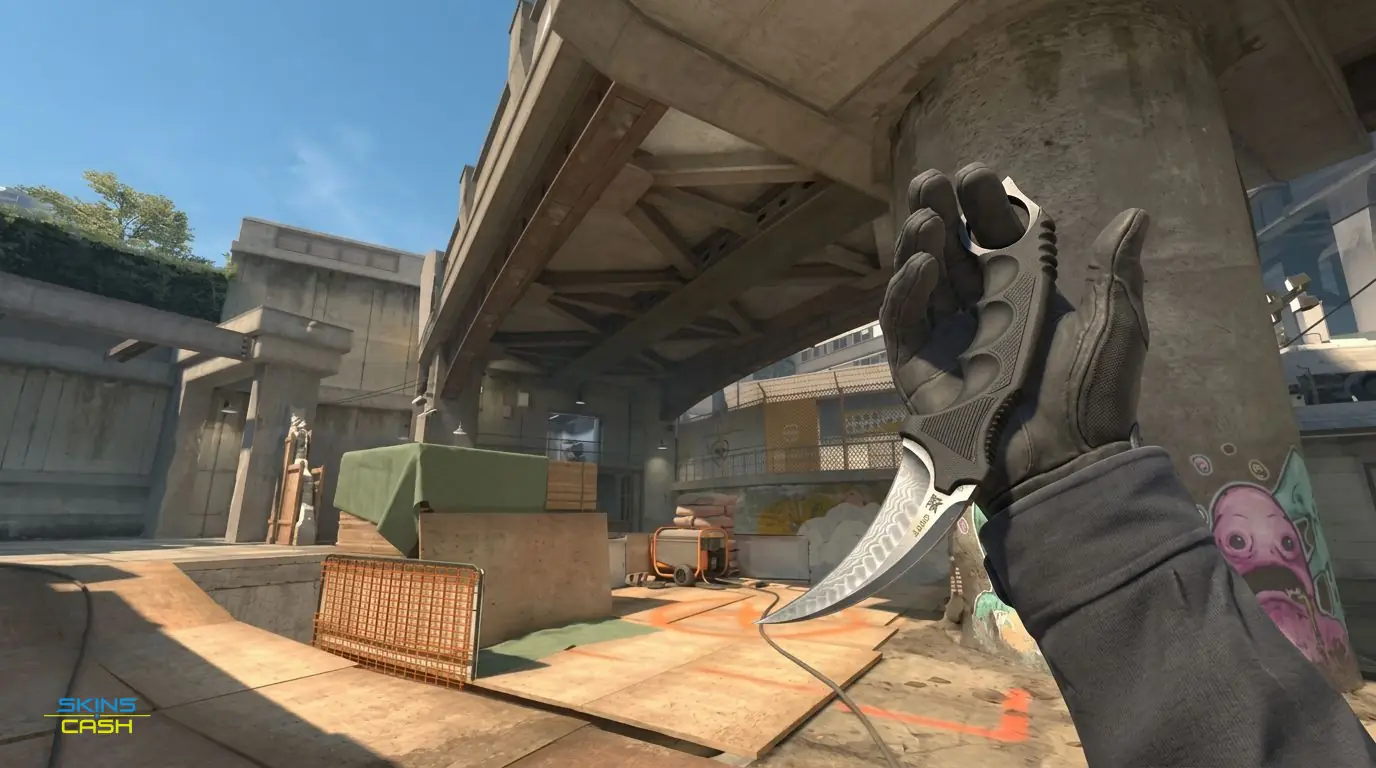
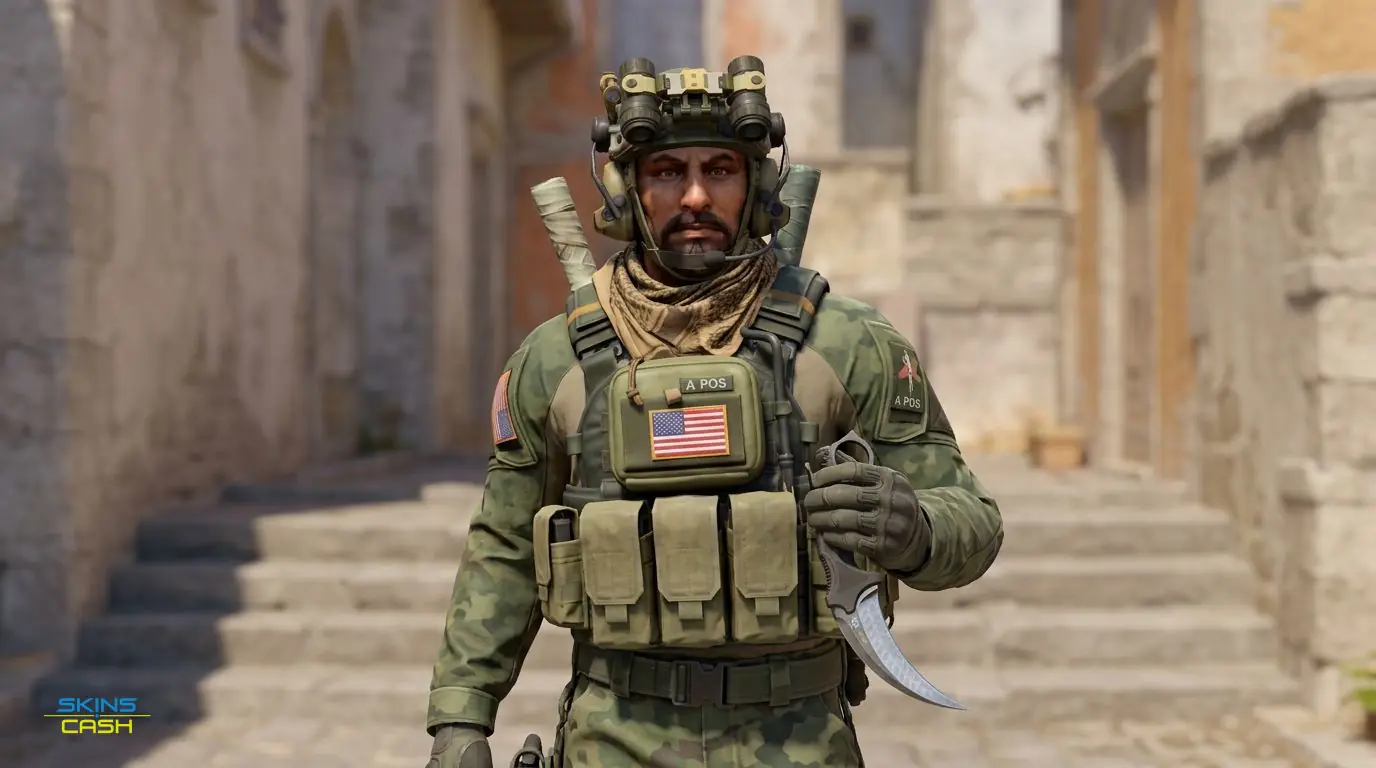
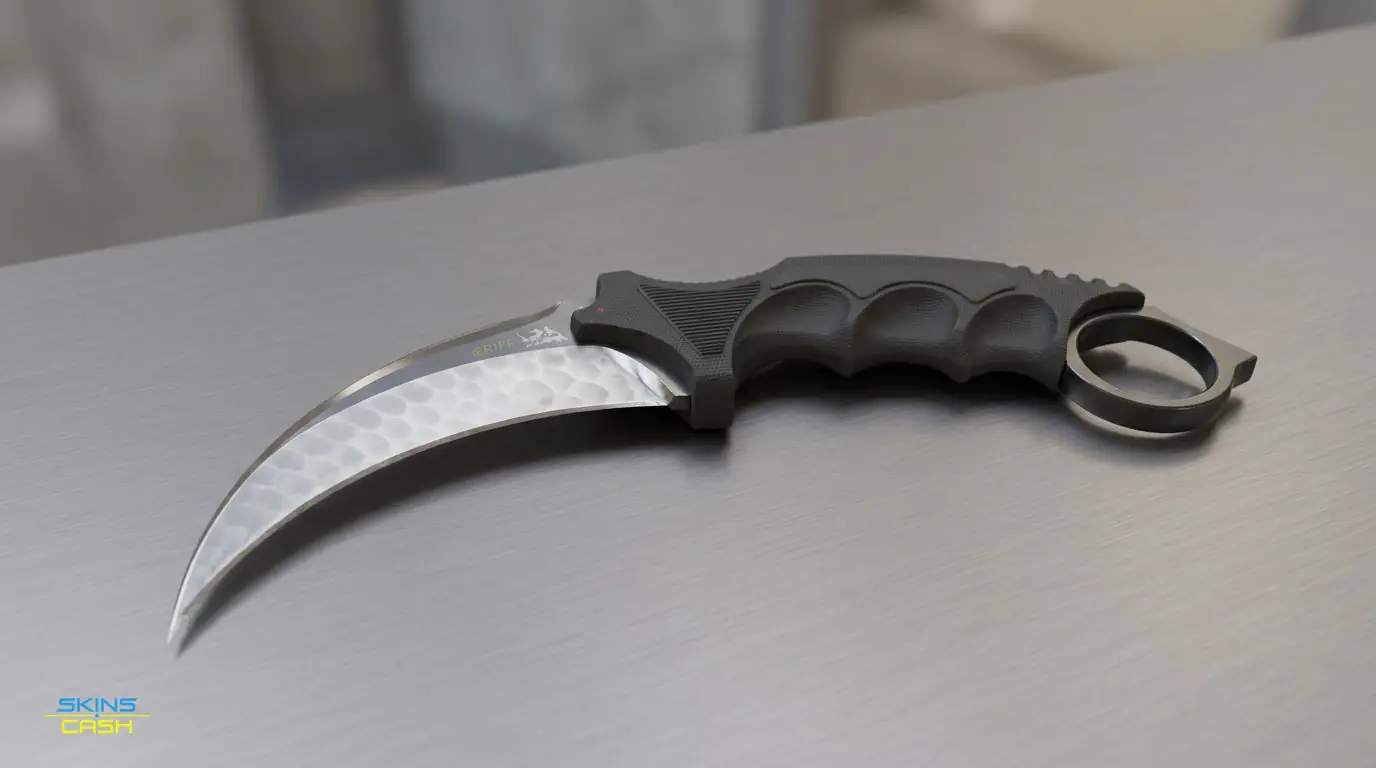
This Karambit sits in the premium bracket among knives and trades like a solid grail for buyers who care about wear and look. Sellers benefit from steady interest out of a mainstream player base, but expect a market that reacts to cleaner copies rather than random churn.
The wear ladder reads as a classic full range ladder where premiums stack toward the clean end and the rest forms a long tail. There is no special First Owner premium to upend the curve, so the payout shape is about wear alone and a steep step appears as floats get cleaner.
Ask prices on listings rarely reflect what a seller actually nets - fees, takers missing the float target, and liquidity friction widen the gap. Expect sticker prices to be a starting point; real cashout typically sits below that sticker once the float and marketplace friction are applied.
Mid-worn copies deliver the most skin-for-money if you want playability without paying clean-end premiums; they show the Raw finish and gray palette well without the clean premium. Sellers should stop chasing cleaner floats once the ladder's premium no longer compensates for extra listing time.
Float runs the entire span, so selectivity matters: two identical stickers can conceal very different payout behavior depending on float. That full-range profile rewards sellers who pick a target wear rather than listing every copy at the same asking price.
Covert rarity underpins the low end and keeps badly worn copies from collapsing into complete irrelevance. Even worn knives have a baseline value supported by the rarity tier, which prevents the bottom of the ladder from being a freefall.
There is no StatTrak and no Souvenir variety to split demand, which makes the market a single readable line. That simplicity helps you price against clean floats without juggling parallel markets.
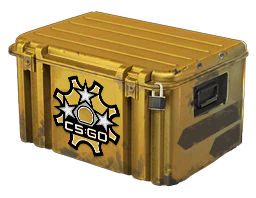
This Karambit comes from the CS:GO Weapon Case, so supply is tied to that container's circulation and case-era interest. Case origin means copy flow is predictable to traders who watch case activity rather than chasing ephemeral hype.
The Raw finish and gray palette read muted but aggressive in-game, especially on slashes and quick peeks where shape matters more than color pop. Valve's designer touch keeps the edges and reflections clean, so it presents well on player screens.
Short-window movement has been mostly flat, with little directional push in recent trading. That steadiness makes it a good time to pick a float target rather than chase momentum.
Typical errors are treating sticker asks as nets and ignoring float when setting a quick listing price; both leave cash on the table. Avoid mislabeling wear and check the live spread before you click sell.
Players like fer, EliGE, and koala have been tied to this knife, which keeps a baseline of attention from viewers and collectors. Names attached to gameplay add steady interest rather than sporadic spikes, which is useful when you want reliable bids.