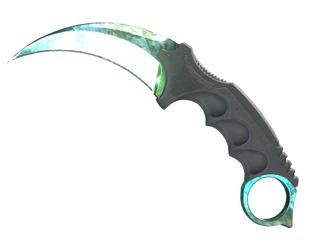
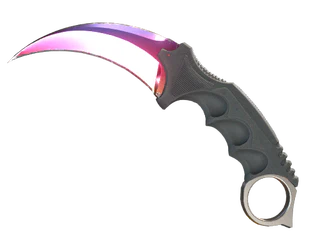
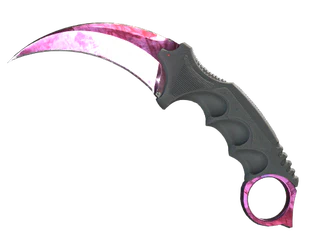
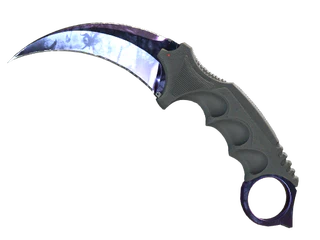
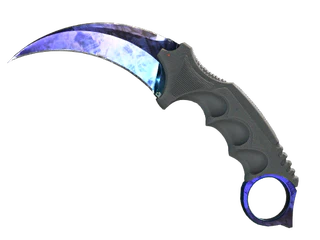
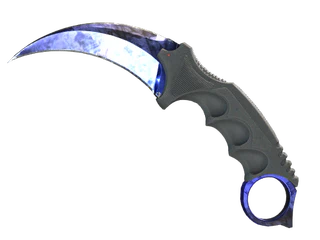
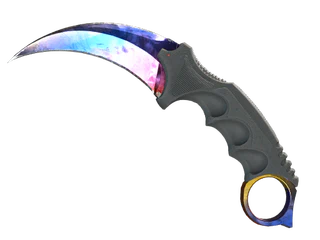
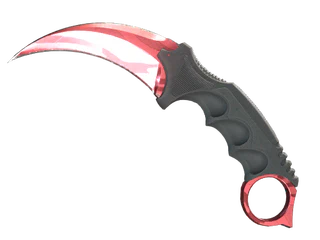
This karambit sits firmly in the premium bracket with a high floor and a wide historical range, so cashout decisions hinge on wear and StatTrak status more than occasional market chatter. Demand is thin at the extreme top but steady for mid-clean pieces, so plan around where your float places you on the ladder.
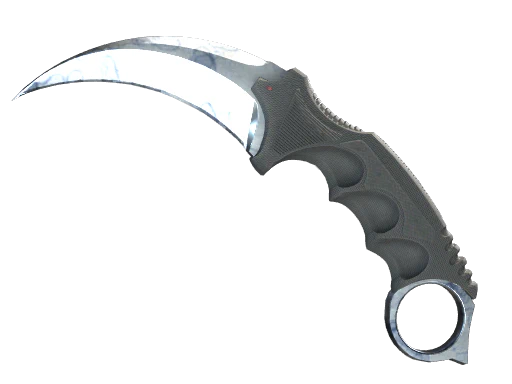
This karambit sits firmly in the premium bracket with a high floor and a wide historical range, so cashout decisions hinge on wear and StatTrak status more than occasional market chatter. Demand is thin at the extreme top but steady for mid-clean pieces, so plan around where your float places you on the ladder.
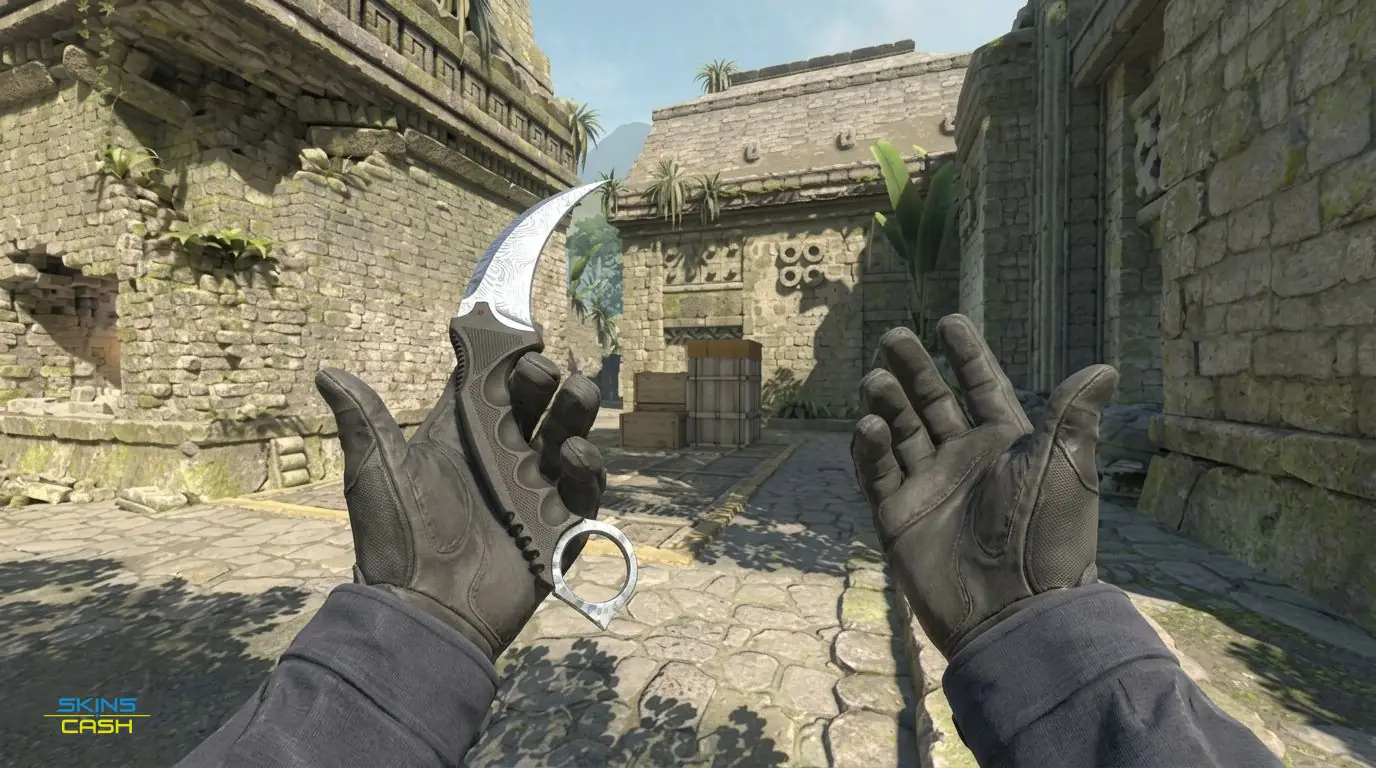

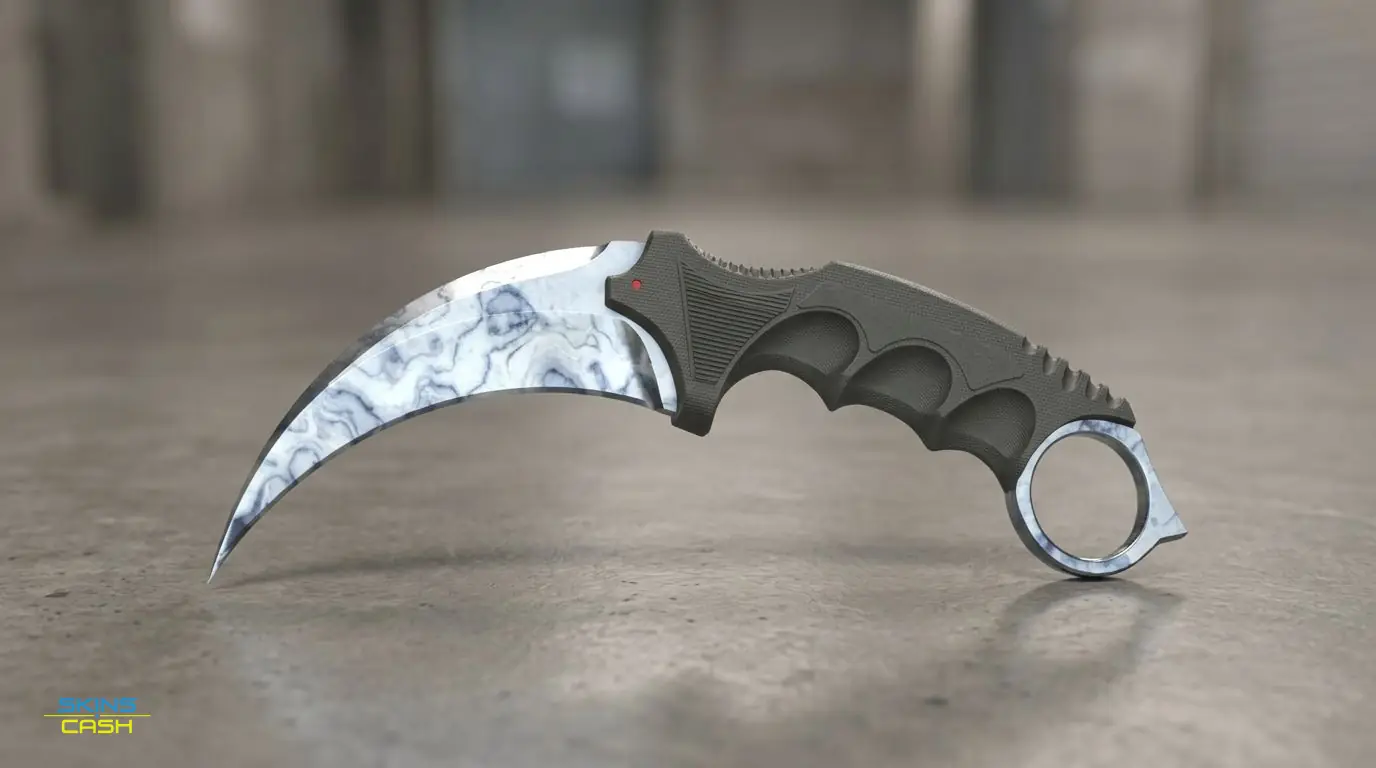
A premium Covert karambit with a patina finish, this Stained occupies a high-value corner of the market where buyers expect condition and provenance to matter. Sellers should treat it like a specialist trade: fewer transactions overall, but the pool that pays premium is focused and decisive, especially for clean non-stattrak copies and for the named pro association.
The ladder runs the full range, with a classic payout profile that concentrates value toward the clean end and then stretches through worn tiers. Expect a steep drop from the very clean pieces into the broader middle wears, with the low end forming a flatter band relative to that peak.
Lower-wear copies sit close together so worn examples rarely swing price wildly among themselves; float matters less once this skin hits the darker patina zone. If you hold a worn copy, competition is about availability rather than tiny float edges, and that keeps exit options predictable.
Sticker prices on listings overstate what lands in your hand because buyers factor trading friction and listing risk into bids. The spread widens on the cleaner tiers where bidders are choosy, so your net will diverge more the closer you are to an immaculate face.
The patina finish reads noticeably different across float, with surface grit and contrast dropping off as wear increases; visible face detail is what collectors pay for. Buyers will pay up for a clean sail and crisp contrasts, while the middling wears compete on availability and price instead.
Being a covert blade gives the low end structural support: worn examples still carry the rarity premium that keeps the bottom elevated. That support makes the lower ladder less brutal than similar finishes in more common tiers.
StatTrak copies exist and run on a separate demand curve that inverts relative interest at times, so ST behaves like its own lane rather than a simple add-on. Sellers find that StatTrak liquidity is different and you need to price it as a parallel product, not just as a float-adjusted standard knife.
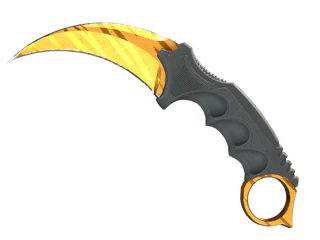
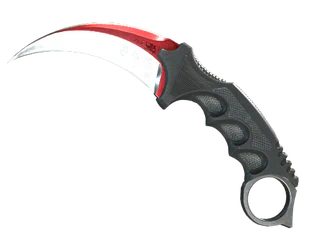
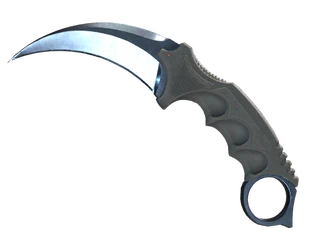
Gray and white washed by a patina finish give the Stained a muted, utilitarian look that reads well in-game under most lighting. The palette keeps the blade readable at a glance and pairs neatly with darker gloves and skins, making it a versatile carry for players who want subtlety over flash.
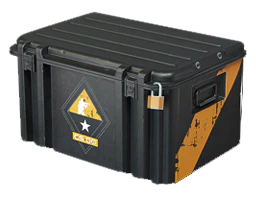
This knife comes from a long-running weapon case, which is why supply is broad and copies show up across the full float spectrum. That origin means availability is driven by case circulation rather than a single limited release.
With a massive historical range and a high floor, price action is jumpy at the top and steadier at the low band, so timing matters depending on what you hold. When the market pulls, the top falls harder; when it recovers, clean examples rebound faster than worn ones.
Short-term action has been nudging upward, giving sellers a softer window to test exits if they prefer trimming into strength. It's not a runaway move, but it changes the tradeoff between selling now and waiting for cleaner demand to firm.
Traders often misprice by ignoring StatTrak separation and by clustering all floats together; another common slip is treating the low end like it will act like the peak. Check variant, float placement on the ladder, and current buy-side appetite before you list to avoid the usual markdowns.