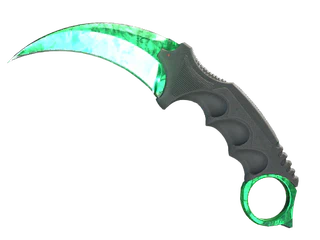
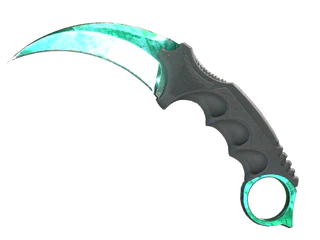
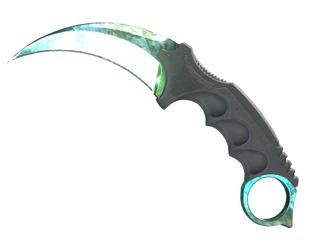
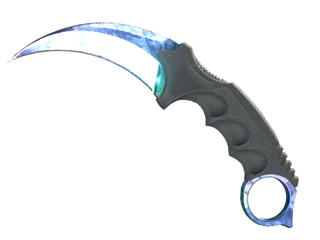
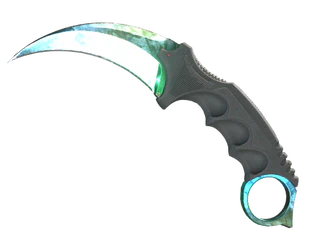
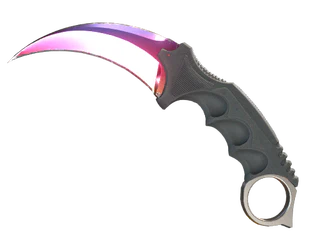
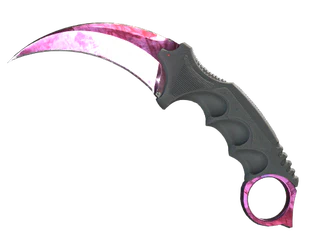
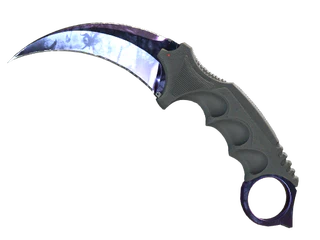
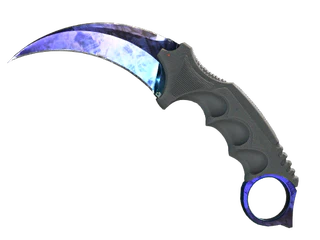
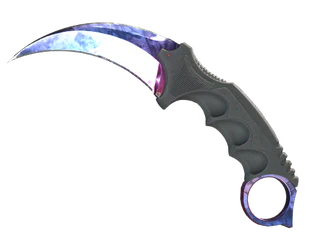
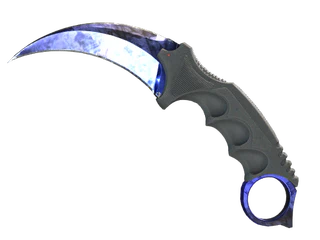
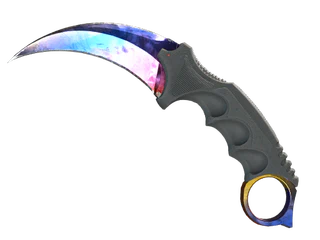
A mid-tier karambit that trades on rarity more than flash. The market is mainstream and tight at the worn end, so clean examples trade noticeably better while most copies cluster together. If you plan to sell, check StatTrak status first - it reshuffles buyers here.
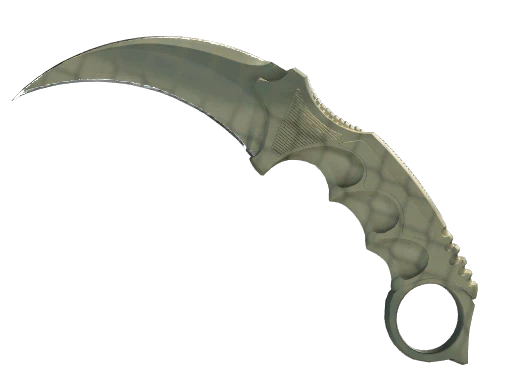
A mid-tier karambit that trades on rarity more than flash. The market is mainstream and tight at the worn end, so clean examples trade noticeably better while most copies cluster together. If you plan to sell, check StatTrak status first - it reshuffles buyers here.
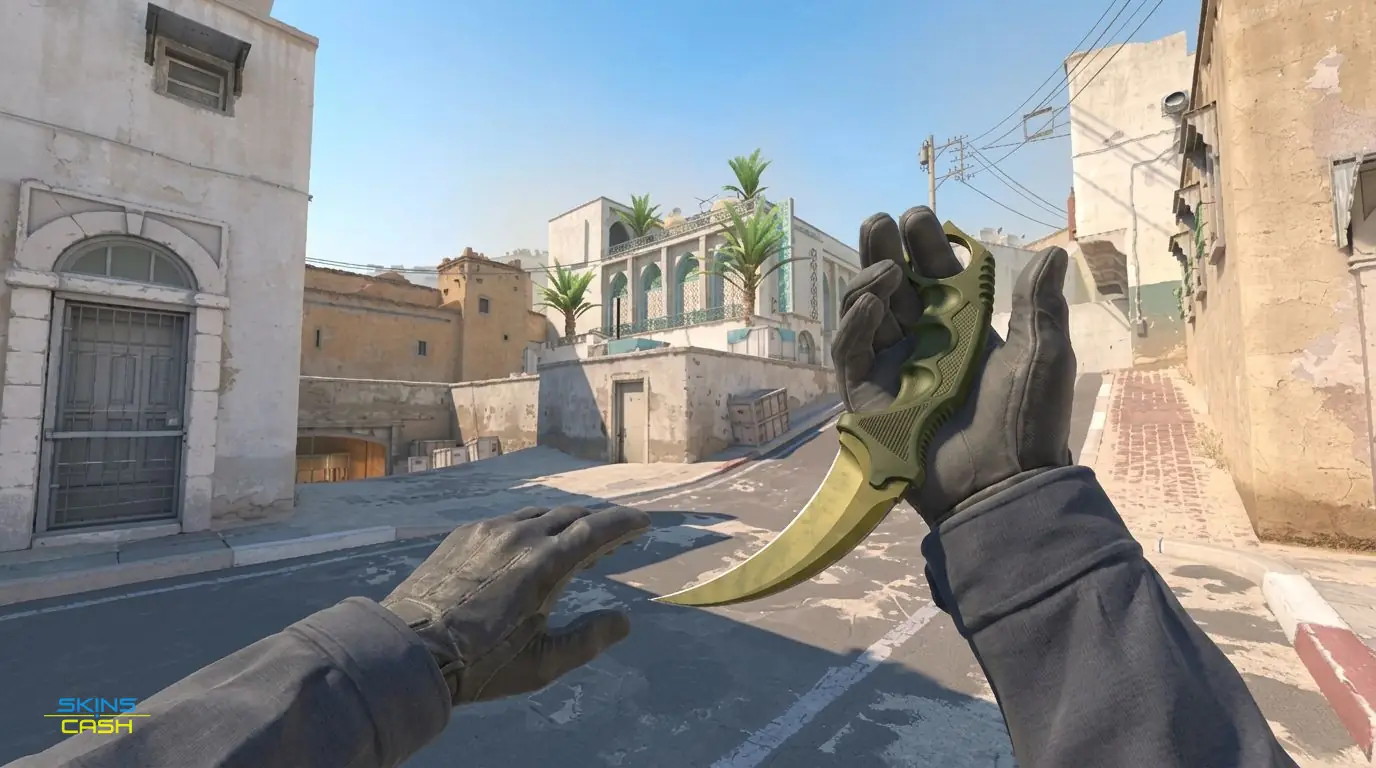
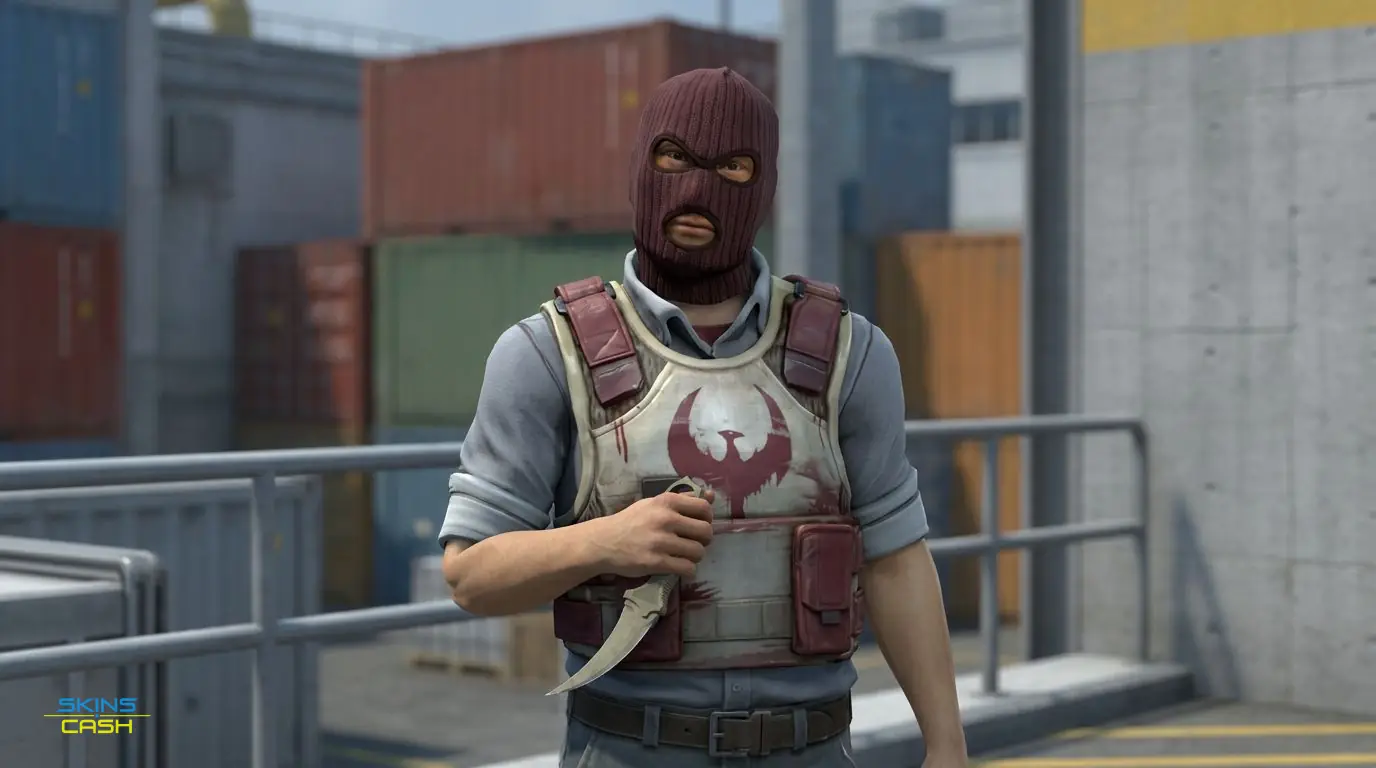
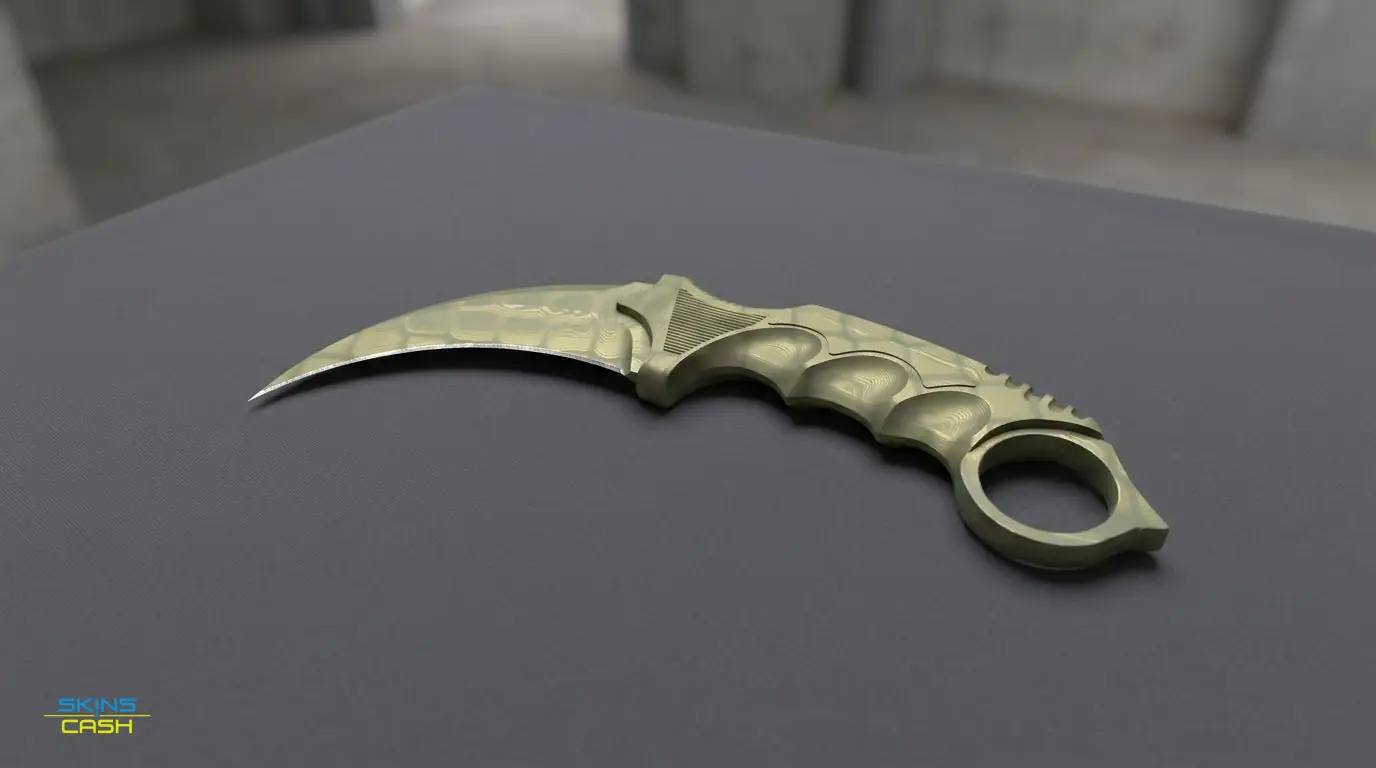
This sits squarely in the mid bucket for blades: collectible, not grail, and moves when a buyer wants a covert karambit without chasing exotic finishes. For a seller that means steady appetite from regular traders rather than spec fiends; expect quicker clears than budget knives but not the frenzy premium of top-tier rares.
The ladder is capped and front-loaded, with a clear premium for the clean end and a shallower march down through mid wears. The payout curve drops from the nicest copies then levels into a wide band, so the biggest differences live where the float caps out.
Worn copies live in a tight band; you will not lose much by holding a more beaten example compared with slightly better low-end floats. That compression makes worn karambits easy to flip quickly because buyers see little upside chasing tiny float improvements down there.
Mid-to-clean floats typically offer the best skin-for-money point before the premium accelerates for the truly clean examples. If you are selling to maximize return, aim to trade before the premium steepens and you still capture mainstream demand.
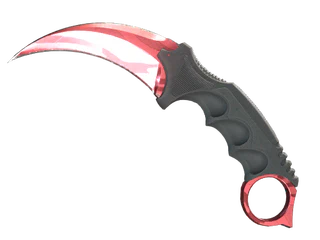
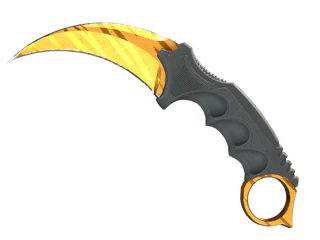
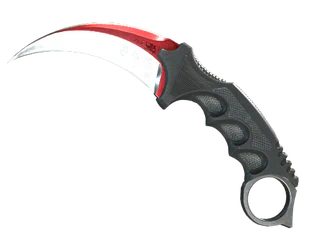
The spray-paint finish shows wear, but it does not shred the pattern - buyers still pay for a crisp face. Visual drop is noticeable moving from cleaner to dirtier, and the market rewards those clearer blades in a way you can see in listing velocity.
StatTrak flips the script here: a dirtier StatTrak often out-prices a cleaner non-StatTrak because buyers prize the counter. When listing, separate StatTrak and non-StatTrak clearly and watch for the inversion zone where a higher-featured worn copy sits above a cleaner regular one.
Being a covert underpins a respectable floor even when the finish is beat; rarity props up value across the ladder. That safety net keeps worn supply from collapsing the bottom, which is why sellers can hold towards a better ask without panic.
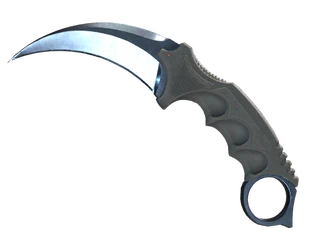
A muted gray spray-paint reads conservative in-game and pairs with most loadouts without clashing. The simple palette makes the blade versatile - it does not shout, it slots in, and buyers who want subtlety prefer that aesthetic.
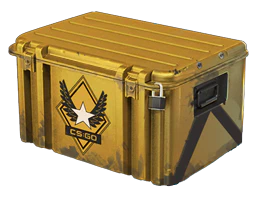
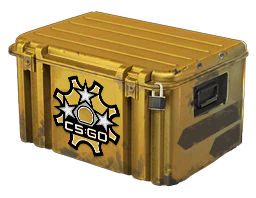
This Karambit comes from the CS:GO Weapon Case, which keeps it in steady circulation without the scarcity of limited-event containers. Expect supply to behave like a case drop: continuous but capped by the case's life cycle.
The longer trend has bled down, with soft recent pressure and a sharper move over the past year, so market sentiment is cautious. Sellers should price to the current tone rather than nostalgia; the ladder reflects less speculative demand now than before.
Buyers should be picky about StatTrak and float caps because those swap who pays more here. Stick to clean-to-mid floats for a predictable resale path and avoid chasing the bottom of the band unless you plan to move volume fast.
Players accept this as a dependable karambit option - not flashy, but respected for being solid and wearable. That mainstream sentiment supports steady, predictable demand rather than wild spikes.