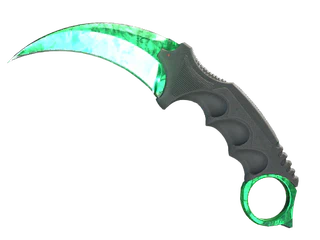
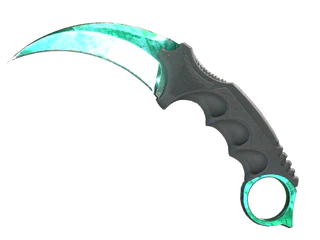
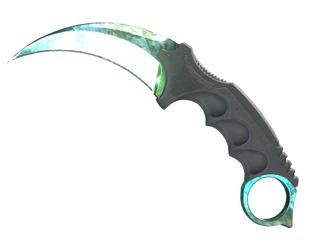
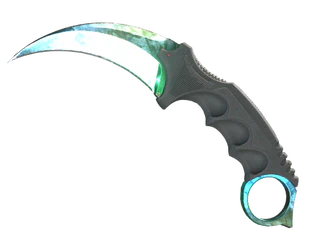
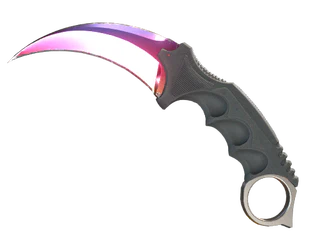
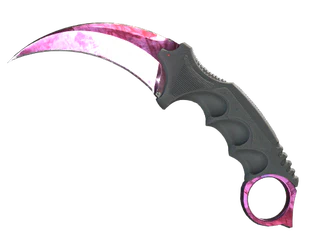
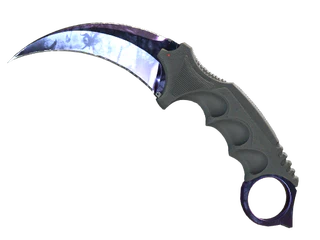
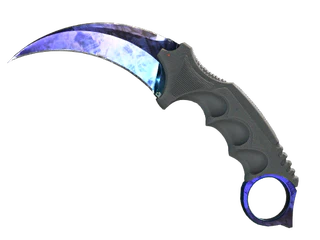
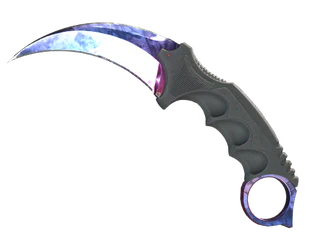
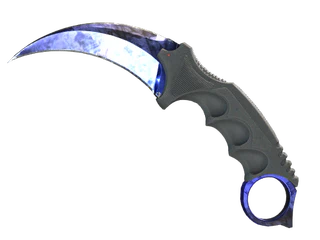
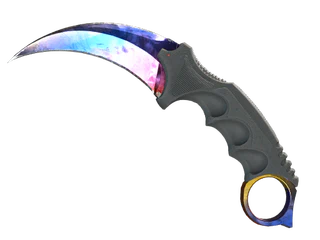
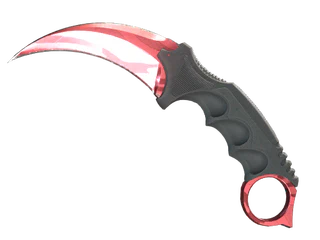
Premium-tier demand sits tight for this karambit; buyers chop at the top end and the market treats the clean copies as the prize. Strong floor support and a capped float profile keep the bottom from collapsing, so sellers can choose a deliberate exit rather than panic-listing.
Premium-tier demand sits tight for this karambit; buyers chop at the top end and the market treats the clean copies as the prize. Strong floor support and a capped float profile keep the bottom from collapsing, so sellers can choose a deliberate exit rather than panic-listing.
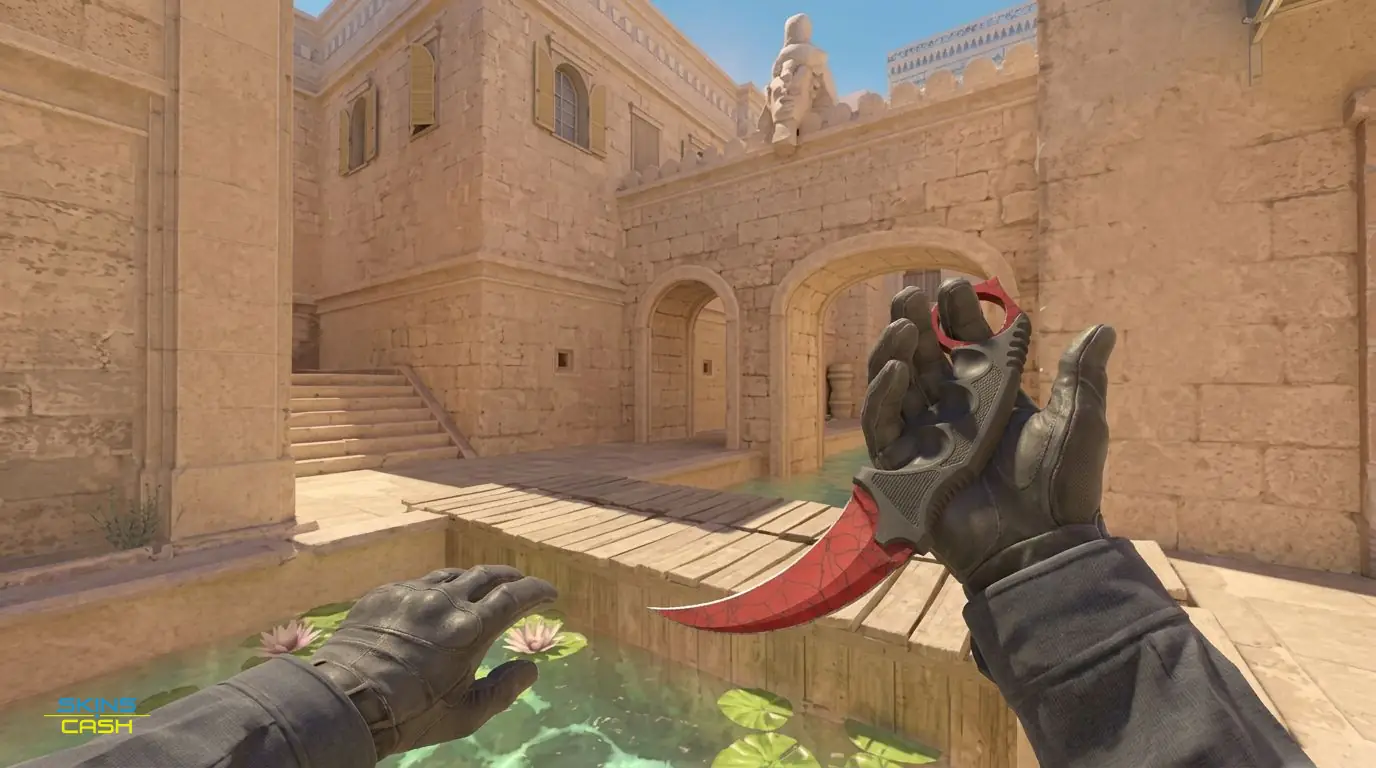

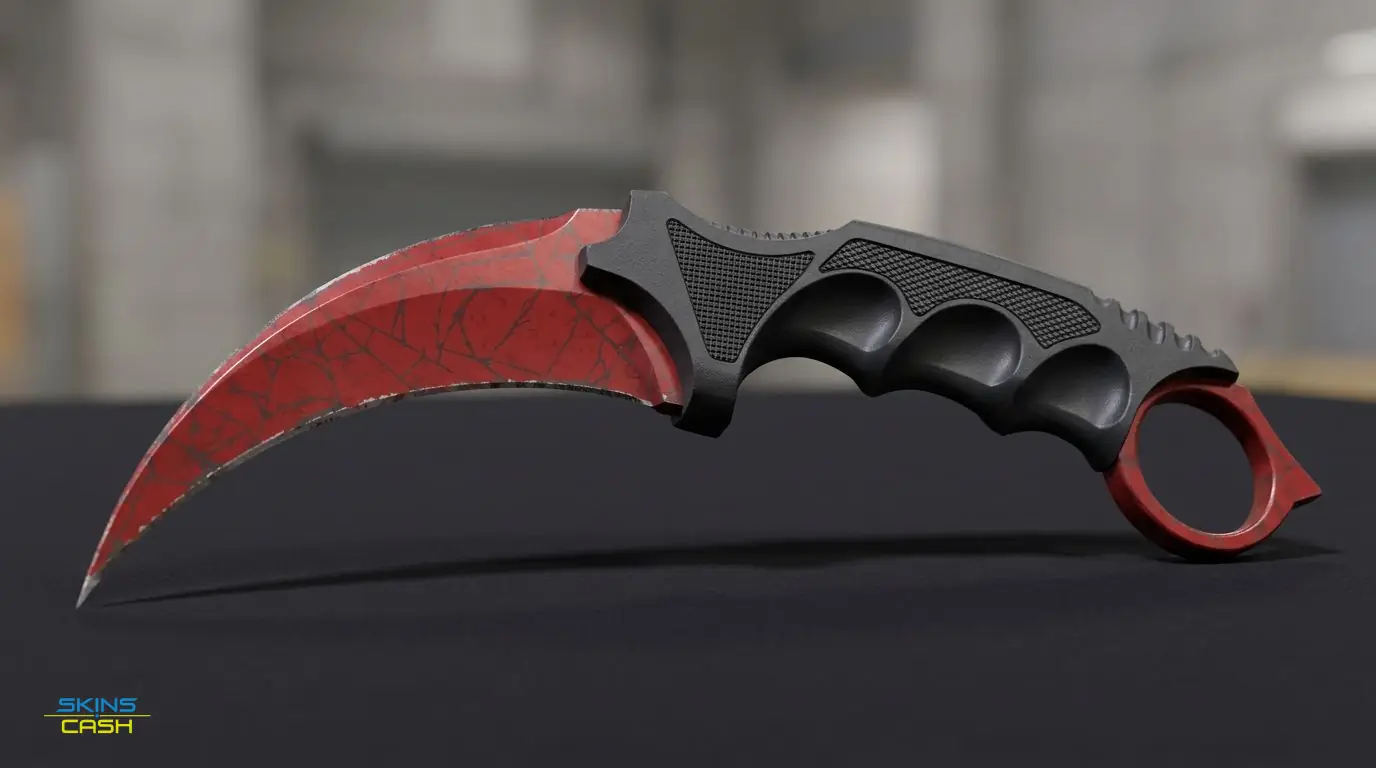
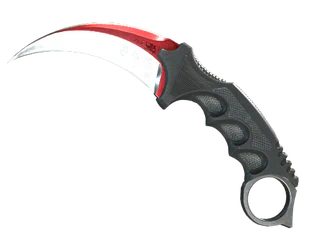
The Karambit Crimson Web sits firmly in the premium bracket among knives and covert blades, where a handful of committed collectors and players set the tone. That positioning means liquidity is real but selective: listings clear, but the buyer pool is narrower than mid-tier gear, so pricing discipline wins when you list.
The payout curve tilts heavily toward the clean end with a clear top band and a steeper fall into lower wears; the stepped lower-tier spread shows as discrete bands rather than a smooth slide. Sellers should expect the ladder to reward the very clean copies disproportionately compared with the rest of the run.
Expect a visible gap between sticker asks and what you actually pocket; active buyers grind hard on the net and market takers prefer safer entries. When you list, factor in that the posted price is aspirational for many sellers here, and negotiated sales will settle lower than headline levels.
The best skin-for-money sits just below the ultra-clean copies, where the visual impact still reads strong without paying the clean-end premium. Once you cross into the top wear band the payout barely improves, so mid-clean floats are the pragmatic sweet spot to move inventory faster.
Because the hydrographic finish is capped, the 'worst' copies avoid the usual muddiness and keep a surprisingly clean appearance down the ladder. That compression at the bottom means lower wears do not crater in the way open-float finishes do, which stabilizes the floor.
There is no pattern noise to wrestle with here; pattern index does not change how these trade, so your price work is float-first and nothing else. That simplifies listings: note the float and variant, skip seed talk, and buyers will focus on the same two facts.
StatTrak examples live on a parallel demand curve and draw a distinct buyer set willing to pay extra for the scoreboard. The ST line is liquid enough to justify separate pricing, but remember it behaves independently from the regular copies when you time a sale.
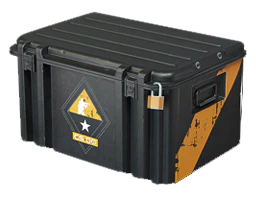
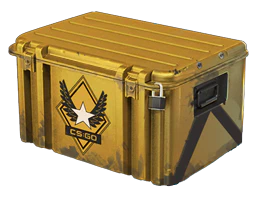
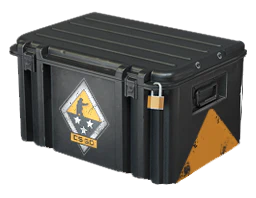
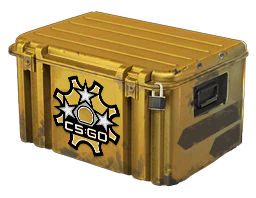
This knife comes from the CS:GO Weapon Case, which keeps supply tied to a long-running container and steady circulation. Origin from that case means listings churn regularly rather than arriving only in rare windows, so availability is continuous rather than episodic.
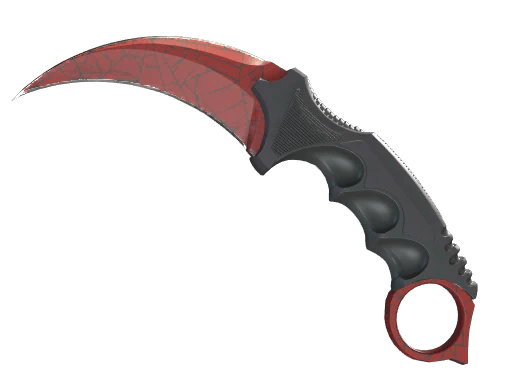
Red dominates the palette and the hydrographic finish gives a glossy depth that reads hard in-hand and on-screen; the crimson web motif plays well against darker gloves and skins. Valve's designer approach gives it a simple, aggressive silhouette that players gravitate to when they want a bold blade.
The short-window action is flat, with the immediate market showing little drift and listings holding steady. Buyers and sellers are mostly in balance over the recent stretch rather than pushing price in either direction.
Large historical swings exist alongside a strong current floor, so price can jump but only after clear catalysts; expect occasional spikes amid an otherwise steady baseline. For sellers that means you can time for upticks, but do not count on continuous runaway moves.
On a high-value knife like this, a measured approach pays: waiting for a clean-copy bid or a market uptick usually outperforms hasty sales. If you can hold through short flat spells, the premium band will often reappear and lift realized returns.