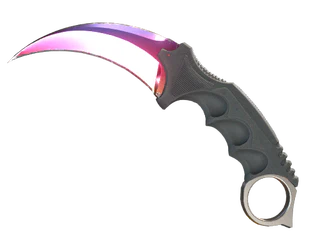
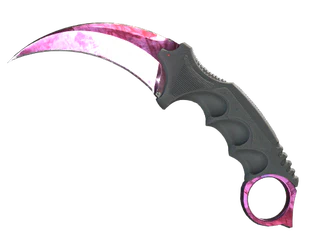
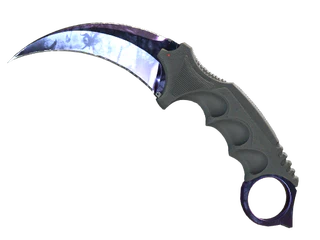
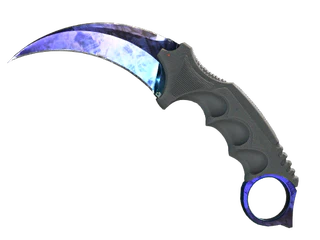
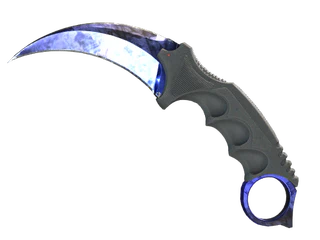
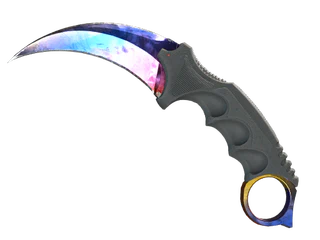
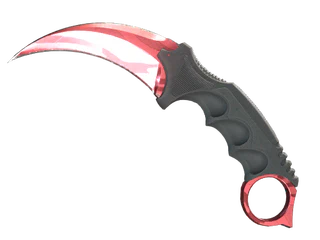
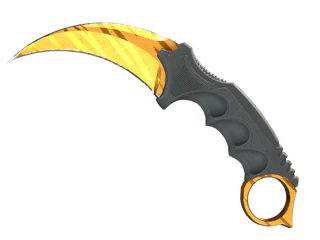
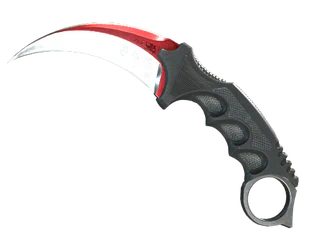
A premium karambit that lives at the top of its cohort, with value concentrated toward cleaner copies and a strong market floor. Demand is selective - serious buyers chase the clean and StatTrak lines, while the worn end trades in a tight band and clears faster than you might expect.
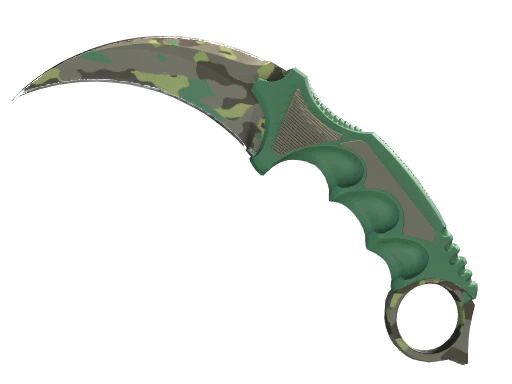
A premium karambit that lives at the top of its cohort, with value concentrated toward cleaner copies and a strong market floor. Demand is selective - serious buyers chase the clean and StatTrak lines, while the worn end trades in a tight band and clears faster than you might expect.
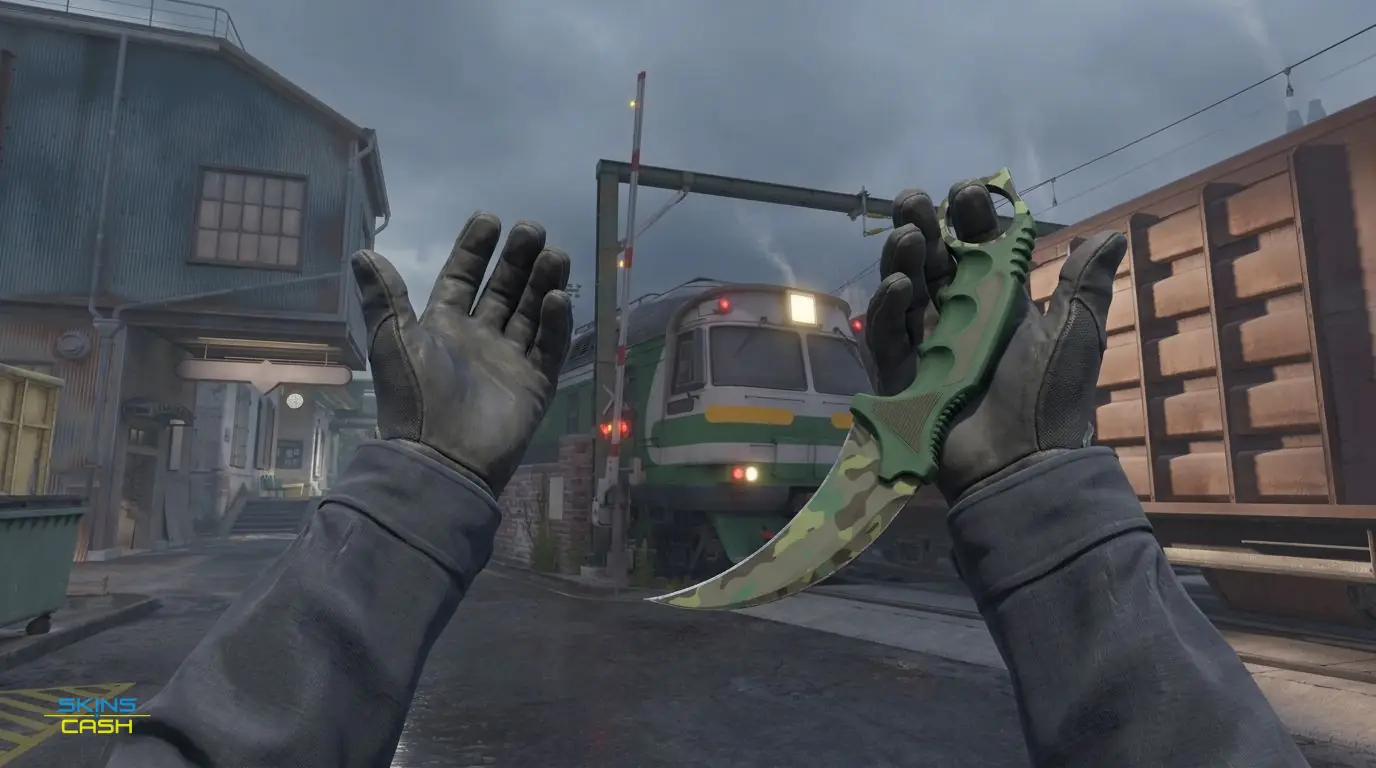


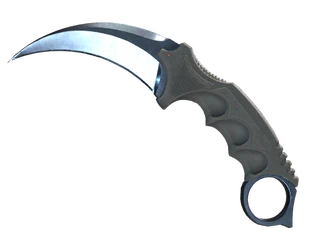
This is a premium Covert karambit that trades above standard knives and sits in the high-value bracket; it attracts buyers who prize a familiar hydrographic finish and the karambit shape. For a seller that means listings clear slower than budget pieces but with firmer bids when the float and variant line up, especially for copies tied to a named pro. Expect a market that favors quality over volume and treats clean StatTrak examples as separate inventory.
The ladder is capped and top-weighted, with a clear kink near the clean end rather than a gentle slope all the way through. Values compress quickly below that kink, so the payout curve falls sharply from the highest-quality end before leveling into a narrow lower band. That capped profile keeps the top tier distinct and the rest fairly flat.
Lower wears sit close together in payout and rarely justify chasing marginal float improvements at the dirty end; a duller Boreal Forest karambit will trade in the same band as its near-worn peers. For someone holding a worn copy there is little reward in waiting for a slightly worse float to move the needle. Liquidity clears faster in that compressed region, which helps if you need a quick sell.
Mid-to-clean floats deliver the best skin-for-money because they hit the visual sweet spot of the green-gray palette without crossing into the scarce top tier. Past the clean kink the payout stops rewarding smaller float gains; those last steps toward pristine only appeal to a narrow set of buyers. Position your ask where buyers still feel like they are getting premium appearance without paying premium scarcity.
The hydrographic finish holds up visually until you approach the clean extreme; small float shifts in the mid ladder change how the pattern reads under light, but they do not destroy the look. Buyers do pay up for a clean face, though the market separates clean from the rest rather than paying steep premiums across every float. Expect visible quality to matter more closer to the top than down the ladder.
StatTrak copies invert the usual ladder: a dirtier StatTrak can out-price a cleaner non-StatTrak because the counter and variant demand overrides float purity. Where StatTrak supply is thinner, buyers pay for the counter first and float second, so watch how many StatTrak listings populate the top band before you list. If your StatTrak sits in the compressed lower range it can still beat cleaner non-StatTrak offers.
There is no pattern-driven pricing here; the hydrographic finish and the Boreal Forest palette do not create seed gems that alter bids. Float and variant determine value, period, so you do not need to hunt for special pattern indexes before pricing. That makes pricing simpler: focus on where your float sits and whether it is StatTrak.
The green-and-gray mix reads military and muted, and the hydrographic surface gives the karambit a low-contrast, practical appearance in game. It plays well under most lighting and suits players who prefer subdued knives over flashy skins. Designer Valve's execution keeps the blade legible at distance while still rewarding inspection.
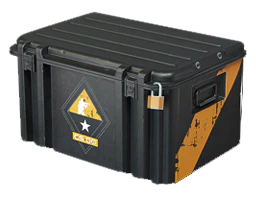
This blade comes from the CS:GO Weapon Case, and that origin keeps supply meaningful but not overwhelming for a covert knife. Availability from that case supports steady listings while preserving the premium tier at the very clean end. Case provenance also matters to collectors who track which containers produced the rarest copies.
Over the longer run the skin has softened from past highs and now trades lower on the yearly arc, but short-term movement has been placid. That downwards re-rating means the market has shifted away from peak demand, yet a stable recent band suggests buyer interest remains at a new equilibrium. Treat past peaks as reference points rather than baseline expectations.
History shows a wide historical range but recent activity is flat, producing a mix of headline volatility and present stability. That combination means big swings are possible off re-rating events, yet everyday listings tend to sit without wild jumps. If you prefer predictable exits, trade within the current band; if you hunt upside, watch for volatility triggers.
On a higher-value karambit like this, timing the cashout matters because the top tier is thin and trades to selective buyers. A patient seller can wait for a clean StatTrak match or a tightening of the band, while a quick exit will land you in the compressed low end. Know what you want: a fast sale or a shot at the premium, and price accordingly.