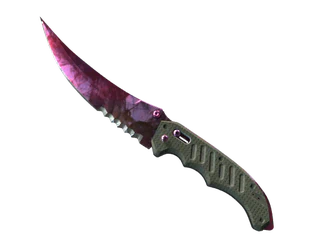
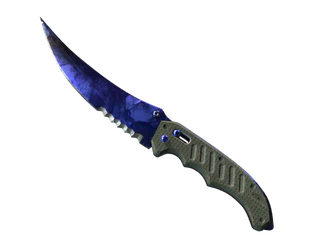
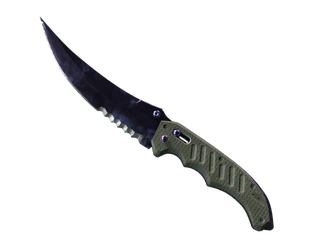
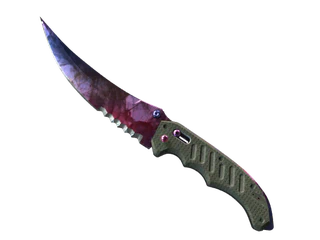
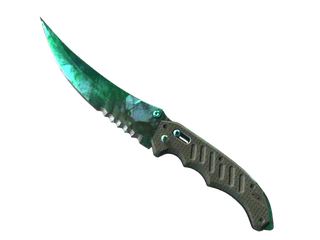
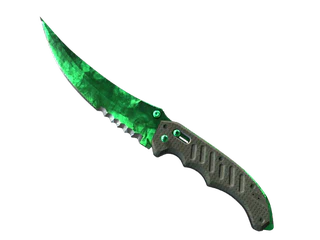
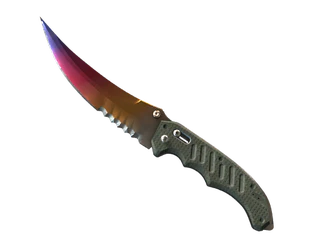
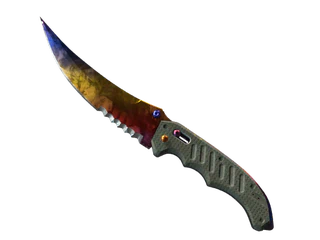
A mid-tier covert knife that lives in the pulse between collectors and regular traders. The market recently ticked up after a long slide, but supply history keeps it from behaving like a rare grail. Clean, capped floats and the Patina look are the true movers here.
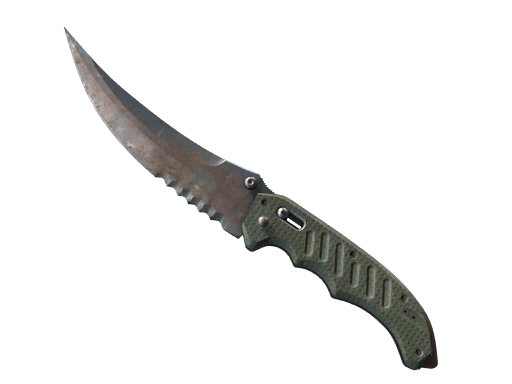
A mid-tier covert knife that lives in the pulse between collectors and regular traders. The market recently ticked up after a long slide, but supply history keeps it from behaving like a rare grail. Clean, capped floats and the Patina look are the true movers here.
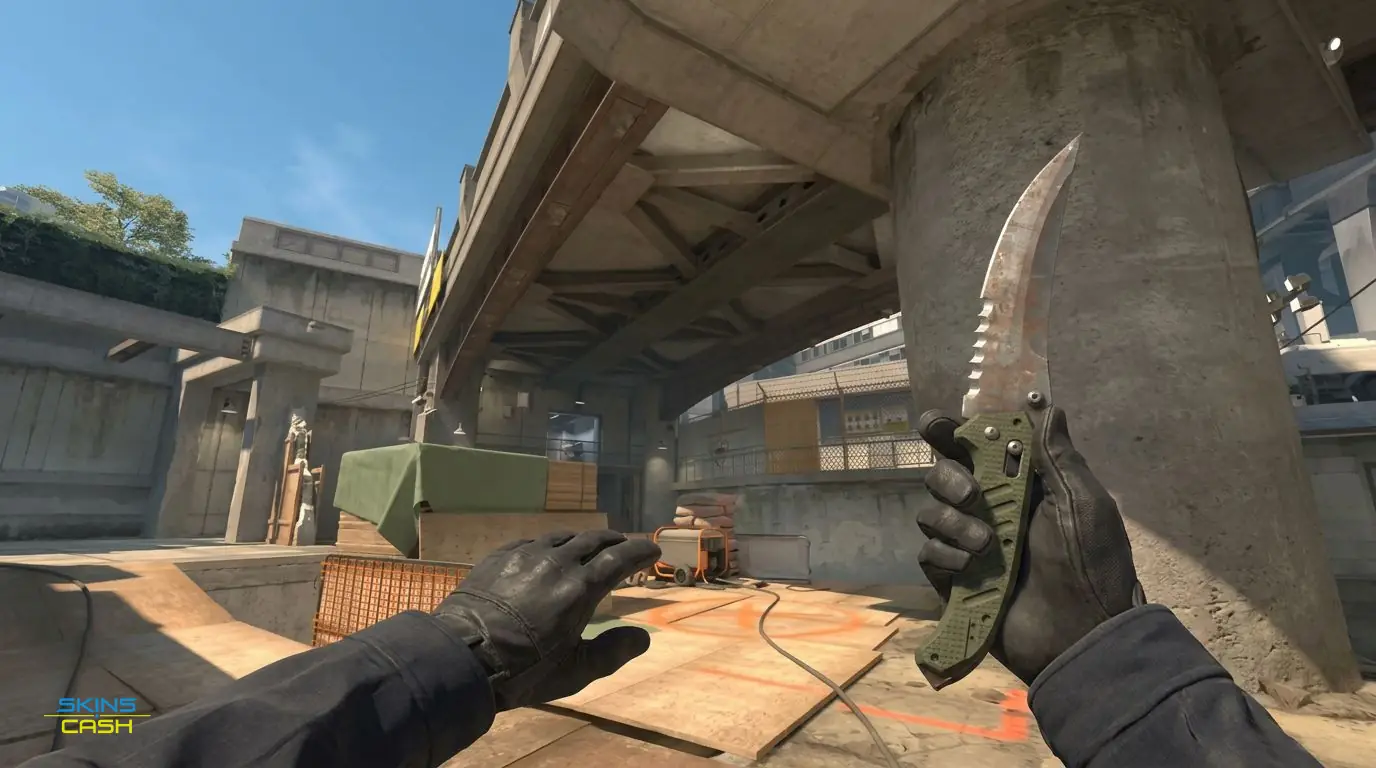

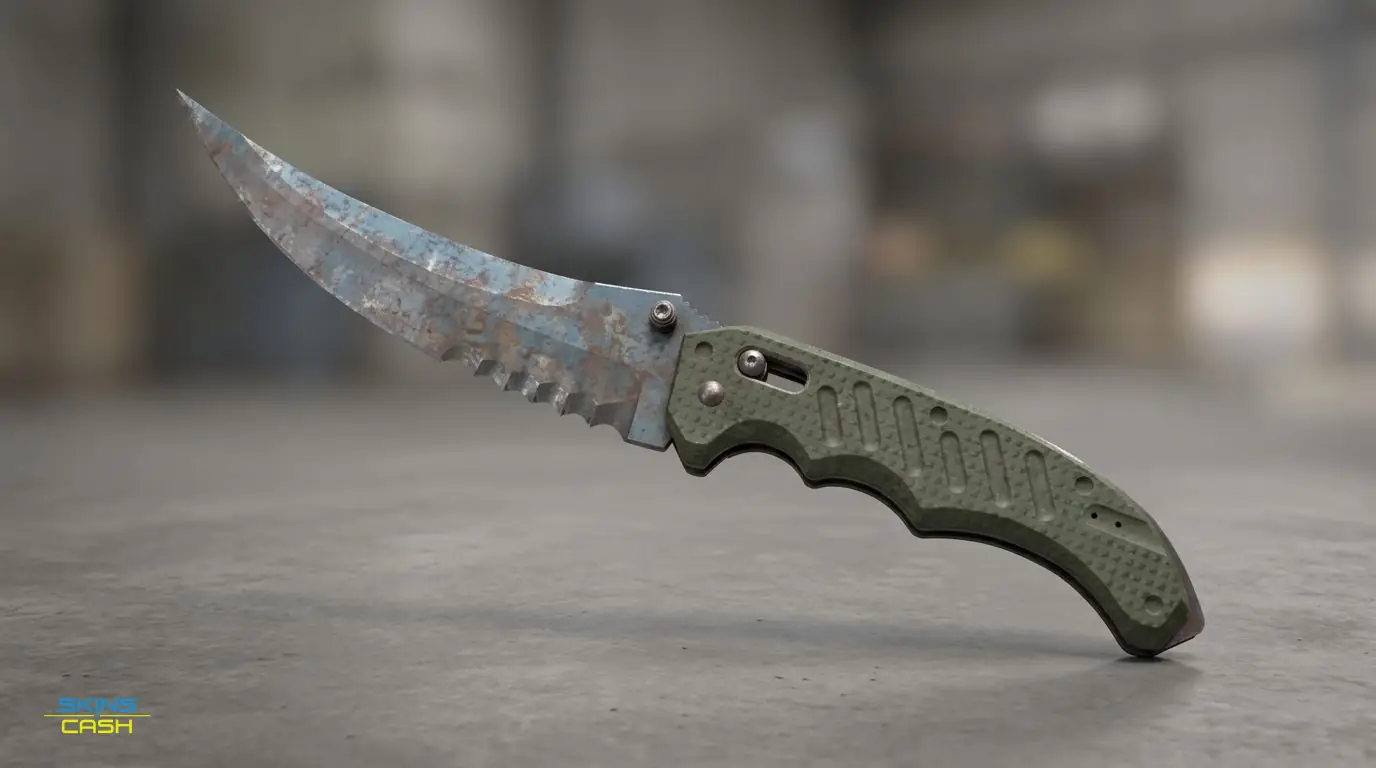
Mid-tier value and mainstream profile define where this knife sits: not budget, not grail, but a knife buyers will trade for play and for resale. That makes it easy to move compared with the rarest blades, yet you should expect buyers who are selective about float and finish rather than impulse purchases.
The payout ladder is front-loaded with the premium concentrated toward the clean end, then it softens into a long, gentler slope across mid and worn ranges. Sellers should price with the clean end as the reference and accept a noticeably thinner uplift as floats move away from that top band.
Expect a visible spread between asking prices and what actually clears into cash; listers push for the clean end often, while buyers anchor lower knowing the historical range. Your net will differ from sticker because of that buyer caution and the knife's recent re-rating after its long decline and short rebound.
Worn copies cluster tightly in payout, so a beaten-up Patina needs to be listed with realistic expectations-wear changes little down there. That compression keeps lower-wear sellers from having to haggle over tiny differences; they trade on cleanliness, not marginal scuffs.
Float caps keep the worst copies cleaner than typical blades, which lifts the apparent floor and squeezes the absolute bottom out of play. The effect is a shallower tail at the worst end, so you won't see the deep, jagged discounts that full-range finishes produce.
There is no pattern noise to fight here; seed variability does not alter value, so pricing is float-first and pattern-irrelevant. That simplifies listings: call out float and StatTrak status, and leave seed talk off the table.
StatTrak variants trade on a parallel curve and attract a different buyer subset, with steady interest but a distinct clearance pace. For sellers the ST line behaves predictably: buyers tolerate wider spreads but still chase cleaner floats more aggressively than they do in non-ST copies.
Its origin in the Chroma Case keeps supply steady but not flooded, which supports a reasonable baseline; this is not a case-exclusive rarity that disappears. That steady inflow is part of why the knife sits at a mid price tier rather than spiking into grail territory.
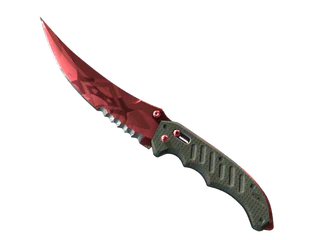
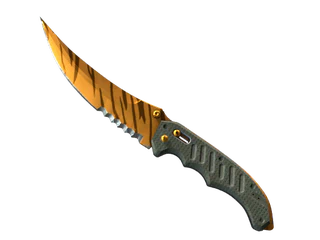
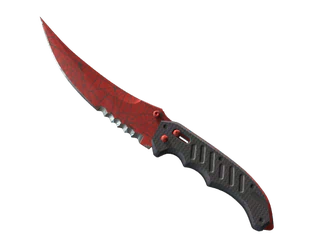
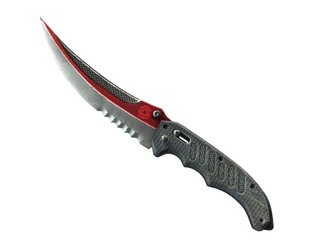
The Patina finish reads as a subdued, gray blade with weathered edges that plays well on most player models and maps; Valve's design keeps it understated but unmistakable. That neutral palette makes it an easy fit for buyers who want a collectible without loud colors or gimmicks.
Wide historical swings meet a recent sharp uptick, so the short-term is jumpy while the longer cycle looks beaten-down. Traders wanting a clean exit should watch the momentum window rather than rely on long-term stability.
Buyers should focus on float bands where the ladder rewards cleanliness and avoid the compressed worn band unless flipping for volume. Entry discipline means waiting for asks that respect the knife's capped range and the recent trend action.
Among players and traders this knife lands as respected but not cultishly coveted; it's practical desire rather than collector obsession. That standing gives it steady demand from users and a predictable resale profile for sellers willing to trade clean copies carefully.