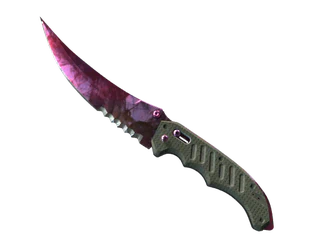
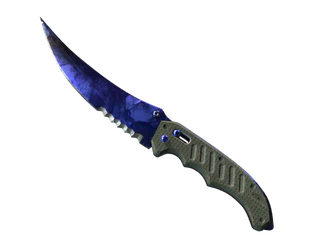
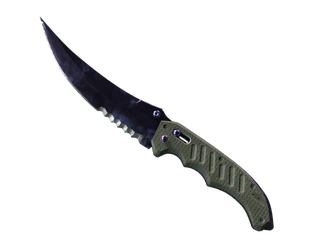
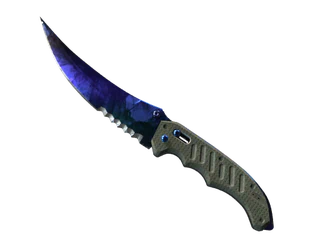
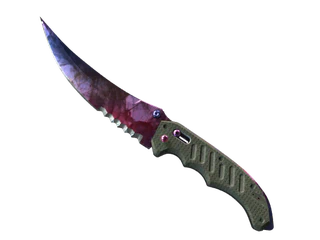
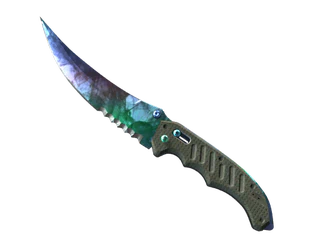
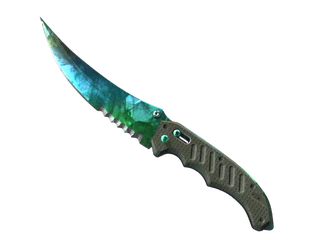
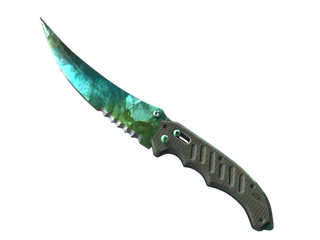
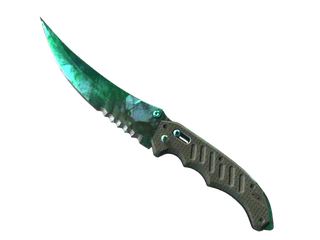
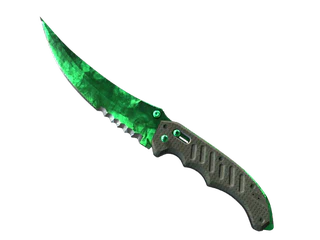
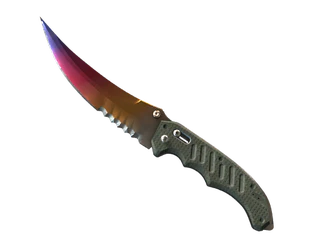
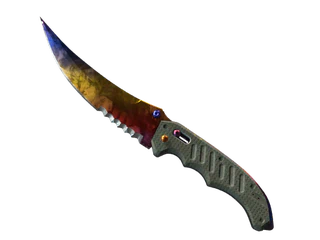
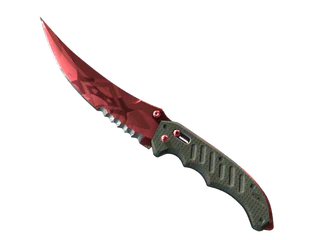
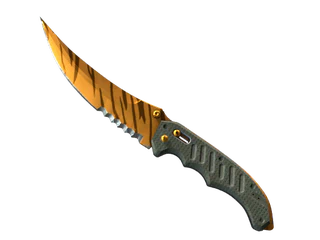
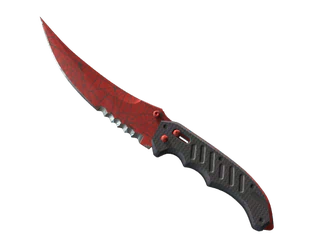
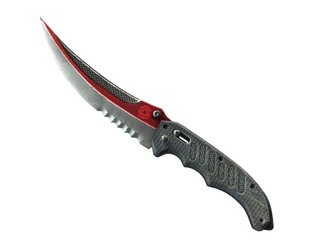
Mid-tier demand with a clear wear story: the Flip Knife | Blue Steel sits in the middle market and moves when the floats are right. Clean, well-patinated copies and StatTrak examples get the attention; dull, worn pieces hang longer, so float discipline matters if you want to cash out efficiently.
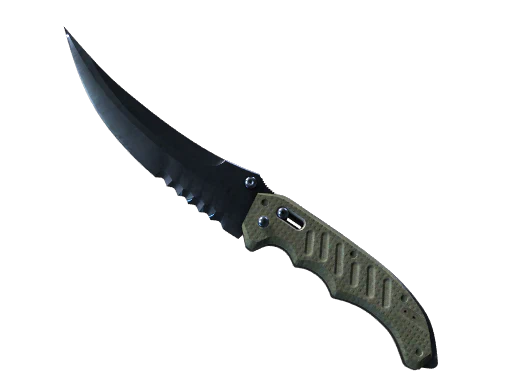
Mid-tier demand with a clear wear story: the Flip Knife | Blue Steel sits in the middle market and moves when the floats are right. Clean, well-patinated copies and StatTrak examples get the attention; dull, worn pieces hang longer, so float discipline matters if you want to cash out efficiently.
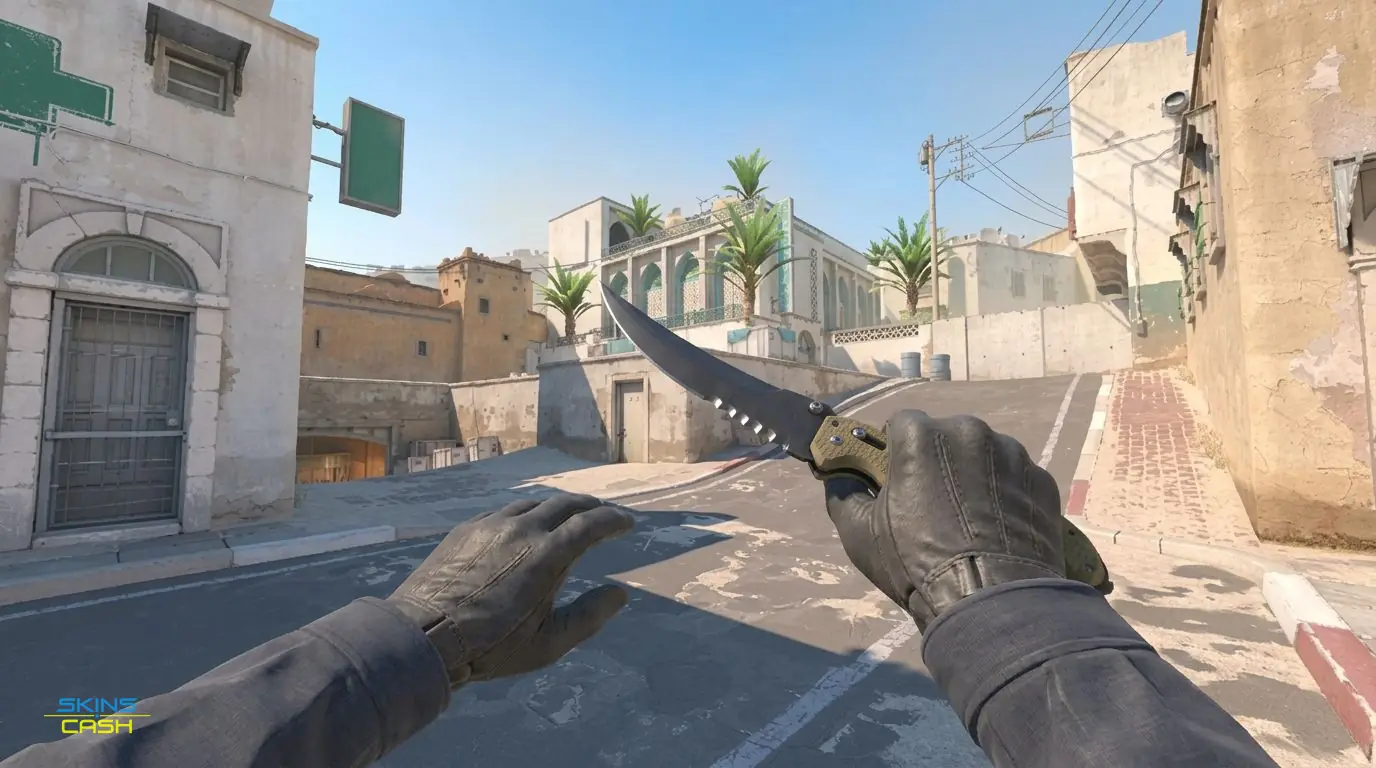
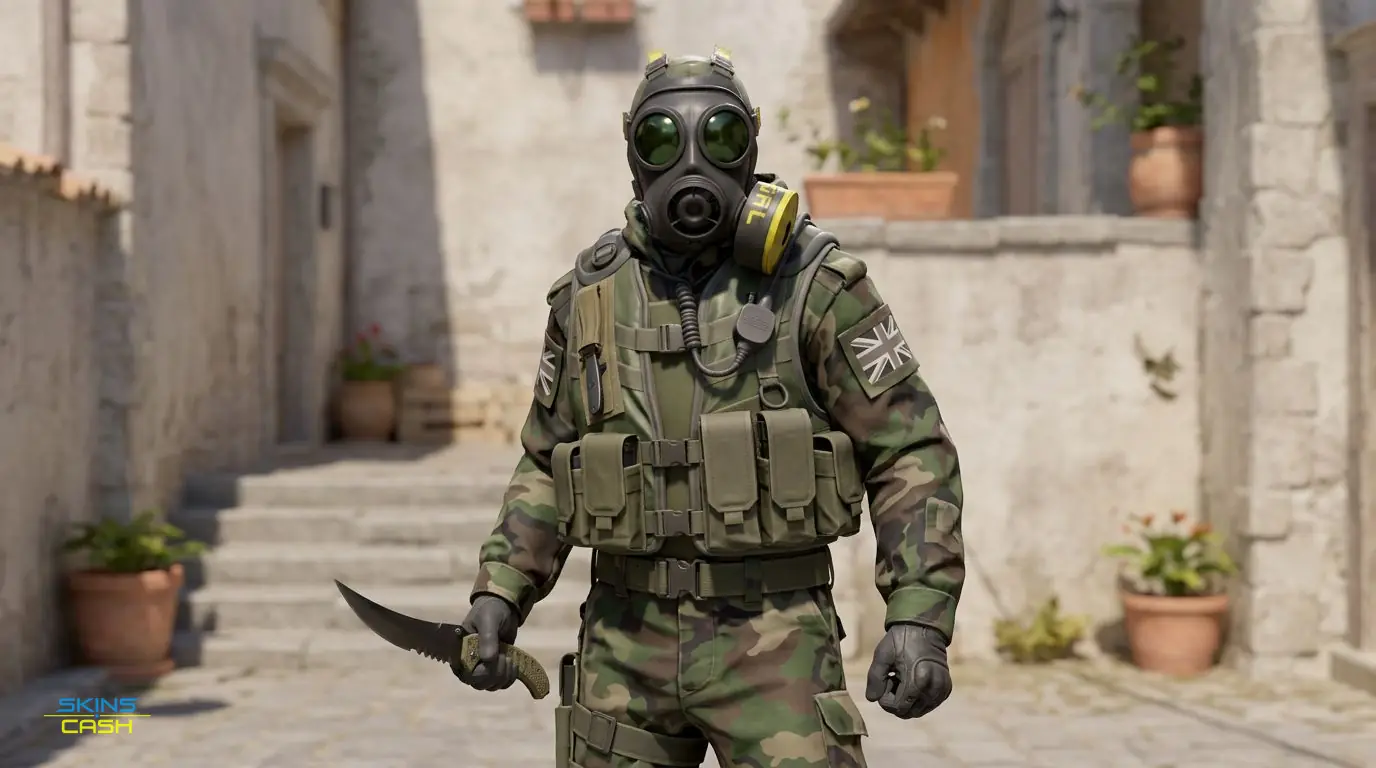
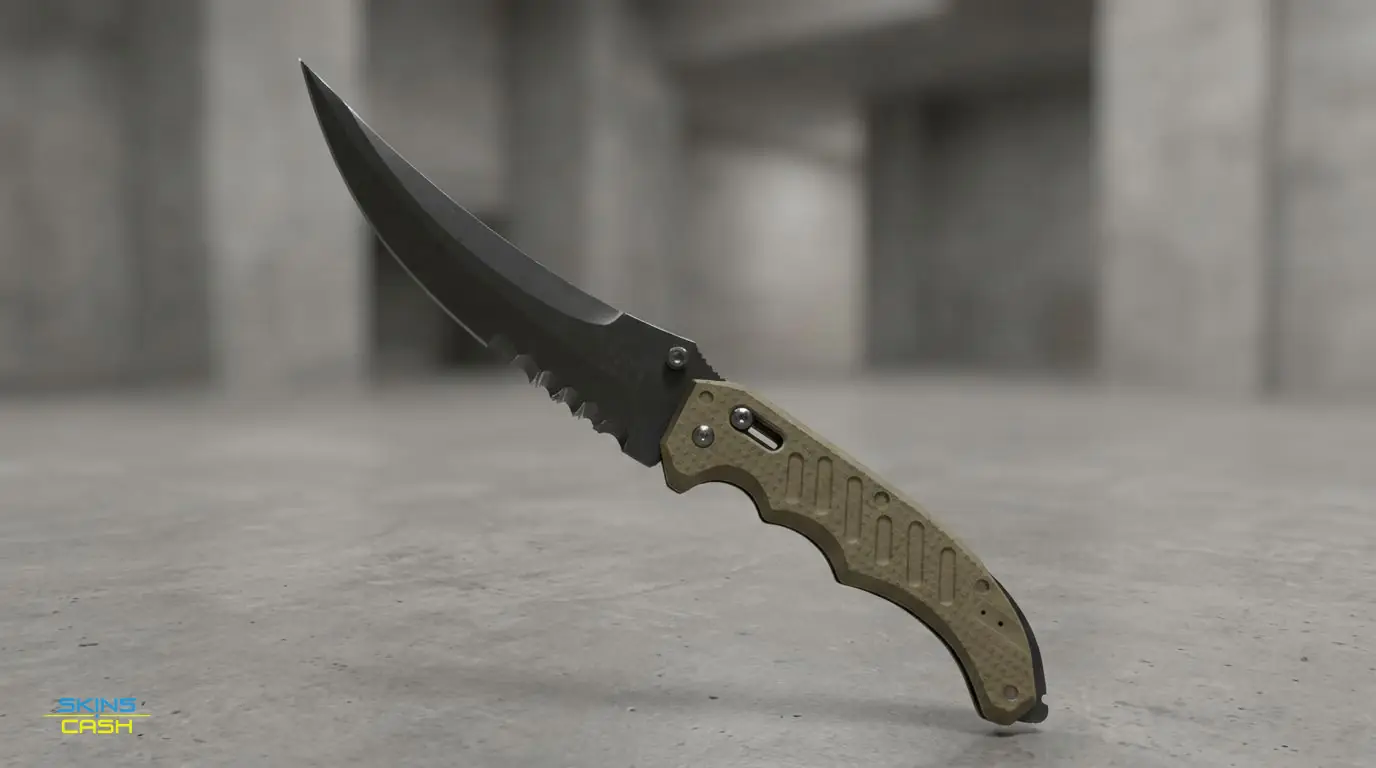
This is a mid-tier covert knife that plays in the mainstream pocket of collectors and players. Expect steady interest from users who want a classic patina finish without chasing grail-level premiums; sellers can move stock without the long wait that top-tier grails require.
The ladder has a full-range profile with value concentrated toward the cleaner end but not all the way exclusive; you see a steady slide across wears rather than a single cliff. Clean and very clean floats command a visible uplift, while the lower end compresses into a narrow band.
Listings show ambitions; actual cashout is slimmer because buyers factor in fees, take rates, and the mid-market discount for quicker deals. You will notice the sticker and the net cash diverge most on the cleaner copies where buyers bid cautiously against market volatility.
Most bang for buck sits around the mid-to-clean segment where the patina still reads well without paying the premium for almost-pristine metal. Beyond that point the payout curve flattens and paying up for the very clean examples stops making sense unless you're targeting a specific collector premium.
This skin spans the full range of wear, so float selection changes the identity of the piece from visibly worn to near-pristine. That spread means a seller must pick copies deliberately; two knives with the same sticker can behave very differently on the market depending on float.
StatTrak exists and behaves like its own micro-market with buyers who pay for the counter and clean presentation. The premium is consistent and traceable; clean ST copies trade far more quickly than their non-ST peers.
There are no pattern-driven premiums here, so seed noise is irrelevant; price moves on float and StatTrak status alone. That simplifies pricing: check wear and variant, and ignore pattern hunting.
This knife drops from the CS:GO Weapon Case, a mainstream container that keeps supply steady but not overwhelming. Origin from that case means regular circulation among players rather than rare-case scarcity.
Blue Steel is a restrained gray-steel patina that reads subtle on-screen; the gray palette and patina finish make the blade versatile in most lighting. It sells on cleanliness and tone, not loud color or flash.
Short-term trading has been flat, with little directional push in the last window. The larger one-year picture shows a re-rating down, so expect the present to be calm unless external catalysts appear.
The usual errors are treating all flips as equal and ignoring float discipline, or mis-tagging StatTrak status when listing. Verify float and variant before you price; a sticker price without those checks is often optimistic.
Players and collectors respect the Blue Steel patina as a solid, wearable option that feels classic rather than trendy. That steady sentiment supports regular demand without making it a speculative favorite.