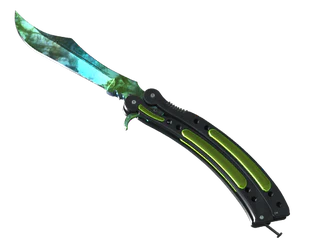
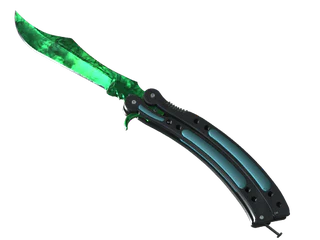
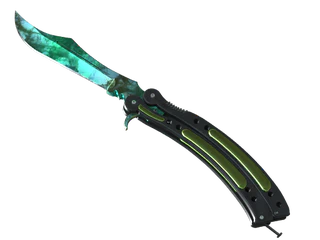
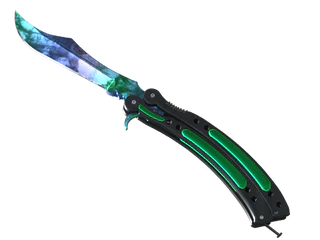
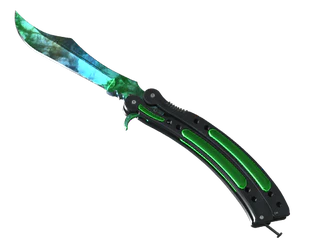
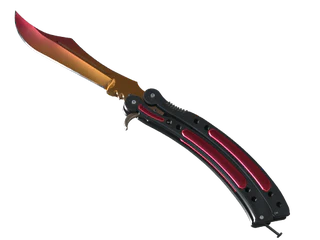
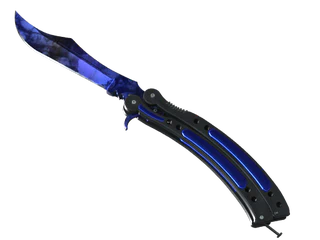
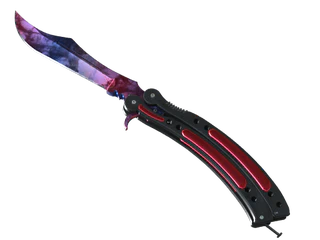
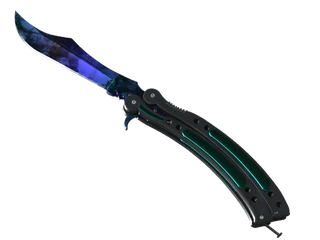
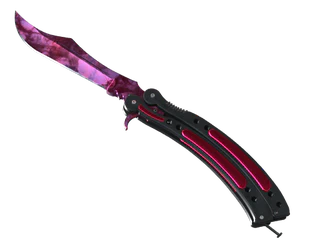
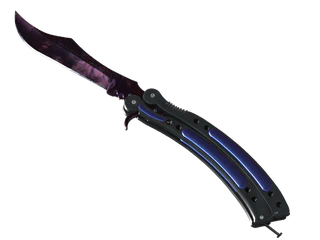
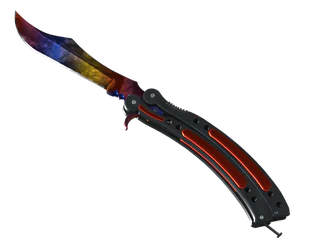
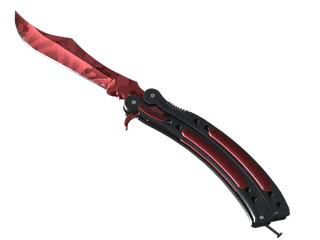
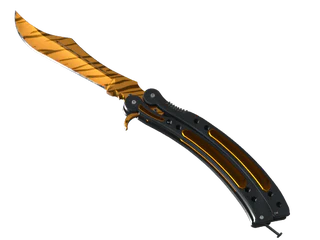
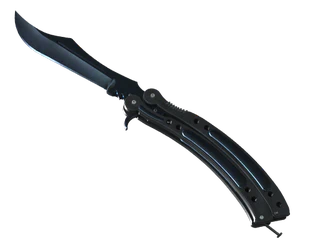
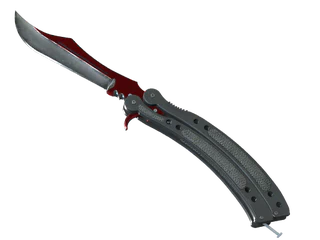
This Butterfly Knife | Ultraviolet sits at the premium end of its market and moves with a narrow group of committed buyers. The floor is firm and the best money lives at the clean end of the capped float range, so sellers need to pick their wear carefully before cashing out.
This Butterfly Knife | Ultraviolet sits at the premium end of its market and moves with a narrow group of committed buyers. The floor is firm and the best money lives at the clean end of the capped float range, so sellers need to pick their wear carefully before cashing out.
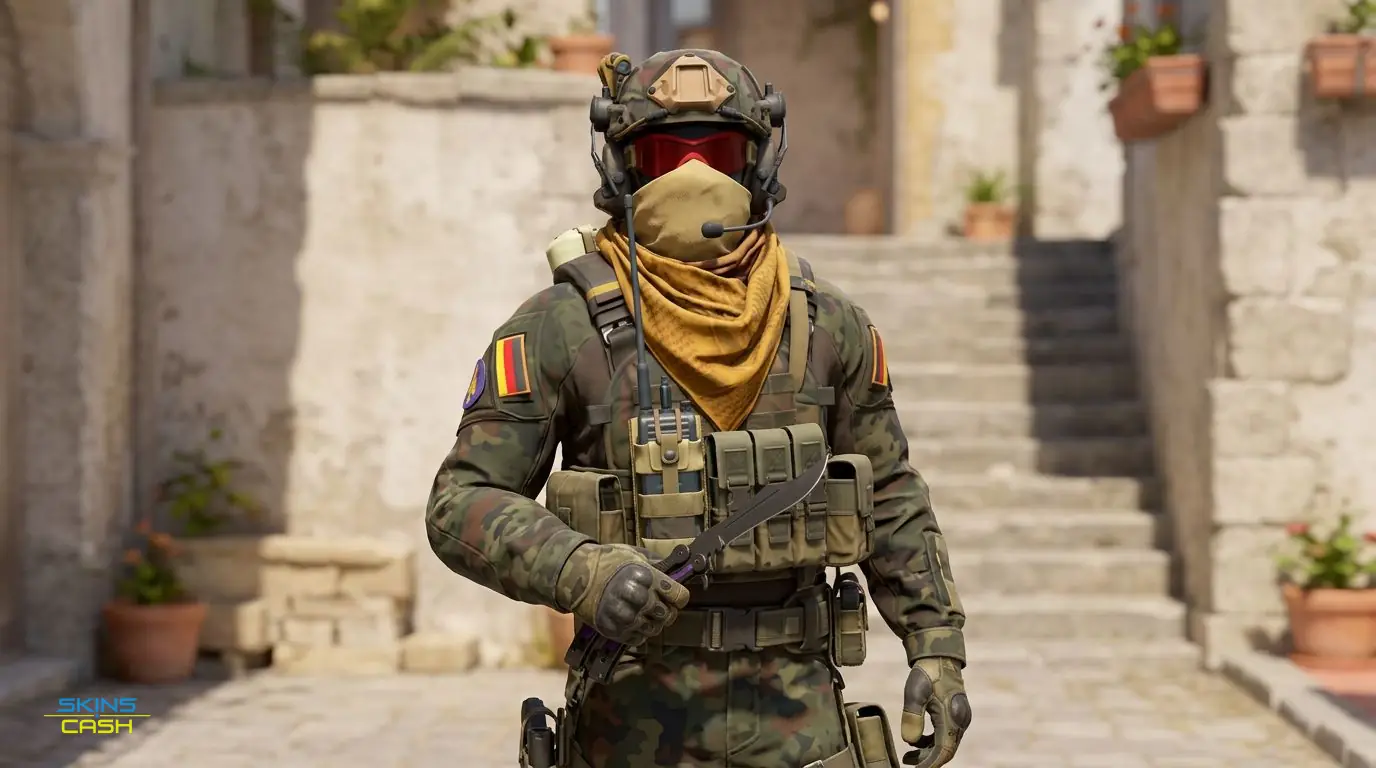
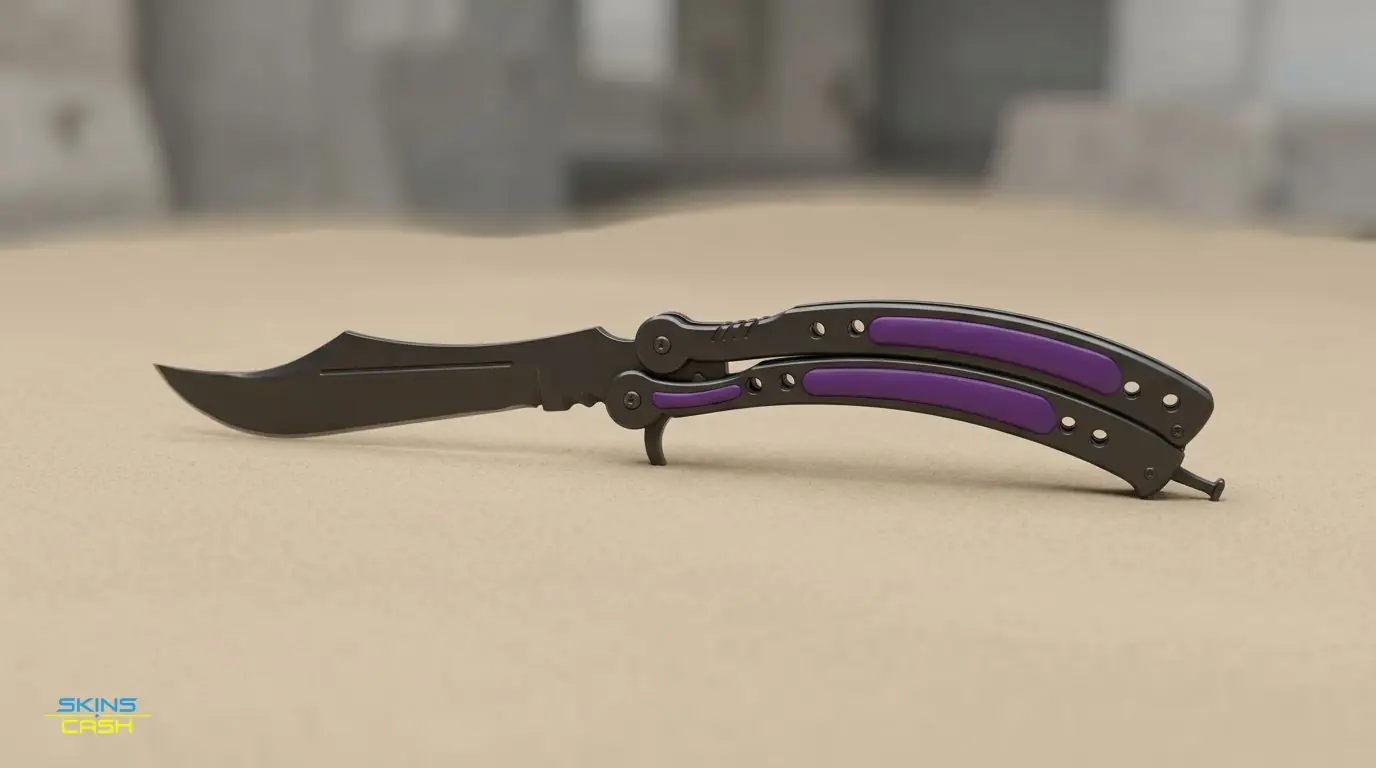
This is a premium covert knife that behaves like a high-value collector piece rather than a mass-market case drop. Strong floor strength cushions the bottom, but demand concentrates among buyers who chase clean, presentation-ready copies and the StatTrak variant draws a separate subset of attention.
The ladder is front-loaded with a clear climb toward the clean end and a stepped descent through lower tiers; payouts tighten near the top and thin out as wear worsens. Because float is capped, the curve has less tail and the premium compresses into the upper segment of the range.
Expect a meaningful gap between what listings display and what a seller actually nets: buyers are choosy here, and active asks often sit above where trade-ready offers clear. That spread widens when clean floats or StatTrak copies appear, so list with the exit price in mind rather than the sticker.
Mid-to-clean non-StatTrak copies give the most skin-for-money when you want playability without overpaying for the absolute cleanest. The payout stops rewarding a cleaner float once you cross into the very top presentation band, where buyers are rare and selective.
Ultraviolet's finish doesn't run the full float spectrum, so the "worst" copies still look cleaner than typical worn knives and the low end holds up better visually. That compression changes where value drops off: the bottom of the ladder feels firmer because wear can't devolve into an extreme finish.
There is no pattern index premium here, so price moves strictly with float and market demand rather than seed quirks. That makes pricing simpler: check float and StatTrak status and ignore pattern talk.
Being a covert knife underwrites a baseline value even on higher-wear copies, which supports a respectable low end for sellers who need quick liquidity. The rarity keeps the market from collapsing into pure commodity pricing during down phases.
This blade comes from the Spectrum Case, and that origin keeps a steady but selective supply pipeline into the market. Cases like this feed the market predictably, which is part of why the floor reads as high compared with generic drops.
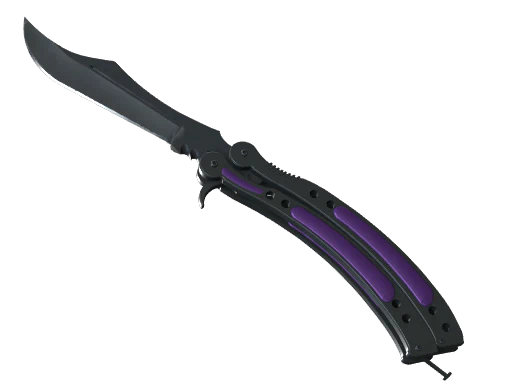
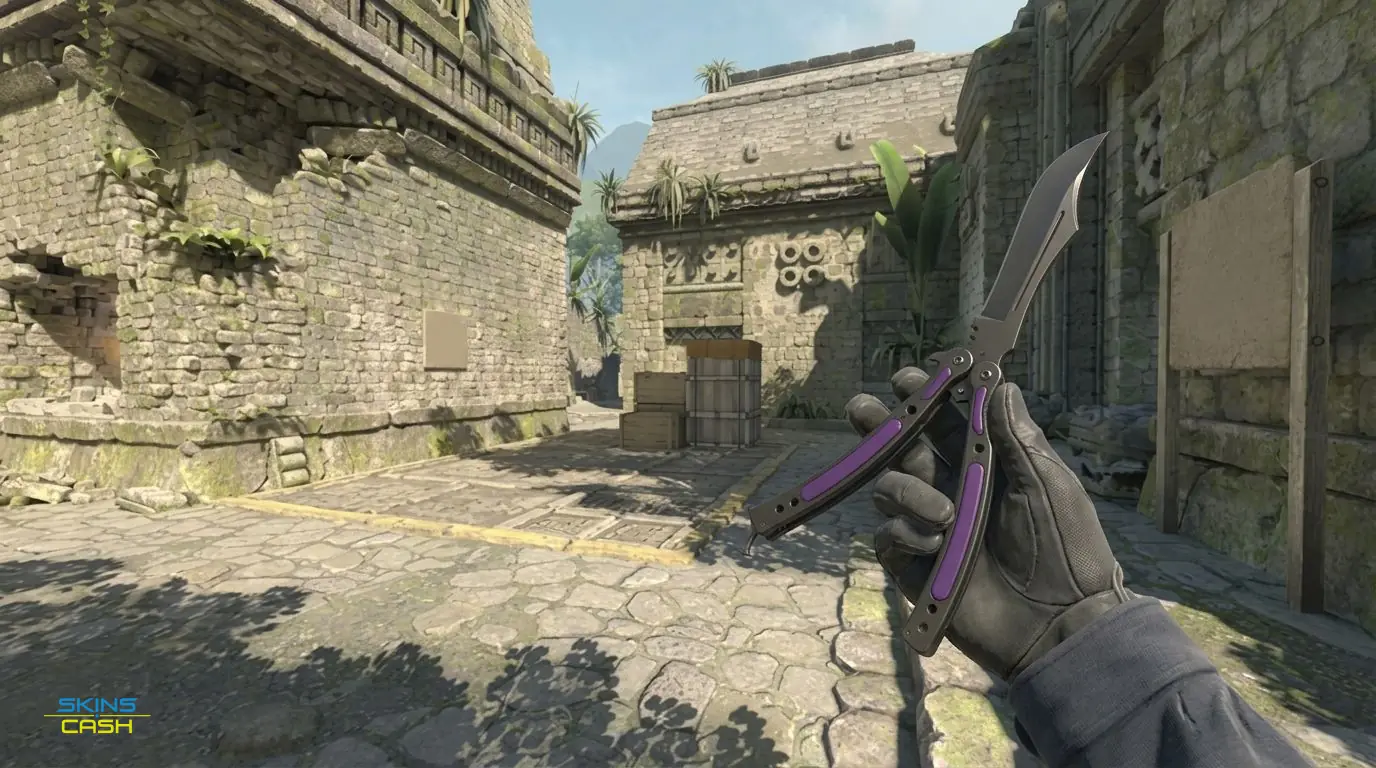
Ultraviolet is pared back: black and gray, solid-color finish, designed by Valve with a subtle, utilitarian look that reads clean in play. The muted palette helps the knife age well on server lighting and keeps it attractive to buyers who prefer restrained skins.
Price action has been moving down hard in both the short window and across the longer term, so liquidity tightens as buyers retreat. That move makes timing important if you want to avoid deeper drawdowns.
Range is massive historically, but the current trend and a high floor make jumps more directional than random; when the market moves, it moves decisively. If you want a safer cashout, wait for a tightening in bids; if you chase a bounce you accept the higher swing risk.
Sell to the spread and prioritize listings that match where buyers actually transact rather than the high ask layer, and differentiate between StatTrak and non-StatTrak in your postings. Patience pays when clean copies appear; if you need speed, price slightly inside the spread but do not undercut the active bids wildly.