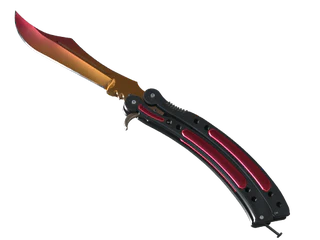
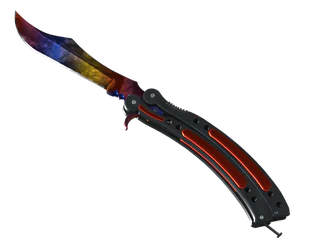
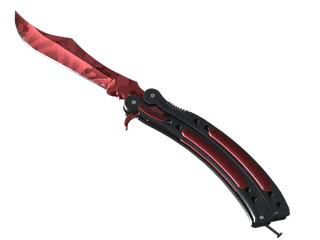
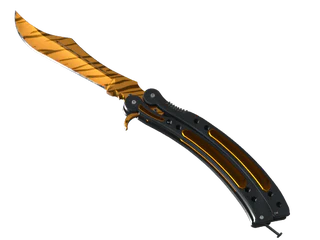
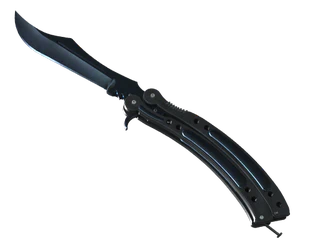
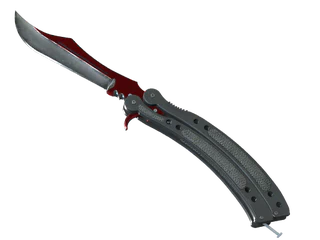
A premium butterfly knife that reads as high-value across listings, with a firm floor even when the finish shows heavier wear. Clean faces still command a decent uplift, but the market has been drifting down over the long run; plan your exit around float and StatTrak dynamics.
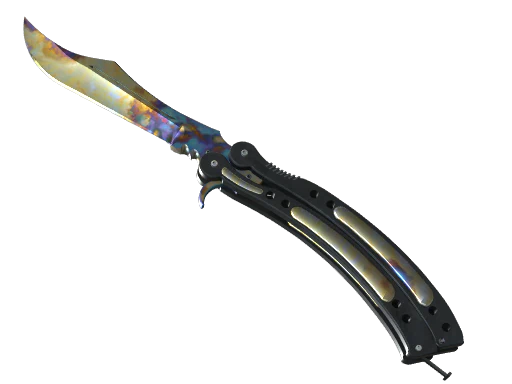
A premium butterfly knife that reads as high-value across listings, with a firm floor even when the finish shows heavier wear. Clean faces still command a decent uplift, but the market has been drifting down over the long run; plan your exit around float and StatTrak dynamics.
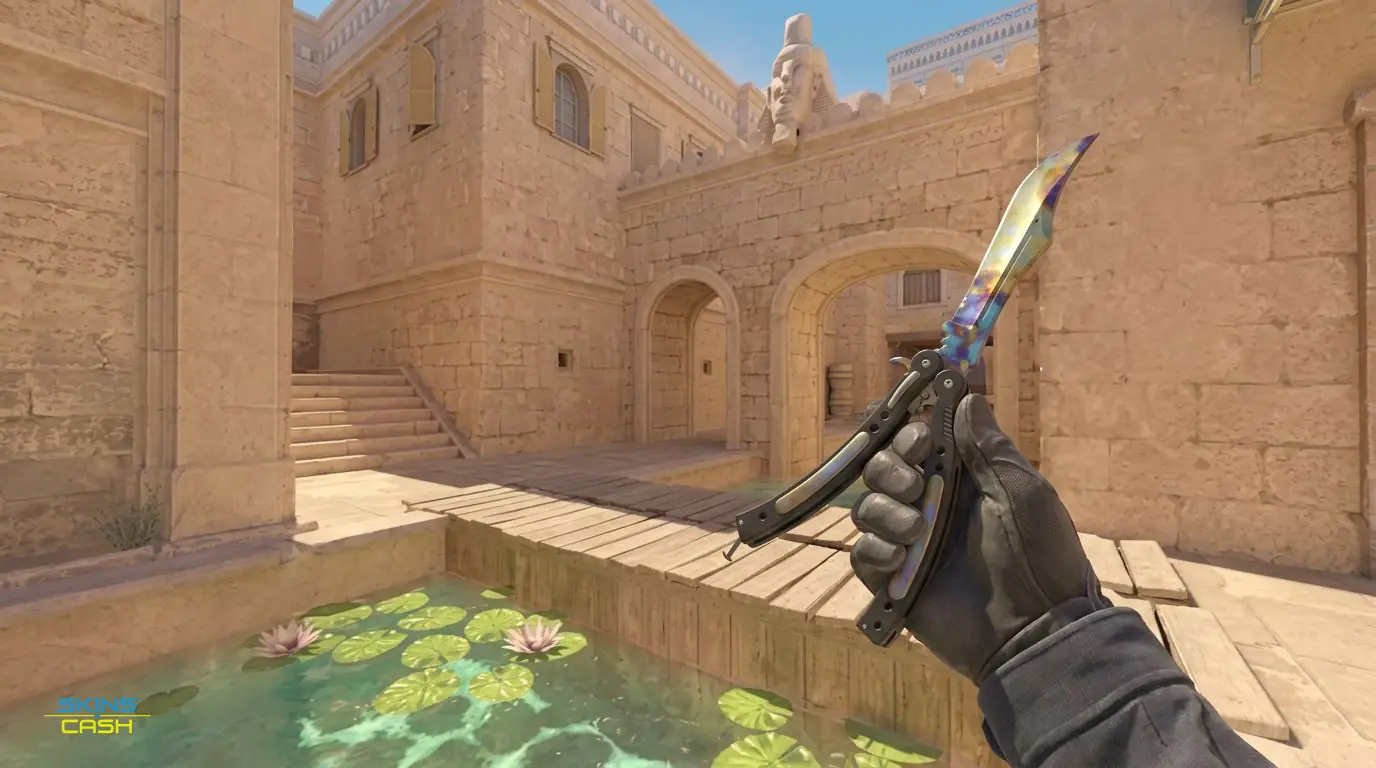

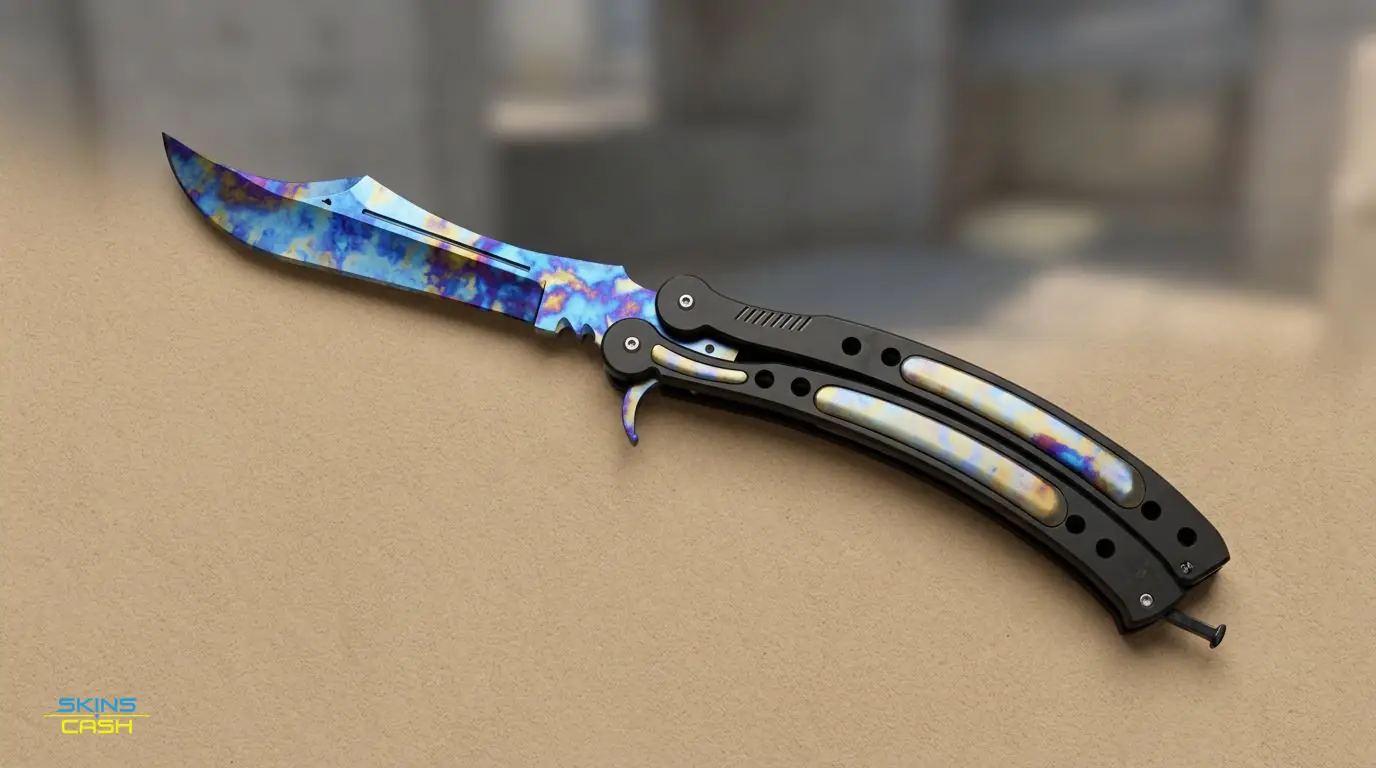
This is a premium, high-value butterfly knife that sits above common knives in demand and pricing. Sellers should treat it like a specialty piece: fewer buyers than budget items, but deeper pockets when the right float and variant align. Expect listing cadence to be deliberate rather than rapid.
The ladder is classic full-range: value concentrates toward the clean end but the drop isn't a single cliff - it has a steep first step then a longer taper. The cleanest faces enjoy a clear uplift, while mid and lower wears slide along a gentler slope. For sellers that means targeting the top rung if you want noticeable pickup.
The lower wears sit tightly packed so worn copies trade in a narrow band; small float differences down there rarely move the market. If you're holding a worn patina face, the premium available from relisting is limited compared with chasing a clean. Treat worn examples as steady stock rather than swing trades.
Mid-float copies often give the most skin-for-money: noticeably cleaner than the worn cluster but not far enough into the clean premium to burn buyer appetite. The payout stops rewarding additional cleanliness once the blade reaches that top tier, so selling just before that uppermost step usually nets the best efficiency. Position listings to catch buyers who want look without paying grail money.
The Patina finish reacts visually with float: small changes in the blade surface and blueing shift how the pattern reads under light. Buyers will pay for a face that presents solid, uninterrupted case hardening; if the blue is broken or heavily scuffed interest drops. In short, visible face quality matters more than marginal edge wear.
Being a Covert butterfly keeps a firm floor under even the beaten copies, so worn examples don't collapse like common blades. That rarity underpins minimum bids and prevents the bottom from collapsing entirely. Holders of worn pieces have a predictable base to work off.
StatTrak exists and follows its own demand curve, with StatTrak copies generally living above the non-StatTrak line. The market shows an inversion nuance: some StatTrak floats that read visually cleaner can compress that gap, while others keep the usual premium. Sellers need to price StatTrak independently rather than tacking a flat uplift on top.
The Patina finish gives a muted, metallic canvas with cool blue case hardening tones across the blade and warmer steel at the edges. That restrained palette reads well in most in-game lighting and pairs cleanly with darker gloves or backdrops. The Valve designer stamp is a neutral touch that buyers recognize.
It comes from the Operation Breakout Weapon Case, which places supply in a known, established container rather than an active case rotation. That origin means no surprise influx from newer drops; supply behavior follows the old-case dynamic. Sellers should price with that steady background in mind.
Over the longer term the skin has been re-rated down, trending away from prior highs as the market digests supply and demand shifts. The historical range is massive, so past extremes still influence perception but the direction has been clear. If you expect a swing, make it on float and variant selection, not on broad market optimism.
Short-term movement is softer but still sliding; recent activity shows a gentle downward drift rather than sudden shocks. Listings thin at the top while the lower band remains more populated. That makes timing important if you depend on catching a cleaner buyer.
The usual errors are ignoring the StatTrak inversion, misreading a tight lower spread as uniform value, and treating all Patina blades as visually equal. Check the exact float and whether the StatTrak number inverts the expectation before you list. Labeling a mid-clean as 'near perfect' or pricing worn like mid will leave you waiting.