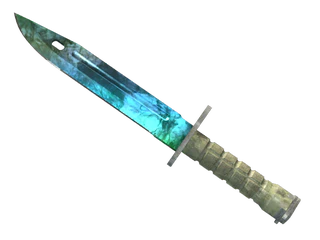
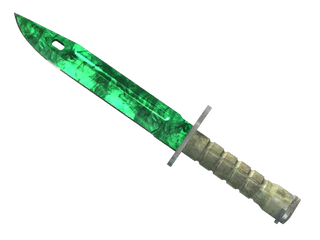
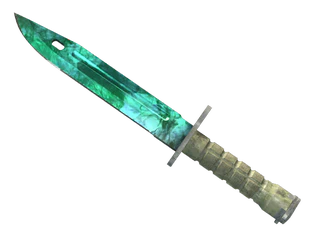
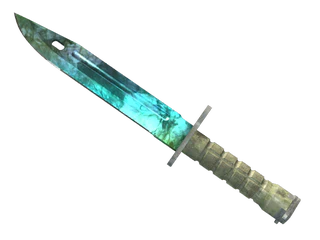
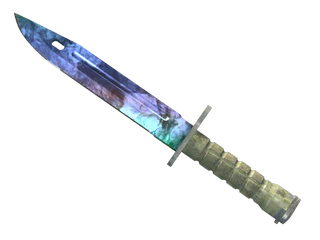
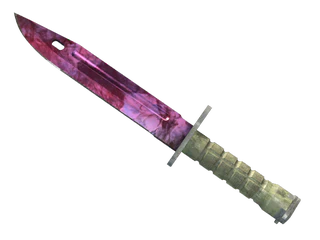
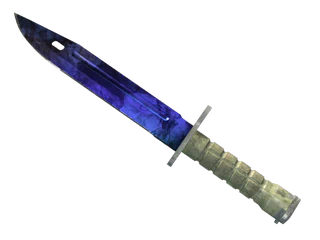
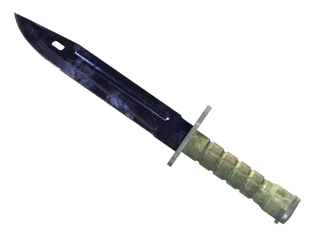
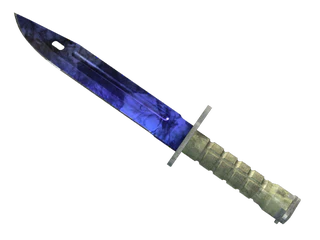
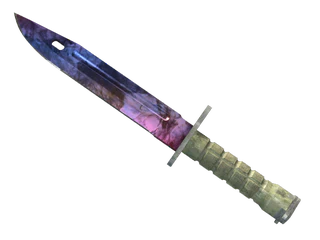
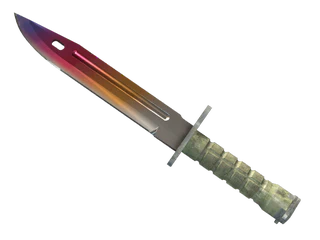
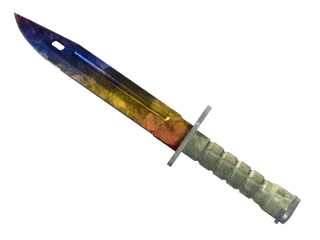
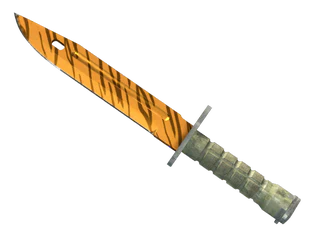
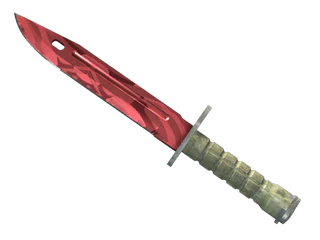
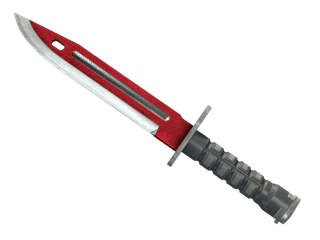
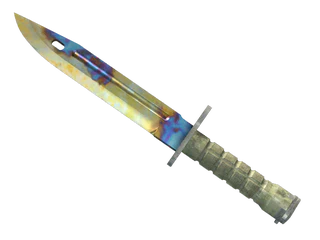
This Bayonet Ultraviolet sits in the premium bracket and trades like a high-value collectible rather than a mass-market blade. Demand is concentrated toward the clean end with a large clean premium, so sellers should watch float and StatTrak status before pulling the trigger.
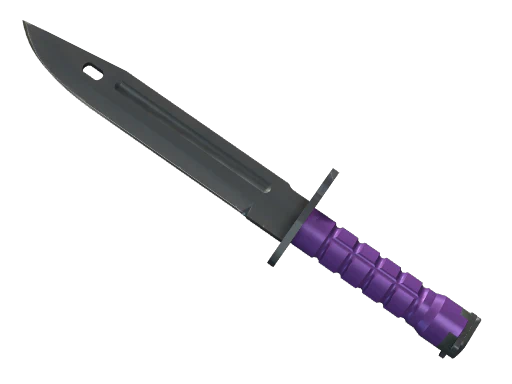
This Bayonet Ultraviolet sits in the premium bracket and trades like a high-value collectible rather than a mass-market blade. Demand is concentrated toward the clean end with a large clean premium, so sellers should watch float and StatTrak status before pulling the trigger.
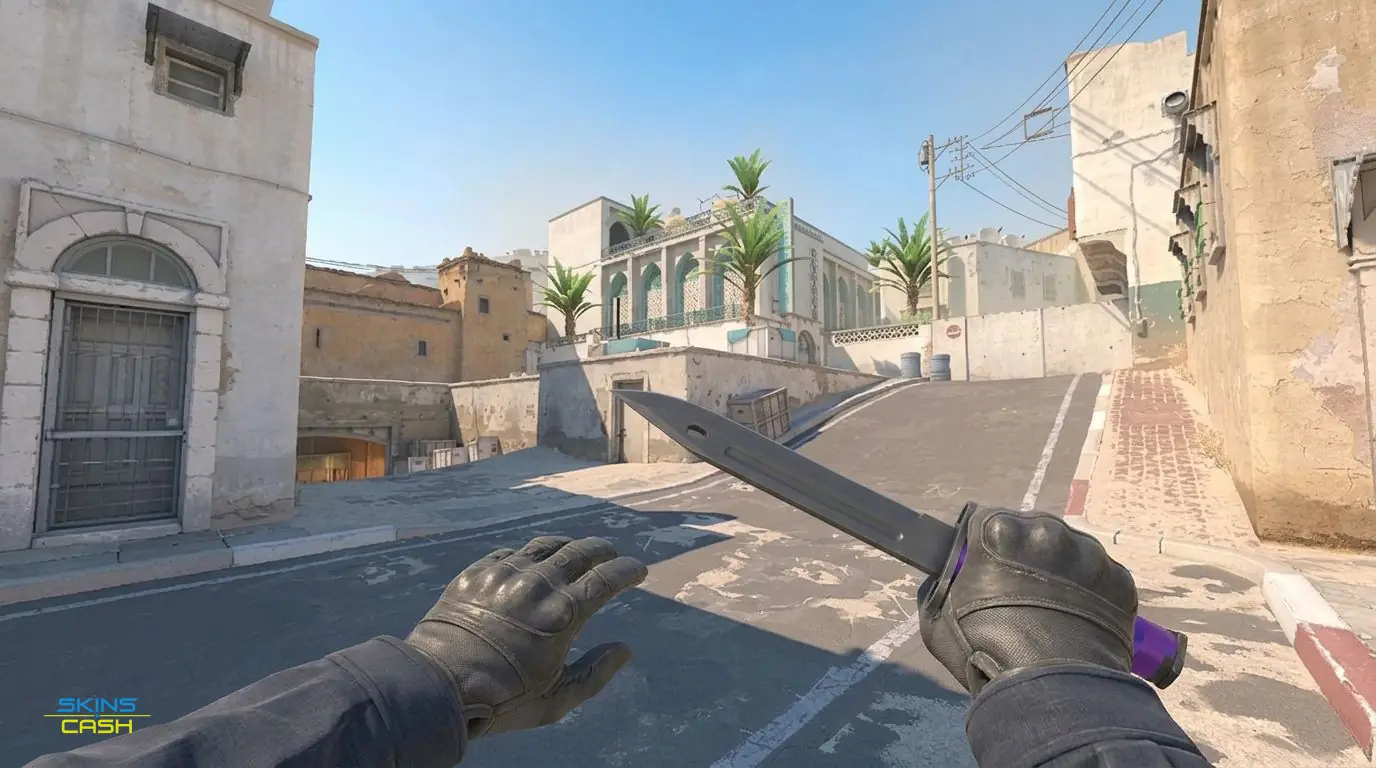
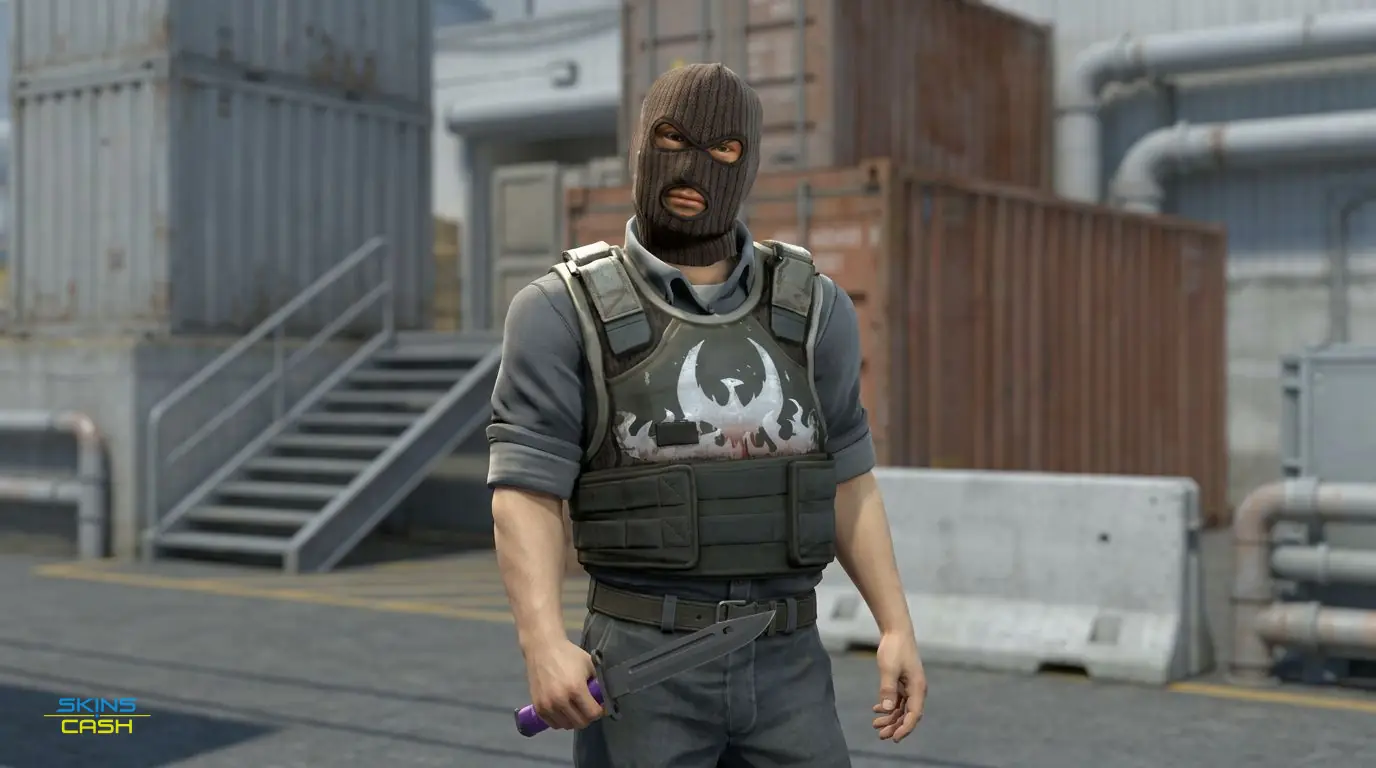
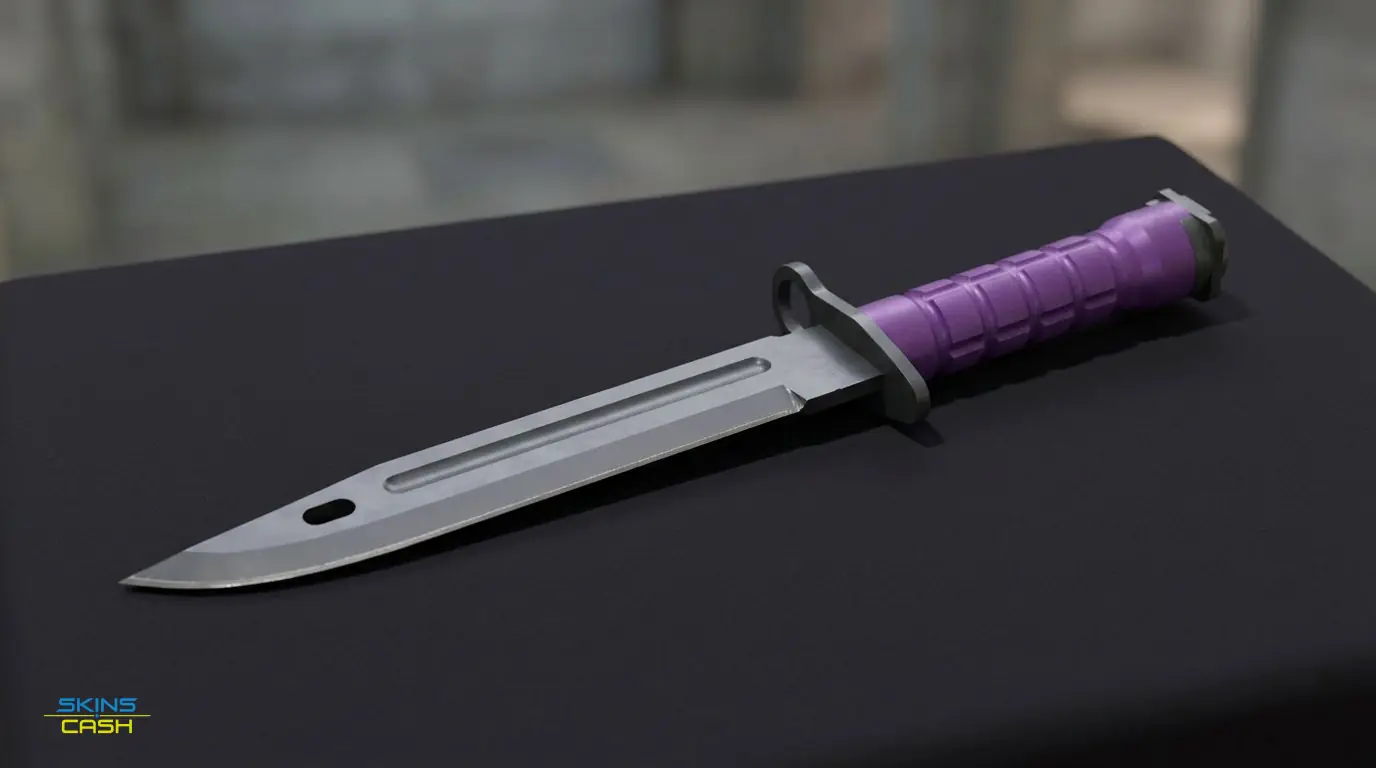
Bayonet Ultraviolet occupies a premium slot among covert knives; it behaves like a high-value play rather than a quick-flip budget item. For a seller that means infrequent but serious buyers and listings that clear more slowly than generic knives, especially when clean or StatTrak copies are involved.
The ladder is capped and top-heavy with a sharp payout toward the clean faces, producing a steep drop from the clean end into the mid wears. That capped float profile compresses the mid and low bands, so most of the spread lives in the clean tier and the StatTrak inversion amplifies that split.
Expect a solid gap between sticker prices and what you actually net: buyers list at premium levels for clean and StatTrak examples while cash offers sit closer to the lower side of that band. Part of the gap comes from the institutional premium and the platform friction around high-value Covert knives.
For skin-for-money, mid wears usually give the most utility per spend before the clean premium swallows value. Sellers find diminishing returns as floats approach the clean band; at that point the payout curve becomes sharply selective about who will pay up.
Ultraviolet's solid-color finish shows wear in a predictable, visible way and buyers pay noticeably more for a clean face. The gray tones and flat finish make small scuffs obvious, so even modest float improvements can change buyer interest materially.
There is no pattern index to fuss over here; pattern noise does not move the price and you price against float and StatTrak alone. That keeps valuations straightforward: clean versus worn and StatTrak status are the levers you trade.
Its covert rarity underpins a respectable floor even on worn copies, so the bottom of the ladder never collapses like a budget knife might. That rarity support is why longer-term sellers can hold through soft patches without the absolute floor evaporating.
The palette is restrained gray with a solid-color finish that reads clean in-game and pairs well with darker loadouts. Valve's designer touch on this Solid Color execution keeps the blade readable at distance and appealing to collectors who prefer subtle over flashy.
This knife drops from the Chroma Case, which places it among a known supply stream rather than a transient event offering. That provenance means supply is stable and largely predictable compared with limited or rotating containers.
The historical band for this blade has been massive, with long swings between the low and top layers of the market. Today it sits somewhere inside that big band, not at an extreme but well within a wide historical spread.
Given the wide historical range and recent downtrend, price action is jumpy at the top and steadier toward the floor; sellers timing a cashout should expect bursts of movement rather than a quiet grind. If you dislike sudden swings, target moments after a lull or when StatTrak listings thin.
The usual errors are pricing by sticker instead of expected cashout, ignoring the capped float profile, or misreading StatTrak inversion and listing a worn StatTrak too high. Check float and StatTrak first, then set a realistic ask against the live offers to avoid listings that sit for weeks.