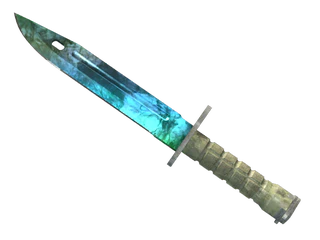
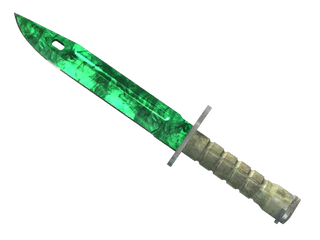
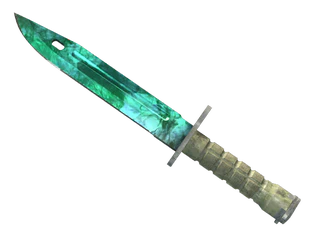
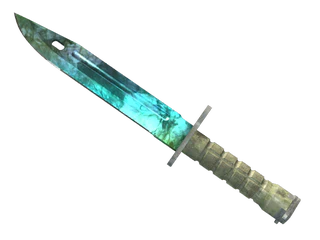
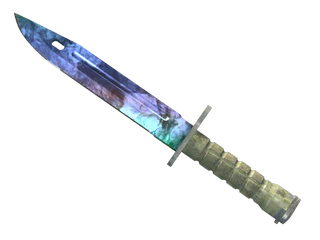
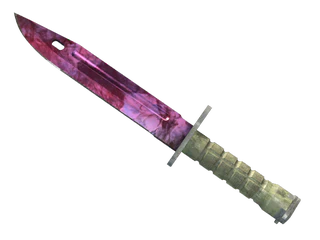
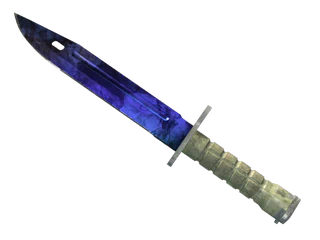
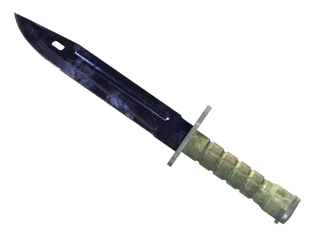
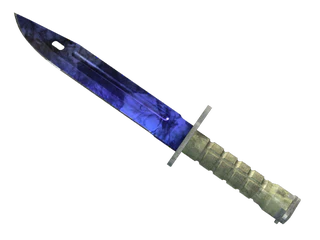
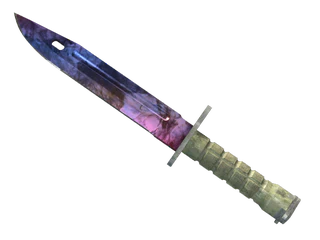
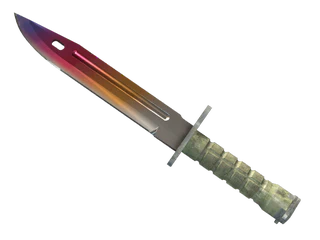
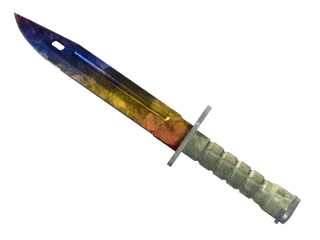
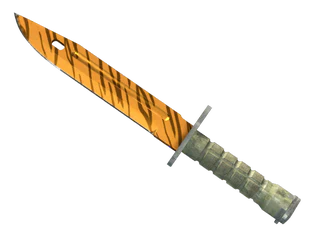
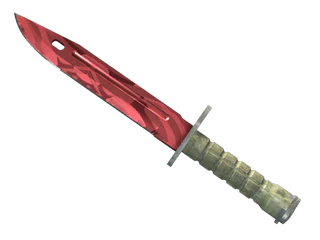
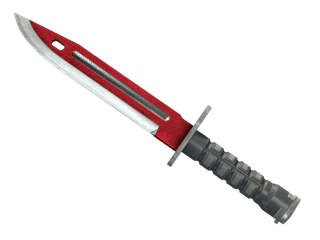
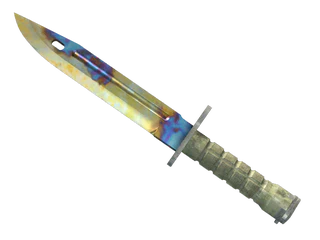
Mid tier bayonet demand concentrates on cleaner copies while most inventory sits across the middle of the ladder. Stained's patina and white highlights make the knife readable in play, and StatTrak flips the curve - know where the clean end lives before you list.
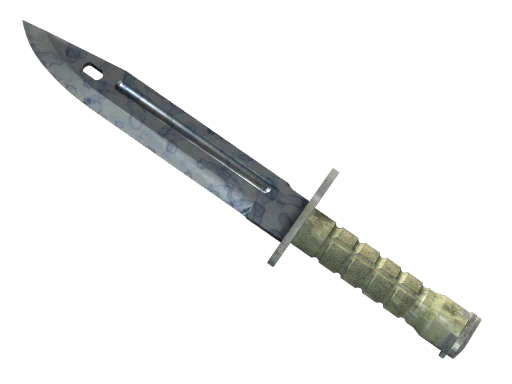
Mid tier bayonet demand concentrates on cleaner copies while most inventory sits across the middle of the ladder. Stained's patina and white highlights make the knife readable in play, and StatTrak flips the curve - know where the clean end lives before you list.
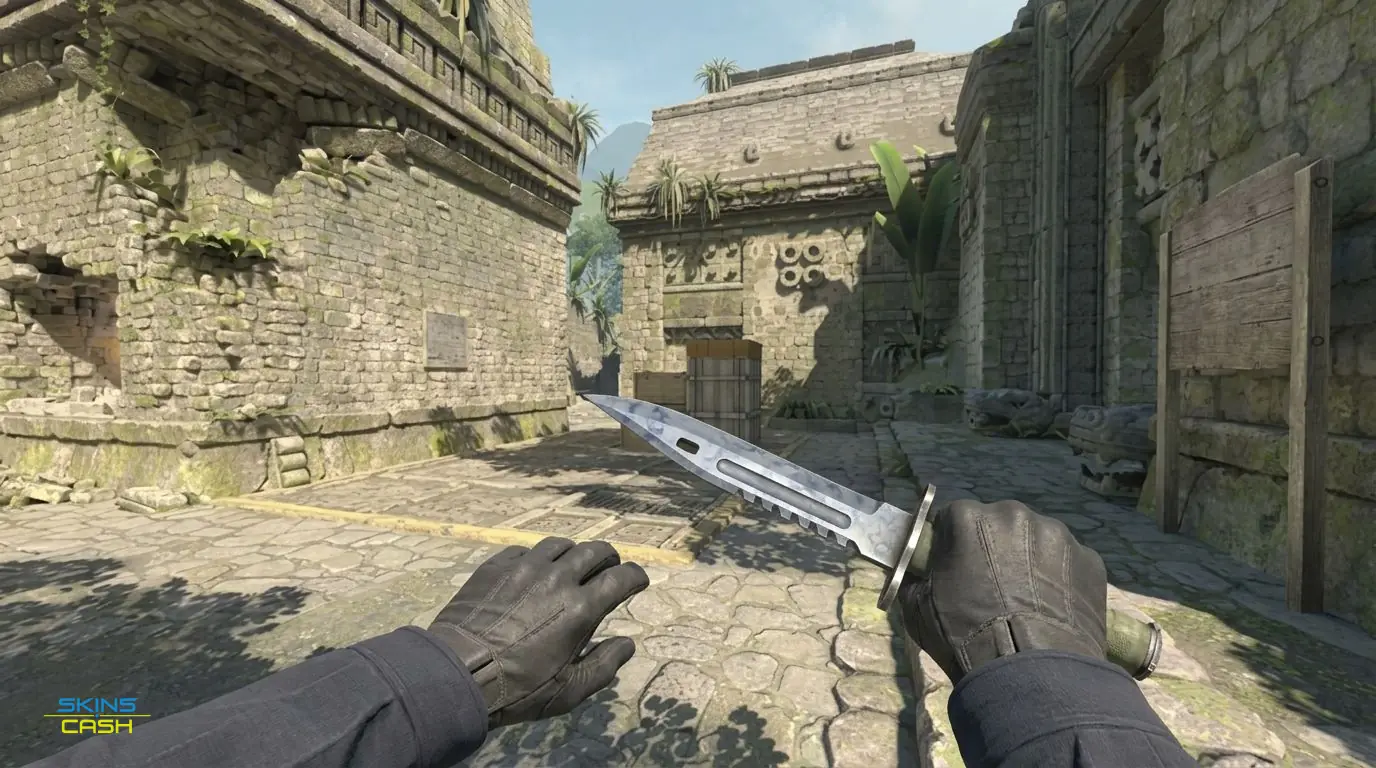
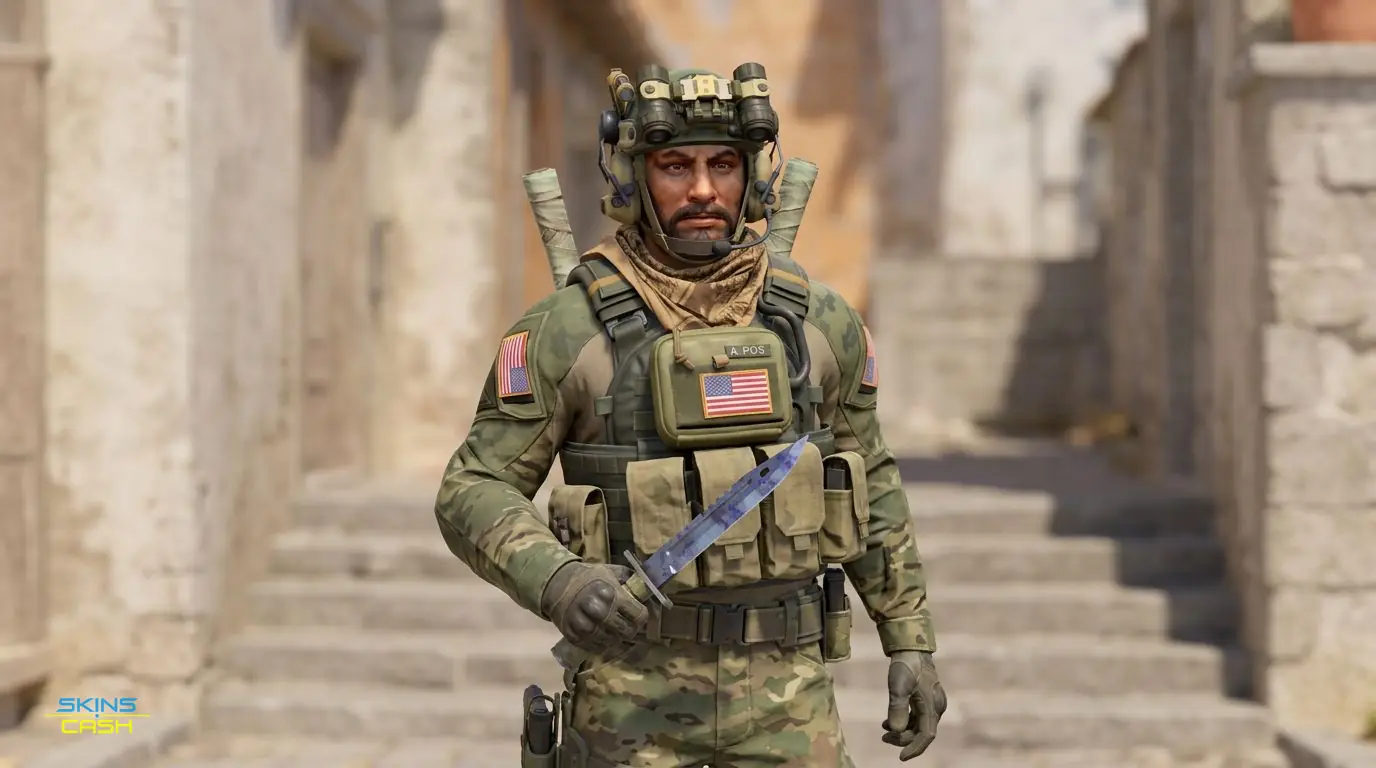
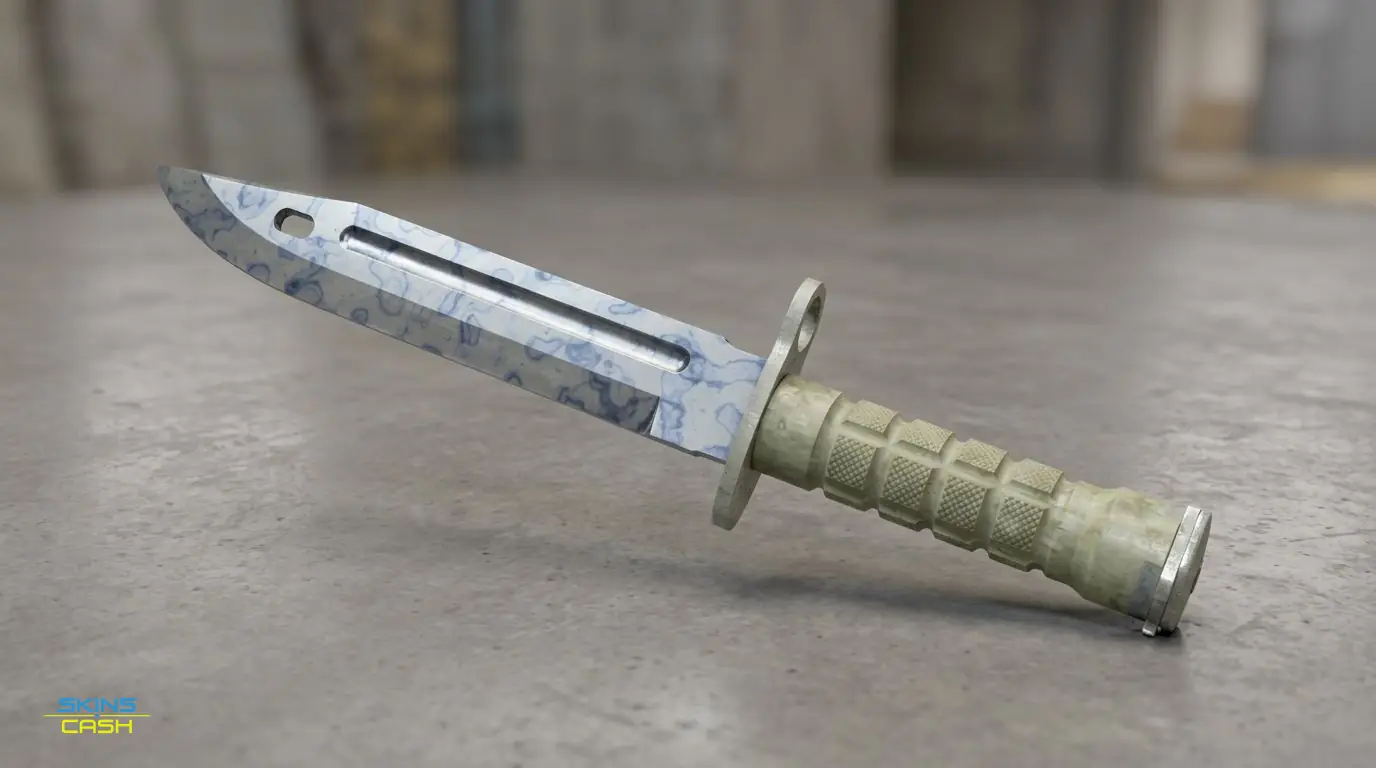
This sits squarely in the mid bracket for rare knives, priced and traded like a mainstream Covert rather than a grail. That means steady buyer interest when the market wakes, but sales are driven by float and condition more than hype; good copies clear faster than dull ones.
The ladder shows a full range profile with a clear clean-end advantage and a steady fall through the mid wears into a compressed lower tier. Expect a noticeable step between the very clean bayonets and the rest, then a gentle, tighter slope across the worn bands.
Ask prices on listings sit above what a quick sale nets, particularly at the clean end where buyers post ambitious tags. Liquidity is mainstream: if you want speed you concede the spread, if you want to chase top money you sit through a wider listing window.
Mid-wear copies tend to give the most skin-for-sell, where visual impact meets forgiving float economics; beyond a certain clean threshold the premium stops making sense for many buyers. For sellers, that middle ground is where turnover happens fastest without sacrificing too much upside.
This bayonet runs the full float span so choosing the right copy matters: a small float difference moves it from everyday to collectible. Sorting by exact float before listing cuts through noise and avoids mispricing across the ladder.
StatTrak exists and flips the demand curve: buyers treat ST as a parallel market with its own appetite for clean copies. The ST gradient mirrors the base ladder but with firmer bids at the high end and fewer impulse buys lower down.
There is no pattern index effect here, so visual quirks from seeds do not factor into price. That simplifies valuation - float and finish are the levers that actually move money for this skin.
This comes from the CS:GO Weapon Case, which keeps supply steady enough to support a mainstream secondary market. Case origin means copies surface regularly, so rare spikes are tied to condition rather than scarcity of the drop source.
White highlights and a patina finish give the blade a worn-metal look that reads clearly in-game and pairs cleanly with darker loadouts. Valve's design keeps it familiar to players who like contrasted knives, which supports steady demand across servers.
Over the last long horizon the skin has bled down from earlier peaks, but recent momentum shows an uptick in the short run. That creates an asymmetric setup: long term pressure with bursts of renewed interest when buyers rotate back to knives.
Buyers should pick entries at the ask band that lines up with float discipline, not headline listings. If you want to flip, target mid-wear asks for the smoothest path to exit; chasing the absolute clean end requires patience and conviction.
ChrisJ is linked to this model and that keeps occasional attention from viewers who notice him using it. Pro visibility doesn't make it a collector grail, but it does create periodic demand bumps when the scene highlights the knife.