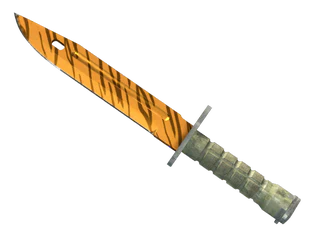
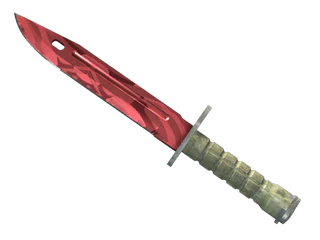
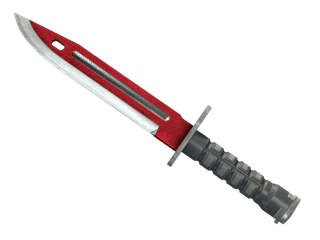
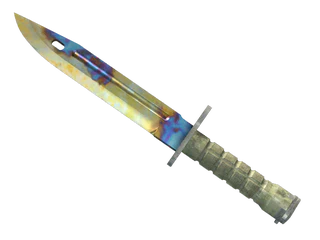
Mid-tier demand with a clear buyer pool: mainstream players and collectors who value a clean, muted blade. Price action is driven by a capped float band and a pronounced premium for StatTrak copies, so you price by where the float sits, not by hoping a rare seed shows up.
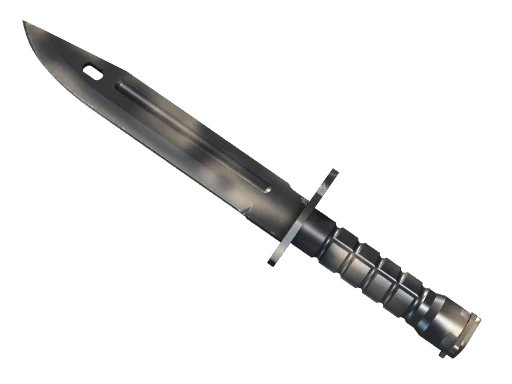
Mid-tier demand with a clear buyer pool: mainstream players and collectors who value a clean, muted blade. Price action is driven by a capped float band and a pronounced premium for StatTrak copies, so you price by where the float sits, not by hoping a rare seed shows up.
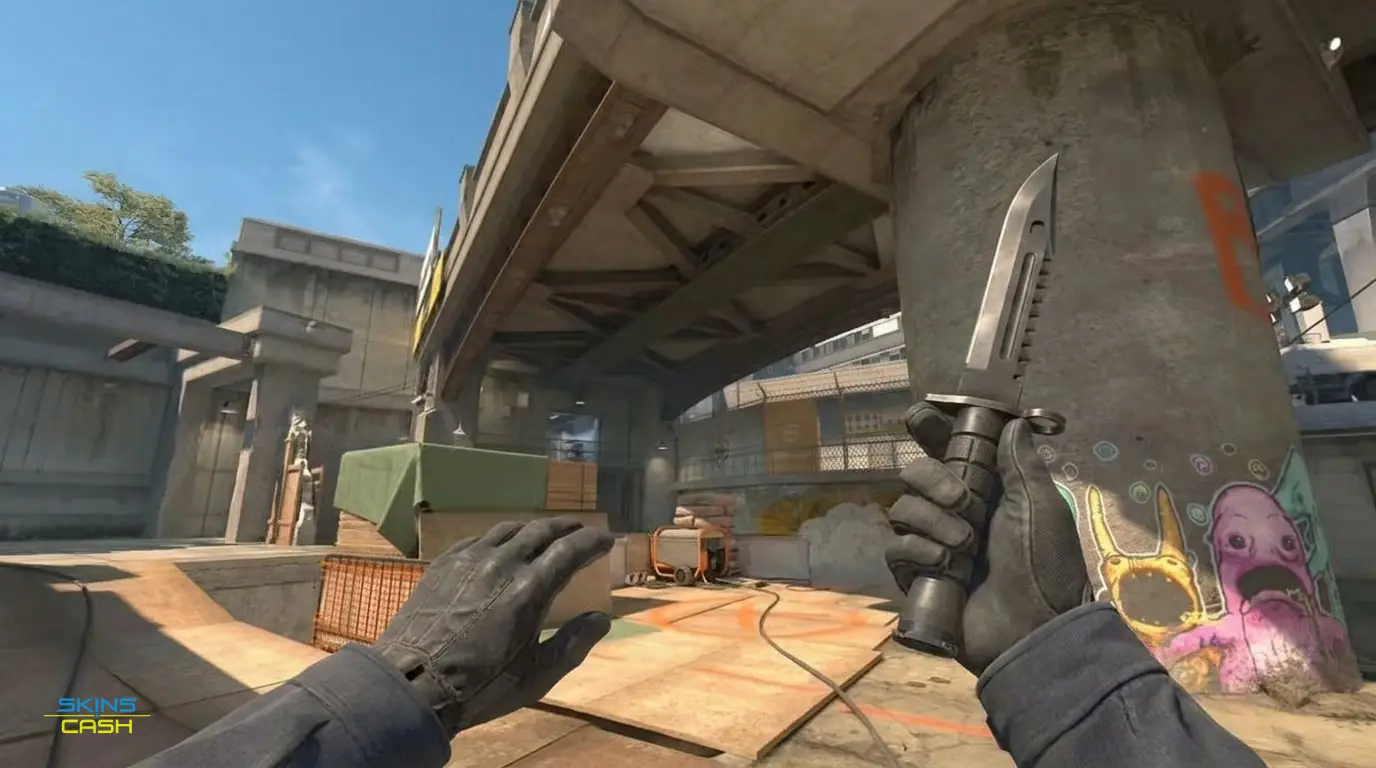
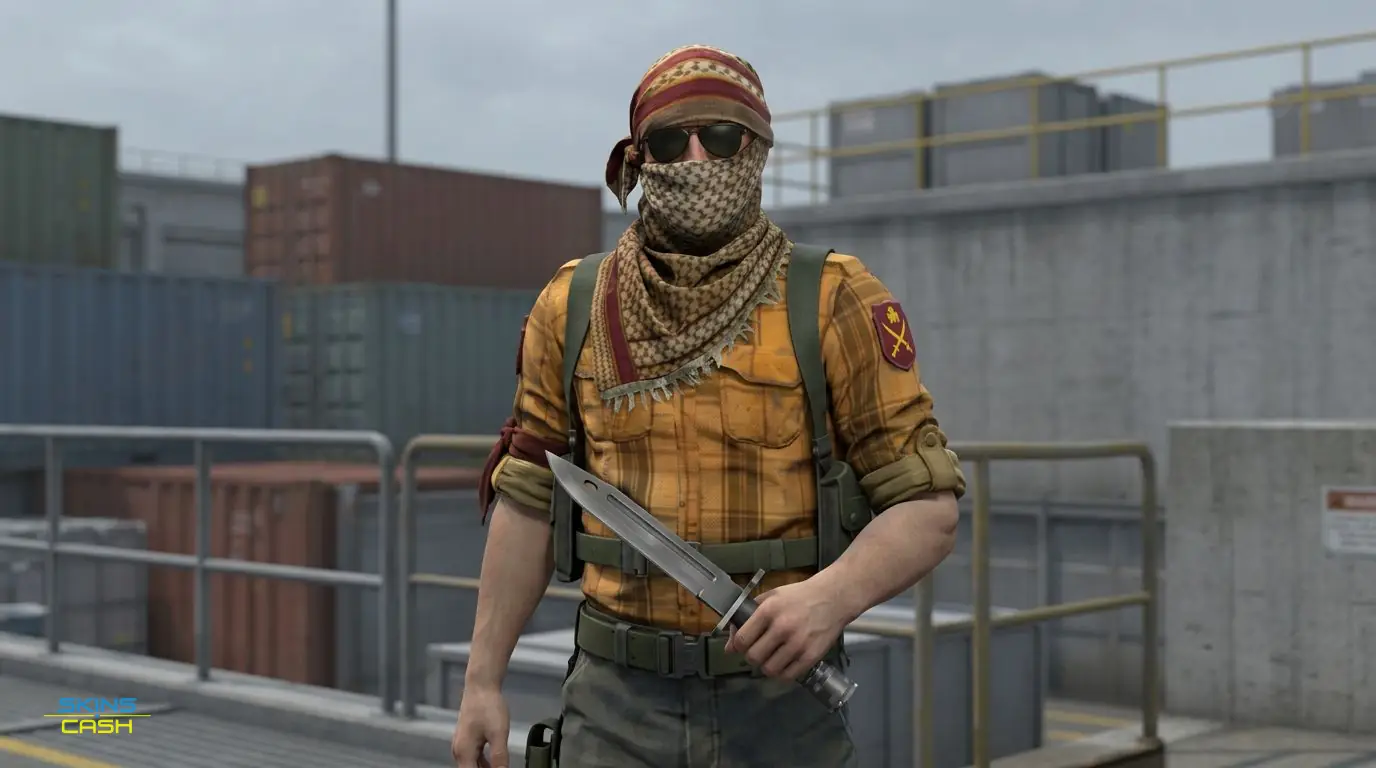
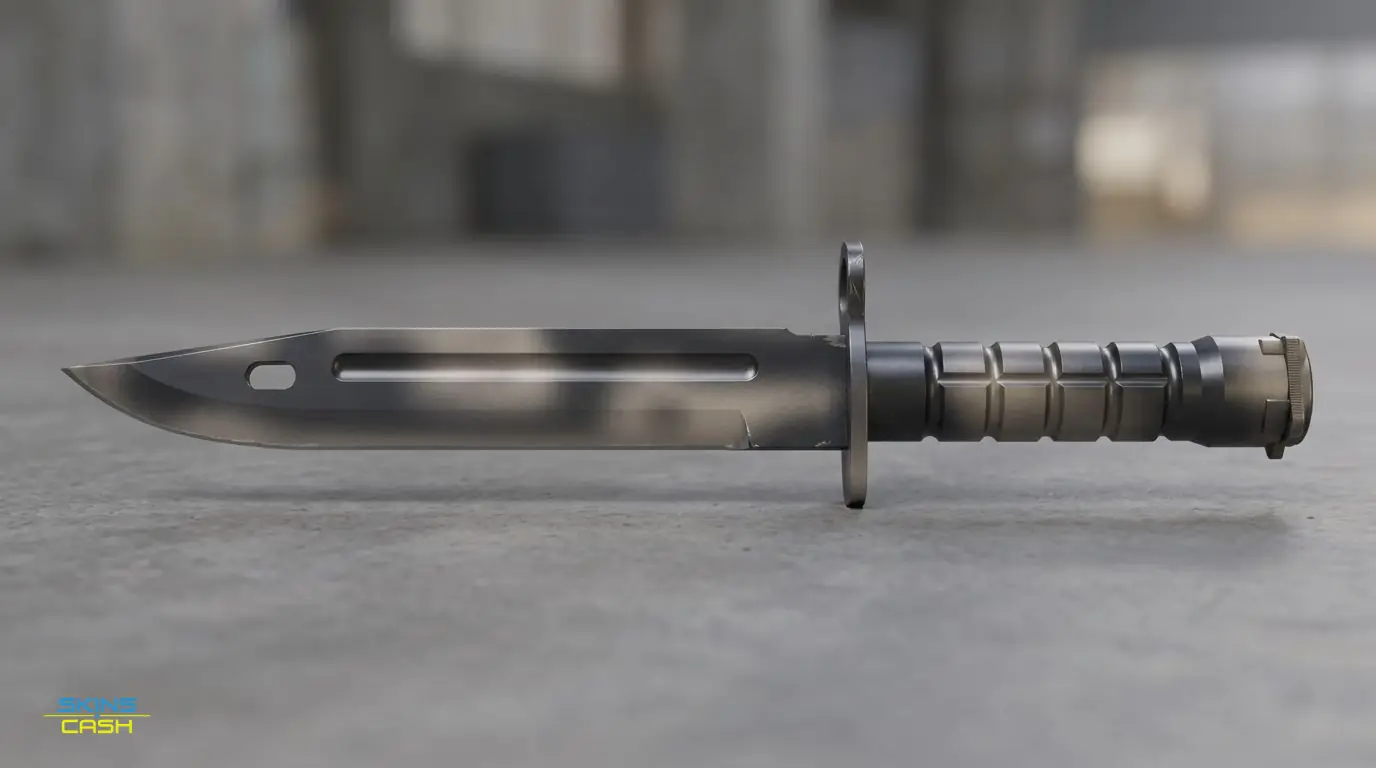
This sits squarely in the mid bracket - not bargain, not grail. It attracts steady interest from regular players more than speculators, so listings move but buyers are selective; as a seller you lean on float and StatTrak status rather than hype to clear inventory.
The ladder is built like a cusp: value clusters toward the clean end with a visible falloff after the better wears. Because the float range is capped, the drop is concentrated and becomes more pronounced near the top end of condition.
Expect a noticeable wedge between public sticker asks and what you actually net when you cash out; platforms and market friction widen the gap here. Sellers often see listed prices that buyers shy from, so plan for the net being meaningfully lower than the headline when you set expectations.
Most skin-for-money sits in the mid-clean segment where the Scorched patina still reads crisp but you avoid the top-premium tier. Past that point, incremental cleanliness stops paying in kind; cleaning the float further only helps if you hit the very top bracket.
This finish never drifts into the harshest wear spectrum, so the usual "worst" copies look cleaner than you might expect. That compresses low-end pricing and gives the bottom of the ladder less downside, which tightens the lower-tier spread.
There is no pattern index premium here - visual variation is governed by float alone. You can price with confidence knowing that seed noise won't flip value unexpectedly between identical floats.
StatTrak copies trade through a different logic: dirtier StatTrak can command more than cleaner non-StatTrak because buyers buy the counter, not just the look. Watch listings that mix StatTrak and float; the tracker status can override small wear advantages and invert expected ordering.
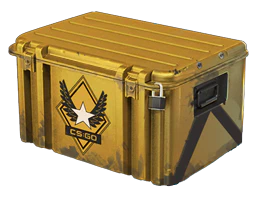
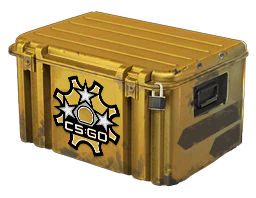
It drops from the CS:GO Weapon Case, which keeps supply steady and familiar to traders. That origin means there are periodic refreshes on the market, so long-term availability is persistent rather than scarce.
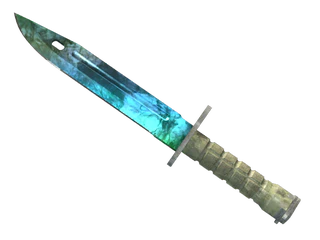
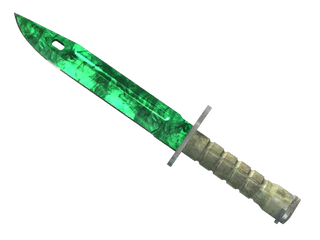
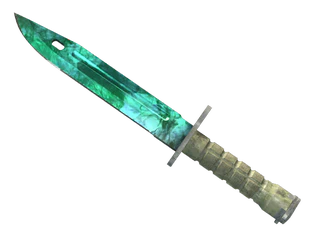
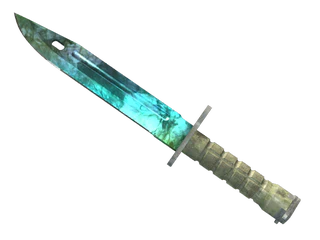
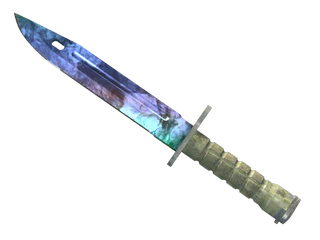
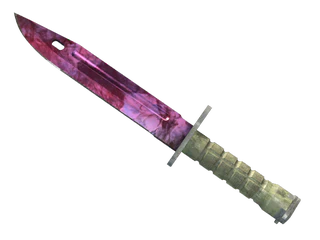
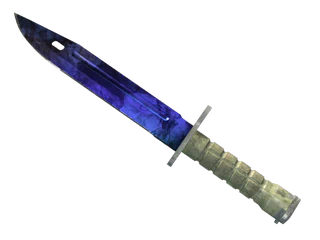
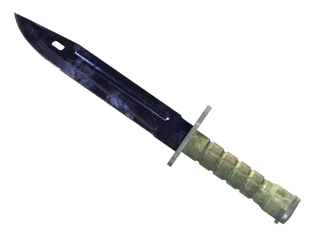
Black and gray on a spray-paint finish make the blade a safe, versatile read in game - understated and useful across loadouts. The muted tones hide wear well and give the Bayonet a clean, workmanlike presence that appeals to mainstream users.
The year-long direction shows a bleed from prior highs with a more recent rebound in the short window. In practice that means re-rating happened lower, and current momentum is concentrating demand back toward cleaner pieces.
Traders often misprice by ignoring the capped float and treating this like an open-range skin, or by conflating StatTrak and non-StatTrak value bands. Always verify the float band and the tracker status before you set a cashout so you don't misread the ladder or the spread.
The community treats it as a reliable mid-tier blade - respected but not collectible fever. That steady sentiment supports consistent turnover: enough demand to move good copies without the volatility of flashier releases.