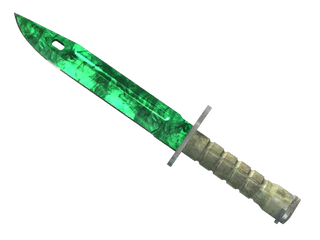
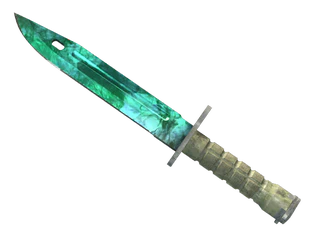
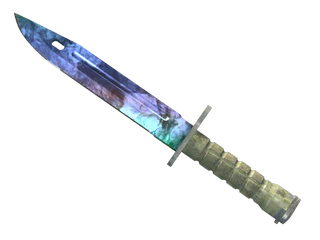
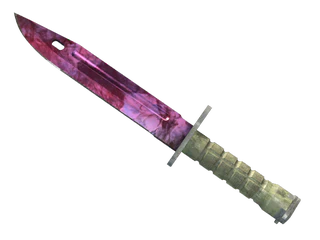
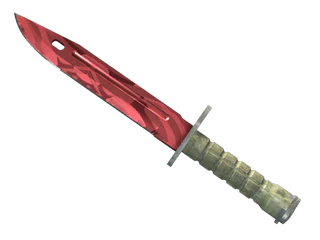
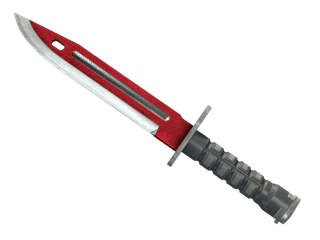
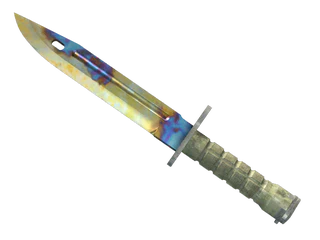
Mid-tier demand with a firm baseline - this Bayonet sits in the market where buyers look for statement blades without grail prices. Float limits and a compressed worn band make the cleaner copies the obvious hold if you want the best exit later, while common worn copies trade more steadily.
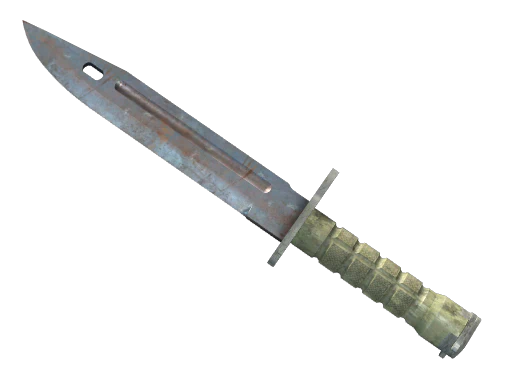
Mid-tier demand with a firm baseline - this Bayonet sits in the market where buyers look for statement blades without grail prices. Float limits and a compressed worn band make the cleaner copies the obvious hold if you want the best exit later, while common worn copies trade more steadily.
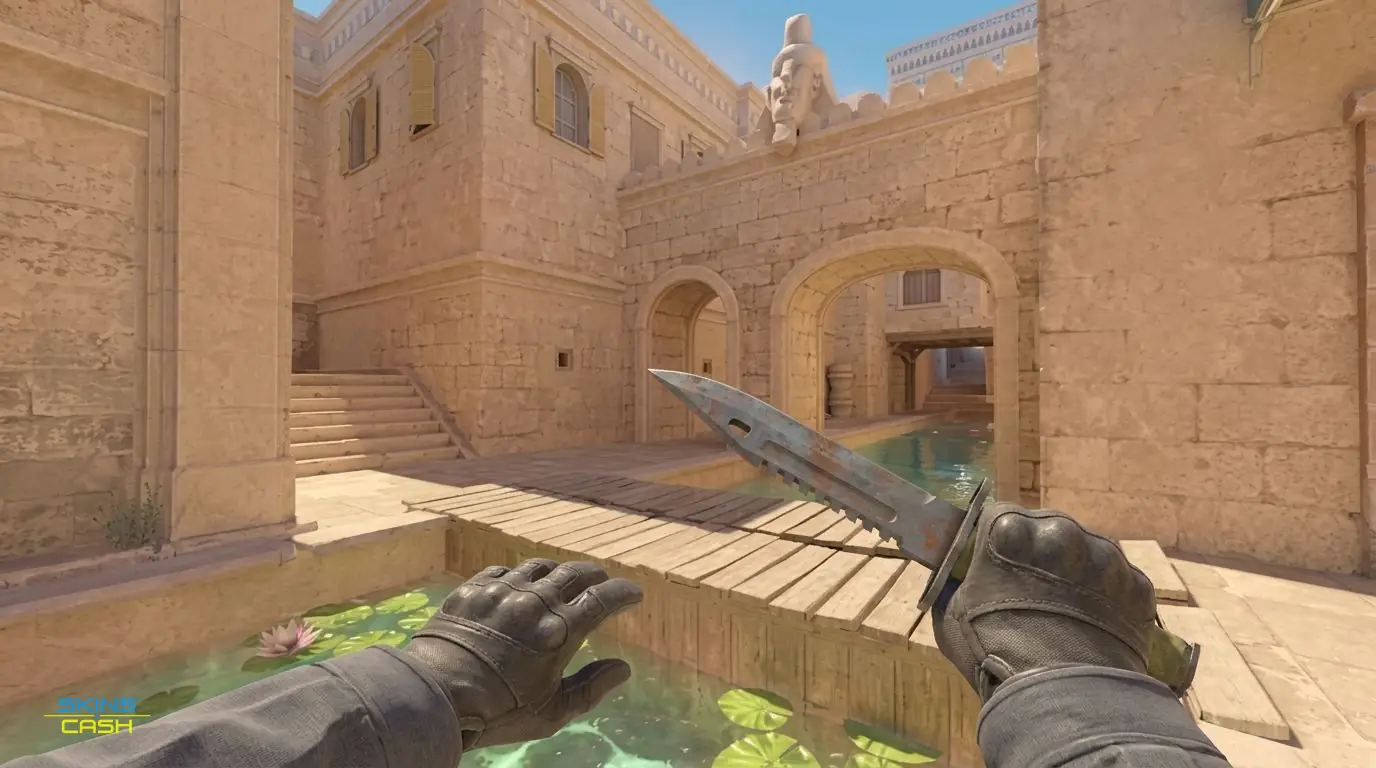

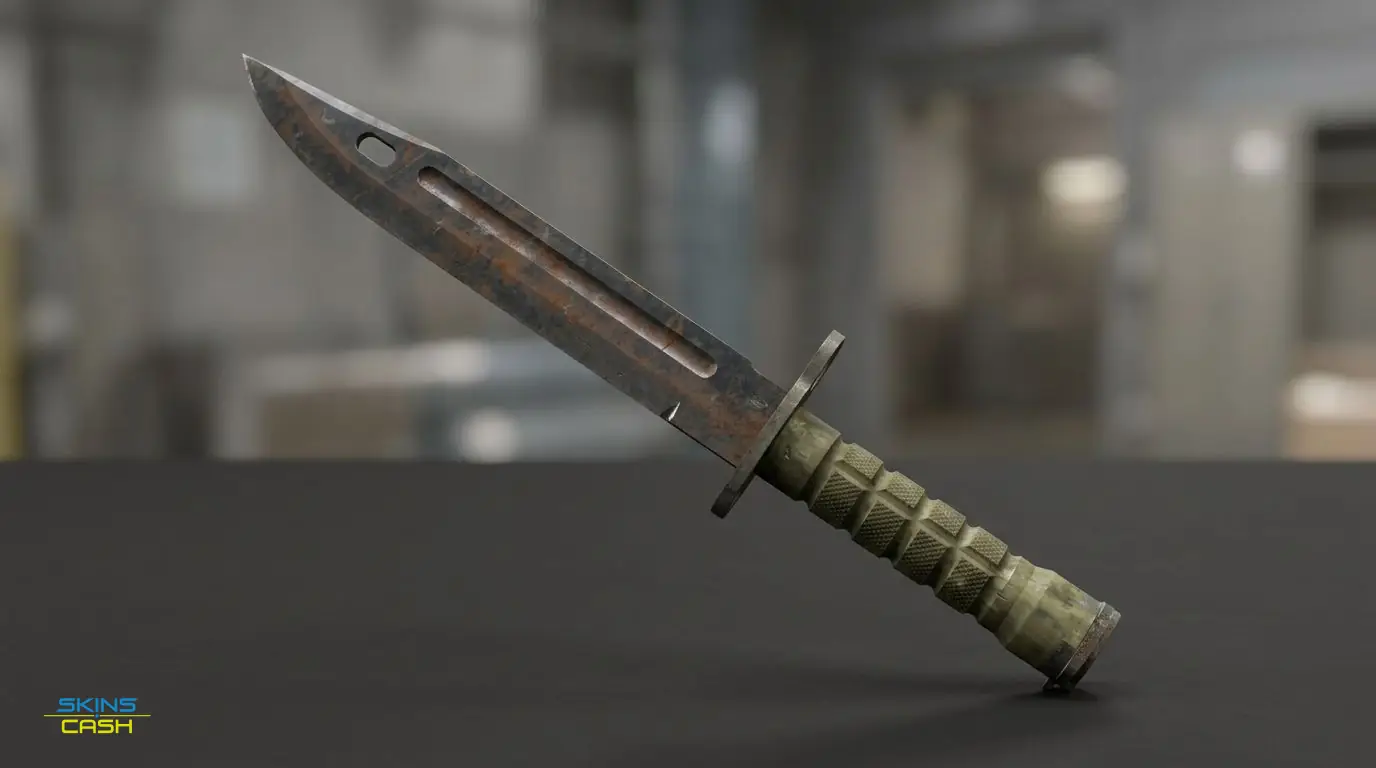
This Bayonet is a mid-tier covert that trades like a mainstream workhorse rather than a grail. It attracts buyers who want a patina blade with a neutral gray palette and Valve pedigree, so sellers should expect steady interest but not frantic bidding; plan for measured exits rather than instant spikes.
The ladder leans heavily toward the clean end: value stacks up as you approach the nicest floats, while the lower wear levels sit in a tighter band. Capped float behavior tightens the bottom-side movement, so the curve feels like a sharp climb into the top wear rather than a gentle slope across all copies.
Expect a noticeable gap between listing sticker and what lands in your hands. Marketmakers and book buyers price in the mid-tier profile and the downtrend risk, so your net will typically run below visible asks - that spread widens when demand softens and narrows when collectors hunt the clean knives.
For skin-for-money efficiency, the upper-mid cleans are the sweet spot: they give the strongest visual return without stretching into the rarest premium. Past a certain wear the payout curve stops rewarding extra cleanliness; those extra ticks of polish stop moving the needle enough to justify holding longer.
Because the finish uses a capped float range, even the roughest copies wear cleaner than most knives with full floats. That compresses the apparent worst condition and lifts the ordinary bottom, altering resale dynamics: worn copies don't tumble as far down, and that reduces downside for quick flips.
There are no pattern-index quirks to fuss over on this finish, so you price by float and variant alone. That removes seed noise and means buyers and sellers can focus on cleanliness and whether it is StatTrak rather than hunting rare index surprises.
Covert rarity underpins the lowest rung of the ladder, keeping even worn blades from sinking into bargain basement territory. That rarity support matters when the one-year trend grinds down; it props the floor and makes worn copies easier to move than lower-tier knives.
It drops from the Chroma Case, which places it in a familiar circulation stream rather than a boutique capsule. That origin keeps supply predictable; you won't get sudden scarcity shocks from niche containers, which is one reason the historical band swings wide but availability remains steady.
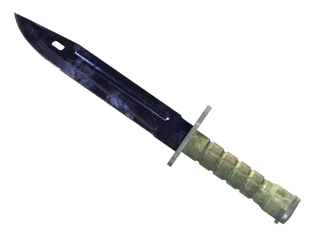
The Patina finish and gray tones give this bayonet a muted, utilitarian look that reads clean in most lighting. Valve's design leans into weathered metal rather than flashy color, so the blade sits well with players who prefer a subtle, serviceable aesthetic on a prestigious knife model.
The historical band for this blade has been massive, with long moves both up and down over time. Right now the market sits on the lower side of that band, so there is room on either side for recovery or further softening depending on demand.
Sellers often mislabel cashout expectations by quoting asking prices instead of net payouts, or they ignore the capped float when valuing a "worst" copy. Avoid those mistakes by checking variant and float first, then align your sell price with the live cashout block rather than idealized listing numbers.
DANK1NG has been linked to this blade, which adds a thin layer of attention from collectors who follow pro associations. It's not a headline-driven demand engine, but the name keeps occasional interest alive when skin-facing content cycles through competitive clips.