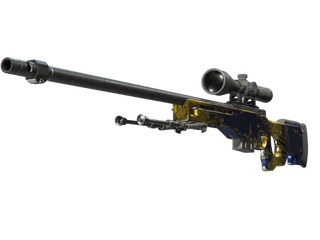
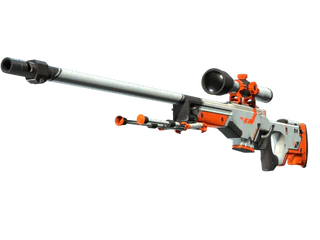
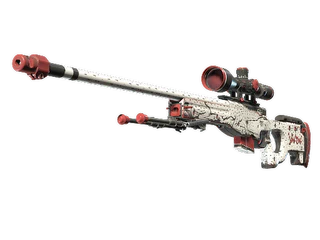
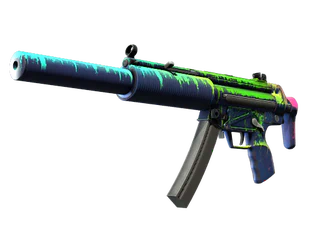
This AWP sits squarely in the mid tier with a strong floor and real buyer depth at the clean end, which is where traders expect to capture most of the value. Short-term momentum is soft but longer-term appetite has been firm, so sellers watching timing can extract a solid cashout if they pick their wear carefully.
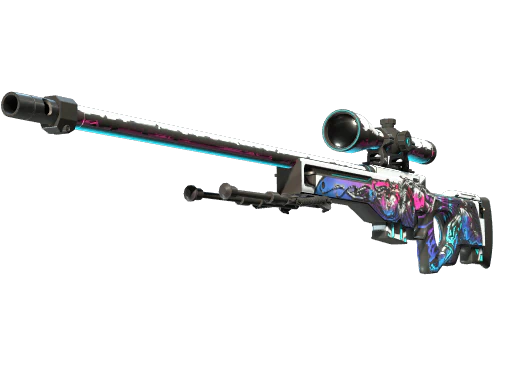

This AWP sits squarely in the mid tier with a strong floor and real buyer depth at the clean end, which is where traders expect to capture most of the value. Short-term momentum is soft but longer-term appetite has been firm, so sellers watching timing can extract a solid cashout if they pick their wear carefully.
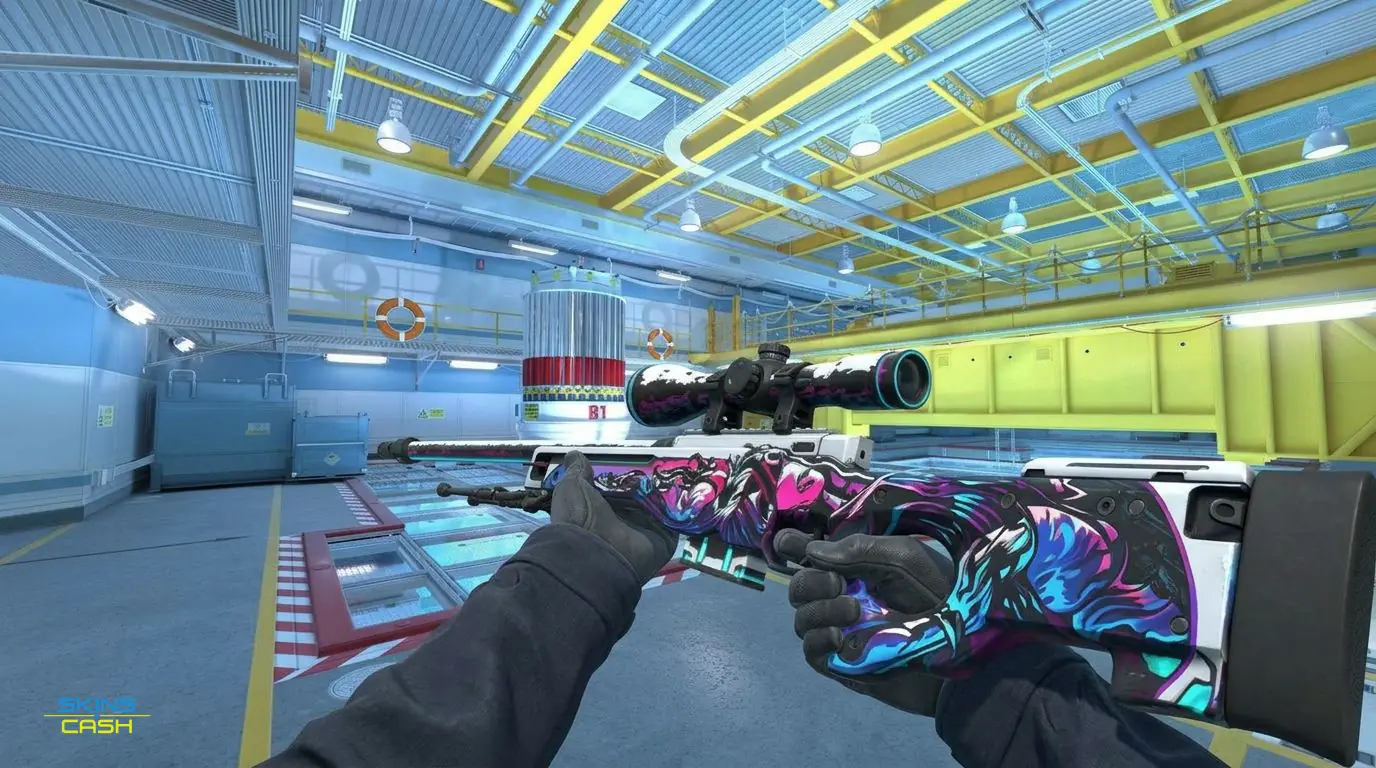
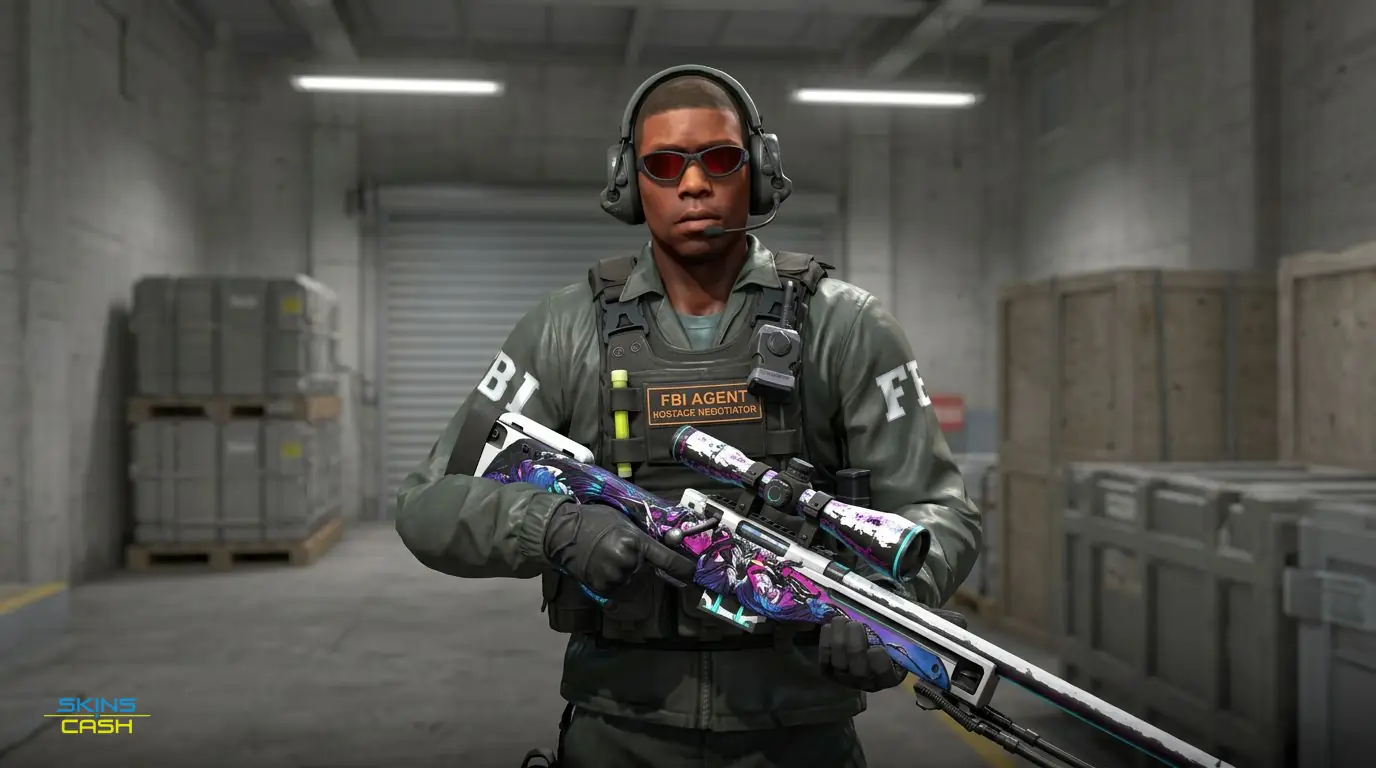
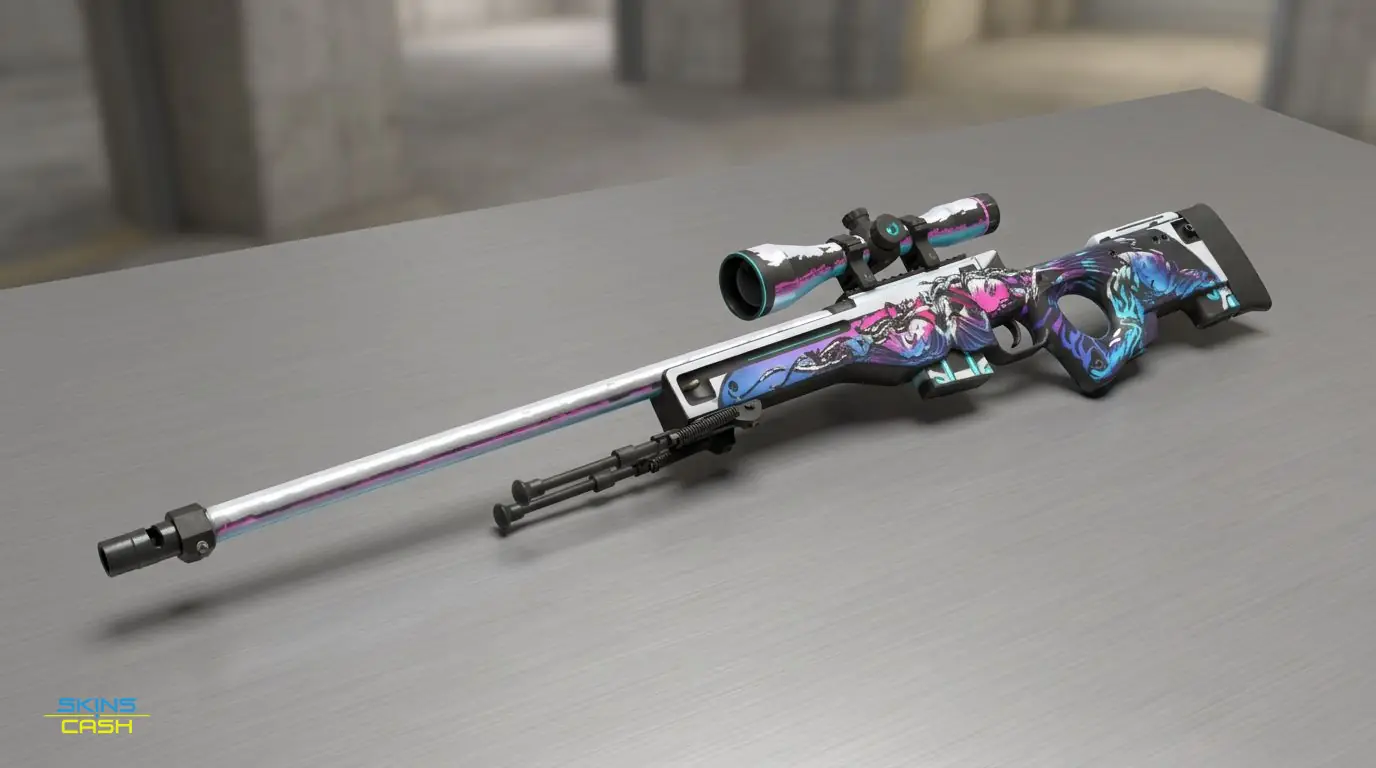
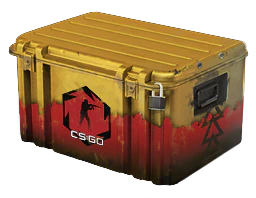
Mid-tier demand with a high floor keeps this AWP practical to move rather than a grail play. It does not sit with budget churn pieces nor the ultra-rare grail crowd; expect steady interest from players and traders who value the Covert profile and the Danger Zone Case provenance.
The ladder is capped and tilted toward the clean end: premium tightness there, then a much gentler slope down through the rest of the band. That steep-to-flat profile concentrates real value in cleaner copies while leaving the mid and low wears grouped closely together.
Listing prices often gloss over take-home realities; buyer asks on market blocks can sit above what a seller nets once fees and spread are accounted for. For this skin the spread widens at the top wear rungs where buyers are choosy, and tightens through the mid and bottom where volume actually trades.
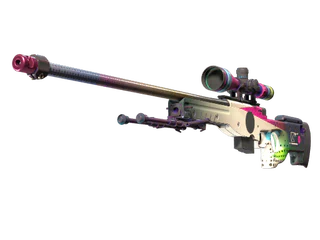
The sweet spot for skin-for-money is in the mid-clean region where the visual pops from the blue and pink palette still read strong but the premium of spotless copies no longer justifies the buy. Move past that band toward the top wear and the payout profile stops rewarding the cleaner float unless the piece is truly pristine.
Because the finish uses a capped float window, the so-called worst copies clean up better than typical AWP finishes and the bottom rung does not slump as far as a full-range skin would. That compression reduces tail risk for sellers and keeps low-end pieces more salable than you might expect.
There is no pattern-driven premium here; paint layout does not drive price moves. Float and condition are the only two levers that matter, which makes pricing cleaner and quicker when you list or field offers.
Covert rarity underpins a firm base even on worn examples, so the low end of the ladder rarely collapses into pure budget territory. That helps sellers avoid fire-sales and gives a reliable fallback when timing the market.
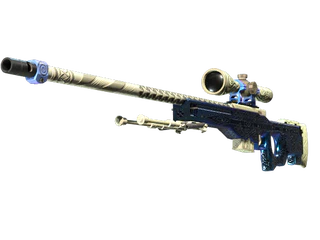
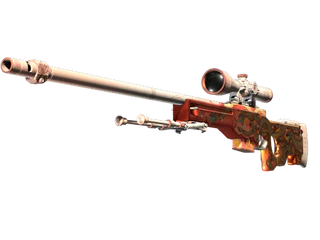
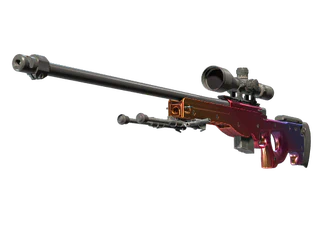
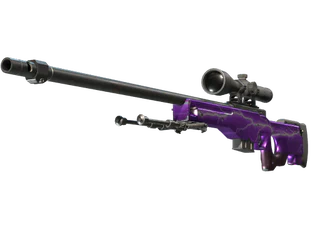
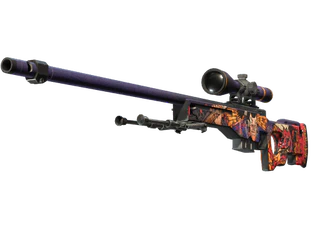
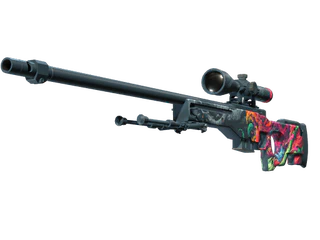
The blue, pink, and white mix reads aggressively on long angles and yet keeps a polished, neon-noir vibe in close combat. The Custom Paint Job finish preserves saturation, making sticker placement and viewing angles predictable in both menu and live play.
A donschi design carries collector recognition and a craft-forward pedigree the buyer base respects. It helps this finish hold attention among similar Danger Zone Case offerings and makes good crafts easier to market.
Weekly momentum has softened while the longer window shows an upward tilt; that split says liquidity is thinner at present but interest resurfaces when market sentiment flips. If you need to sell now, be aware the short-term flow is the headwind; if you can wait, the longer trend has been friendly.
Buyers should insist on clean mid-range asks rather than chasing the top clean premium unless they have a specific resale window. Look for asks that sit inside the compressed band for lower risk and faster turnover.
This AWP tolerates strong holo and team stickers thanks to the clean color blocks; dark holo team pads and small player holos snap well into the white negative space. Crafts that respect the blue-pink balance and avoid covering the signature blade area routinely lift appeal more than flashy mismatches.