Budget-tier demand and a thin-market profile define how this XM1014 moves: most activity lives at the cleaner end while the rest of the ladder sits soft. If you sell, you trade liquidity for speed - the clean copies attract patient buyers, the bulk requires careful pricing to move.
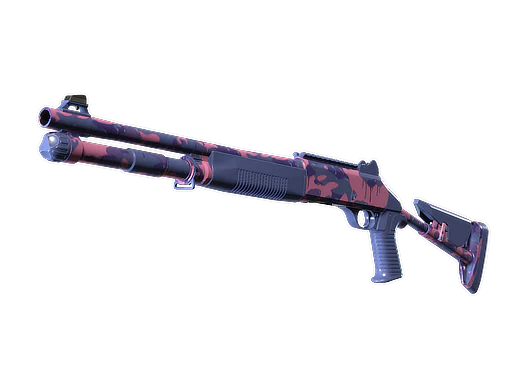

Budget-tier demand and a thin-market profile define how this XM1014 moves: most activity lives at the cleaner end while the rest of the ladder sits soft. If you sell, you trade liquidity for speed - the clean copies attract patient buyers, the bulk requires careful pricing to move.
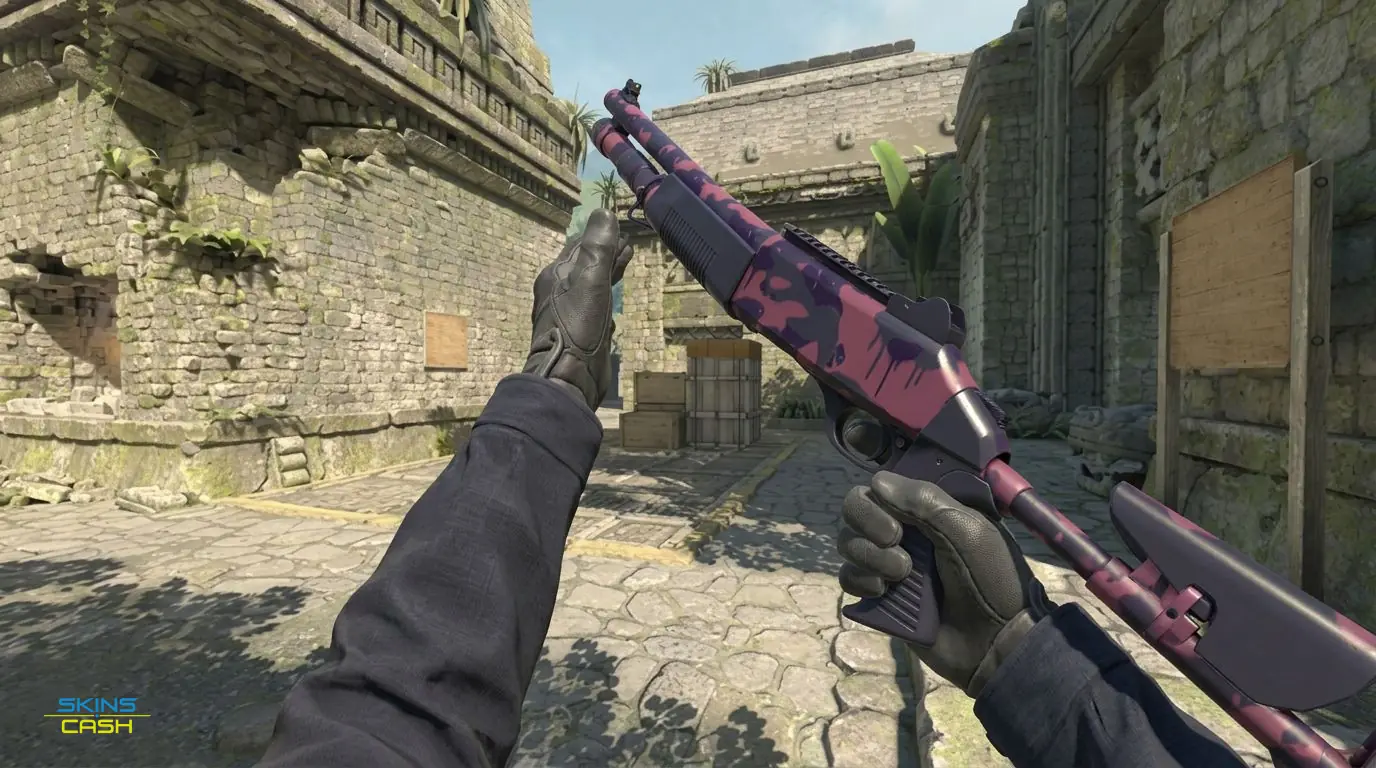

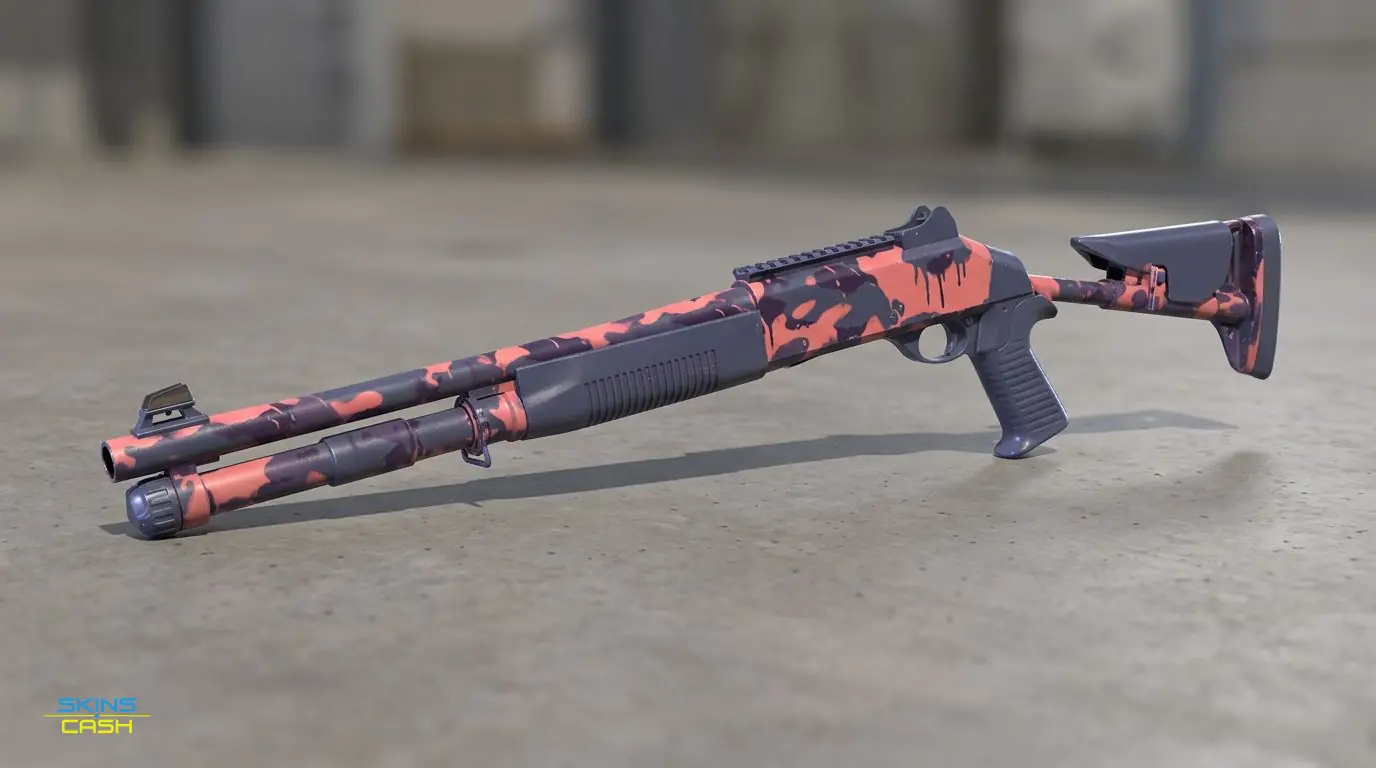
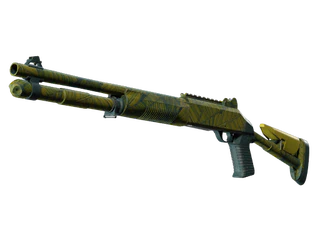
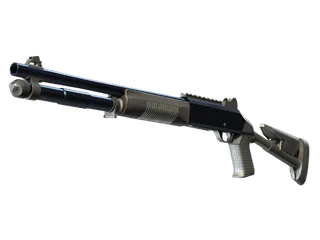
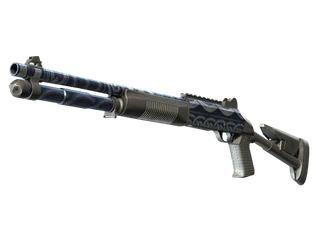
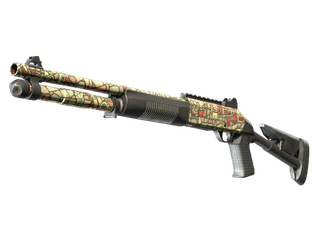
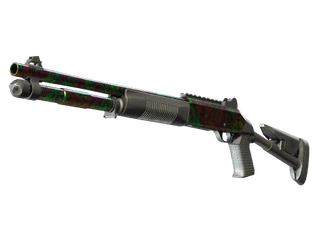
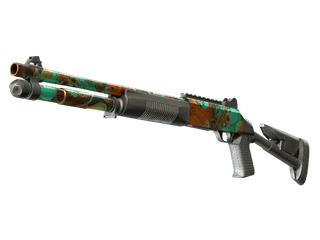
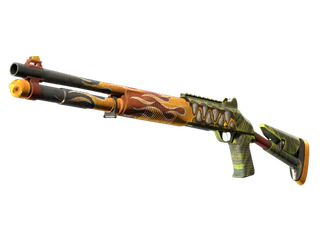
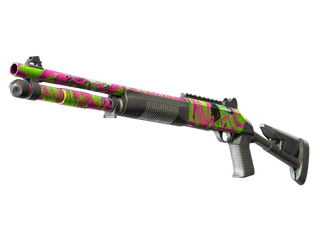
This XM1014 sits squarely in the budget bracket with Industrial Grade status and a hydrographic finish that keeps it accessible. Expect low baseline interest from casual buyers and occasional attention from collectors who like the Blue/Pink palette and the Valve design stamp. For a seller that means volume can take longer to clear, and clean examples are the only ones that draw reliable bids.
The ladder is a capped, stepped payout that bends toward the top wear rather than flowing evenly through all floats. Pricing drops in clear steps as float worsens, with a noticeable compression across mid and lower wears. Because floats are capped, the bottom end does not collapse the way other cheap skins can.
Mid-to-low mid wears give the most skin-for-money in practice: you get the look without paying the clean premium. Above a certain cleanliness threshold the payout stops rewarding marginal float gains, so don't overpay chasing tiny improvements. For sellers, that mid band is the easiest to market quickly.
The clean end commands a marked premium, trading at multiples above the broken and worn copies thanks to scarcity inside the capped range. Collectors and a few pros who favour the Blue/Pink scheme concentrate demand there, which pulls a disproportionate share of total value into top floats. Those clean copies are the only ones worth holding for a lift.
This hydrographic finish does not span the usual full float spread, so the worst copies stay cleaner than typical Industrial Grade items. That cap keeps the visual gap between top and bottom smaller, but it also means the bottom behaves more like a usable gun than trash. Sellers should price the low end as functional gameplay inventory rather than as deep-worn collectibles.
Industrial Grade status underpins a modest floor even when demand softens, preventing the absolute bottom from collapsing. That rarity props up baseline liquidity for sellers moving larger stacks or quick flips. Don't expect rarity alone to generate interest beyond the budget bracket, but it does stabilize the low end.
Being from The Ascent Collection gives this XM1014 a consistent tail of interest tied to the set's palette and player affinity. The Valve credit on the design helps when listing to traders who filter by official artists. Use the collection tag in your listings; it pulls the right eyeballs without promising a premium.
Activity has slid down hard over the recent short window, with fewer takers showing up and listings drifting lower. The market is thin and patient, so listings that price to the crowd sit while sharper asks find the odd buyer. Expect trades to require deliberate pricing rather than optimistic listings.
Traders often misprice this comp by ignoring the capped float and treating all copies as identical; that flattens returns. Another frequent error is listing near the clean-end level for mid floats - those simply will not clear unless you accept a bid reduction. Confirm float band and lean into the mid band for speed or hold cleans for a targeted sale.
This shell takes team and player stickers well thanks to the Blue/Pink background; pro and team stickers that use dark contrasts read cleanly. Aim for high-contrast placements on the side plates to draw attention to the hydrographic texture. A tidy craft with one or two focused stickers lifts the selling appeal far more than scattering cheap decals.