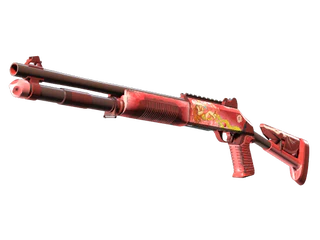
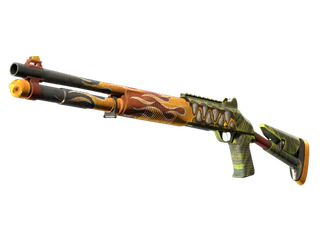
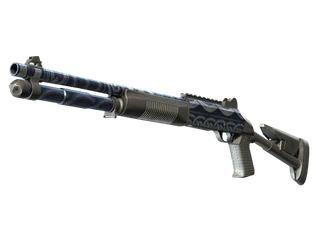
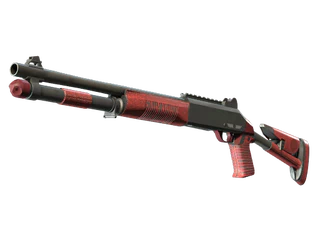
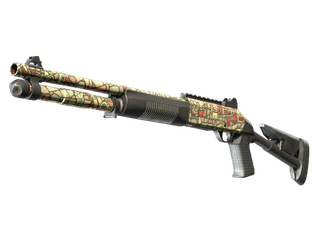
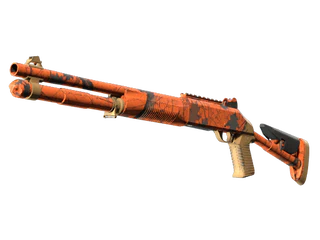
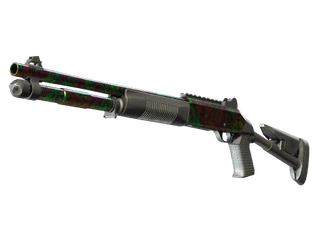
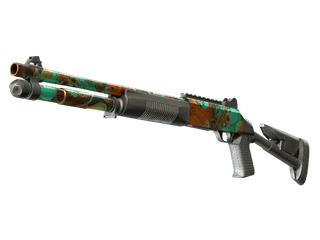
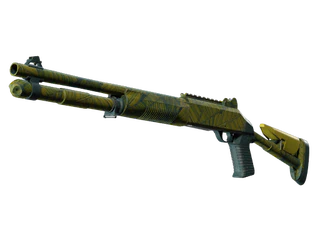
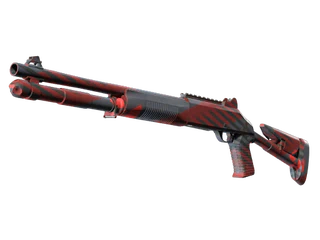
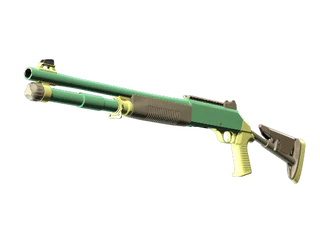
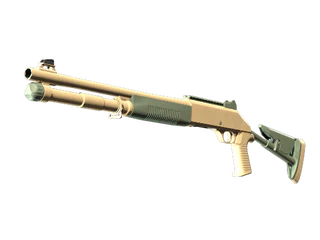
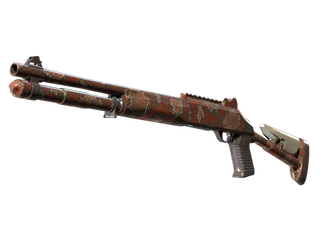
A budget-class classified XM1014 with a pink patina and a thin-market buyer base; value sits low on the ladder but the clean end commands real attention. High floor support keeps worn copies saleable, while the StatTrak variant and a large clean-end premium create the only meaningful upside for sellers.
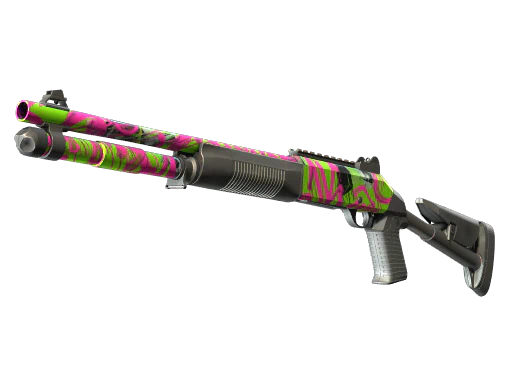

A budget-class classified XM1014 with a pink patina and a thin-market buyer base; value sits low on the ladder but the clean end commands real attention. High floor support keeps worn copies saleable, while the StatTrak variant and a large clean-end premium create the only meaningful upside for sellers.
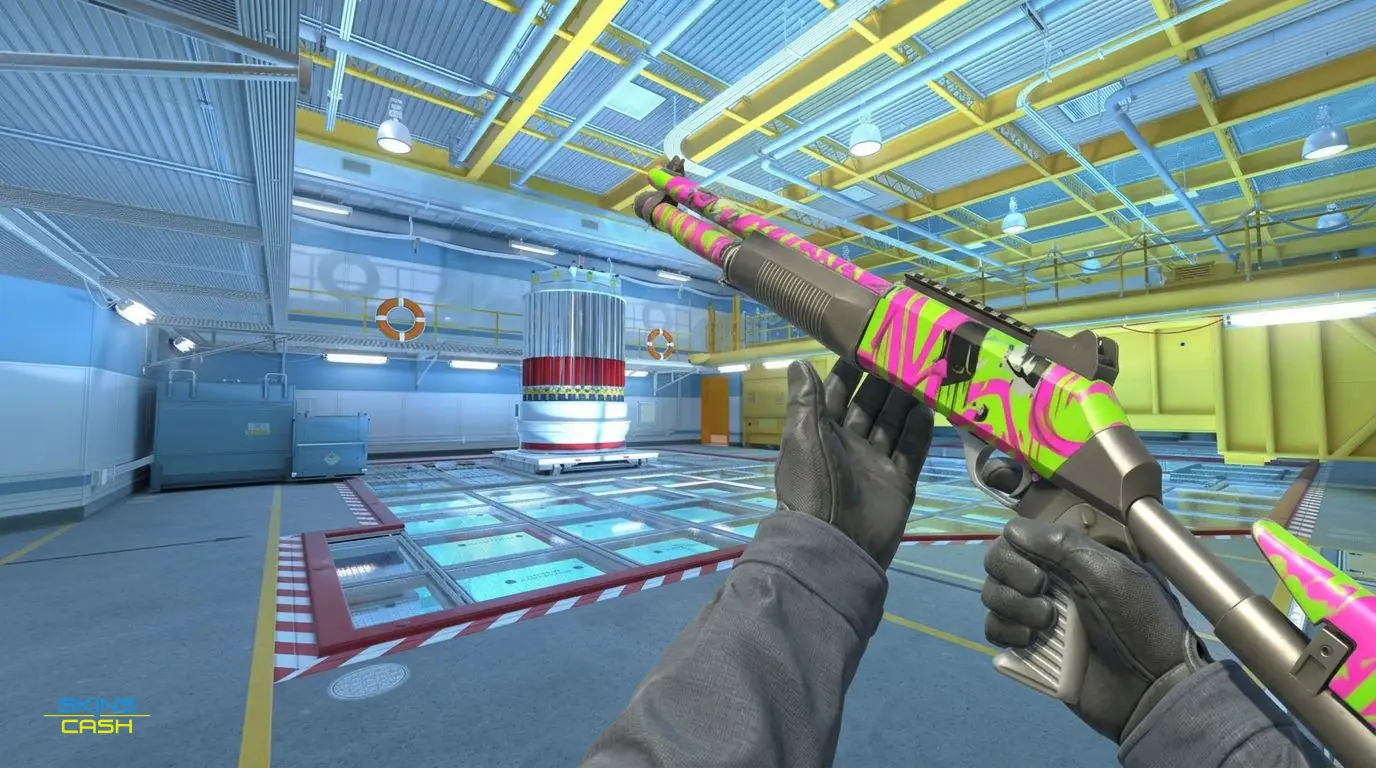

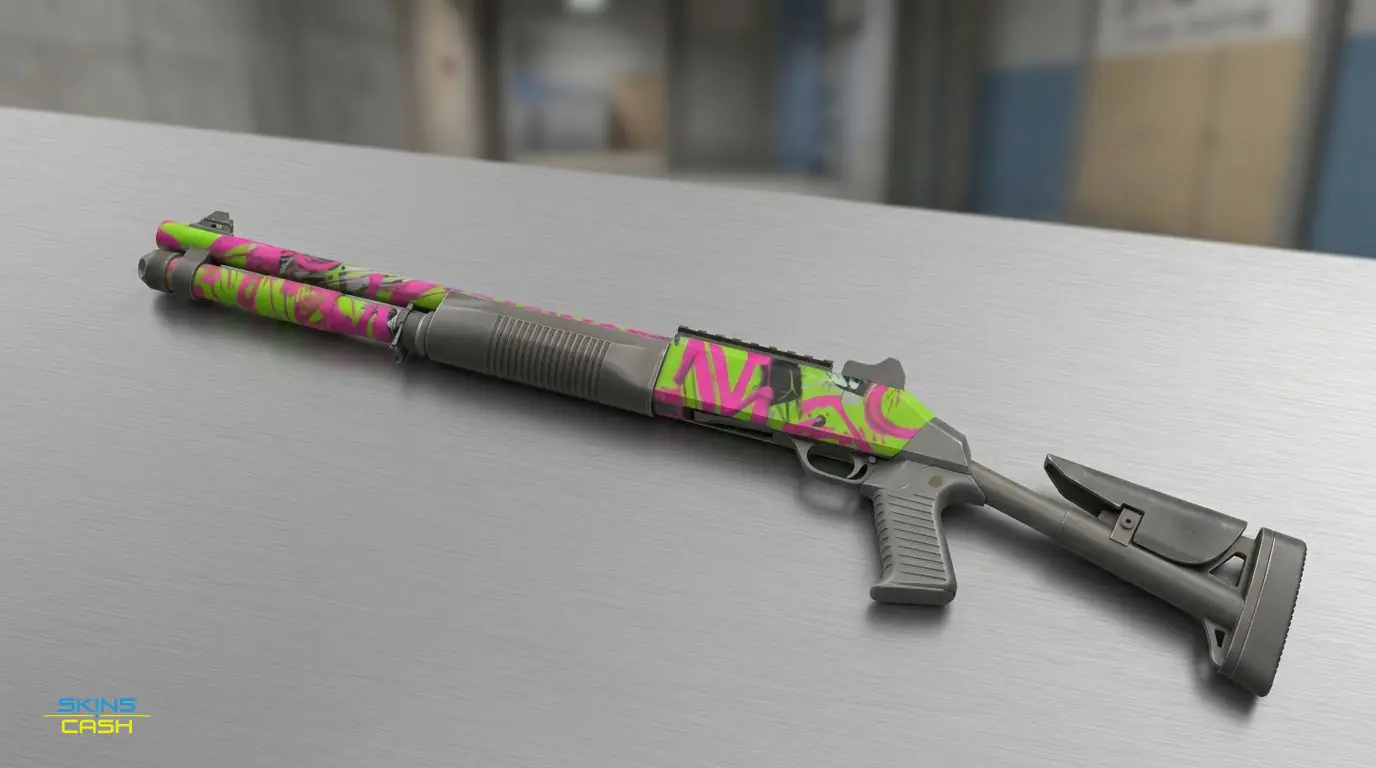
This sits squarely in the budget bracket among classified shotguns: cheap to list, but not a quick flip unless you hit the right wear or variant. Sellers should treat it like an entry-level play - easy to move off a shelf but rarely a headline trade unless StatTrak or a pristine float changes the conversation.
The payout curve is a capped profile with a clear plateau through the mid and lower wear, then a sharp ramp toward the clean end; the market is a thin one, so that ramp is where bids bunch up. Expect a compressed band across lower tiers and a steep drop from the top few floats down into the main body of listings.
Mid-high worn copies are the best skin-for-money: they show the patina and pink palette well without paying the clean-end tax. Once you pass into the top wear band the marginal cost outpaces the visual gain; that is where the payout stops rewarding incremental float.
The clean face pulls a large premium and concentrates a lot of the market's capital at the top; clean StatTrak copies multiply that effect. Buyers who chase the pristine pink patina pay multiples above the ladder's main cluster, making the top wear disproportionately valuable.
Patina finish shows wear in specific zones, and the pink tones lose definition as float rises; small shifts near the cap change perception more than they do mid-ladder. Buyers are sensitive to a clean face here - a visible ding or loss of pink contrast sells noticeably worse.
Classified rarity underpins a solid floor even for battered copies, which is why low-end listings tend to hold rather than evaporate. That rarity support keeps the worn band tradable and reduces the tail risk when you need to move inventory fast.
All copies come from the Snakebite Case and the Snakebite Collection, which keeps supply anchored to that container's release. That origin means a steady drip of entries into the market rather than sudden influxes from multiple cases.
History shows a massive range with a volatile short-term swing: long-term direction ran up hard before a recent hard pullback, so prices can jump around on brief demand shifts. In a thin market with a capped float profile, timing matters more than volume; wait for calmer windows if you want top execution.
Sell into the spread and avoid shaving the top of it - list at the bid band that matches the wear premium, and use the StatTrak premium as leverage when present. In practice, post conservatively around the visible bids and be ready to tighten if a buyer clears the thin market.
Design by SA_22 and association with players like fnx, s1mple, and daps gives the skin scene credibility, especially in the pink-and-patina combo. Pro links don't flood demand, but they keep interest from collectors who favor tournament and pro-linked pieces.