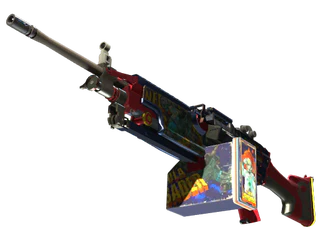
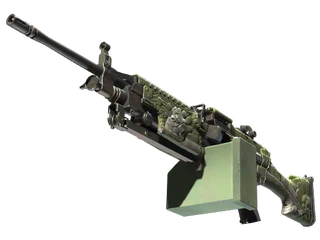
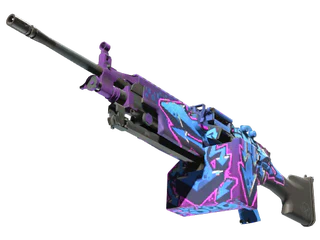
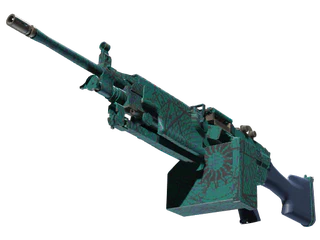
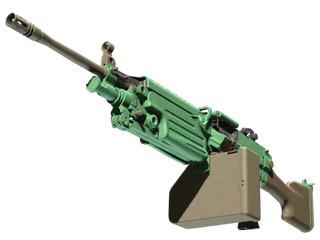
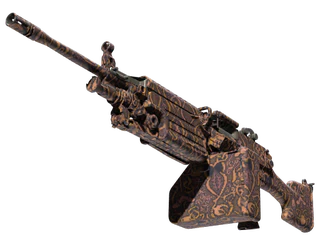
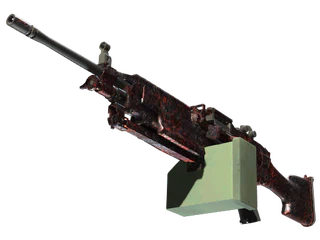
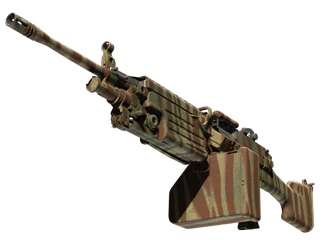
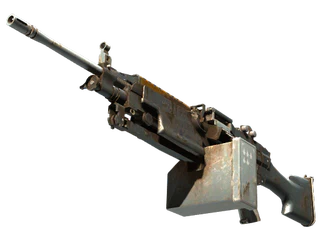
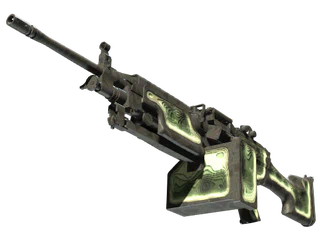
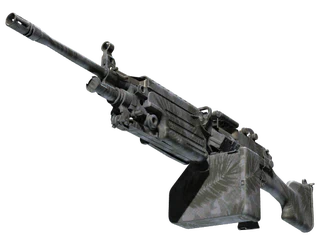
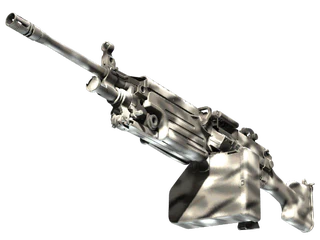
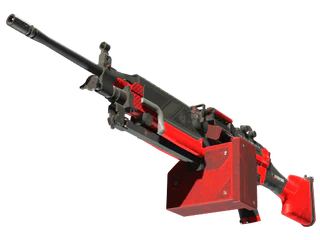
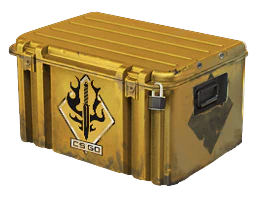
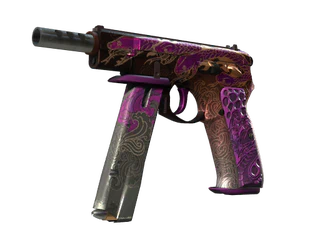
The M249 | Emerald Poison Dart is a budget restricted from the Spectrum Case that trades in a thin market with a high baseline. Clean-finish copies carry the real upside, but liquidity is picky; prepare for a wide band between listed asks and what you actually net when you sell.
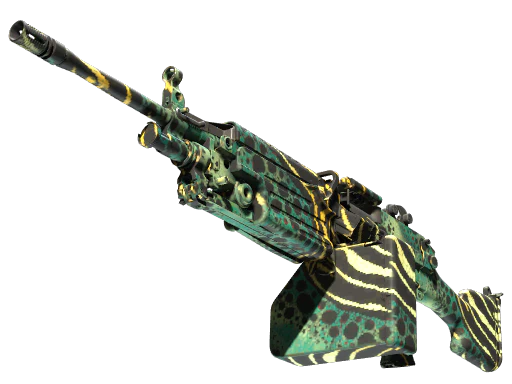

The M249 | Emerald Poison Dart is a budget restricted from the Spectrum Case that trades in a thin market with a high baseline. Clean-finish copies carry the real upside, but liquidity is picky; prepare for a wide band between listed asks and what you actually net when you sell.
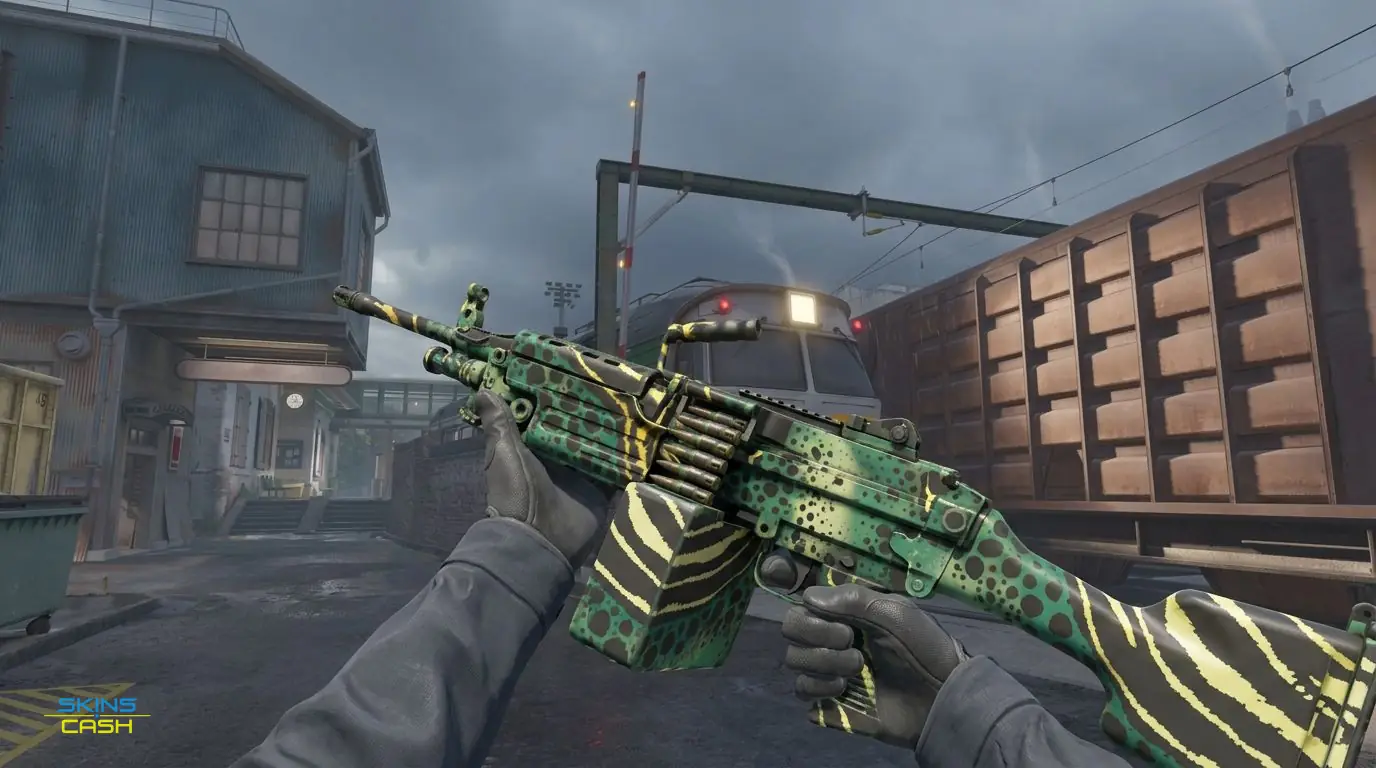

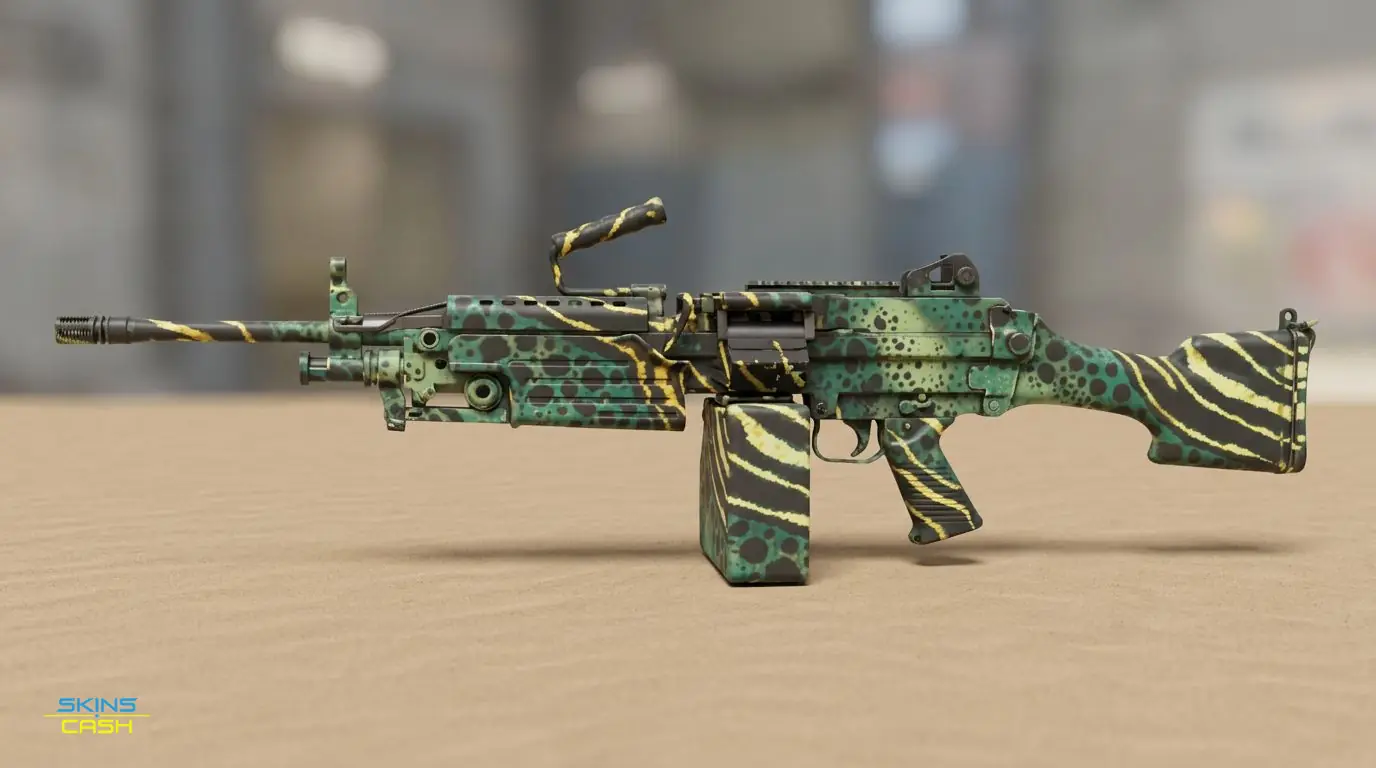
This is a budget-tier restricted that lives below mid-range machineguns but above the absolute junk pile. Demand comes from collectors chasing the Spectrum Collection green palette and a few pro-name stickers; that keeps the floor firm even when interest is thin. Sellers should treat it like a specialist flip rather than a mass-market listing.
The ladder shows a capped float profile with a steep drop from the top clean end into a flatter mid band. The factory-new look commands a large single-step premium, then values settle into a wide, stepped lower tier where cleaner gains stop mattering much. Expect a sharp top and a longer flat tail on the poorer but still capped copies.
Listings often sit well above what you actually receive because buy orders are scarce and patient; the thin-market shape widens that gap. There is a meaningful difference between a headline sticker price and the cashout figure after takes, fees, and the market spread. Price for where the money flows, not where someone is asking.
Most buyers get the most skin-for-money in the stepped mid band where the spray-paint finish still reads well without paying the clean end premium. The clean copies are where you stop seeing ratio returns; beyond that point the factory look no longer justifies the jump. If you want turnover, list from the mid side; if you want maximum take, aim for the top clean copies.
Because the finish is capped, the "worst" copies are cleaner than a typical unrestricted skin and the bottom wear behaves like a trimmed floor. That removes bargain-basement outliers and compresses the lower ladder, which in turn concentrates trade into the middle and top bands. Sellers must price with that compression in mind or risk undercutting real demand.
StatTrak versions exist and live on a parallel curve that often inverts expectations: sometimes the non-StatTrak can be comparatively strong against its tracked twin depending on sticker craft. The StatTrak premium is large at the clean end but thins out lower on the ladder; trade it as a separate item when listing.
Belonging to The Spectrum Collection and coming from the Spectrum Case gives the piece a tidy demand niche, especially for buyers assembling green-themed sets or PTP fans. The designer signature and the case provenance keep a steady trickle of targeted bids. That steady trickle is why the floor holds even when overall interest is light.
Over the longer run the piece was re-rated upward, drawing more attention and a firmer baseline into its current thin-market state. More recently the short-term tape cooled hard, which tightened activity and widened spreads. It behaves like an item that climbed into a new band and is now waiting for clearer direction.
A frequent error is treating the Spectrum spray-paint finish like a full-float skin-ignore the cap and you misprice the bottom. Another mistake is listing without separating StatTrak and non-StatTrak or forgetting how a heavy sticker load changes buyer appetite. Check float, variant, and sticker craft before you set an ask to avoid dead listings.
Green tones from the Spectrum Collection play best with darker, high-contrast holos and layered team decals; the Ninjas and Holo team stickers here lift the center pattern and draw collectors. Heavier, clashing stickers can kill interest, while two coordinated holos on the facing plane will push a buyer from casual curiosity to a genuine offer. Craft the sticker layout with the clean end in mind and you pull more than the raw rarity would suggest.