This is a budget Mil-Spec that lives in a thin market - demand is narrow and value clusters toward the clean copies. StatTrak copies carry a steep premium, while the rest trade with a weak floor and a wide band between worn and clean, so watch the spread before you cash out.

This is a budget Mil-Spec that lives in a thin market - demand is narrow and value clusters toward the clean copies. StatTrak copies carry a steep premium, while the rest trade with a weak floor and a wide band between worn and clean, so watch the spread before you cash out.
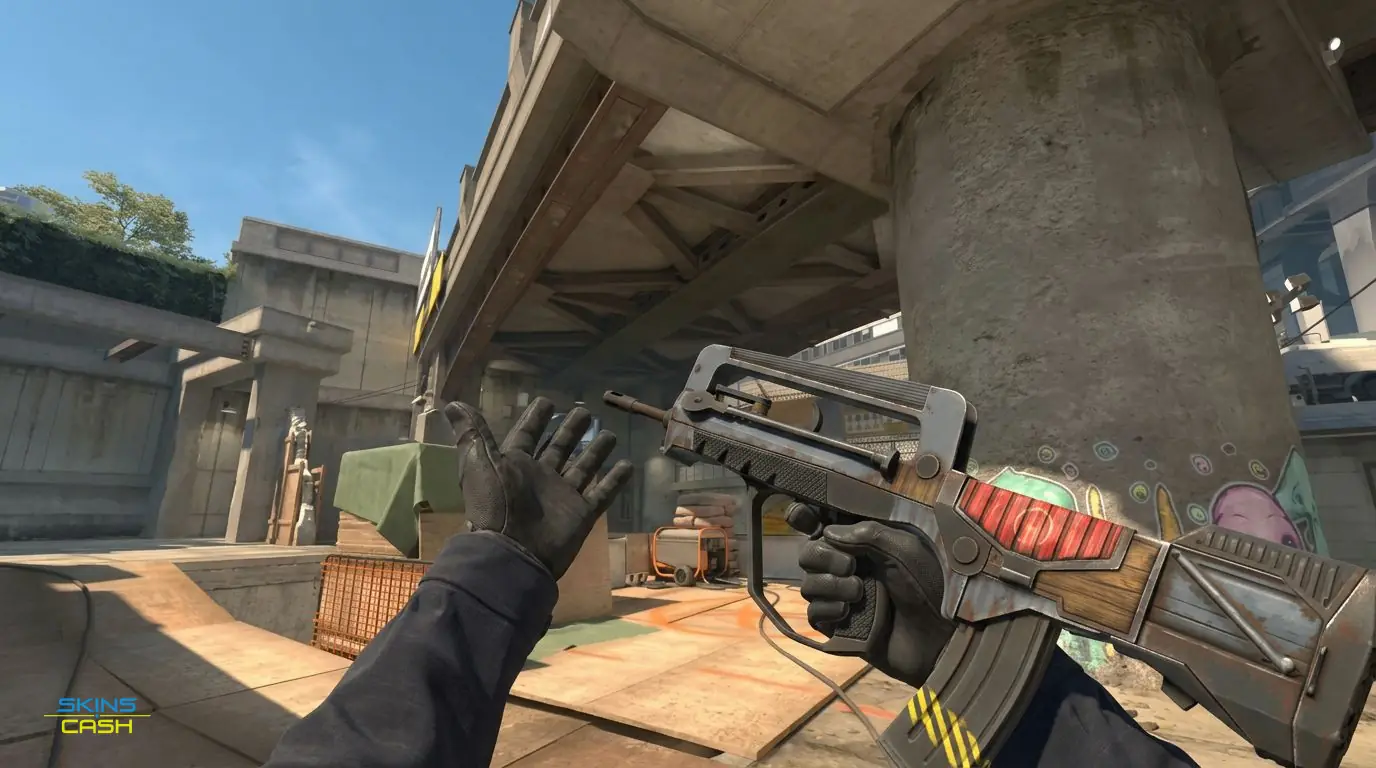


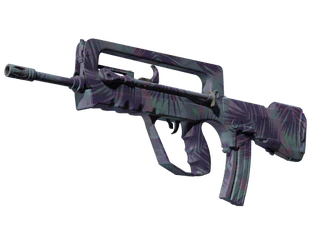
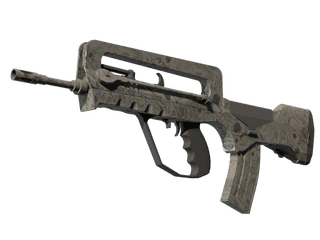
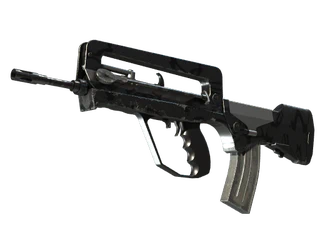
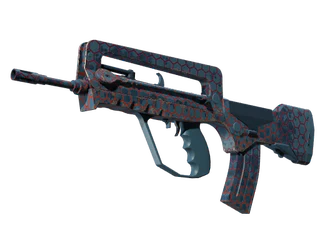
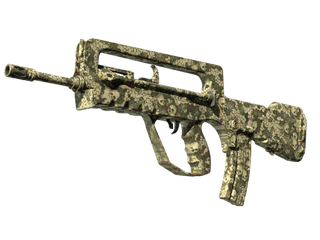
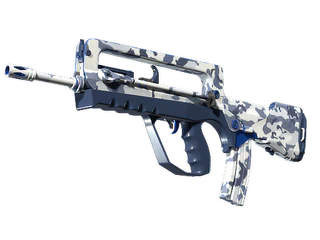
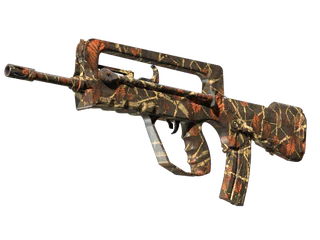
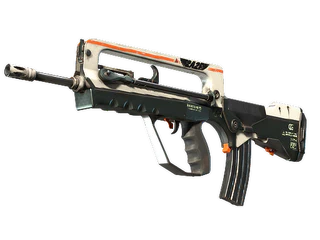
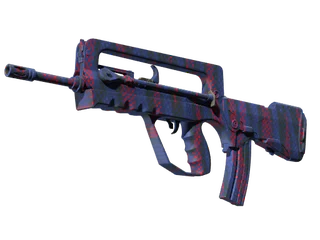
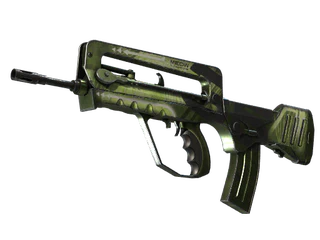
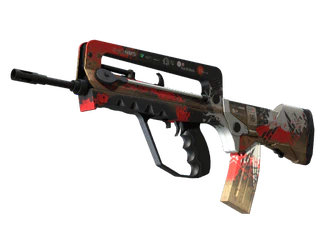
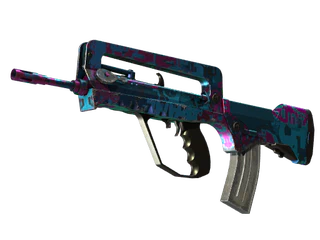
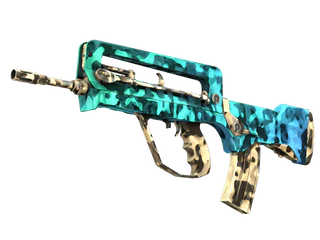
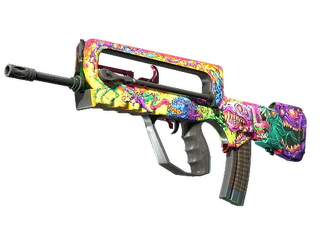
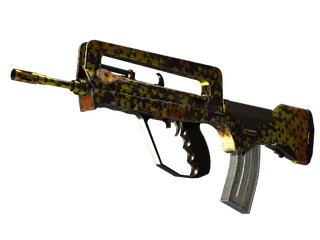
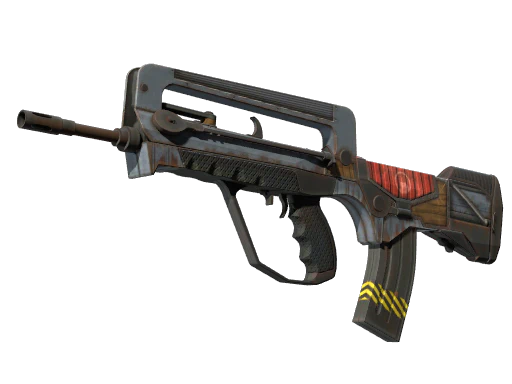
The FAMAS | Decommissioned sits squarely in the budget bracket of its collection: cheap entry, limited buyer depth. That means movement comes slowly unless a clean or StatTrak pops up; sellers should expect selective interest rather than a pouring market.
The wear ladder is full range with a stepped lower tier and heavy concentration at the clean end, producing a sharp kink rather than a smooth glide. Clean copies command a noticeable premium, while mid and worn floats compress together in a flat band.
Mid-float copies give the best skin-for-money for most buyers because they avoid the clean premium but still carry the designer's muted gray work by Kai. Above that mid band the payout curve stops rewarding a cleaner float, so chasing the clean end only pays for specific buyers.
Expect a clear spread between what listings advertise and what a seller actually nets: thin market dynamics widen asks and soften bids. On Skins.Cash you need to price with that gap in mind - the sticker on a listing is rarely your cashout unless you hit a motivated buyer.
This custom paint job shows wear plainly on the face and edges; buyers notice a scuffed gray much more than subtle pattern shifts. As a result cleanliness matters to demand: the cleanest copies draw attention, the rest blend into a generic worn look.
Being Mil-Spec Grade provides a basic underpin to the low end, which keeps the worn ladder from collapsing entirely. That rarity tier is the reason even the most beaten copies still trade rather than vanish from listings.
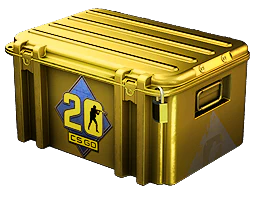
Supply comes from the CS20 Case and the skin sits inside The CS20 Collection, so its availability is tied to that source rather than an open crate with constant churn. Case origin explains why supply can be cyclical and why specific floats appear irregularly.
The short window shows a sharp downward bias; listings have been drifting lower and interest cooled. In a thin market that down move can accelerate when a few sellers hit the tape.
List with purpose: price toward the buyer side of the spread but leave room to negotiate, and use the live cashout block to anchor expectations. Patience beats panic here - a tight ask can sit, an aggressive ask provokes slippage, so thread the spread carefully.
The skin carries a few name checks from the pro scene that help eyeballs: apEX, NiKo, and tarik have been associated with the design's era. That kind of recognition nudges demand occasionally, especially for clean or stickered copies tied to those players.