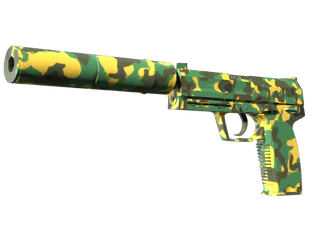
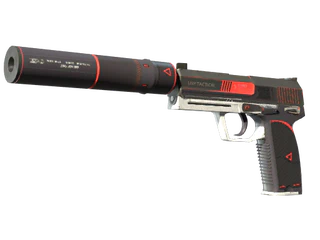
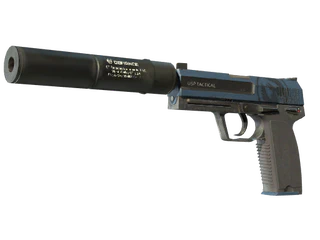
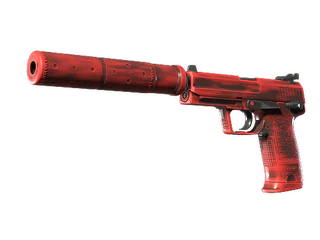
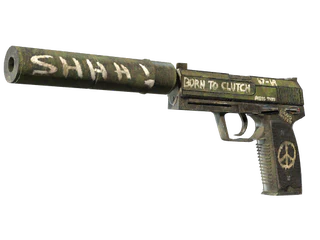
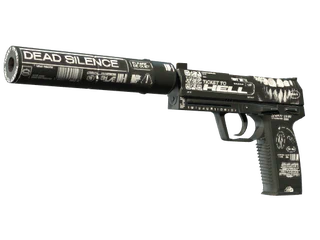
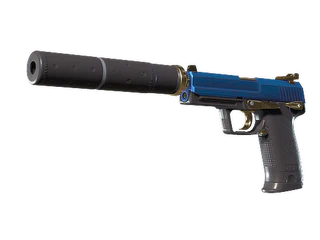
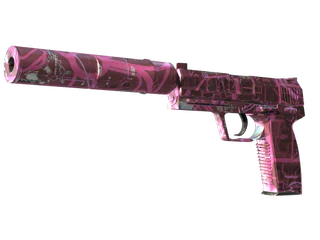
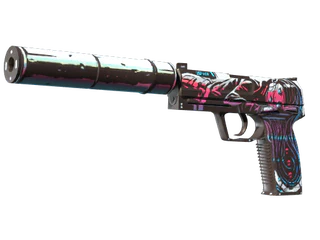
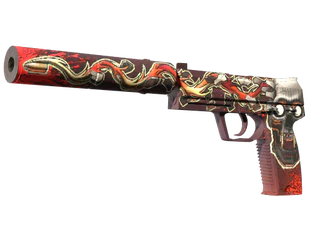
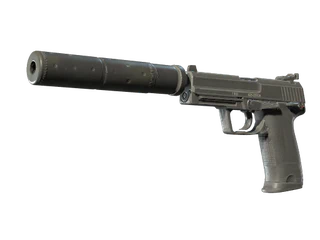
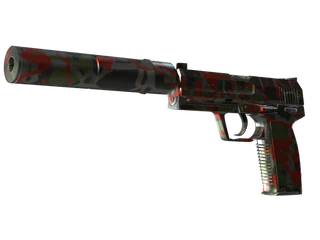
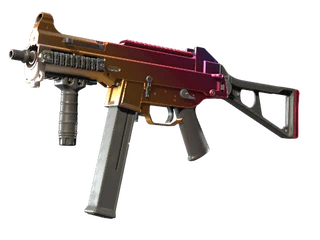
Mid-tier demand and a strong restricted-floor make this USP-S Orange Anolis a deliberate sell rather than a quick flip. Clean souvenir copies collect a meaningful premium, while the capped float profile keeps the market tight and predictable for sellers who watch sticker and finish quality.
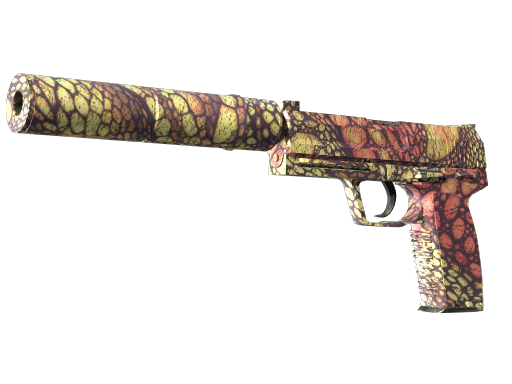

Mid-tier demand and a strong restricted-floor make this USP-S Orange Anolis a deliberate sell rather than a quick flip. Clean souvenir copies collect a meaningful premium, while the capped float profile keeps the market tight and predictable for sellers who watch sticker and finish quality.
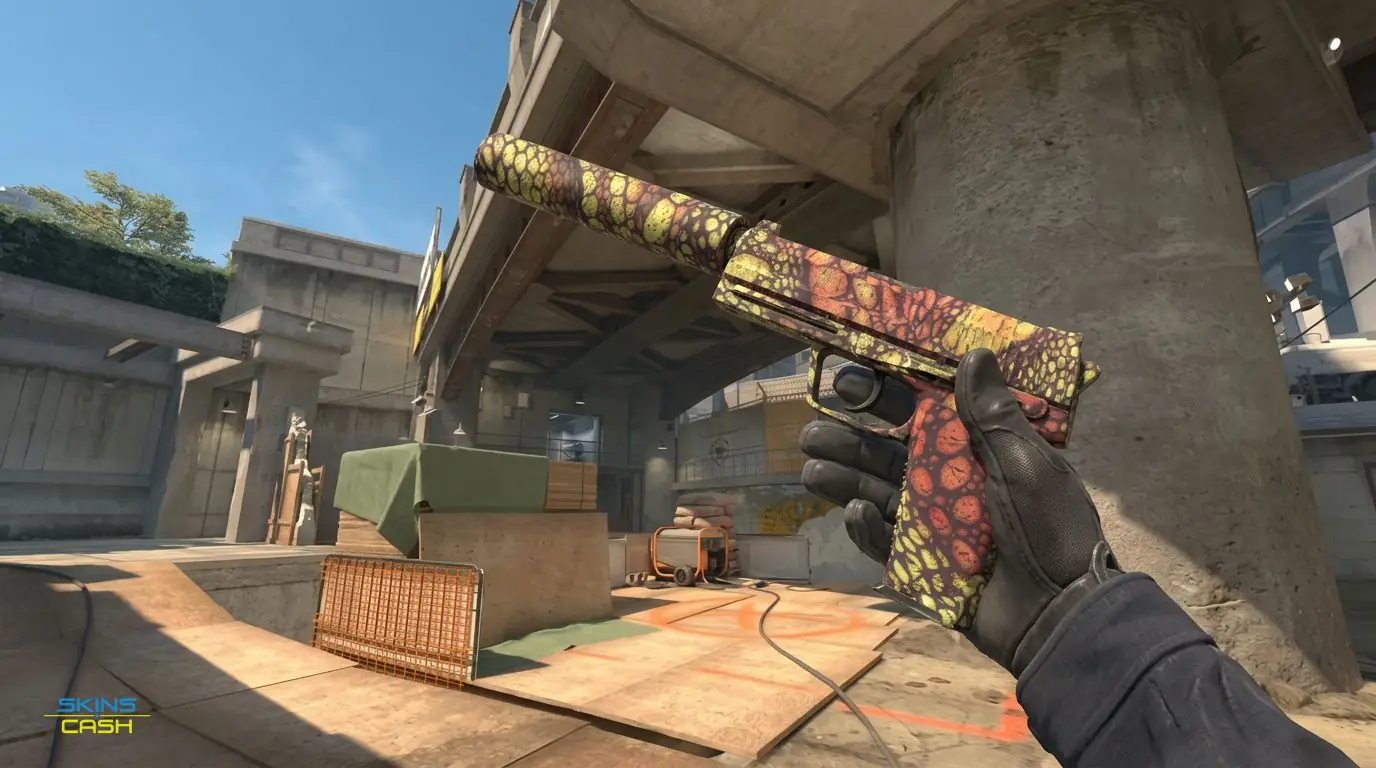
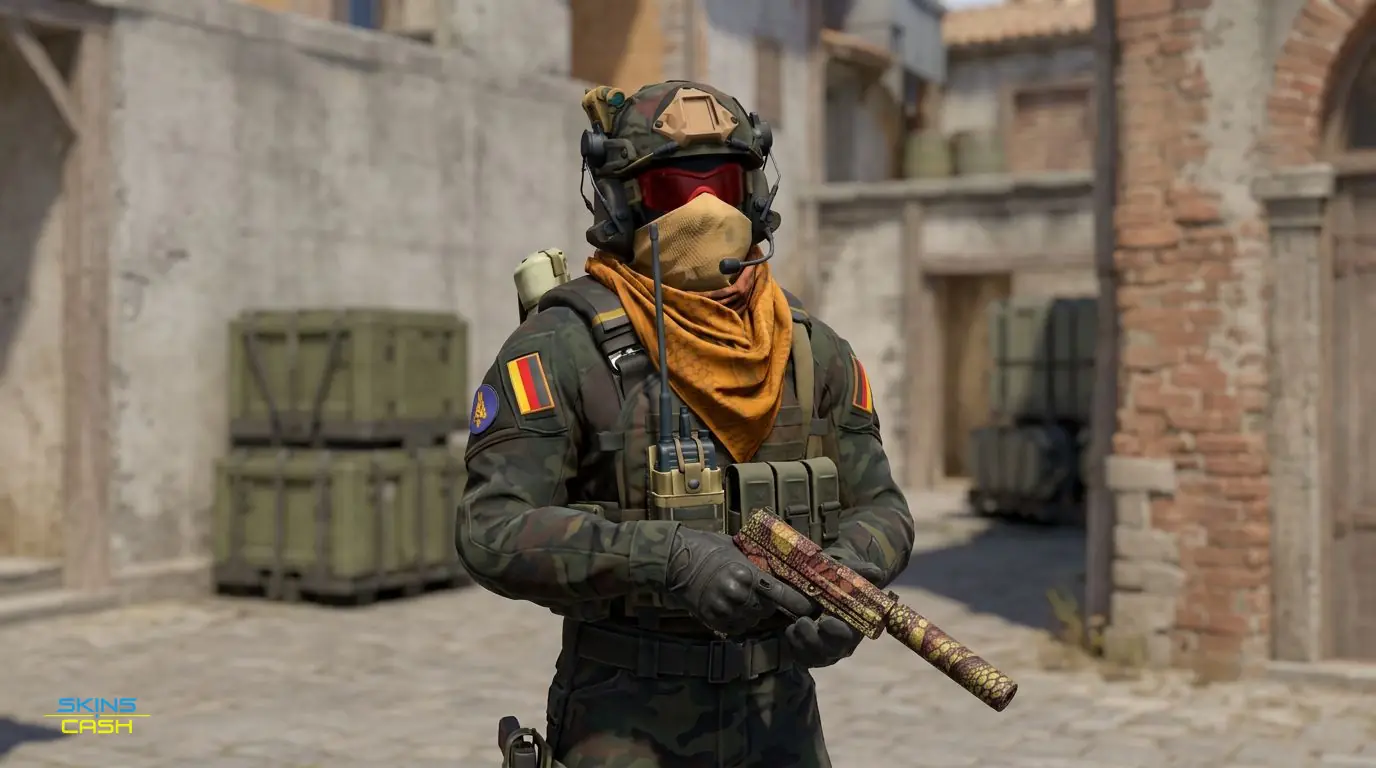
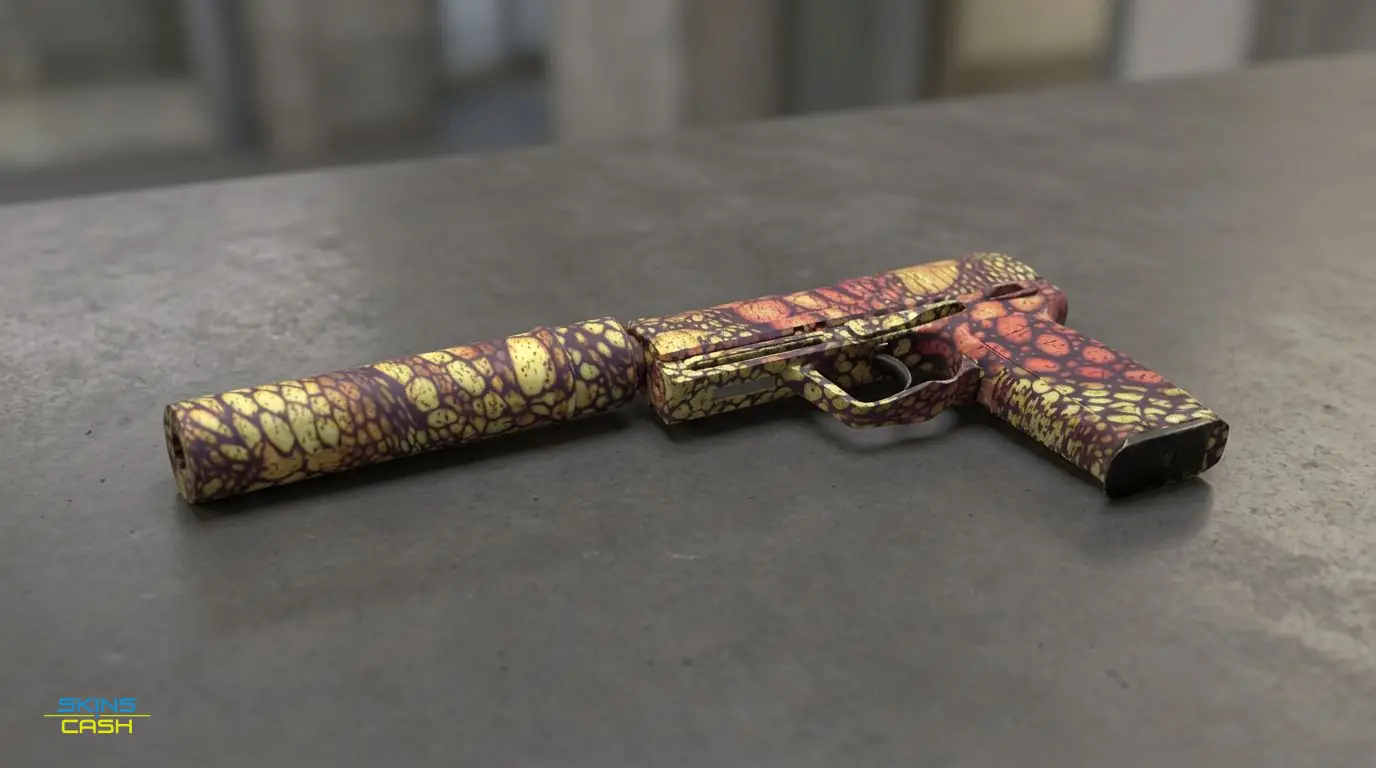
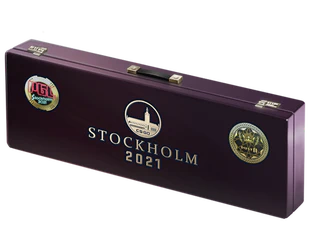
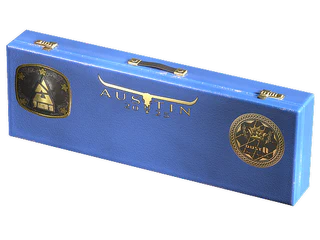
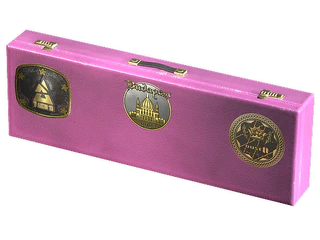
Among pistols this USP-S sits in the mid bracket, not a grail but not basement stock either; buyers are selective and visibility comes from the souvenir badge and the anodized multicolored finish. For a seller that means modest competition and durable bids at the floor, especially on well-stickered copies from the Stockholm souvenir package.
The ladder is front-loaded with a clean-end premium followed by a stepped descent into the mid wear bands, rather than a gentle continuous slope. That capped float profile concentrates value toward the cleaner end, creating distinct price breaks between the top and middle rungs.
Expect a visible gap between listing asks and what clears as instant cashout because buyers factor in trade fees and liquidity chill for souvenir Restricted pistols. Sellers who price to the live payout level close faster; those who price at sticker ask will see a longer sit and occasional relists.
Mid wear copies usually offer the most skin-for-money, where the finish still reads orange and the anodized effect shows without carrying the clean premium. The payout curve stops rewarding cleaner float once the piece moves past the top tier feel and into a clearly showroom copy.
This finish does not reach the extreme worn end so the so-called worst copies remain cleaner than many comparable pistols, which compresses the lower ladder and lifts the baseline. That compression reduces scatter at the bottom and makes float a more predictable lever for pricing.
There is no pattern or seed-driven premium here, so pattern index noise does not complicate pricing decisions; float and souvenir status are what buyers are looking at. Price moves happen off visible wear and sticker combinations, not hidden seed quirks.
Restricted rarity underpins the floor even on higher wear, so the lowest rung retains collector interest rather than collapsing into dust. That floor supports steady bids for sellers who need to move stock without chasing the clean-end buyers.
This is a souvenir drop from the Stockholm souvenir package, which keeps supply concentrated to event runs and tournament inventories rather than the broad case market. That origin matters; buyers recognize the souvenir provenance and some will pay specifically for that tag.
Belonging to the Dust II collection with an anodized multicolored finish gives the skin a familiar competitive palette that players like for clear visibility in play and shelf appeal. The Valve design and the orange tone make it easy to layer with popular holo stickers and to stand out in crafts.
Short window activity has been moving down hard, with bids drifting lower and fewer aggressive buys showing up. Sellers should expect a softer response than in a flat or rising environment.
The most common error is treating sticker price as instant cashout or ignoring the capped float when estimating value; both push listings stale. Check float band, souvenir tag, and current live payout depth before committing a sell price.
Holo tournament stickers and foil team emblems lift payout noticeably when placed cleanly on the slide, especially on the orange palette where contrast reads strong. Ninjas in Pyjamas and Copenhagen Flames holos pair exceptionally well, and an ENCE foil or a Kill Count element can tip a reluctant buyer into action.